Why Communities Need Active Citizens
Explore the vital role of active citizens in building stronger communities through volunteering, service learning, and civic engagement. Gain insights, stories, and actionable steps to make a difference.
6 min read
Overview
Communities flourish when everyday people become active citizens. From volunteering at local events to participating in service learning and civic engagement, individual actions create lasting change. This guide uncovers why these efforts matter, shares real stories, and provides simple ways to start. (38 words)
The Heart of a Thriving Community
Picture your neighborhood as a living, breathing entity. It pulses with energy from schools, parks, and corner stores. But what keeps it healthy? Active citizens. These are the folks who don't just live there—they invest in it.
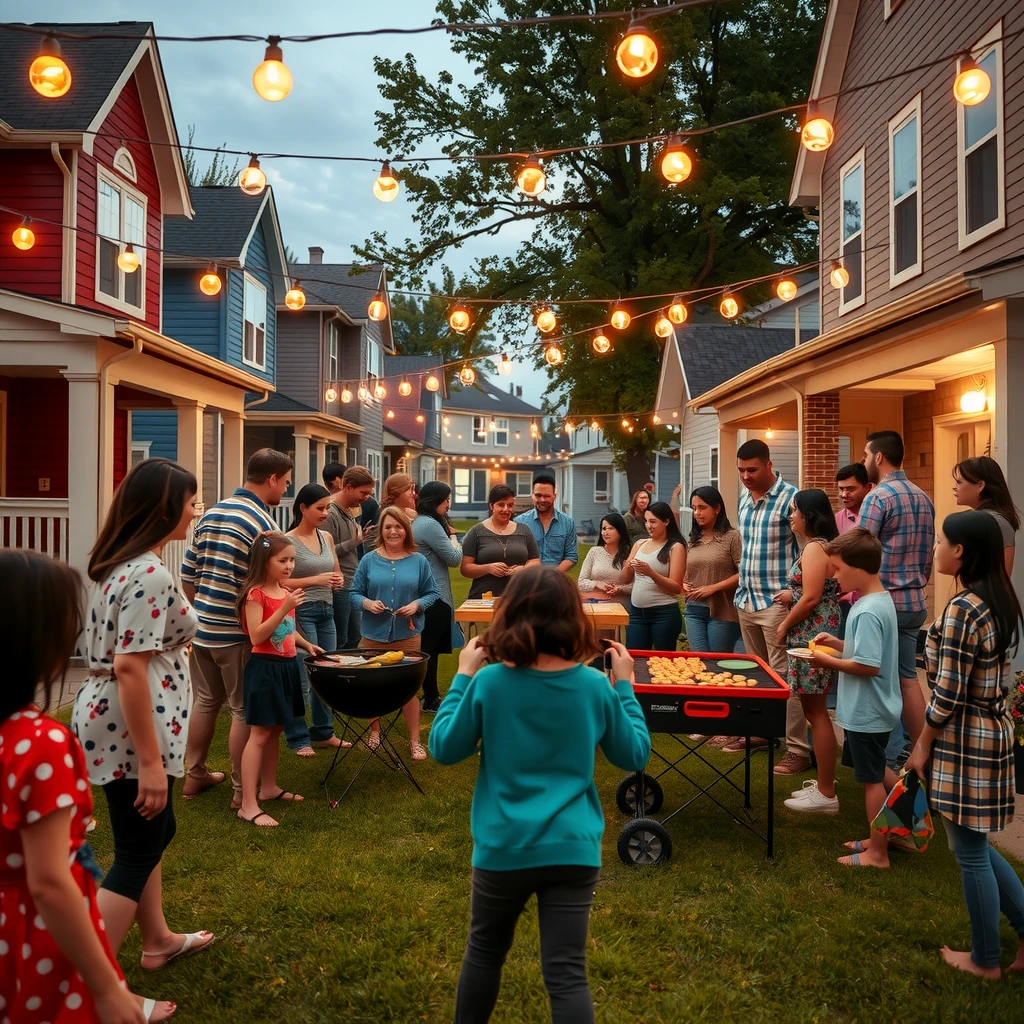
I remember moving to a small town years ago. The streets felt quiet, almost forgotten. Then, a group of neighbors organized a block party. Suddenly, laughter filled the air, kids played tag, and adults swapped stories over homemade pie. That one event sparked a chain reaction. People started watching out for each other, fixing potholes together, and even launching a community garden. It wasn't magic; it was action.
Why communities need active citizens boils down to connection. When people engage, they weave a safety net of trust and support. Studies show this isn't just feel-good talk—it's backed by real impact.

Building Resilience Through Participation
Active citizens act as the glue holding communities together. They spot problems early and rally solutions. Think about disaster recovery. After a storm hits, it's volunteers who clear debris, check on the elderly, and rebuild homes.
Data from the U.S. Census Bureau reveals the scale of this work. Between 2020 and 2021, 51% of Americans aged 16 and older— that's 124.7 million people—informally helped their neighbors with tasks like running errands or providing emotional support. Formal volunteering added another 60.7 million participants, contributing over 4.1 billion hours valued at $122.9 billion economically. These efforts didn't just aid recovery; they strengthened social ties that prevent isolation.
But it's not all about crises. Day-to-day engagement keeps communities vibrant. Local clean-ups reduce litter and boost pride. Parent groups at schools improve education for everyone. When citizens step up, everyone benefits—from safer streets to better-funded libraries.
Consider the benefits in a simple list:
- Stronger Social Networks: Engaged people form lasting friendships, reducing loneliness.
- Economic Boost: Volunteer hours translate to free services that stretch public budgets.
- Empowered Voices: Active citizens influence policies, like advocating for more green spaces.
- Youth Inspiration: Kids see adults modeling responsibility, sparking their own involvement.
As Penn State University's Center for Economic and Community Development outlines, meaningful participation leads to widely accepted solutions and empowered diverse groups. It's a win for all.
Service Learning and Civic Engagement: A Powerful Duo
Now, let's talk about structured ways to get involved: service learning and civic engagement. Service learning blends hands-on community service with classroom lessons. It's not random volunteering—it's purposeful, reflective work that deepens understanding.
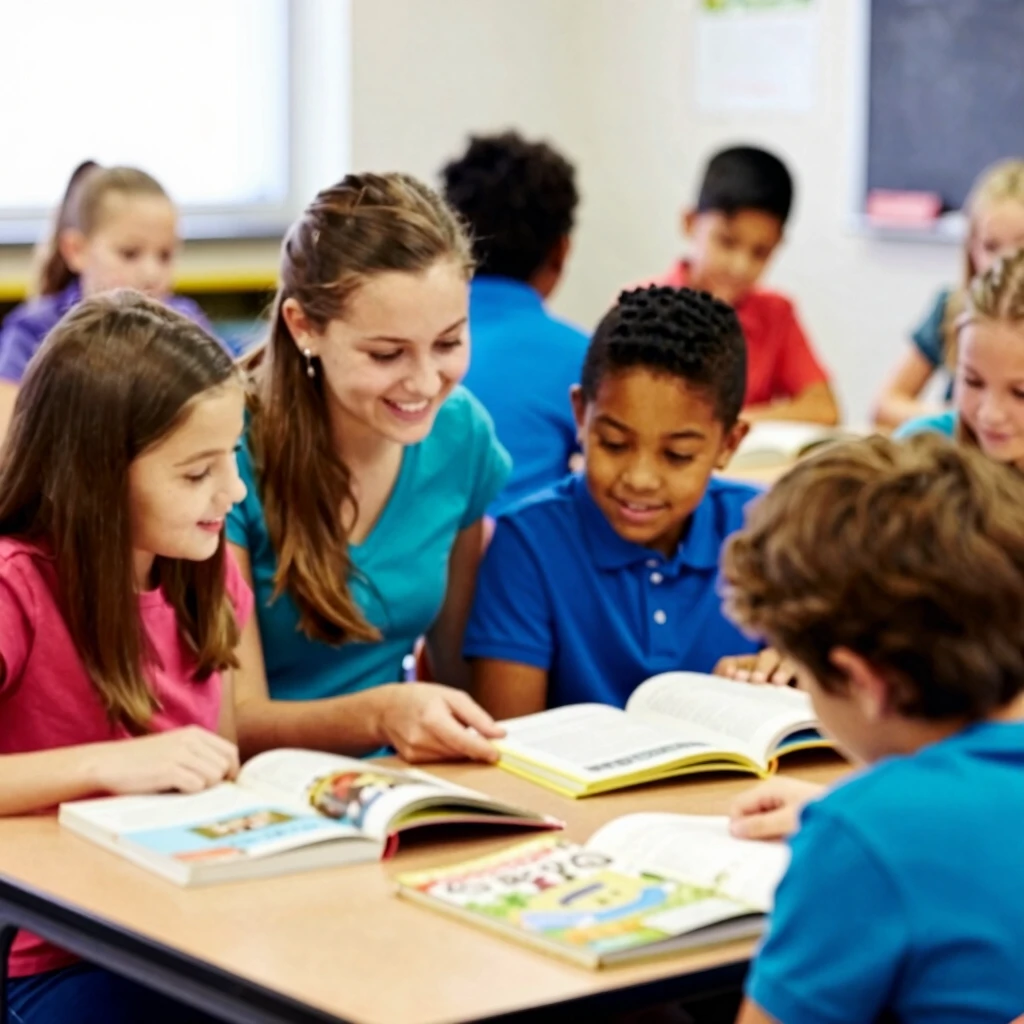
Imagine a high school class studying environmental science. Instead of just reading textbooks, students test local water quality and present findings to city officials. They learn science while solving real problems. This approach builds skills like critical thinking and teamwork.
Service learning fosters civic engagement by showing how individual actions tie into bigger issues. Students grasp concepts like equity and sustainability firsthand. According to Western Connecticut State University, participants gain self-esteem, cultural awareness, and even career edges, while communities get fresh energy and educated future leaders.
I've seen this transform lives. As a mentor in a college program, I watched shy freshmen evolve into confident advocates. One student, Maria, started by tutoring kids in reading. By semester's end, she led a literacy drive that stocked shelves at three shelters. Her story reminds me: service learning isn't charity—it's empowerment.
The Ripple Effects of Volunteering
Volunteering is the everyday hero of civic life. It's flexible—no degree required, just a willing heart. From food banks to animal shelters, volunteers fill gaps that budgets can't.
The impact? Profound. Volunteers not only help others but also boost their own well-being. Research links regular volunteering to lower stress and higher life satisfaction. Communities see cleaner parks, supported families, and innovative ideas.
Take youth involvement. Tufts University's Center for Information & Research on Civic Learning and Engagement (CIRCLE) emphasizes that young people's energy drives equity and resilience. Engaged teens perform better in school and build networks for future success. One stat: Youth who volunteer are 66% more likely to flourish mentally and physically.
In my experience, volunteering creates unexpected bonds. During a habitat restore project, I teamed up with a retiree named Tom. We hammered nails and shared life lessons. That day, we didn't just build shelves—we built a friendship that lasted years.
To illustrate volunteering's broad reach, here's a quick table of common roles and impacts:
| Role | Community Impact | Personal Gain |
|---|---|---|
| Food Pantry Helper | Reduces hunger for 100+ families weekly | Builds empathy and organizational skills |
| Park Cleaner | Enhances local beauty and safety | Improves physical health through activity |
| Event Organizer | Fosters social connections at festivals | Develops leadership and networking |
| Mentor | Guides youth toward success | Gains perspective from new generations |
These aren't isolated acts—they compound into stronger neighborhoods.
Personal Stories: Real Lives, Real Change
Stories bring this home. Let me share a few that stick with me.
First, Elena, a single mom in Chicago. Overwhelmed by work, she joined a neighborhood watch via service learning at her community college. At first, it was just attending meetings. Soon, she spotted a pattern of break-ins and rallied residents for better lighting. Crime dropped 30%. Elena gained confidence, landing a promotion. Her words: "I thought I was helping others, but they lifted me too."
Then there's Jamal, a teen from Atlanta. Civic engagement scared him—protests seemed distant. But a school volunteer program changed that. He canvassed for voter registration, talking to elders about their stories. It ignited his passion for policy. Today, he's studying law, crediting that first step.
These tales show service learning and civic engagement aren't abstract. They're bridges to purpose. As someone who's volunteered sporadically, I know the pull. My turning point? Coaching little league. Seeing kids' grins after a win taught me joy in giving back.
Overcoming Barriers to Get Involved
Not everyone jumps in easily. Time crunches, shyness, or doubt hold people back. But barriers are surmountable.
Start small: Dedicate one hour a week. Apps like VolunteerMatch connect you to nearby opportunities. Join a committee at your PTA or HOA—it's low-pressure entry.
For introverts, behind-the-scenes roles shine: Sorting donations or data entry counts.
Communities can help too. Schools should weave service learning into curricula. Leaders must make events inclusive, offering childcare or virtual options.
Actionable steps:
- Assess Interests: List causes you care about—environment, education, health.
- Find Fits: Search local nonprofits or USA.gov's volunteer portal.
- Commit Lightly: Try a one-off event before regulars.
- Reflect: Journal what you learned—it's the service learning magic.
- Share: Invite a friend; groups amplify fun.
Remember, every expert was a beginner. Your first step ripples outward.
Challenges and Sustainable Engagement
Sustainability matters. Burnout lurks if we overcommit. Balance by setting boundaries—say no gracefully.
Diversity challenges persist. Underrepresented groups may feel sidelined. Solution: Inclusive outreach, like multilingual flyers or culturally tailored events.
Metrics help too. Track progress: Did that clean-up reduce trash? Surveys gauge satisfaction.
Ultimately, why communities need active citizens is simple: Passive living drains vitality. Active ones renew it. As global issues mount—climate, inequality—our local actions anchor hope.
Wrapping It Up: Your Community Awaits
Active citizenship isn't a luxury; it's essential. Through volunteering, service learning, and civic engagement, we craft resilient, joyful places to call home. You've read the why, the how, and the stories—now act. Pick one idea today. Your neighborhood will thank you.
Small steps lead to big shifts. Let's build communities where everyone belongs. (Word count: 1,512)