Why Service Learning Matters in Modern Education
Understanding the importance of service learning in modern education and its impact on students and communities.
2 min read
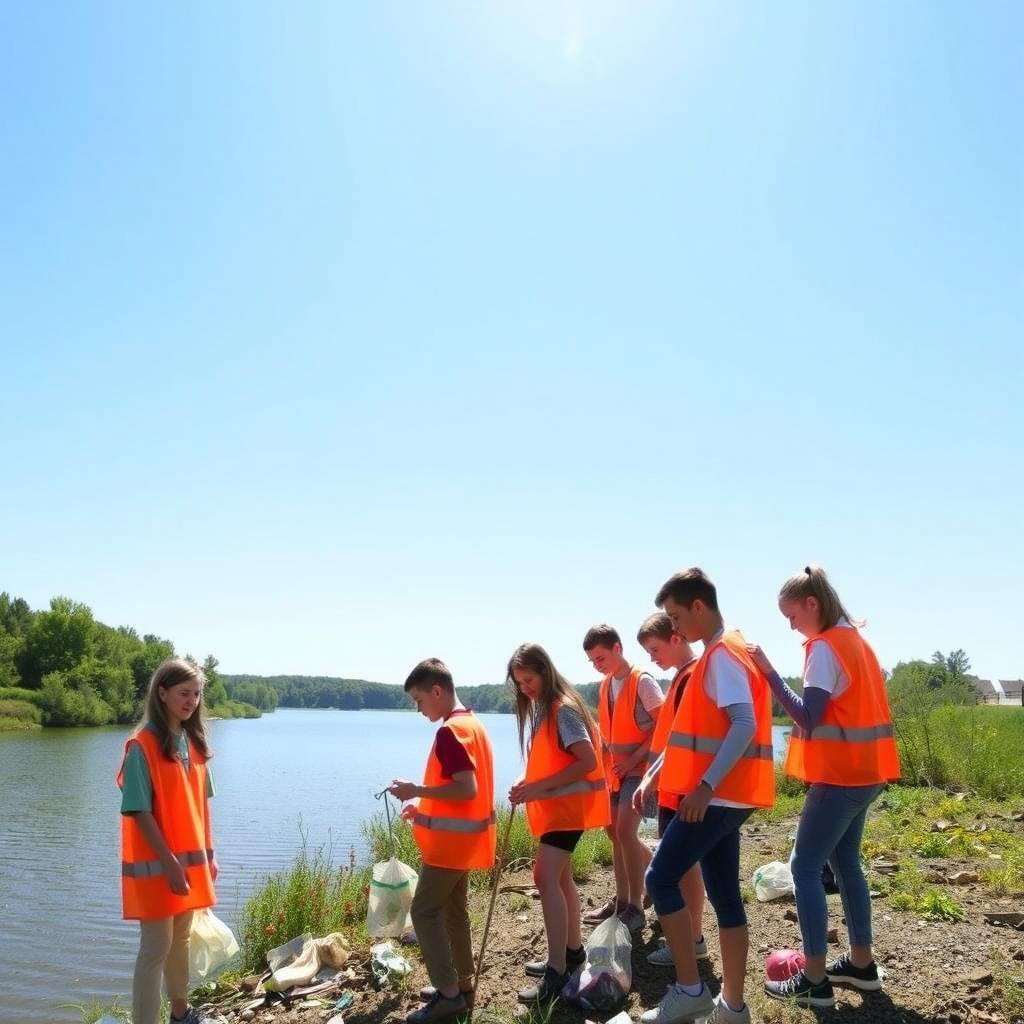
Service learning blends classroom lessons with community service, letting students tackle real-world issues while growing empathy and responsibility. In today’s schools, why service learning matters in modern education is clear—it equips students with skills and values for a complex, connected world.

Service learning doesn’t just help students—it strengthens towns and cities too. When kids work on local projects, they see how issues like poverty or pollution hit close to home. They also build bridges. A high school group in California, for example, partnered with a nonprofit to plant trees in low-income areas. The result? Cleaner air, happier neighbors, and students who felt proud to make a difference.
This community tie-in is why service learning experiences in education matter. They show students they’re part of something bigger. Want to dig deeper into how this works? Check out this article on community engagement in schools.
Look at the “Grow Easy” program at a middle school in Ohio. Students grew vegetables in a school garden, then donated them to a food pantry. They used math to plan the plots and science to test soil—all while feeding families. Parents said their kids came home buzzing with ideas about helping more.
Or consider a college program where students built low-cost water filters for rural areas. A report from the Corporation for National and Community Service highlighted how projects like this boosted students’ confidence and sense of purpose. These stories show why service learning matters in modern education—it turns lessons into action.
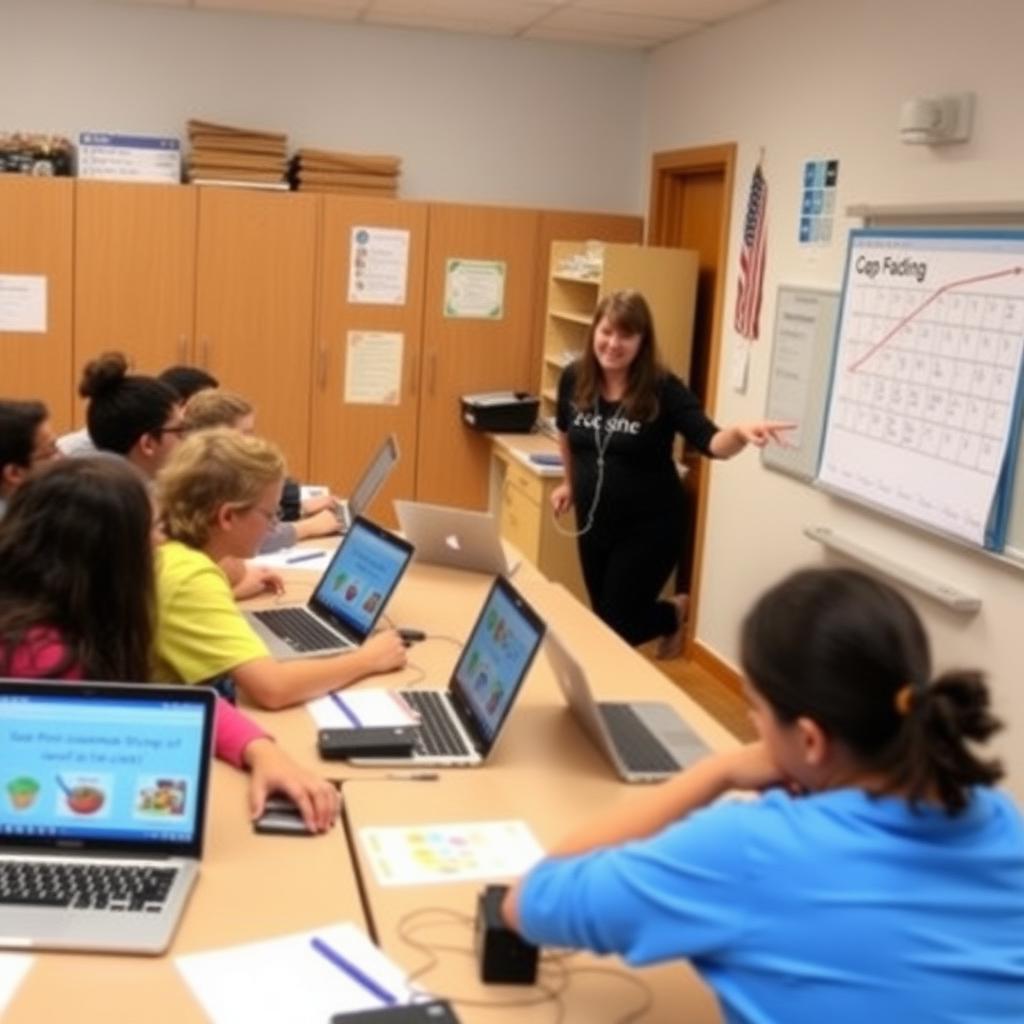
The future looks bright. As schools focus more on real-world skills, service learning fits perfectly. Picture more virtual projects connecting students globally or classes teaming up with companies to solve big problems. Trends show it’s growing—more colleges now require it for graduation. It’s not a fad; it’s the future.
Here’s how schools can start:
- Keep it simple: Try one project first, like a book drive.
- Ask students: Let them choose what matters to them.
- Reflect: Have kids write or talk about what they learned.
- Team up: Link with local groups for support.
This table breaks down service learning types:
| Type | What It Is | Example |
|---|---|---|
| Direct Service | Helping people face-to-face | Tutoring younger students |
| Indirect Service | Supporting behind the scenes | Raising funds for a shelter |
| Advocacy | Speaking up for change | Campaigning for clean water |
| Research | Studying issues to help | Surveying park safety needs |
Need more? See this guide on starting service learning.
Recommended Readings: - "Service Learning Essentials: Questions, Answers, and Lessons Learned" by Barbara Jacoby - "The Complete Guide to Service Learning: Proven, Practical Ways to Engage Students" by Cathryn Berger Kaye