World Resources Institute - Global Environmental Policies: Driving Change for a Sustainable Future
Explore the World Resources Institute's impactful work on global environmental policies, from climate action to sustainable cities. Learn how advocacy and volunteering can help you make a real difference in protecting our planet.
4 min read

Overview
The World Resources Institute (WRI) stands as a leading global research organization dedicated to shaping effective environmental policies. Founded in 1982, WRI influences governments, businesses, and communities to address urgent challenges like climate change, forest loss, and water scarcity. This article dives into WRI's role in global environmental policies and shares practical ways for individuals to contribute through advocacy and volunteering.

What is the World Resources Institute?
You might wonder what makes WRI unique in the crowded field of environmental organizations. WRI is an independent, non-profit think tank with over 2,000 experts working across more than 50 countries. Headquartered in Washington, D.C., it has offices worldwide, including in India, China, Brazil, and Indonesia.
WRI's mission is simple yet ambitious: to move human society toward living in ways that protect Earth's environment while meeting people's needs. They focus on six key areas: climate, energy, food, forests, water, and cities. Unlike some groups that only raise awareness, WRI turns research into action by partnering with leaders to create real-world solutions.
WRI's Impact on Global Environmental Policies
WRI plays a pivotal role in shaping policies that tackle the planet's biggest threats. For example, they co-developed the Greenhouse Gas Protocol, a worldwide standard for measuring and managing emissions. Companies and governments use this tool to track progress toward net-zero goals.
In climate policy, WRI supports the Paris Agreement through initiatives like the NDC Partnership, helping countries strengthen their national climate plans. They also run Global Forest Watch, an online platform that monitors deforestation in real-time using satellite data. This has empowered indigenous communities and governments to protect vital forests.
On urban issues, WRI's Ross Center for Sustainable Cities promotes low-carbon, inclusive urban development. Their work influences policies in rapidly growing cities, ensuring better public transport, green spaces, and resilience to climate impacts.
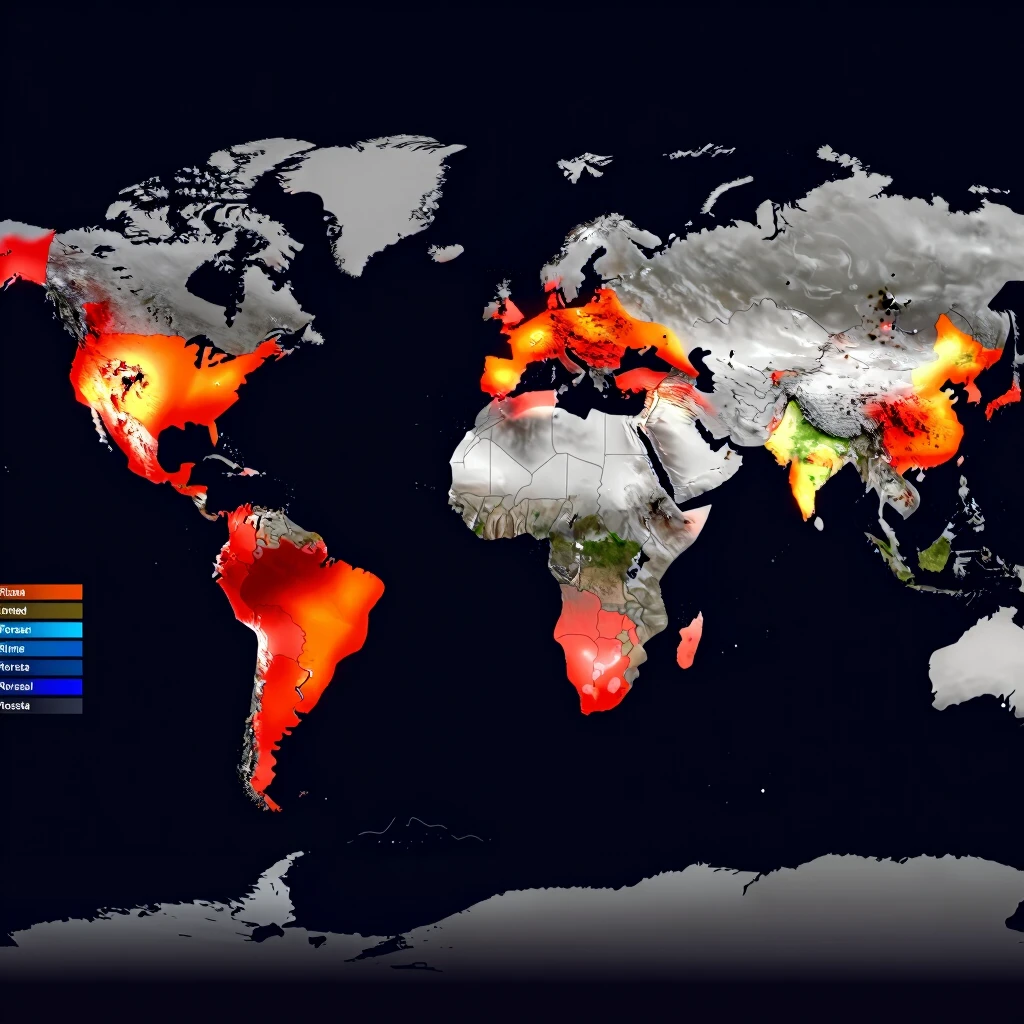
Here are some key WRI contributions in a quick list:
- Climate Protection: Advancing tools for emission reductions and adaptation strategies.
- Forest and Land Use: Leading restoration efforts to reclaim degraded lands.
- Water Security: Researching sustainable management to prevent shortages.
- Energy Transition: Promoting renewable sources and efficient systems.
- Sustainable Cities: Designing policies for equitable, low-emission urban growth.
These efforts align with global goals like the UN Sustainable Development Goals and have influenced policies in focus countries with high environmental stakes.
Personal Insights: Why WRI's Approach Resonates
I've followed environmental issues for years, and what strikes me about WRI is their practical, data-driven mindset. They don't just highlight problems—they provide actionable roadmaps. For instance, their reports on decarbonizing economies offer clear steps that policymakers can implement right away.
In a world full of alarming headlines, WRI's work gives hope. They show that change is possible when science meets collaboration. Seeing indigenous groups use Global Forest Watch to defend their lands reminds us that good policy can empower the most vulnerable.
How to Make a Difference Through Environmental Advocacy
Ready to get involved? Environmental advocacy is one of the most powerful ways to support organizations like WRI and push for stronger global environmental policies. Advocacy means speaking up for change—whether through petitions, letters to leaders, or sharing information.
Many people start small and build from there. You can amplify WRI's research by sharing their reports on social media or discussing them in your community. This helps build public support for better policies.
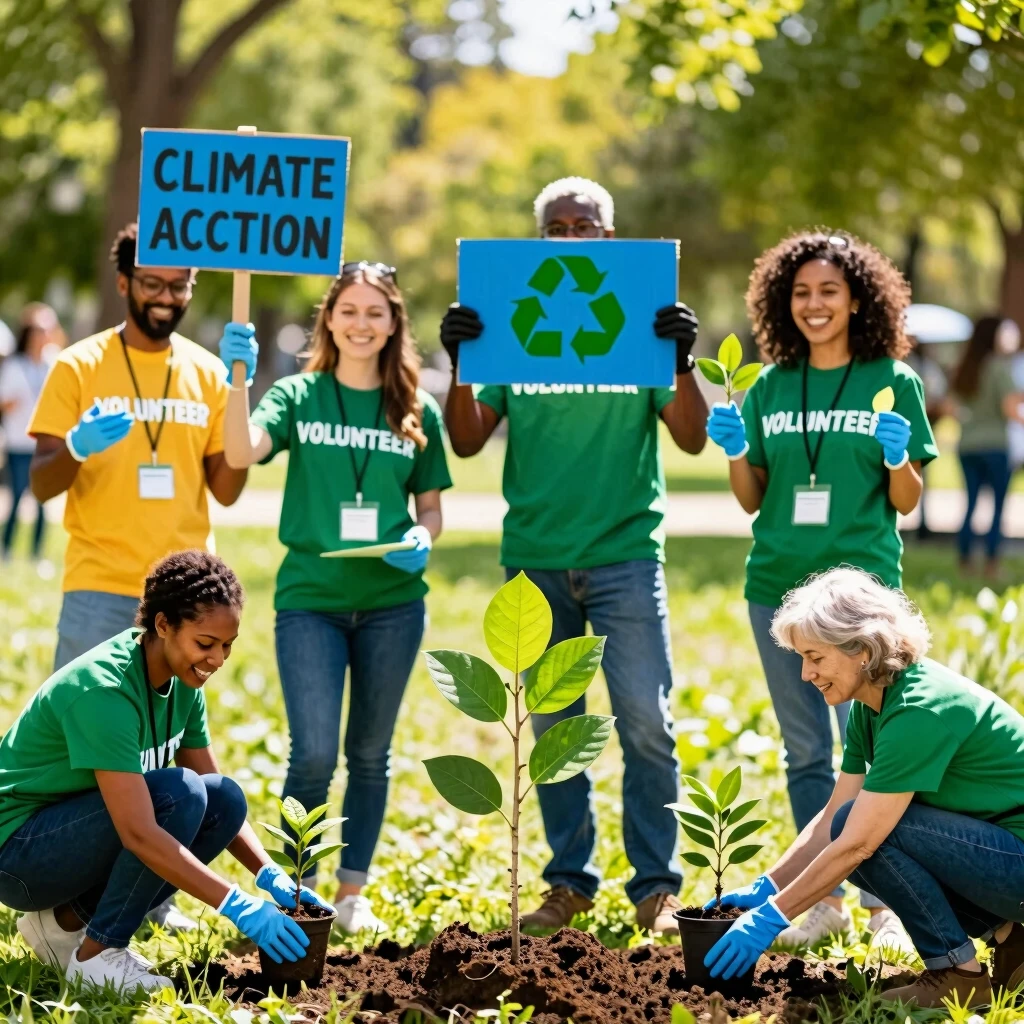
Best Practices in Advocacy Volunteering
Volunteering in advocacy can feel overwhelming at first, but following these best practices makes it effective and rewarding:
-
Start with Your Strengths: If you're good at writing, help craft letters or social posts. Love organizing? Plan local events.
-
Stay Informed: Read reliable sources like WRI's publications to base your advocacy on facts.
-
Build Connections: Join groups or networks for support and bigger impact.
-
Be Consistent: Small, regular actions—like signing petitions weekly—add up over time.
-
Focus on Local Ties: Link global issues to your community to engage others.
-
Practice Self-Care: Advocacy can be emotional; take breaks to avoid burnout.
These steps help volunteers create lasting change without feeling exhausted.
Ways to Volunteer and Advocate
While WRI primarily hires professionals, individuals can support their mission indirectly. Donate to fund research, use their open tools like Resource Watch, or partner with local groups aligned with WRI's goals.
Broader opportunities include:
- Joining campaigns with partners like the Sierra Club or 350.org.
- Participating in tree-planting or clean-up events.
- Contacting representatives about climate bills informed by WRI data.
Every volunteer effort counts. One person I know started by volunteering at local clean-ups and now leads advocacy for renewable energy policies.
Wrapping Up: Your Role in a Sustainable World
The World Resources Institute - Global Environmental Policies efforts prove that targeted research and collaboration can drive massive progress. From emission standards to forest protection, WRI equips leaders with the tools needed for change.
You don't need to be an expert to help. Through advocacy and volunteer work, anyone can contribute. Start today—pick one action, like sharing a WRI insight or joining a local group. Together, we build the sustainable future we all deserve.