10 Digital Activism Campaign Examples
Ten digital activism examples, from #MeToo to the SOPA blackout, with dates, tactics, documented results and the lessons each one offers organizers.
8 min read
The digital activism examples below come from different decades, countries and causes. They include single campaigns and wider movements. Some reached a measurable goal; others show both the reach and the limits of online organizing. Where a policy change followed a movement, that timing alone does not prove the movement caused it.
Most of these efforts also relied on offline organizing, the kind of groundwork covered in our grassroots advocacy campaign examples.
Digital and Online Activism Examples at a Glance
| Campaign | Digital tactic | Reported result | Main limit |
|---|---|---|---|
| #MeToo | Hashtag inviting personal stories | 19M+ Twitter uses in its first year | Related 2022 U.S. reform not attributable to the hashtag alone |
| Black Lives Matter | Hashtag, shared video | About 47.8M hashtag uses in under two weeks of 2020 | Federal policing bill stalled; public support fell by 2023 |
| Ice Bucket Challenge | Video nominations, donation link | $115M raised for the ALS Association | Short burst of about two months |
| SOPA/PIPA blackout | Website blackouts, petitions | Votes on both bills postponed | Stopped bills; passed nothing new |
| Fridays for Future | Copyable local strikes, social sharing | Organizers reported 4M+ strikers on Sept 20, 2019 | Policy effects hard to measure |
| March for Our Lives | #NeverAgain, crowdfunding | Florida raised the rifle-buying age to 21 | Assault-weapons ban sought by survivors did not pass |
| #FreePeriods | Online petition | Free period products in England's state schools and colleges | England only |
| Reclaim These Streets | Vigil planned online, then a lawsuit | High Court ruled police breached organizers' rights | The vigil did not go ahead as planned |
| #BringBackOurGirls | Hashtag, high-profile sharing | Worldwide attention to the Chibok abduction | Dozens of girls still missing a decade later |
| Arab Spring | Facebook, Twitter, YouTube | Leaders of Tunisia and Egypt left office in 2011 | Libya, Syria and Yemen fell into conflict |
Campaign Results and Lessons
1. #MeToo (2017 onward)
Activist Tarana Burke began using the phrase "Me Too" in 2006 to connect survivors of sexual violence. On October 15, 2017, after reporting on Harvey Weinstein, actress Alyssa Milano asked people on Twitter to reply "me too" if they had been harassed or assaulted. By September 30, 2018, the hashtag had been used more than 19 million times on Twitter, according to Pew Research Center.
Outcome: A related reform followed: on March 3, 2022, the U.S. Ending Forced Arbitration of Sexual Assault and Sexual Harassment Act became law. It lets a person bringing a sexual assault or sexual harassment claim choose court instead of a pre-dispute arbitration agreement. It is not attributable to the hashtag alone. For a longer view, see our summary of Pew's research on #MeToo five years later.
Lesson: A simple, personal prompt makes joining easy and brings experiences that were discussed in isolation into public view.
2. Black Lives Matter (2013 onward)
Alicia Garza, Patrisse Cullors and Opal Tometi started #BlackLivesMatter in 2013 after George Zimmerman was acquitted in the killing of Trayvon Martin. After George Floyd was murdered in 2020, Pew found the hashtag was used about 47.8 million times on Twitter between May 26 and June 7 of that year.
Outcome: Federal reform was harder: the George Floyd Justice in Policing Act passed the House in 2020 and 2021 but stalled in the Senate.
Lesson: Shared video can set the national agenda fast. Turning attention into law is a separate, slower job.
3. ALS Ice Bucket Challenge (2014)
People filmed themselves pouring ice water over their heads, then nominated friends to do the same or donate. The ALS Association raised $115 million in about two months, Fortune reported, with 67% going to research on treatments and a cure.
Outcome: Challenge money helped fund Project MinE, a gene-sequencing effort whose researchers identified NEK1 as an ALS-linked gene in 2016.
Lesson: A built-in "pass it on" step spreads a campaign through personal networks; a donation link turns views into money.
4. SOPA/PIPA Blackout (2012)
On January 18, 2012, English Wikipedia went dark for 24 hours, and Reddit, Mozilla, WordPress and thousands of other sites joined the protest against two U.S. anti-piracy bills. CBS News reported that 162 million people viewed Wikipedia's blackout page, 8 million U.S. visitors used it to look up their members of Congress, and 4.5 million people signed Google's petition.
Outcome: On January 20, 2012, Senate Majority Leader Harry Reid postponed the PIPA vote, and House Judiciary Chairman Lamar Smith put SOPA on hold. Neither bill became law.
Lesson: When the platforms people use every day take part, a protest reaches people who would never seek it out.
5. Fridays for Future (2018 onward)
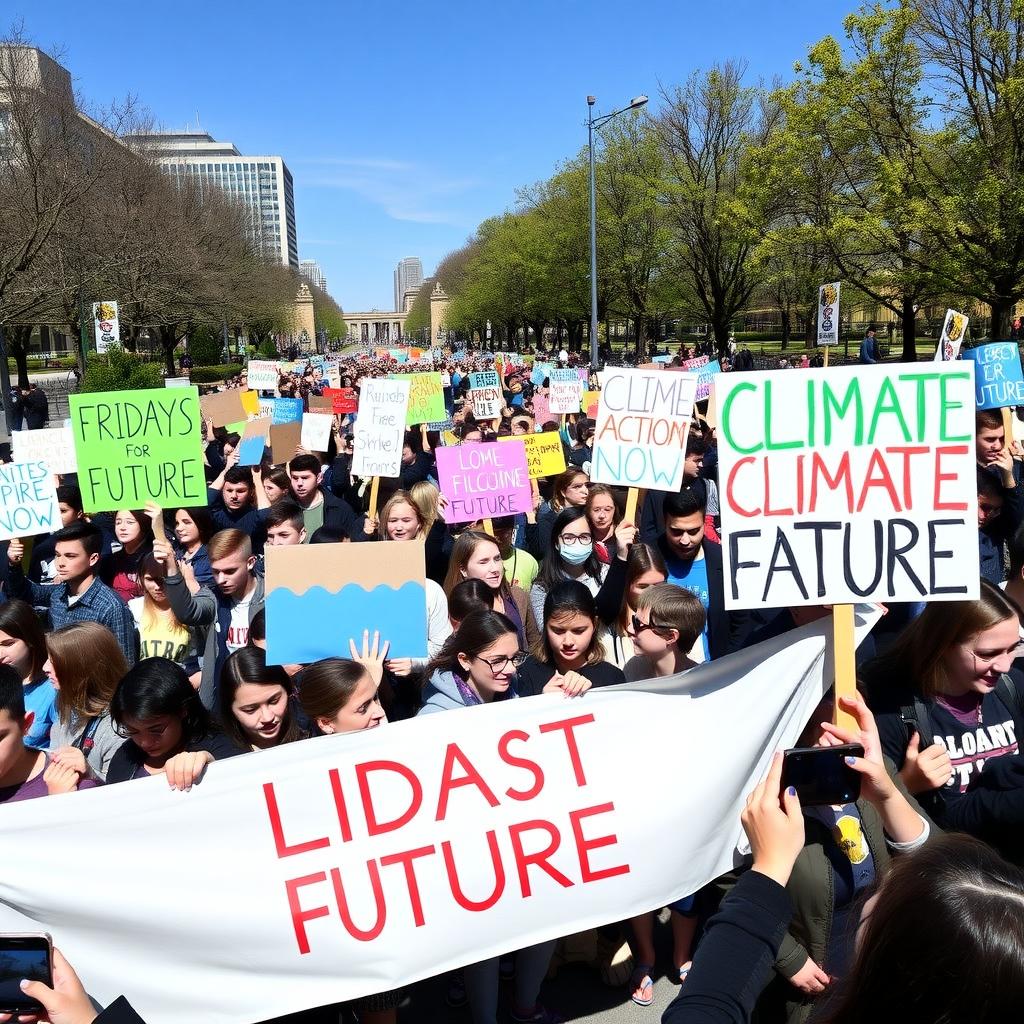
On August 20, 2018, 15-year-old Greta Thunberg began skipping school to sit outside the Swedish parliament with a sign reading "Skolstrejk för klimatet" (school strike for climate). Students elsewhere copied it under the Fridays for Future name.
Outcome: Organizers reported more than 4 million participants in the global climate strike of September 20, 2019. Direct policy wins are harder to attribute to the strikes.
Lesson: A repeatable local action gives supporters a practical way to take part beyond sharing a post.
6. March for Our Lives (2018)
After a gunman killed 17 people at Marjory Stoneman Douglas High School in Parkland, Florida, on February 14, 2018, student survivors organized under #NeverAgain on Twitter. They raised more than $3 million through GoFundMe, and more than 800 marches were planned for March 24, 2018.
Outcome: Before those marches, on March 9, 2018, Florida Governor Rick Scott signed a law raising the minimum age to buy rifles to 21. A 2026 bill to lower the age back to 18, HB 133, died in a Florida Senate committee on March 13, 2026.
Lesson: First-person voices from those directly affected carry weight that no organization can borrow.
7. #FreePeriods (2017–2020)
At 17, student Amika George started a petition asking the UK government to provide free period products to children who receive free school meals. It gathered nearly 200,000 signatures, and about 2,000 people protested outside Downing Street in December 2017.
Outcome: In January 2020, England's Department for Education launched a scheme offering free period products to state primary schools, secondary schools and colleges.
Lesson: A specific demand gives supporters a clear action and decision-makers a concrete proposal to consider.
8. Reclaim These Streets (2021–2022)
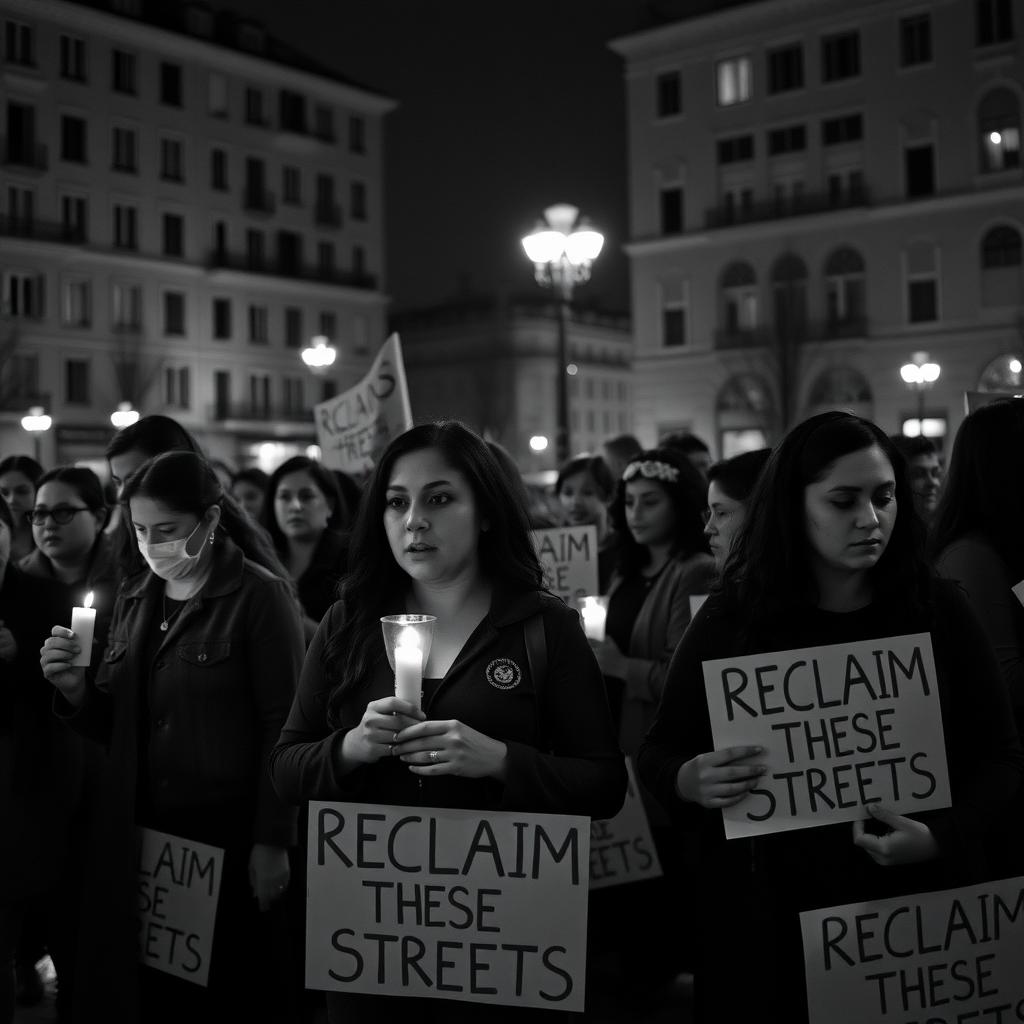
After Sarah Everard was abducted and murdered in south London in March 2021, four women formed Reclaim These Streets and used social media to plan a vigil. The Metropolitan Police said the vigil would break COVID-19 rules, and the organizers called it off.
Outcome: On March 11, 2022, the High Court ruled that six Met decisions were unlawful, finding the force had breached the organizers' rights to free expression and assembly.
Lesson: Online organizing can open a legal route as well as a public one.
9. #BringBackOurGirls (2014)
On April 14, 2014, Boko Haram abducted 276 schoolgirls from Chibok, Nigeria. Abuja lawyer Ibrahim Abdullahi first tweeted #BringBackOurGirls during a speech by former Nigerian minister Oby Ezekwesili, and Michelle Obama posted a photo with the hashtag on May 7, 2014.
Outcome: Some girls escaped within hours, and others were later rescued or freed through negotiated deals, but the goal of bringing all of them home was not met. As of April 2024, a foundation investigation reported by The Telegraph found 91 of the 276 still unaccounted for. The hashtag's direct role in individual releases is hard to establish.
Lesson: Global attention fades. Lasting pressure depends on local campaigners who keep going after the trend ends.
10. Digital Organizing During the Arab Spring (2010–2011)
Protests began in Tunisia after street vendor Mohamed Bouazizi set himself on fire on December 17, 2010. Activists used Facebook, Twitter and YouTube to share video and coordinate. Tunisia's President Ben Ali fled on January 14, 2011, and Egypt's Hosni Mubarak resigned on February 11, 2011, according to Al Jazeera's timeline.
Outcome: Mixed. Tunisia held elections in October 2011, while Libya, Syria and Yemen descended into conflict. Researchers still debate whether social media caused the uprisings or mainly sped them up.
Lesson: Digital tools can spread information and help people coordinate, but political outcomes depend on organizing, institutions and conditions beyond the platforms.
Tactics Organizers Can Learn From
- A specific ask. Postpone a vote, fund research, supply products to schools.
- A low-effort first step. Reply "me too," film a video, sign a petition.
- Offline follow-through. Marches, vigils, lawsuits and lobbying turned online numbers into pressure.
- Credible messengers. Survivors, students and affected families led the strongest campaigns.
For more on making a campaign easy to find and share, read our guide to the power of hashtags in advocacy campaigns.
Challenges and Criticism
Critics call some online activism "slacktivism," where sharing a post replaces harder work. #BringBackOurGirls shows that worldwide attention cannot force a result on its own. Support can also fade: Pew found that backing for Black Lives Matter fell from two-thirds of U.S. adults in 2020 to 51% in 2023. Campaigns also face misinformation, online harassment of organizers, and dependence on platforms they do not control.
How to Get Involved
Choose one organization working on your cause and check its current volunteer requests. Offer one specific task, such as captioning a campaign video, checking sources for an explainer, or helping staff a local event. Before you start, ask what result matters to the group and how your contribution will be counted.
Also check claims against the original source before sharing, and pair online actions with offline ones, such as contacting your representatives. Our social media advocacy guide covers planning and messaging for new organizers.
FAQ
What are some examples of digital activism?
Well-known examples include #MeToo, Black Lives Matter, the ALS Ice Bucket Challenge, the 2012 SOPA/PIPA website blackout, and Fridays for Future. Each used online platforms to recruit supporters, share stories or apply pressure on decision-makers.
What is an example of social media activism?
March for Our Lives is a clear case. Parkland students organized on Twitter under #NeverAgain and raised money through GoFundMe. Florida raised the minimum age to buy rifles to 21 on March 9, 2018, less than a month after the shooting.
What is the difference between online activism and digital activism?
The terms are usually used interchangeably. Both describe using the internet, social media and other digital tools to push for social or political change.
Do digital activism campaigns actually work?
They can, especially when they make a specific demand and connect to offline action. The SOPA/PIPA blackout and #FreePeriods were followed by clear policy results, while #BringBackOurGirls raised awareness without reaching its main goal.
What makes a digital activism campaign successful?
A clear ask, an easy way to take part, credible messengers and sustained offline follow-through. For where these tactics may head next, see our look at the future of digital activism.