Advocacy 101: Making Your Voice Heard
Learn how to make a difference through advocacy with practical tips, real-world examples, and actionable steps. Discover the power of grassroots movements, volunteering in political campaigns, and effective advocacy strategies to amplify your voice and drive change.
4 min read
Overview
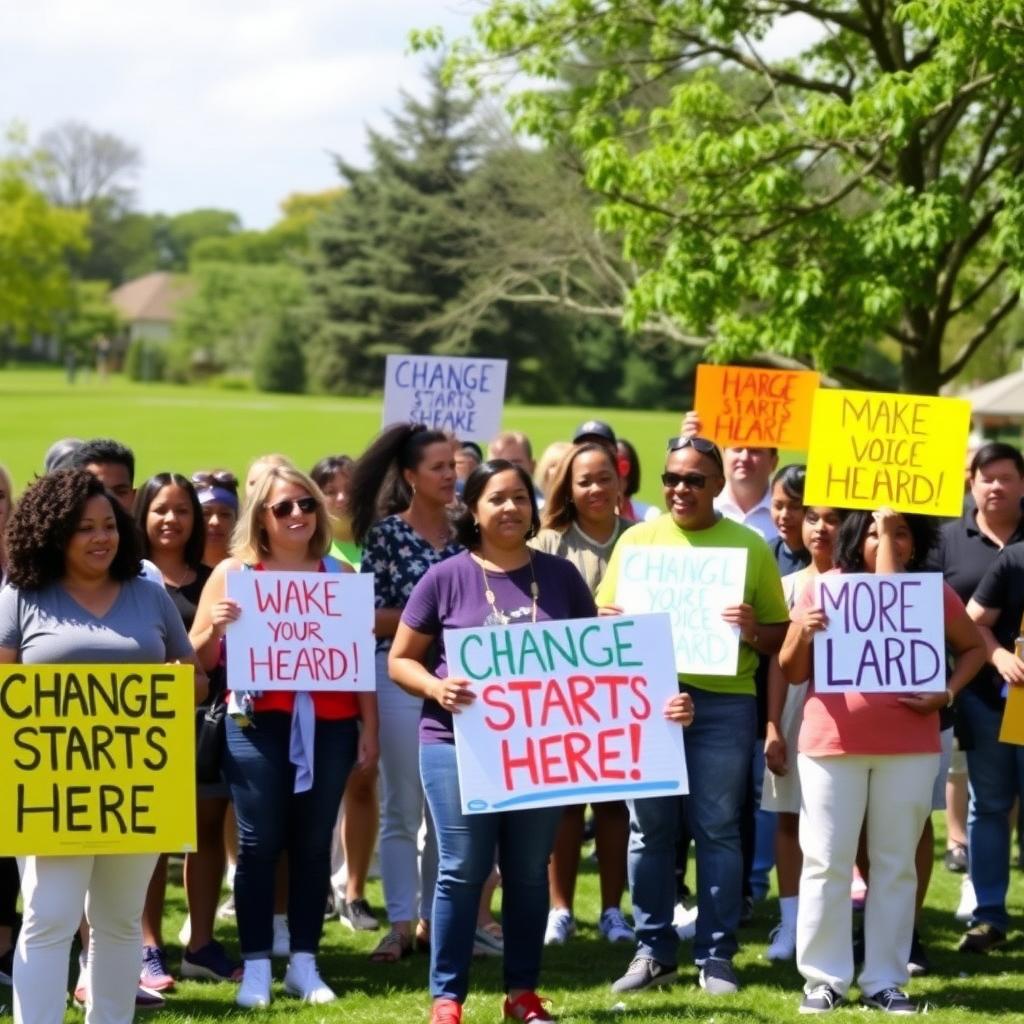
Advocacy is about speaking up for what matters to you. Whether it’s a local issue like safer streets or a national cause like climate change, Advocacy 101: Making Your Voice Heard offers a roadmap to create impact. This guide breaks down how grassroots movements and volunteering can shape politics and communities.
What Is Advocacy?
Advocacy means taking action to support a cause or influence decisions. It’s not just for experts or activists—it’s for anyone who cares about change. From writing letters to lawmakers to joining protests, advocacy empowers you to shape the world. I’ve seen this firsthand volunteering at community events, where a small group’s passion sparked big conversations.
At its core, advocacy is about connection. You’re not just shouting into the void; you’re building relationships with others who share your values. It’s about understanding issues, finding solutions, and pushing for progress. Anyone can be an advocate—you don’t need a degree or a megaphone, just commitment.

Why Advocacy Matters
Advocacy drives change when individuals come together. How Grassroots Movements Are Shaping Politics shows us this power. Think of movements like the Civil Rights Movement or recent climate strikes. Ordinary people—students, parents, workers—made history by speaking up. According to the Pew Research Center, 59% of Americans have participated in some form of civic action, like signing petitions or attending rallies.
Grassroots advocacy works because it’s local and personal. When I volunteered for a campaign to improve public transit, we didn’t just demand change—we shared stories about late buses and unsafe stops. Those stories resonated with decision-makers and led to real improvements. Your voice, rooted in real experiences, can move mountains.
Getting Started with Advocacy
Ready to dive into Advocacy 101: Making Your Voice Heard? Here’s how to begin:
- Pick Your Cause: Choose an issue you care about. It could be education, healthcare, or environmental justice. Focus on what keeps you up at night.
- Learn the Facts: Research your issue. Use trusted sources like government websites or nonprofit reports. Knowledge is your foundation.
- Find Your People: Join local groups or online communities. Platforms like X can connect you with others passionate about your cause.
- Take Action: Start small—write an email to a local official, share a post, or attend a town hall. Every step counts.
When I started advocating for better school funding, I felt overwhelmed. But joining a parent-teacher group gave me direction. We organized meetings, shared data on underfunded schools, and met with city council members. Our efforts led to a 5% budget increase for local schools. Small actions add up.

The Role of Grassroots Movements
How Grassroots Movements Are Shaping Politics isn’t just a catchy phrase—it’s reality. Grassroots movements start with everyday people, not politicians. They’re built on collective action, like petitions, marches, or social media campaigns. The Women’s March in 2017, for example, drew millions worldwide, amplifying voices on gender equality.
These movements thrive on passion and persistence. When I joined a climate action group, we didn’t have big funding or fancy offices. We had flyers, enthusiasm, and a shared goal. Our campaign to ban single-use plastics in our town succeeded because we kept showing up. Grassroots efforts prove that small voices, united, can roar.
Advocacy Volunteering in Political Campaigns
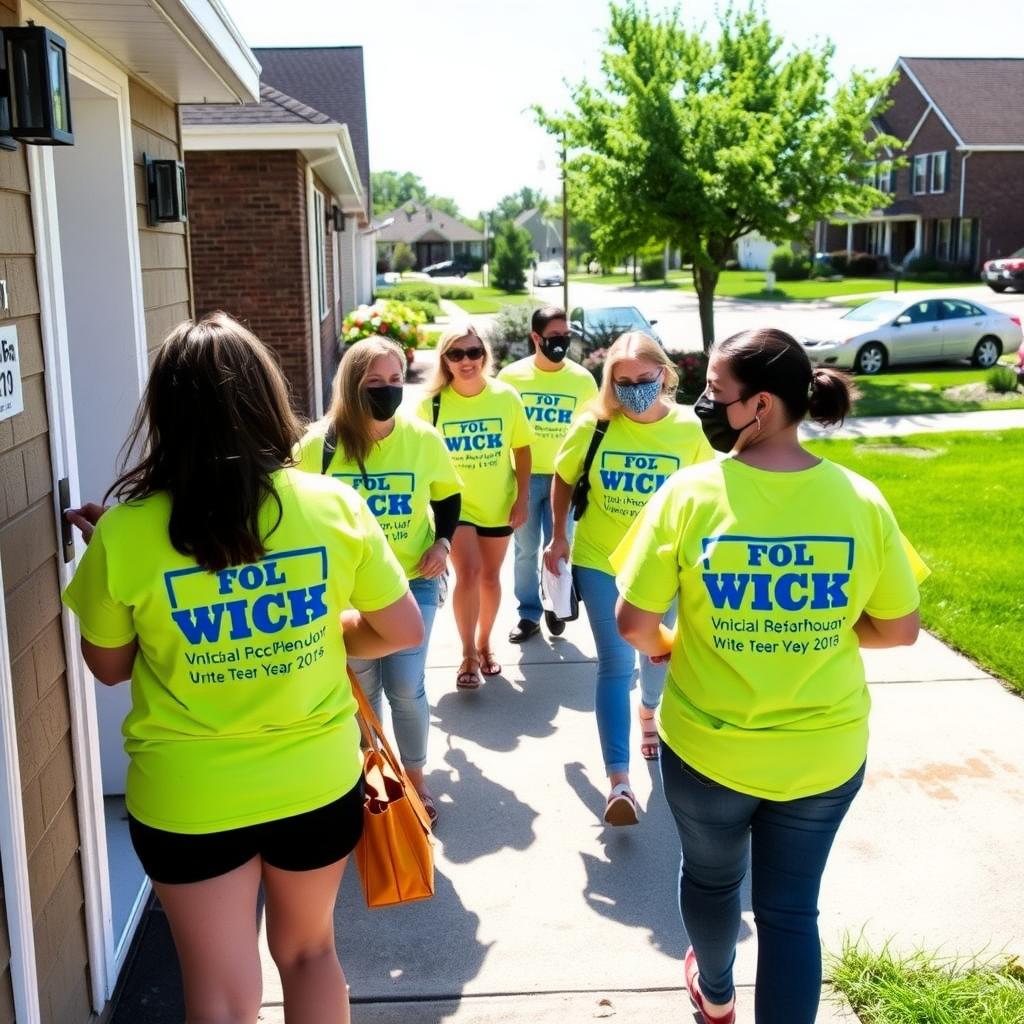
One powerful way to advocate is through advocacy volunteering in political campaigns. Campaigns rely on volunteers to spread messages, knock on doors, and engage voters. When I volunteered for a mayoral campaign, I spent weekends talking to neighbors about affordable housing. Those conversations shaped votes and policies.
Volunteering doesn’t require expertise. Campaigns need help with tasks like:
| Task | Description |
|---|---|
| Canvassing | Talking to voters door-to-door or at events |
| Phone Banking | Calling supporters to share campaign updates |
| Social Media | Posting about the candidate or cause |
| Event Support | Organizing rallies or voter registration drives |
Find campaigns through local party offices or websites like Vote.org.
Volunteering taught me that advocacy isn’t just about speaking—it’s about listening. Voters shared their struggles, and I brought those stories back to the campaign. It made our message stronger. Plus, it’s rewarding to see your efforts sway an election or spark change.
Tips for Effective Advocacy
To make your advocacy count, follow these tips:
- Be Clear: Use simple, direct language when sharing your message. Avoid jargon.
- Build Relationships: Connect with decision-makers respectfully. A polite email or meeting goes further than an angry rant.
- Use Stories: Share personal experiences to make your cause relatable. Data is great, but stories stick.
- Stay Consistent: Advocacy takes time. Keep showing up, whether it’s at meetings or online.
- Leverage Technology: Use platforms like X to amplify your message. A well-crafted post can reach thousands.
I once attended a city council meeting to advocate for bike lanes. I was nervous, but I shared how a friend’s accident inspired me to act. The council listened, and six months later, new lanes were approved. Persistence and personal stories made the difference.
Overcoming Advocacy Challenges
Advocacy isn’t always easy. You might face rejection, burnout, or skepticism. When I pushed for cleaner parks, some officials brushed me off. But I learned to stay calm, gather more support, and try again. Here’s how to handle common hurdles:
- Burnout: Take breaks and lean on your community for support.
- Opposition: Listen to critics, find common ground, and refine your message.
- Lack of Resources: Use free tools like social media or public libraries for research.
Summary
Advocacy is about turning passion into action. Whether through grassroots movements or advocacy volunteering in political campaigns, your voice can shape the future. Start small, stay informed, and connect with others. Every step forward counts. Ready to make your voice heard? Dive in today.