Benefits of Service Learning for Students: A Guide to Impact and Implementation
Explore the many benefits of service learning for students, including academic growth, personal development, and civic engagement. Learn practical steps to start a program on a budget and secure funding through grants.
3 min read

Service learning combines community service with classroom learning to create meaningful experiences. Students tackle real-world problems while strengthening their skills and empathy. This approach delivers lasting benefits for personal growth, academic success, and community impact.
What Is Service Learning?
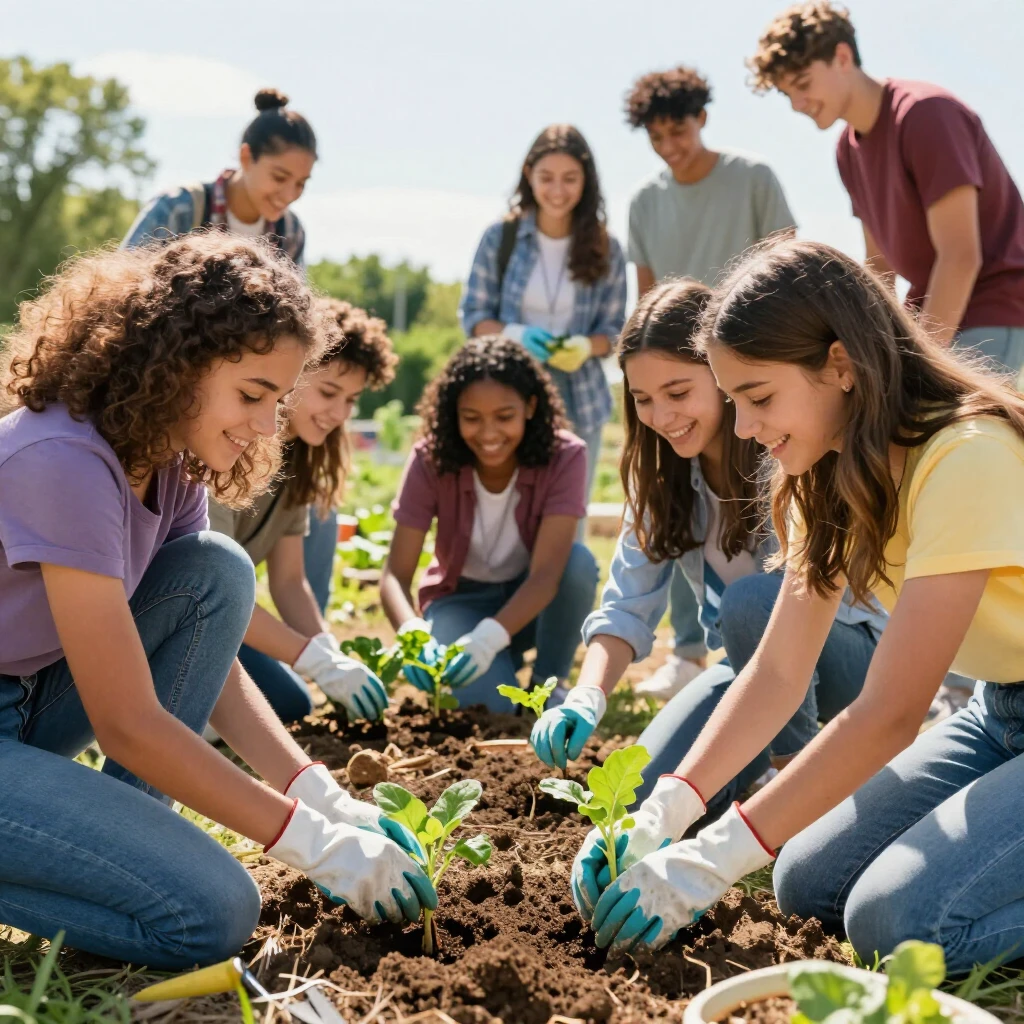
Service learning is an educational approach that connects meaningful community service with academic instruction and structured reflection. Students apply what they learn in class to real community needs, then reflect on the experience to deepen their understanding.
Unlike traditional volunteering, service learning ties directly to curriculum goals. It encourages critical thinking and civic responsibility.
Key Benefits of Service Learning for Students
Students gain far more than classroom knowledge through service learning. Research shows it creates positive outcomes across several areas.
Academic Gains
Service learning reinforces course material through hands-on application. Students often show higher grades, better retention of information, and improved problem-solving skills. A study from the University of Georgia found that participants had higher GPAs and greater chances of graduating on time.
Personal Development
Students build confidence, leadership, and communication skills. They learn to work in teams, adapt to new situations, and handle challenges. Many discover new strengths and passions along the way.
Civic Engagement and Empathy
Working directly with community members helps students understand social issues. They develop a stronger sense of responsibility and empathy. Boise State University highlights how this leads to reduced stereotypes and greater cultural awareness.
Career Preparation
Service learning provides practical experience and networking opportunities. Students clarify career interests and build resumes with real-world examples. Employers value the initiative and teamwork these experiences demonstrate.

I’ve seen these benefits firsthand. One student I worked with started shy but grew into a confident leader after organizing a food drive. She later said the experience shaped her decision to pursue social work.
How to Launch a Service Learning Program on a Budget
You don’t need big funding to start. Begin small and grow over time.
- Identify community needs through local nonprofits or surveys.
- Partner with existing organizations to avoid startup costs.
- Use free resources like public spaces and donated materials.
- Start with one class or small group of students.
- Incorporate reflection through journals or discussions—no extra cost required.
Many successful programs began with simple projects like campus cleanups or tutoring sessions.
Service Learning Grants and Funding: Opportunities for Community Impact
Grants can help expand your program. Look for opportunities from foundations, government programs, and universities.
Federal options include AmeriCorps funding for service initiatives. Many states offer education grants that support service learning. Universities often provide mini-grants for faculty and students.
Elmhurst University explains how these experiences create lasting community partnerships that attract ongoing support.
How to Write a Winning Grant Proposal
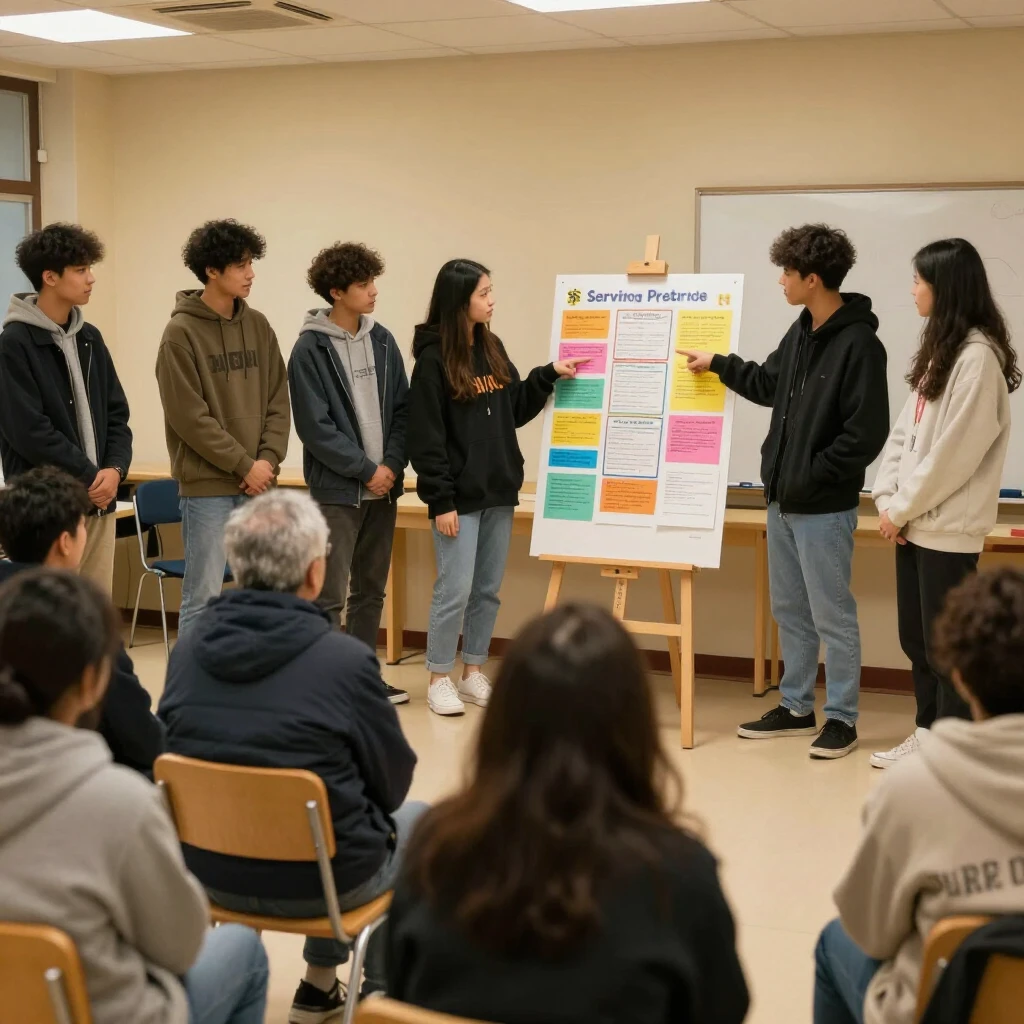
Strong proposals clearly show need, plan, and impact.
- Start with a clear problem statement and how your project addresses it.
- Define specific, measurable goals.
- Include a realistic budget and timeline.
- Explain evaluation methods.
- Highlight community partnerships and sustainability.
The UNC Writing Center guide offers detailed steps for crafting effective proposals in any field.
Common Mistakes to Avoid When Writing Grant Proposals
Many proposals fail due to simple errors:
- Being too vague about goals or outcomes
- Ignoring funder guidelines
- Overlooking budget details
- Forgetting to show community need with data
- Submitting at the last minute without proofreading
Take time to tailor each proposal to the specific funder and get feedback before submitting.
Final Thoughts
Service learning transforms students into active, compassionate citizens while strengthening communities. The benefits reach far beyond the classroom—improving academic performance, building life skills, and fostering lifelong civic engagement. Whether you start small or secure grants to grow, the impact is worth the effort. Begin planning your program today and watch students thrive.