The Benefits of Volunteering: Why It Matters
Discover the transformative power of volunteering. This comprehensive guide explores the personal, social, and professional benefits of giving back, with practical tips for beginners and insights into advocacy programs for volunteers.
4 min read
Overview: Why Volunteering Matters
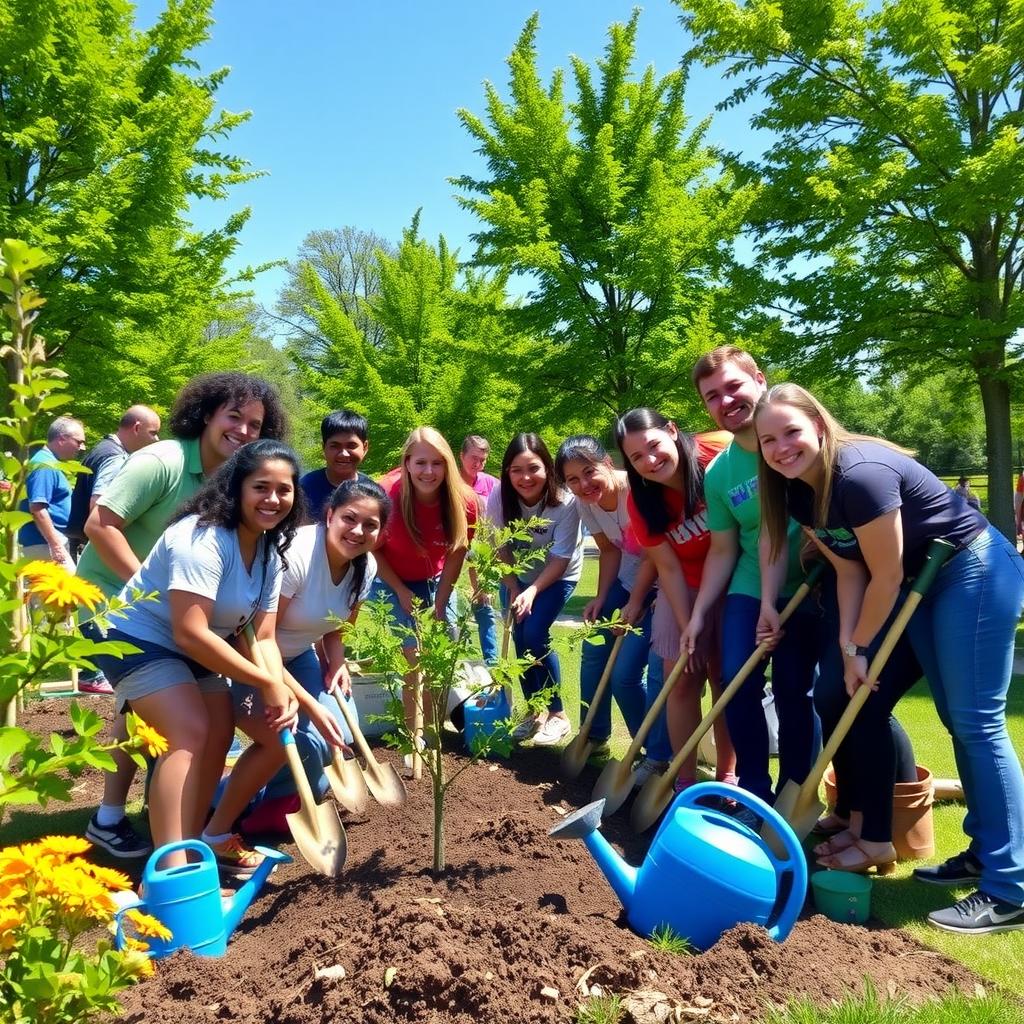
Volunteering is more than just giving your time—it's a way to make a difference, grow personally, and connect with others. Whether you're helping at a local shelter or joining advocacy programs for volunteers, the benefits are profound. This article dives into why volunteering matters and how to start.
The Personal Rewards of Volunteering
Volunteering can change your life in ways you might not expect. When I first started helping at a community garden, I thought I was just planting seeds. But I ended up growing confidence, purpose, and friendships. Studies, like one from the Corporation for National and Community Service, show volunteers often feel happier and less stressed. Why? Because helping others releases feel-good chemicals like oxytocin in your brain.
Beyond feeling good, volunteering sharpens your skills. I learned how to organize events and communicate better while working with diverse groups. These skills boosted my resume and my self-esteem. Whether you're teaching kids to read or cleaning up a park, you gain experiences that make you stronger.

Social Impact: Building Stronger Communities
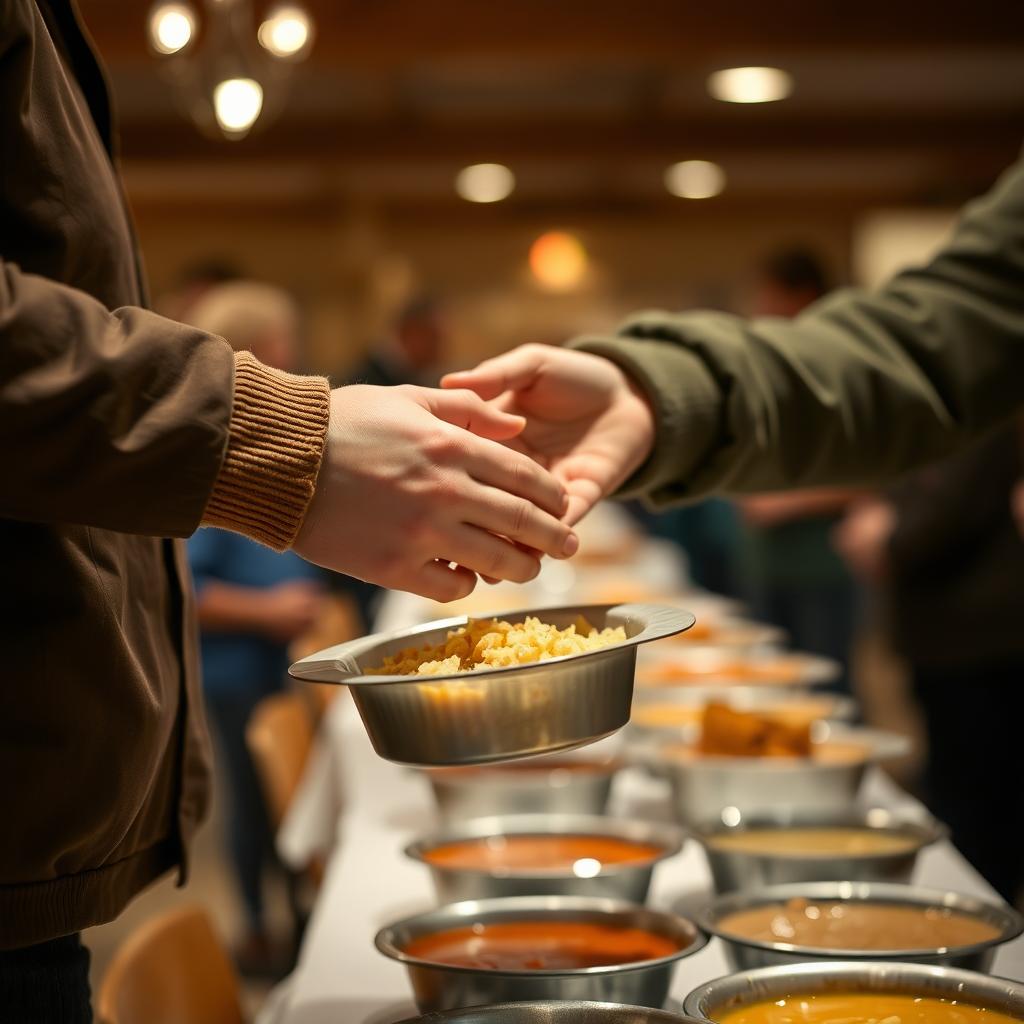
Volunteering doesn't just help you—it strengthens the world around you. When you volunteer, you’re part of something bigger. I saw this firsthand at a food bank, where our team provided meals to families in need. According to Feeding America, volunteers help distribute millions of meals each year, fighting hunger directly.
Volunteering also builds bridges between people. It brings together folks from different walks of life, creating understanding and unity. Advocacy programs for volunteers amplify this impact by giving you a voice to push for change. For example, volunteering with groups like Habitat for Humanity not only builds homes but also advocates for affordable housing policies.
Professional Benefits: Boosting Your Career
Volunteering can open doors in your career. When I started volunteering, I didn’t realize how much it would help me professionally. Leading a fundraising event taught me project management, a skill I later used to land a better job. A 2023 LinkedIn study found that 41% of hiring managers value volunteer experience as much as paid work.
It’s also a great way to network. You meet people who share your values, and those connections can lead to new opportunities. Plus, volunteering shows employers you’re proactive and care about your community—qualities that stand out on any resume.
How to Start Volunteering: A Beginner's Guide
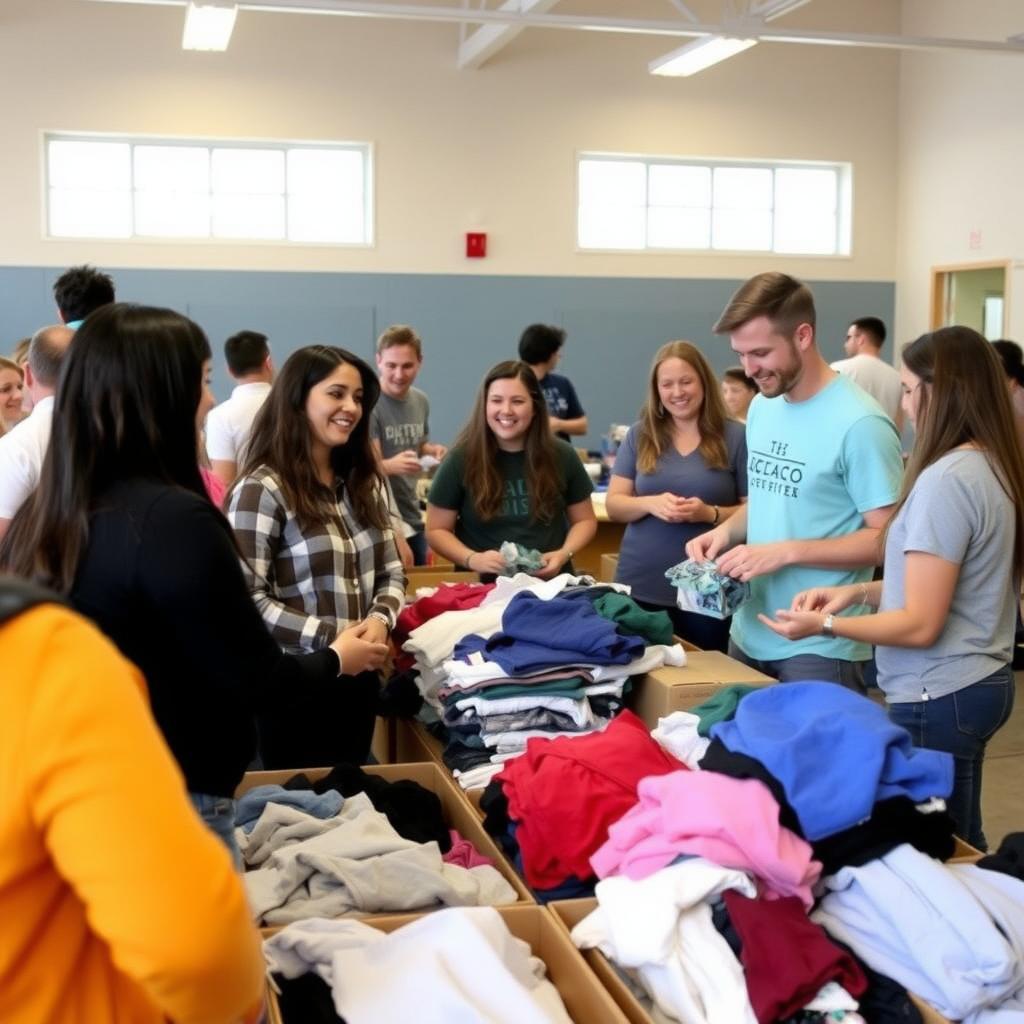
Ready to jump in? Starting is easier than you think. Here’s a simple guide to get you going:
- Identify Your Passion: Love animals? Try a shelter. Care about education? Tutor kids.
- Research Opportunities: Check sites like VolunteerMatch.org or local community boards.
- Start Small: Commit to a few hours a month to avoid burnout.
- Ask Questions: Reach out to organizations to understand their needs.
- Stay Consistent: Regular volunteering builds deeper connections.
Don’t worry if you’re new. Most organizations train volunteers, and you’ll learn as you go. I started with no experience, and within weeks, I was leading small tasks. Advocacy programs for volunteers can also be a great starting point, as they often provide structure and support for newcomers.
10 Tips for Effective Volunteering
To make the most of your volunteering, follow these practical tips:
| Tip | Description |
|---|---|
| 1. Be Reliable | Show up on time and follow through on commitments. |
| 2. Stay Open-Minded | Embrace new tasks and perspectives. |
| 3. Communicate Clearly | Ask for clarification if you’re unsure about a task. |
| 4. Respect Differences | Work respectfully with diverse groups. |
| 5. Take Initiative | Offer ideas to improve the program. |
| 6. Build Relationships | Connect with other volunteers for support. |
| 7. Learn New Skills | Use volunteering to grow personally and professionally. |
| 8. Stay Positive | A good attitude inspires others. |
| 9. Track Your Impact | Keep a journal to reflect on your contributions. |
| 10. Have Fun | Enjoy the experience and celebrate small wins. |
These tips helped me stay engaged and make a real difference. For example, taking initiative at a local clean-up event led to me organizing a bigger one the next year. Small steps can lead to big impact.
Advocacy: Giving Volunteers a Voice
Advocacy programs for volunteers take your impact to the next level. These programs train you to speak up for causes you care about, like environmental protection or social justice. I joined an advocacy group for clean water and learned how to write letters to local officials. It was empowering to see my voice matter.
Organizations like Amnesty International or the Sierra Club offer advocacy training for volunteers. They teach you how to campaign, raise awareness, and influence policy. This kind of volunteering not only helps others but also builds your leadership skills.
Overcoming Common Challenges
Volunteering isn’t always easy. Time constraints, burnout, or feeling unappreciated can creep in. I once struggled to balance volunteering with work, but setting clear boundaries helped. Schedule your volunteer time like you would a job, and don’t be afraid to say no to extra tasks.
If you feel your efforts aren’t making a difference, talk to the organization. They can often show you the bigger picture. For example, my work at the food bank felt small until I learned how many families we helped each month.
Summary: Start Volunteering Today
The Benefits of Volunteering: Why It Matters go beyond personal growth. It builds communities, boosts careers, and creates lasting change. Whether you’re a beginner or a seasoned volunteer, there’s always a way to get involved. Use the tips and resources in this guide to start your journey and make a difference.