The Benefits of Service Learning for Students and Communities
An exploration of the benefits of service learning for students and communities, highlighting its role in education and civic engagement.
3 min read
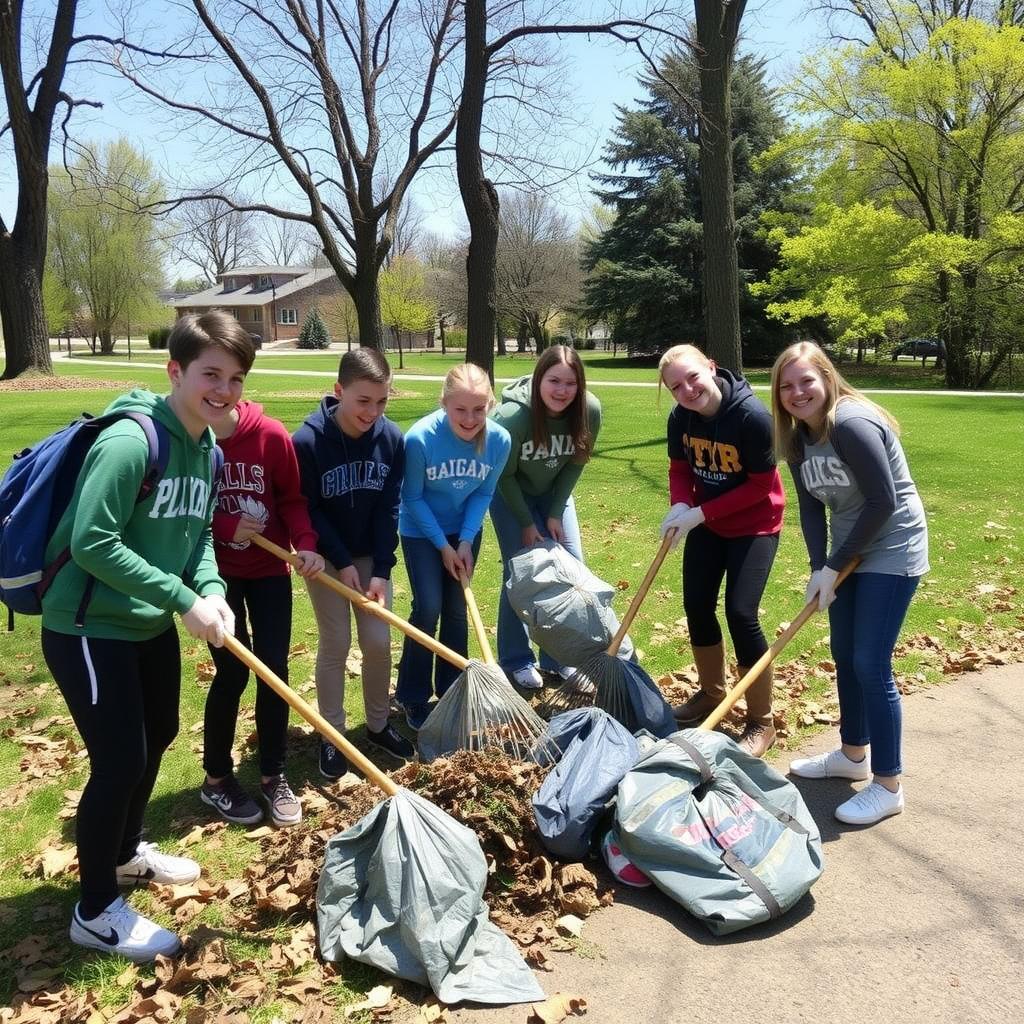
Service learning is a teaching method that combines academic learning with community service. It's a powerful way for students to apply what they've learned in the classroom to real-world situations while making a positive impact on their communities. The benefits of service learning extend to both students and communities, making it a win-win approach to education.

Service learning offers numerous benefits for students. One of the most significant is the opportunity to enhance academic learning. By applying theoretical knowledge to practical situations, students can deepen their understanding of course material and develop critical thinking skills. For example, a student studying environmental science might participate in a service learning project to clean up a local park, allowing them to see firsthand the impact of pollution on ecosystems.
In addition to academic benefits, service learning helps students develop personal and social skills. Working on community projects encourages teamwork, communication, and leadership. Students learn to collaborate with diverse groups of people and navigate real-world challenges. These skills are invaluable for their future careers and personal growth.
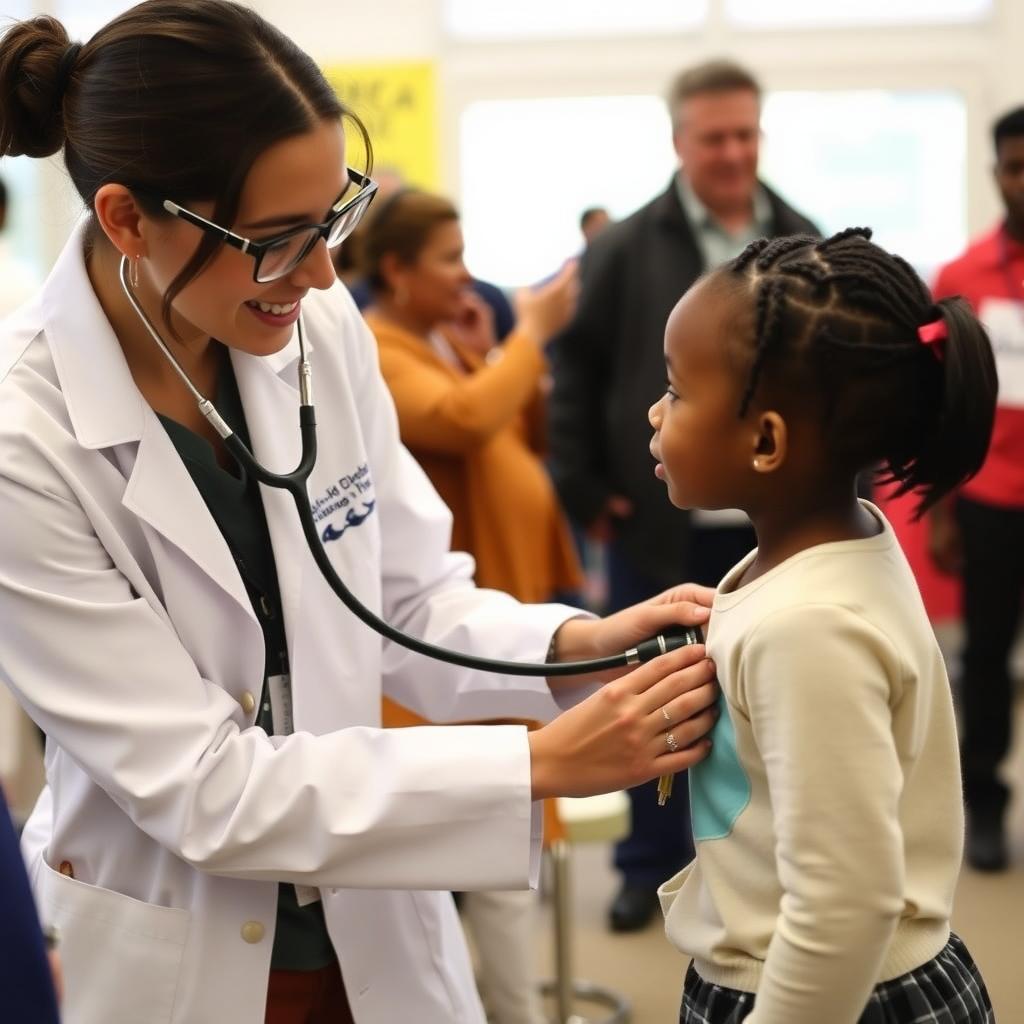
Service learning also prepares students for future careers by providing hands-on experience in their field of interest. For instance, a student interested in healthcare might volunteer at a local clinic, gaining practical experience and insights into the profession. This experience can help students make informed decisions about their career paths and build a strong resume.
Communities also reap significant benefits from service learning. One of the primary advantages is the ability to address community needs. Service learning projects are often designed to tackle specific issues, such as food insecurity, environmental conservation, or education. By mobilizing student volunteers, communities can access additional resources and manpower to address these challenges.
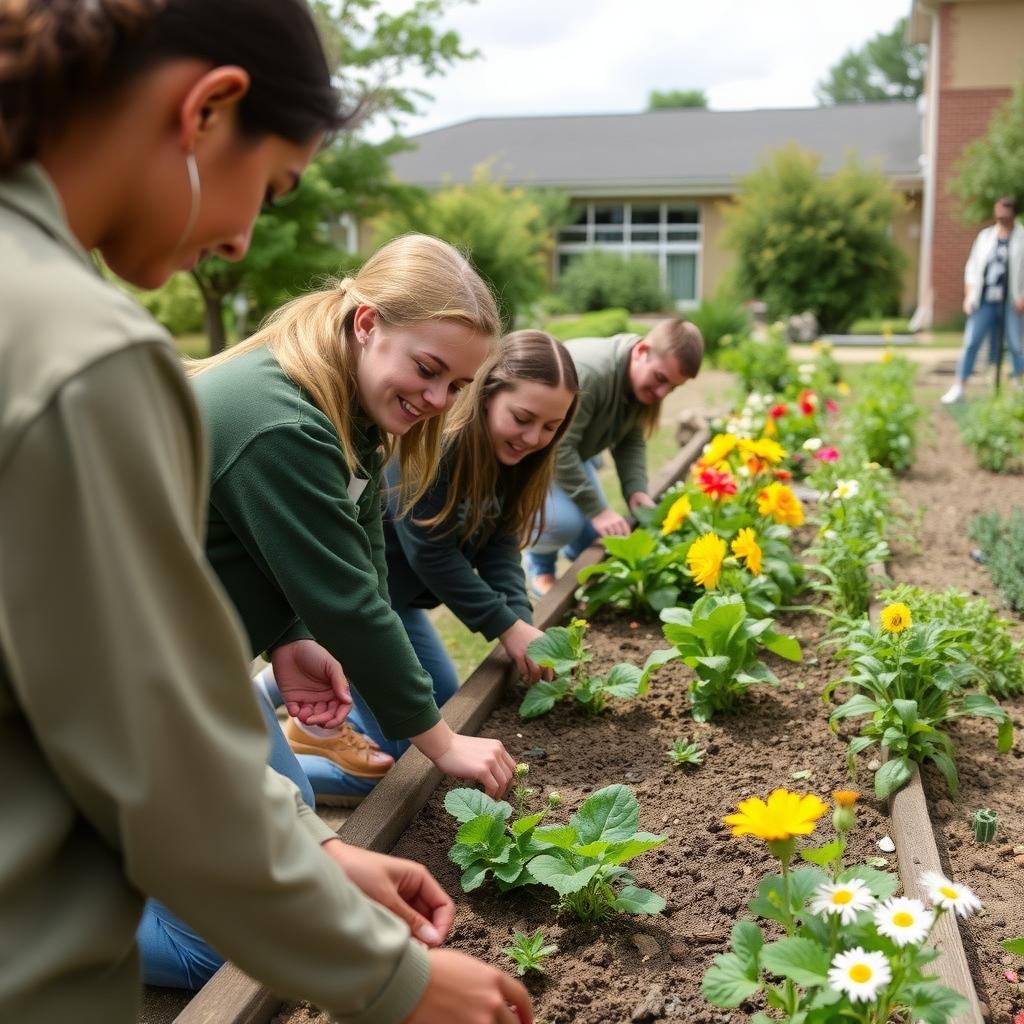
Service learning also fosters civic engagement among students and community members. By participating in community projects, students develop a sense of responsibility and commitment to their communities. This can lead to increased volunteerism and a stronger sense of community pride.
Furthermore, service learning builds stronger relationships between educational institutions and the community. By working together on projects, schools and community organizations can develop partnerships that benefit both parties. These partnerships can lead to ongoing collaboration and mutual support.
One of the key impacts of service learning projects is their ability to create positive change in communities. For example, students participating in environmental conservation projects can significantly reduce pollution and improve local ecosystems. Similarly, projects addressing food insecurity can increase access to healthy food options for families in need.
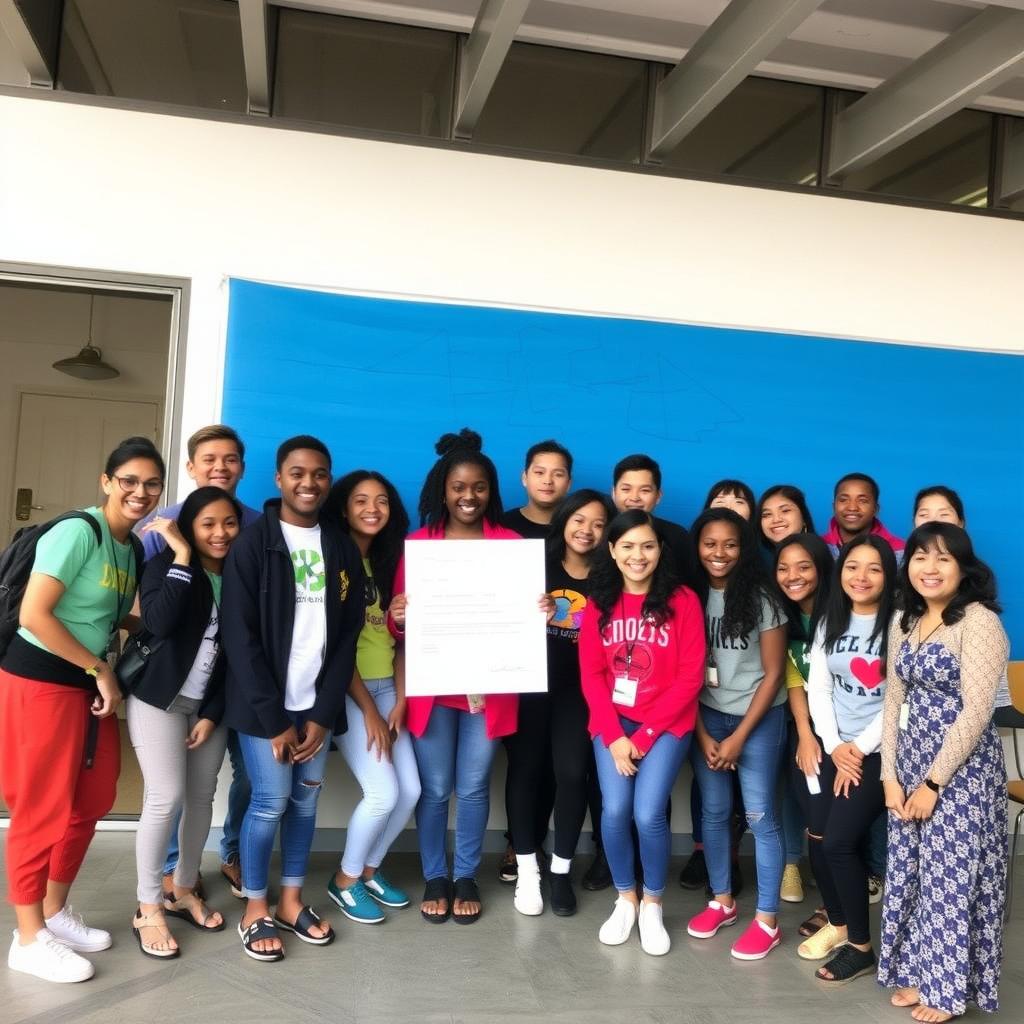
In conclusion, service learning is a powerful educational approach that benefits both students and communities. By combining academic learning with community service, students can enhance their education, develop valuable skills, and prepare for future careers. Communities, in turn, can address pressing needs, foster civic engagement, and build stronger relationships with educational institutions. Service learning is a win-win for everyone involved.
Recommended Readings:
- "The Power of Service Learning: A Guide for Educators" - A comprehensive guide to implementing service learning in the classroom.
- "Service Learning and Civic Engagement: Building Stronger Communities" - An exploration of how service learning can foster civic engagement and community development.
- "The Benefits of Service Learning: A Research-Based Approach" - A research-based examination of the benefits of service learning for students and communities.
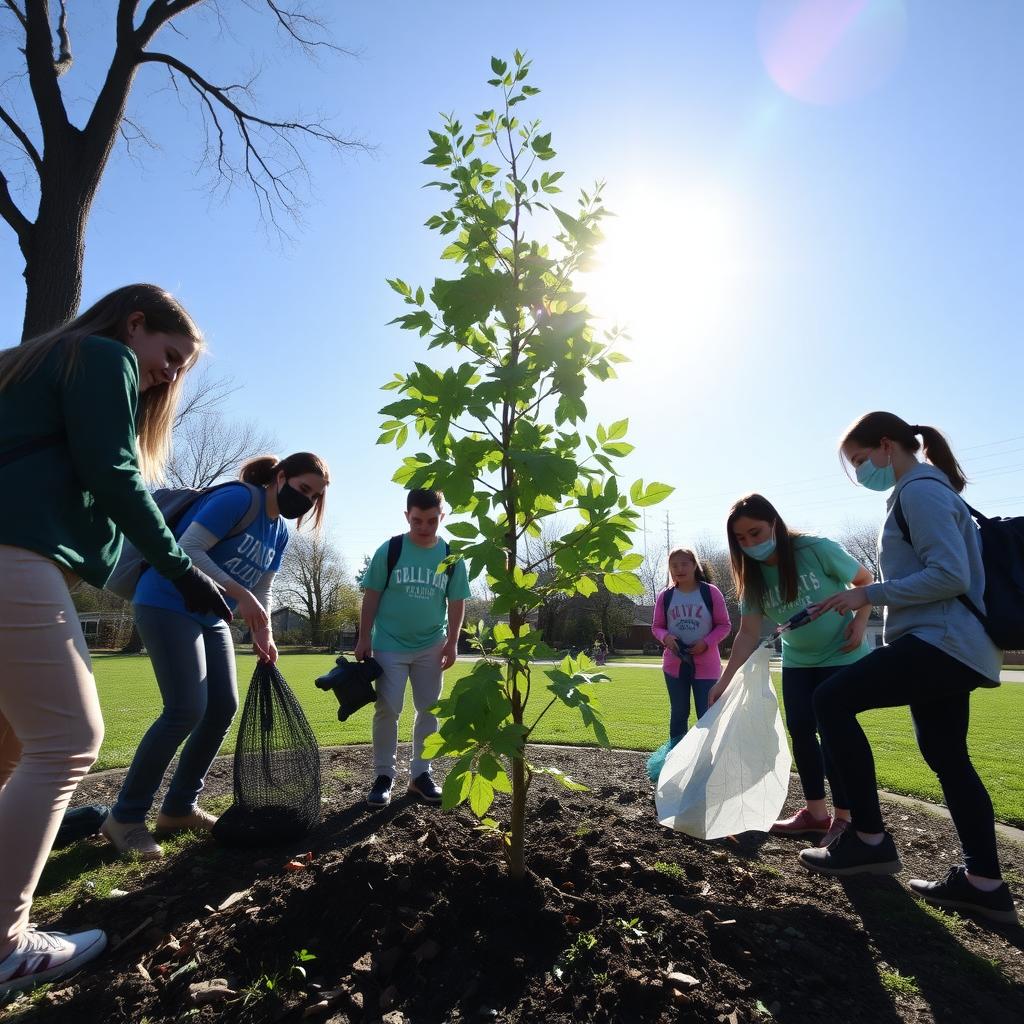
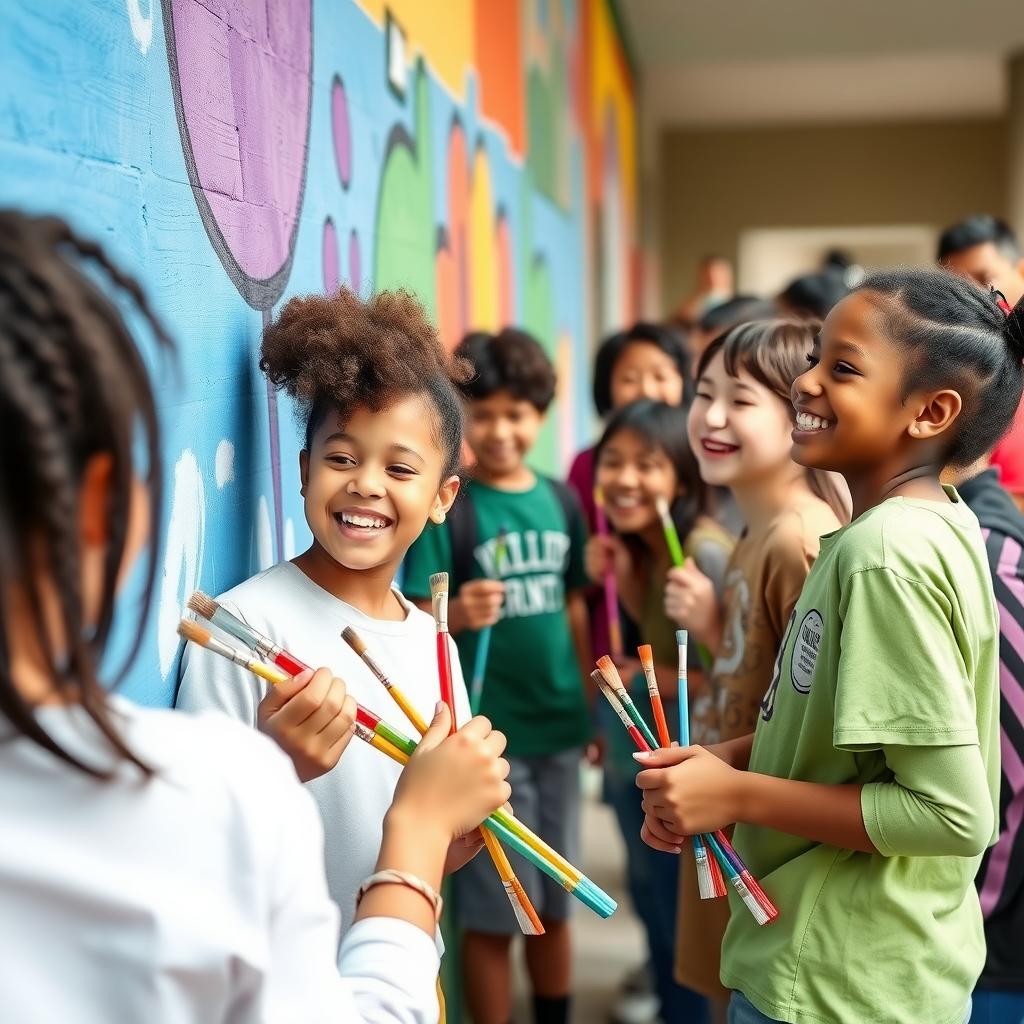
These projects not only solve immediate problems but also create lasting change. They help build a stronger, more inclusive community.
I’ve seen this firsthand. My school worked with a local shelter, and now they call us whenever they need help. It’s a partnership that keeps growing.