The Benefits of Service Learning for Students and Communities
Explore how service learning combines classroom education with meaningful community volunteer work, delivering powerful advantages for students' personal growth, academic success, and civic engagement while strengthening communities.
3 min read
Overview
Service learning blends academic study with real-world volunteer efforts. Students apply what they learn in class to help solve community problems. This approach creates lasting benefits for both young people and the places they serve. Discover why service learning stands out as a win-win for education and society.
Service learning goes beyond traditional volunteering. While anyone can volunteer time to help others, service learning ties those actions directly to classroom goals. Students reflect on their experiences, connecting theory to practice. This method boosts deeper understanding and real change.

What Is Service Learning?
Service learning is an educational approach where students engage in organized service that meets community needs. At the same time, they gain academic knowledge and skills. Unlike simple volunteer work, it includes structured reflection to enhance learning.
Research shows service learning positively affects students in many ways. It improves personal development, academic performance, and commitment to civic engagement. For example, studies from higher education institutions highlight gains in critical thinking and social responsibility.
Key Benefits for Students
Students who participate in service learning often see big improvements in their lives. Here are some of the main advantages:
-
Better Academic Performance: Students apply classroom concepts to real situations, which reinforces learning. A comprehensive study by the Higher Education Research Institute at UCLA found that service learning participants showed stronger academic outcomes compared to those in traditional courses. Read the full UCLA report on how service learning affects students.
-
Personal Growth and Self-Efficacy: Hands-on experiences build confidence. Students feel capable of making a difference. Research indicates increases in self-esteem and leadership skills.
-
Improved Social Skills: Working with diverse groups teaches empathy and communication. Students learn to understand different perspectives, reducing stereotypes.
-
Career Preparation: Real-world problem-solving hones practical skills. Many students discover career interests through these projects.
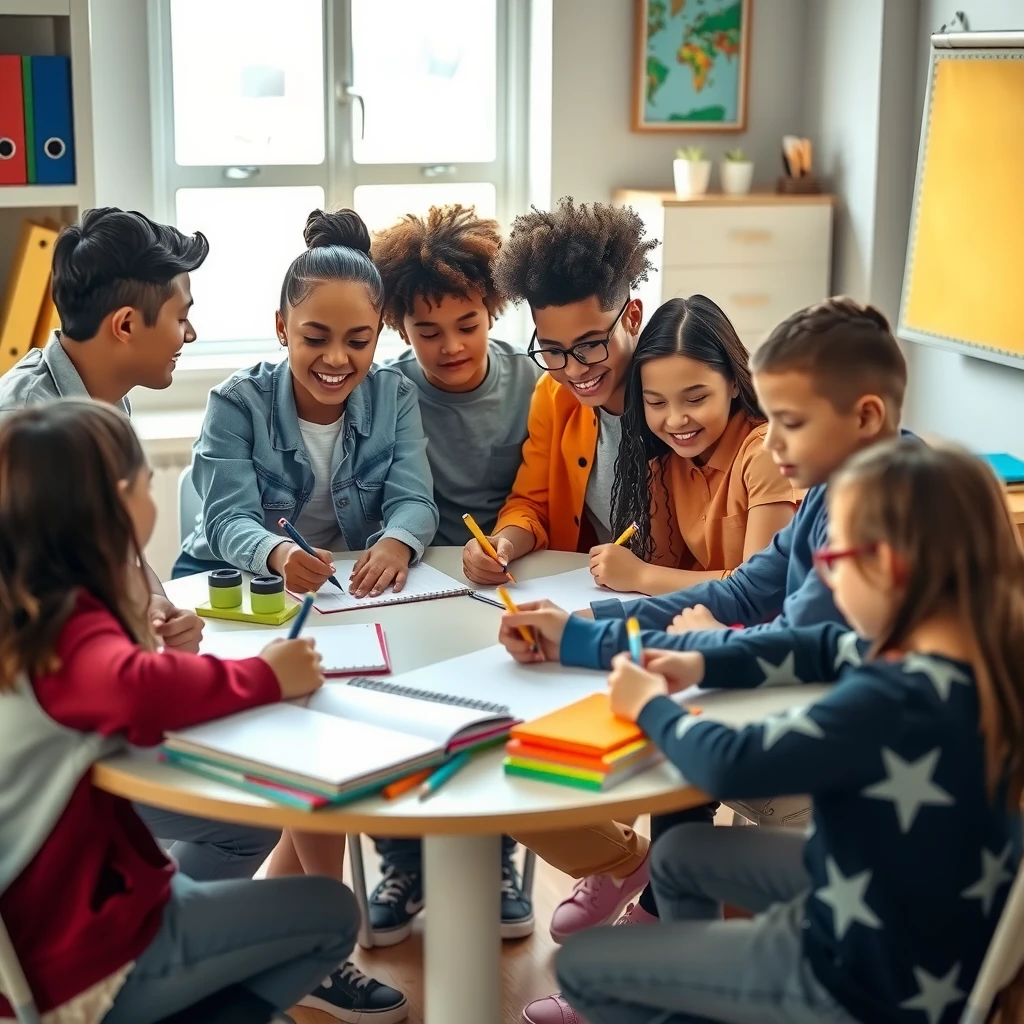
One personal insight: I once joined a service learning project tutoring kids in an after-school program. Applying teaching theories from class made abstract ideas click. It wasn't just helping others—it transformed how I viewed my own abilities.
How Service Learning Boosts Civic Engagement
Service learning and civic engagement go hand in hand. Students develop a stronger sense of responsibility toward their communities. They learn that individual actions can drive positive change.
According to Youth.gov, high-quality service learning programs promote civic knowledge and a lifelong commitment to community involvement. Explore more on service learning from Youth.gov. This fosters active citizens who vote, volunteer, and advocate for issues.
Benefits for Communities
Communities gain just as much from service learning. Students bring fresh energy, ideas, and manpower to address local needs. Projects range from environmental cleanups to health education workshops.
- Direct Support: Nonprofits and schools receive help with ongoing challenges.
- Long-Term Partnerships: Ties between educational institutions and communities strengthen.
- Youth Perspective: Students offer innovative solutions to problems.
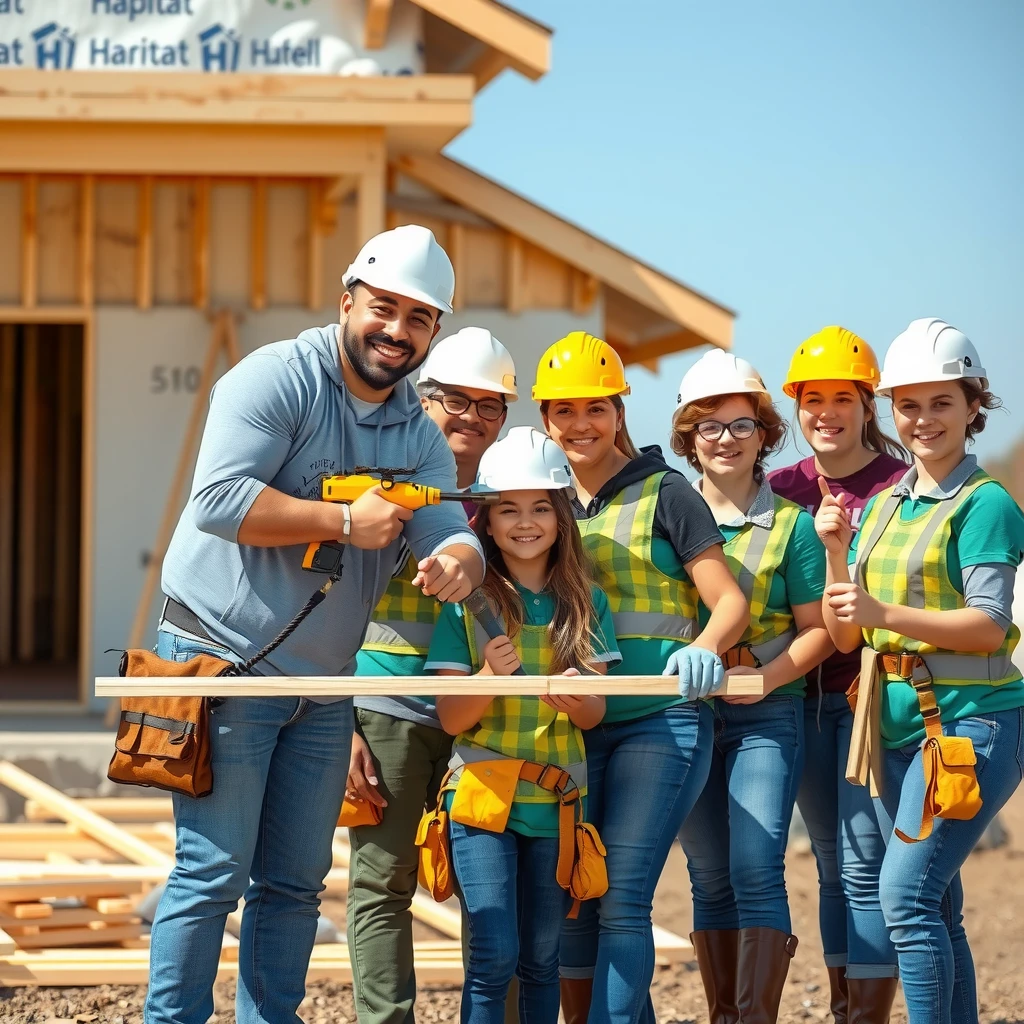
For instance, building homes with organizations like Habitat for Humanity provides affordable housing while teaching students teamwork and construction basics.
Real-World Examples of Service Learning
Many successful projects illustrate these benefits:
- Tutoring programs where college students help elementary kids improve reading skills.
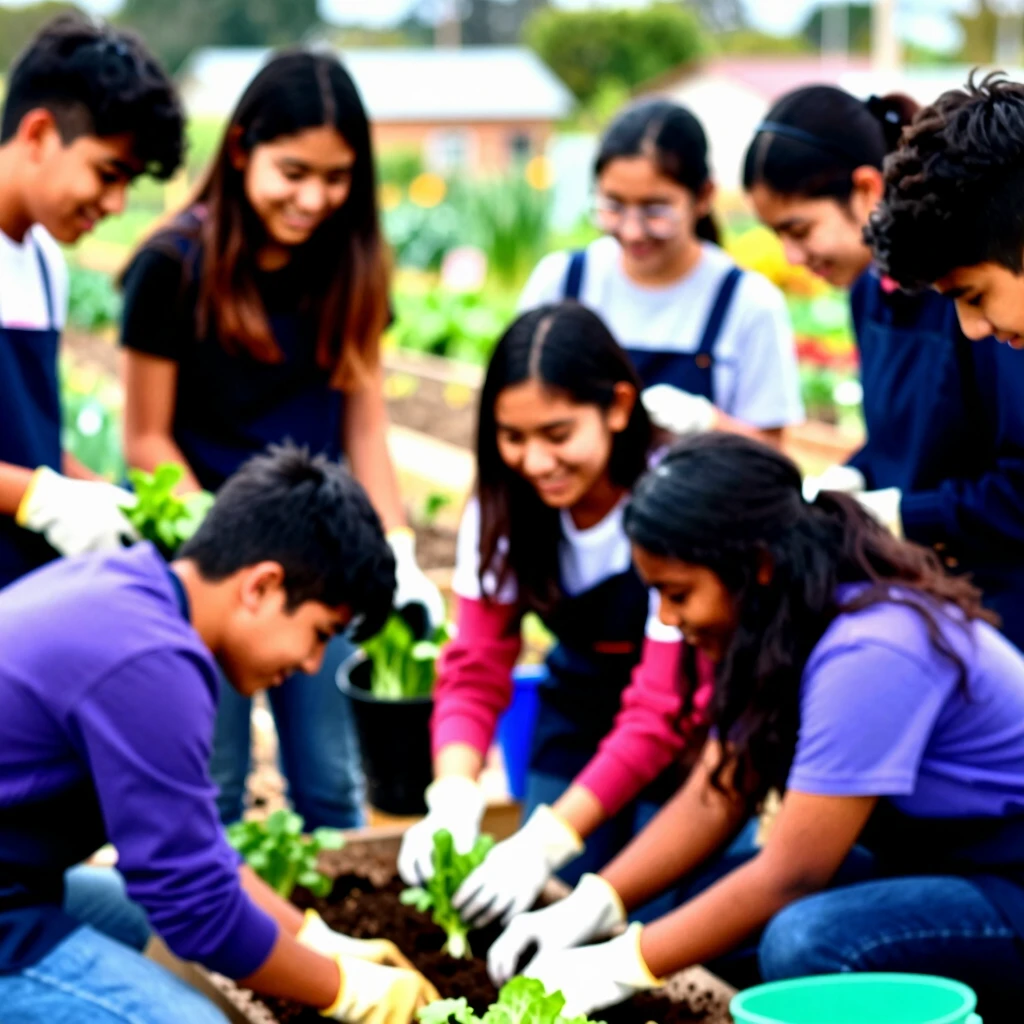
- Community gardens that teach sustainability while providing fresh produce.
- Health fairs organized by nursing students to screen for common issues.
These activities show how service learning turns volunteers into informed contributors. A study from Boise State University outlines positive effects on student engagement and community impact. View Boise State University's service learning research findings.
Challenges and How to Overcome Them
While rewarding, service learning requires planning. Common hurdles include time constraints and matching projects to curriculum. Schools can succeed by starting small and building partnerships.
Reflection is key—journals or discussions help students process experiences. This turns simple volunteer work into profound learning.
Why Service Learning Matters Today
In a divided world, service learning builds bridges. It encourages empathy across differences and prepares students for active citizenship. Communities become stronger and more resilient.
Educators and parents should advocate for more service learning opportunities. It equips young people with skills for success while making the world better.
Final Thoughts
The benefits of service learning for students and communities are clear and profound. It enhances education, fosters personal growth, and drives real community improvement. By integrating service with learning, we create engaged citizens ready to tackle tomorrow's challenges.