The Benefits of Service Learning for Students and Communities
Explore the transformative power of service learning. This guide dives into how it fosters student growth, strengthens civic engagement, and builds stronger communities through hands-on volunteering.
3 min read
A Quick Overview
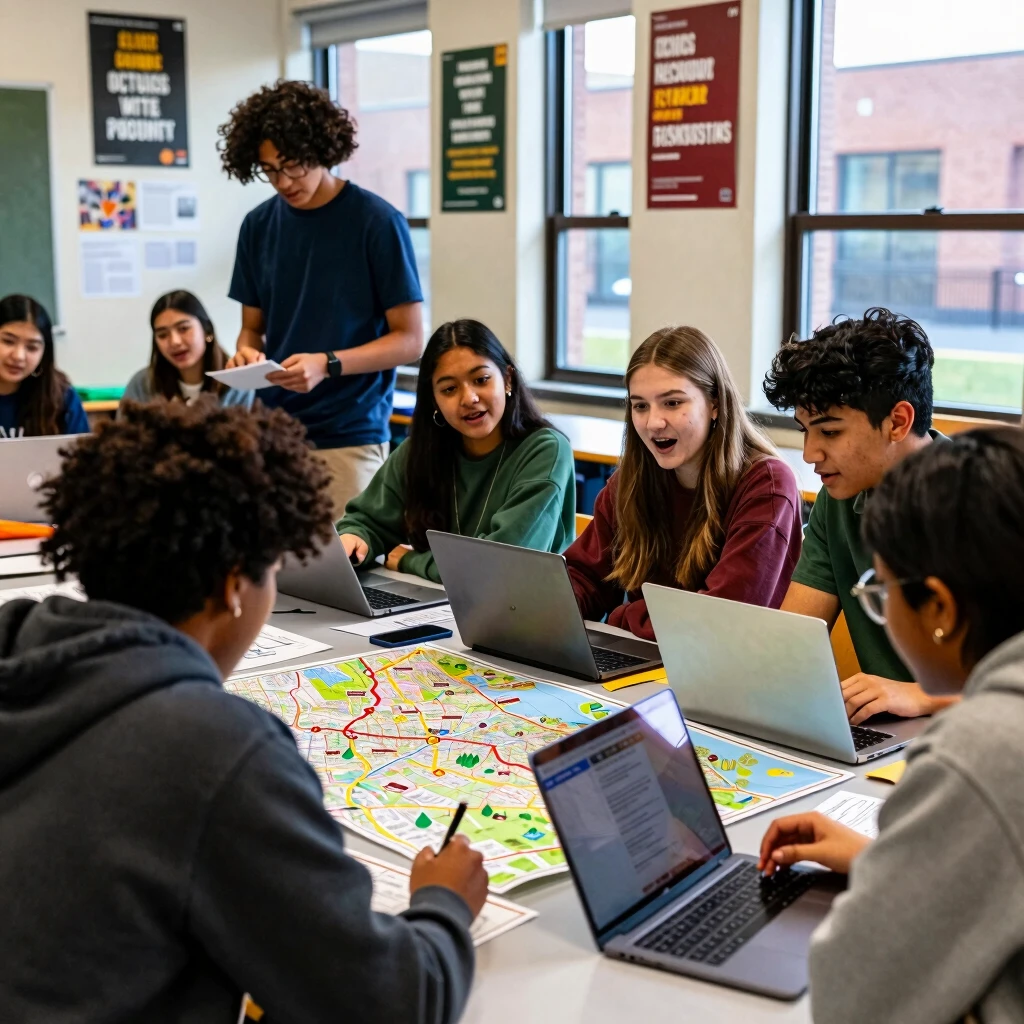
Service learning blends classroom lessons with real-world action. It lets students tackle community needs while gaining skills and insights. The benefits of service learning for students and communities are huge—from personal growth to lasting change. In about 30 words, it's a win-win that sparks engagement and impact.
What Is Service Learning?
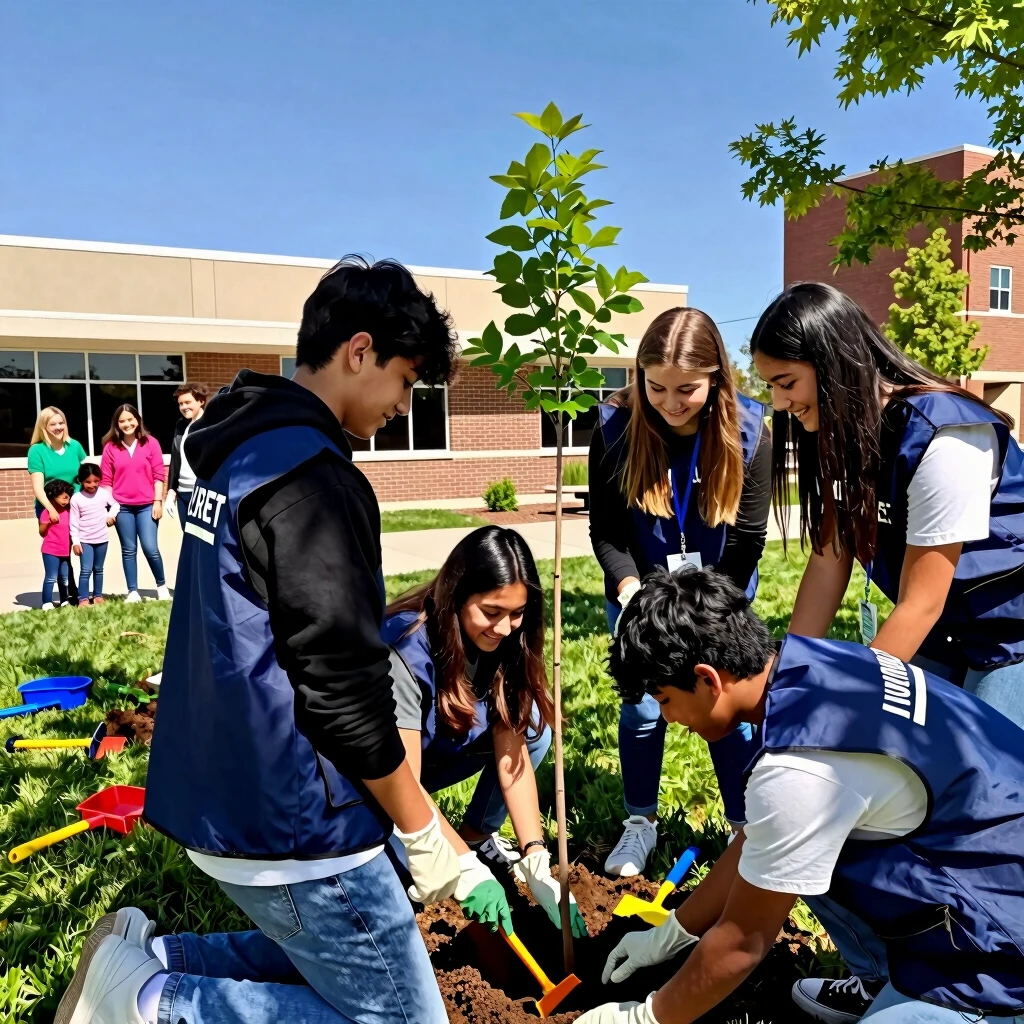
Service learning isn't just volunteering. It's a structured way to connect what you learn in school with helping others. Students pick a project, like cleaning a local river or tutoring kids. They reflect on it too, tying it back to class topics.
This approach builds service learning and civic engagement. It turns passive learning into active change. Imagine turning a history lesson on civil rights into a drive to register voters. That's the magic.
Key Benefits for Students
Students dive deep when they serve. They don't just read about problems—they solve them. This hands-on work pays off in many ways.
Personal Growth
Service learning helps students find their voice. They learn empathy by walking in others' shoes. One student I know volunteered at a food bank. She saw families struggle firsthand. That shifted her from self-focused teen to community advocate.
It boosts confidence too. Leading a group project teaches leadership without the pressure of a boardroom.
| Benefit | How It Helps |
|---|---|
| Empathy | Builds understanding of diverse lives |
| Resilience | Teaches handling setbacks in real projects |
| Purpose | Connects actions to bigger goals |
Academic Boost
Tying service to studies makes lessons stick. Research from the National Youth Leadership Council shows students in service learning programs score higher on tests. Why? They apply concepts right away.
For example, a science class might test water quality in a stream. Kids grasp pollution better than from a textbook alone. It's learning you feel.
Career Readiness
Employers love real-world skills. Service learning builds them early. Resume lines like 'Organized a community health fair for 200 people' stand out.
It sparks interests too. A student volunteering with animals might chase veterinary school. This path clarifies dreams and opens doors.

A Personal Story: My First Service Learning Dive
Let me share something real. As a college freshman, I joined a service learning trip to build homes in a rural area. We hammered nails by day and discussed poverty's roots at night.
At first, I felt out of place—city kid among pros. But swinging that hammer, chatting with locals, changed me. I saw how small acts ripple. That experience fueled my career in nonprofit work. It's proof: service learning shapes you deeply.
How Service Learning Strengthens Communities
Communities thrive when students step up. Service learning fills gaps where help is short. Volunteers tutor, garden, or advocate—making places better.
It fosters ties too. When students serve, they bridge generations. Elders share stories; youth bring fresh energy. This mix builds trust and unity.
According to the National Dropout Prevention Center, these programs cut isolation and boost local pride. Communities feel seen and supported.
- Immediate Help: Food drives ease hunger now.
- Long-Term Change: Education workshops empower families.
- Inclusivity: Projects welcome all voices, reducing divides.
Linking Service Learning and Civic Engagement
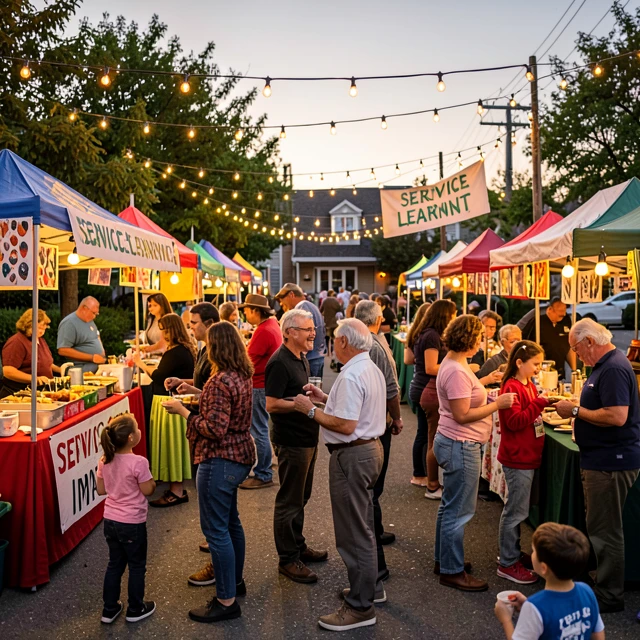
Service learning and civic engagement go hand in hand. It teaches voting, protesting, and organizing aren't abstract—they're tools for good.
Students learn to question power and seek justice. A project on homelessness might lead to policy talks. This active citizenship lasts a lifetime.
The Elmhurst University blog notes participants vote more and volunteer often. It's a cycle of giving back.
Getting Started with Service Learning
Ready to try? Start small. Talk to your school about programs. Many offer credits for service.
Pick a cause you care about—environment, education, health. Team up with friends for fun.
Reflect: Journal what you learn. Share stories to inspire others.
Resources like GivePulse guide you. Local nonprofits welcome volunteers too.
Tips for Success
- Set clear goals—what change do you want?
- Partner with community leaders for real input.
- Measure impact: Surveys show results.
- Celebrate wins, big or small.
Wrapping It Up
The benefits of service learning for students and communities shine bright. Students grow wiser, kinder, and ready. Communities heal and connect. It's more than volunteer hours—it's a path to better lives.
Dive in. Your actions matter. Start today, and watch the ripple.