Best Practices in Advocacy Volunteering: Making a Lasting Impact
Discover the best practices in advocacy volunteering to amplify your impact. Learn actionable strategies, from understanding issues to leveraging digital tools, and make a difference as a volunteer advocate.
4 min read

Overview
Advocacy volunteering is about speaking up for causes that matter. Whether you're supporting environmental protection, social justice, or community welfare, the best practices in advocacy volunteering can help you create real change. This article shares practical tips, personal insights, and strategies to make your advocacy efforts effective and rewarding.
Why Advocacy Volunteering Matters
Advocacy volunteering is more than just raising awareness—it's about driving action. As a volunteer, you amplify voices that might otherwise be ignored. I’ve seen this firsthand while volunteering for a local education initiative. Our team didn’t just share facts; we connected with policymakers and families to push for better school funding. That experience taught me advocacy is about building bridges between communities and solutions.
To succeed, you need a clear plan. The best practices in advocacy volunteering focus on preparation, collaboration, and persistence. These practices help volunteers like you make a measurable difference, whether you're advocating for policy changes or grassroots campaigns.

1. Educate Yourself Thoroughly
Knowledge is your foundation. Before advocating for any cause, dive deep into the issue. Read reports, attend webinars, and talk to affected communities. For example, when I volunteered for a clean water campaign, I studied local water quality data and spoke with residents. This helped me explain the issue clearly to others.
A great starting point is reputable sources like The National Center for Charitable Statistics, which offers data on nonprofit impact. Understanding the facts builds your credibility and ensures your advocacy is grounded in truth.
2. Set Clear, Achievable Goals
Advocacy works best when you know what you’re aiming for. Are you pushing for a new law, raising funds, or changing public opinion? Set specific, measurable goals. For instance, our education initiative aimed to get 1,000 signatures for a petition within three months. We hit that target by focusing on clear milestones.
Use this simple framework for goal-setting: - Specific: Define exactly what change you want. - Measurable: Track progress with numbers (e.g., signatures, attendees). - Achievable: Be realistic given your resources. - Relevant: Align with your cause’s mission. - Time-bound: Set a deadline to stay focused.
3. Build Strong Relationships
Advocacy thrives on collaboration. Connect with other volunteers, organizations, and community leaders. I learned this while working on a voter registration drive. By partnering with local nonprofits, we shared resources and reached more people. Relationships create a network of support, amplifying your message.
Reach out through events, social media, or platforms like VolunteerMatch, which connects volunteers with organizations. Strong relationships also open doors to partnerships with policymakers or media.
4. Use Digital Tools Effectively
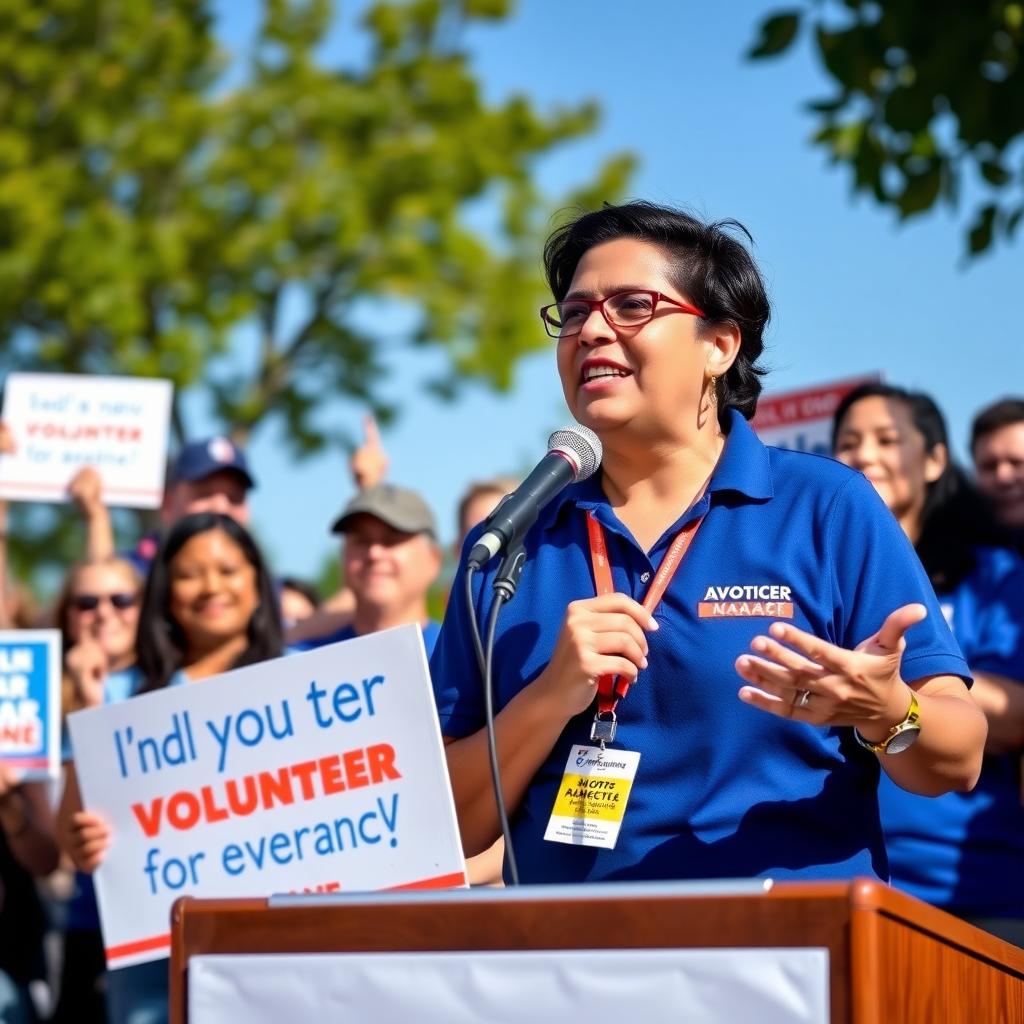
In today’s world, digital platforms are key to advocacy. Social media, email campaigns, and websites can spread your message fast. For example, during a mental health awareness campaign, our team used Instagram to share stories from affected individuals, reaching thousands in days.
Here are some digital best practices: - Social Media: Post engaging content with hashtags like #Advocacy or #Volunteer. - Email: Send clear, compelling updates to supporters. - SEO: Optimize your website with keywords like 'volunteer opportunities' to attract supporters. Learn more about SEO strategies from Google’s Search Central.
Digital tools let you reach a global audience while staying cost-effective.
5. Communicate with Clarity and Passion
Your message needs to resonate. Whether you’re writing a blog post or speaking at an event, use simple, heartfelt language. I once gave a speech at a town hall and found that sharing a personal story about why I cared about the cause connected with the audience far more than statistics alone.
Tips for effective communication: - Be Clear: Avoid complex terms; explain ideas simply. - Be Authentic: Share why the cause matters to you. - Call to Action: Always tell people how they can help, like signing a petition or donating.
6. Stay Persistent and Adaptable
Advocacy is a marathon, not a sprint. Change takes time, and setbacks are normal. During our education campaign, we faced resistance from local officials. Instead of giving up, we adjusted our approach, gathering more community support and presenting stronger data. Persistence paid off when the funding was approved.
Stay adaptable by tracking your progress and learning from feedback. Resources like The Advocacy Institute offer tools to refine your strategies.
7. Measure and Share Your Impact
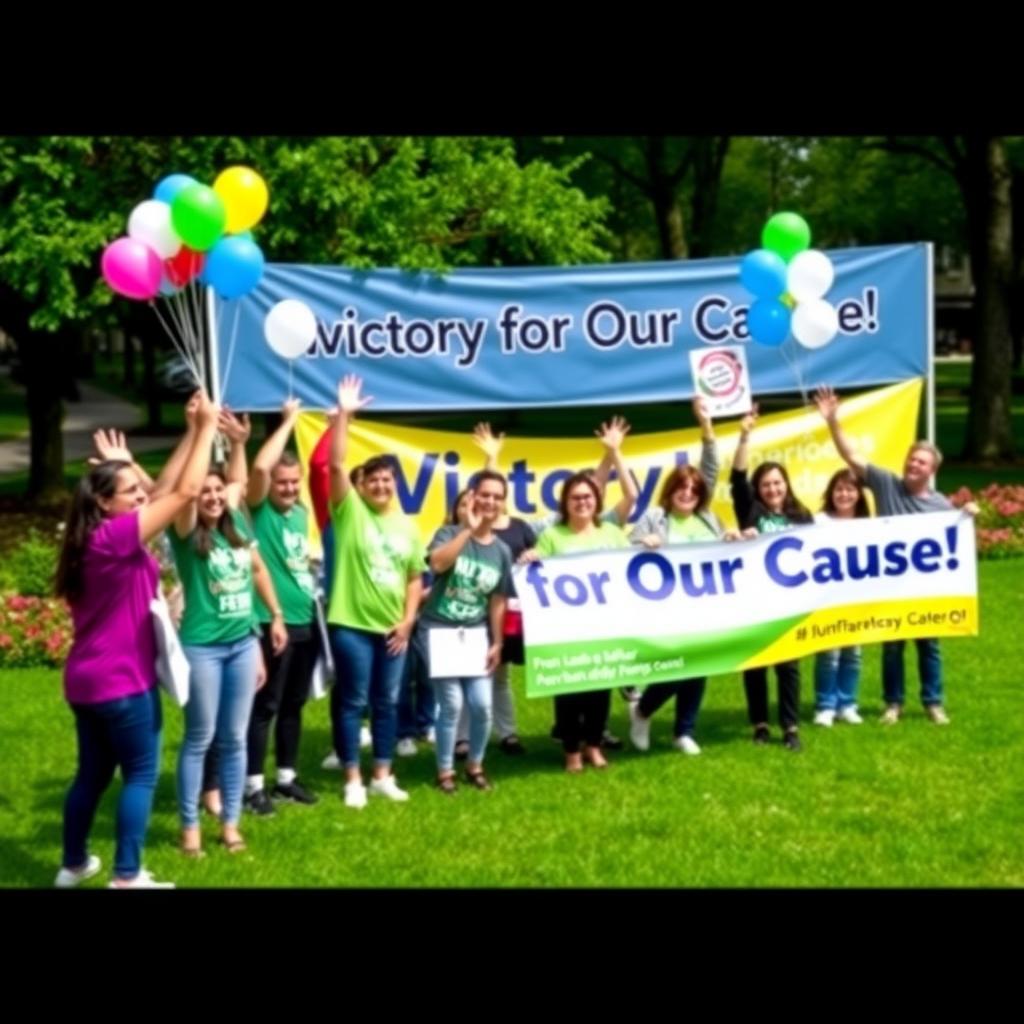
Track your results to stay motivated and show supporters your progress. For example, after our voter registration drive, we shared that we registered 500 new voters, which inspired more volunteers to join. Use tools like Google Analytics to measure website traffic or social media insights to track engagement.
Sharing impact also builds trust. Create reports or social media posts highlighting your achievements, like funds raised or policies changed.
Common Challenges and How to Overcome Them
Advocacy volunteering isn’t always easy. Here are common hurdles and solutions:
| Challenge | Solution |
|---|---|
| Limited Resources | Focus on low-cost tools like social media or free platforms like Google Business Profile. |
| Burnout | Set realistic goals and take breaks to recharge. |
| Lack of Engagement | Use storytelling to connect emotionally with your audience. |
| Policy Resistance | Build coalitions with other groups to strengthen your voice. |
Summary
Advocacy volunteering is a powerful way to drive change. By following the best practices in advocacy volunteering—educating yourself, setting goals, building relationships, using digital tools, communicating clearly, staying persistent, and measuring impact—you can make a lasting difference. Start small, stay committed, and watch your efforts grow into meaningful change.