How to Make a Difference Through Environmental Advocacy: A Practical Guide
Discover practical steps to make a real impact with environmental advocacy. Learn best practices in advocacy volunteering, effective strategies, and how everyday people can drive positive change for our planet.
3 min read
Overview
Environmental challenges like climate change, pollution, and habitat loss affect us all. But you can play a key role in solving them. This guide shows you exactly how to make a difference through environmental advocacy. Whether you have five minutes or five hours a week, real actions add up to big results. Let's explore practical ways to get involved and create lasting change.
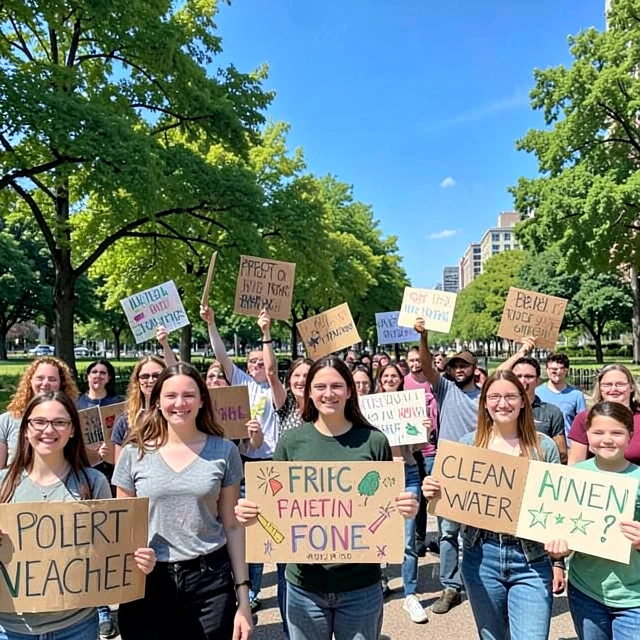
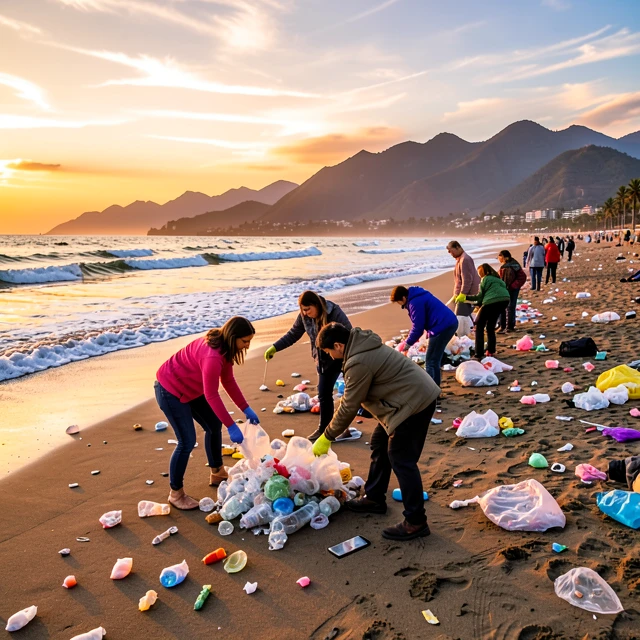
I remember my first advocacy effort. I joined a local cleanup and felt overwhelmed by the trash volume. Yet seeing the river sparkle afterward showed me one person's effort multiplies when combined with others. Advocacy means speaking up and taking action for the environment. It includes volunteering, educating others, and pushing for policy changes.
Why Environmental Advocacy Matters Now
Our planet faces urgent threats. Rising temperatures, plastic in oceans, and species extinction demand attention. Advocacy bridges awareness and action. When people like you get involved, governments and companies listen.
Studies from organizations such as the IPCC highlight that collective action drives faster progress than individual efforts alone. Your voice counts.
Advocacy volunteering offers flexible ways to contribute. You do not need expert knowledge to start. Passion and willingness to learn matter most.
Getting Started with Environmental Advocacy
Begin small to build confidence. Here are simple first steps:
- Learn the issues: Read reliable sources about local environmental problems.
- Find your cause: Choose what connects with you personally — forests, oceans, clean air, or wildlife.
- Connect with others: Join local groups or online communities focused on advocacy.
Many organizations welcome new volunteers with open arms. Start by attending a meeting or event. You will meet like-minded people and discover opportunities quickly.
Personal insight: My friend Sarah started with weekly beach cleanups. Within a year, she helped organize a city-wide campaign that led to new recycling policies. Small steps lead to big wins.
Best Practices in Advocacy Volunteering
Successful advocates follow proven approaches. Here are key best practices in advocacy volunteering:
- Be consistent — Regular small actions create stronger impact than occasional big efforts.
- Build relationships — Connect with community leaders, businesses, and policymakers.
- Use storytelling — Share personal stories to make complex issues relatable.
- Stay informed — Follow science-based updates and adapt your methods.
- Collaborate — Partner with established groups to amplify your voice.
Effective advocacy combines education, direct action, and policy pressure.
Volunteering in advocacy roles can include letter-writing campaigns, tree-planting days, or educational workshops. Choose activities that fit your schedule and skills.
Practical Ways to Take Action
Everyday Advocacy
- Reduce your own footprint and share tips with friends and family.
- Post about environmental wins on social media with clear calls to action.
- Contact elected officials about key bills using simple templates from advocacy groups.
Community-Level Impact
Organize or join local events. Host a neighborhood cleanup, start a school club, or create a community garden. These hands-on activities engage more people and produce visible results.
Policy and Systemic Change
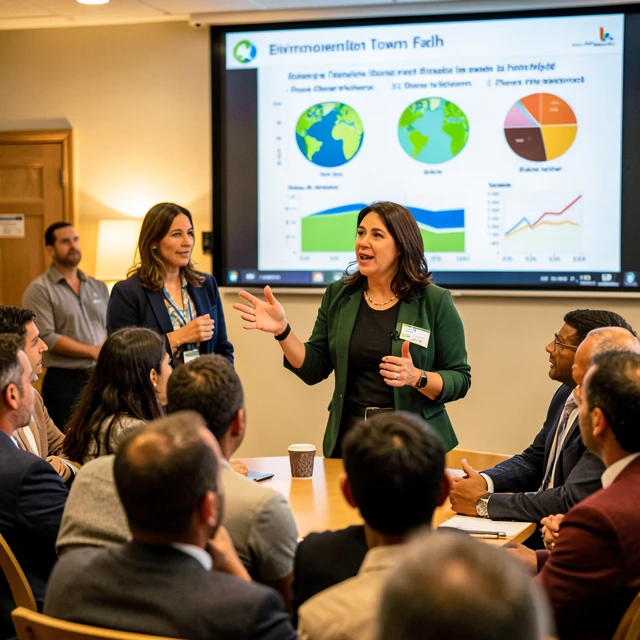
Advocacy often means influencing laws. Sign petitions, attend public hearings, or support candidates with strong environmental platforms. Data shows that persistent citizen pressure has led to major laws like the Clean Air Act.
Here is a quick comparison of advocacy approaches:
| Approach | Time Commitment | Impact Level | Best For |
|---|---|---|---|
| Individual actions | Low | Medium | Beginners |
| Local volunteering | Medium | High | Community builders |
| Policy advocacy | High | Very High | Experienced advocates |
Overcoming Common Challenges
Many people hesitate because they feel their efforts are too small. Remember: every major environmental success started with individuals who decided to act.
Time constraints? Choose micro-actions like five-minute phone calls to representatives. Lack of confidence? Partner with experienced volunteers who can guide you. Burnout? Balance advocacy with self-care and celebrate small victories.
Authentic experiences show that mixing different activities keeps motivation high. One month you might volunteer at a restoration project. The next, you could write letters supporting stronger protections.
Measuring Your Impact
Track progress to stay motivated. Count trees planted, pounds of trash collected, or signatures gathered. Many groups provide impact reports that show collective results. Seeing numbers grow inspires continued effort.
Summary
How to make a difference through environmental advocacy starts with a single step. Combine passion with best practices in advocacy volunteering, connect with others, and stay consistent. Your actions as an advocate and volunteer matter more than you might think. The planet needs engaged citizens now more than ever. Start today and inspire others to join you.