How to Make a Difference Through Environmental Advocacy
Learn how to make a difference through environmental advocacy with practical steps, best practices, and personal insights. This guide offers actionable tips for volunteering, advocating, and driving change for a sustainable future.
4 min read
Overview
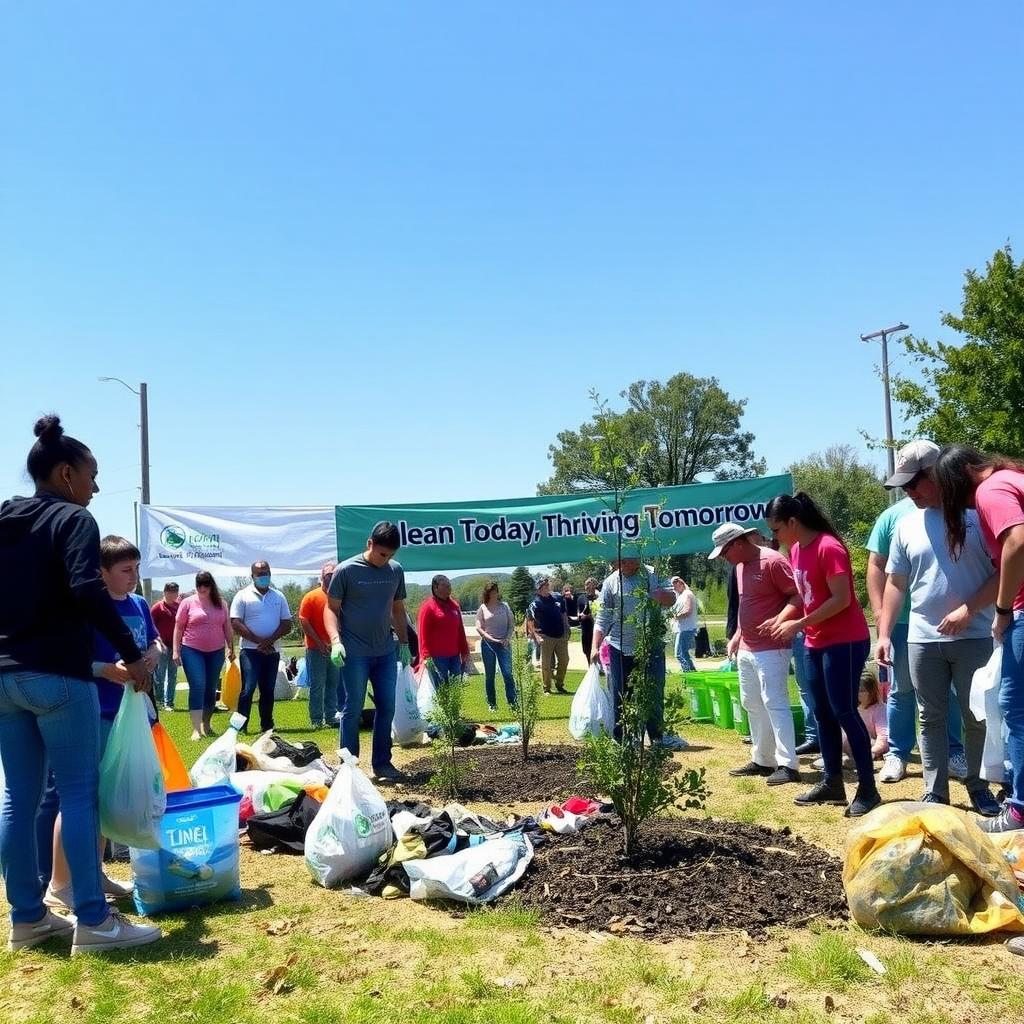
Environmental advocacy is about taking action to protect our planet. Whether you're volunteering, spreading awareness, or influencing policy, your efforts can create lasting change. This guide shares practical steps, personal insights, and best practices in advocacy volunteering to help you make a difference.
Why Environmental Advocacy Matters
Our planet faces challenges like climate change, deforestation, and pollution. Advocacy gives you a voice to push for solutions. It’s not just about protests—it’s about building community, educating others, and influencing laws. When I first started advocating, I felt overwhelmed by the scale of the issues. But I learned that even small actions, like organizing a local cleanup, can ripple outward.
According to the United Nations Environment Programme, collective action is key to addressing global environmental crises. Advocacy amplifies individual efforts, turning personal passion into systemic change. By volunteering or speaking up, you’re part of a larger movement.

Getting Started with Environmental Advocacy
Starting as an advocate can feel daunting, but it’s easier than you think. Here are some actionable steps to begin:
- Find Your Passion: Focus on an issue that resonates with you, like clean water or renewable energy. I started with local river cleanups because I loved kayaking and hated seeing trash in the water.
- Educate Yourself: Learn about your chosen issue. Resources like the EPA’s Climate Change page offer clear, science-based information.
- Join a Group: Local organizations or national groups like the Sierra Club connect you with like-minded people. I joined a local green council, which gave me a sense of community and purpose.
Volunteering is a great entry point. Look for opportunities like tree-planting events or community recycling drives. These hands-on activities build skills and confidence while making a tangible impact.
Best Practices in Advocacy Volunteering
To maximize your impact, follow these best practices in advocacy volunteering:
| Practice | Description |
|---|---|
| Stay Informed | Keep up with environmental news and policies to speak confidently. |
| Be Respectful | Engage with others politely, even when opinions differ. |
| Collaborate | Work with diverse groups to amplify your message. |
| Take Initiative | Start your own project, like a neighborhood compost program. |
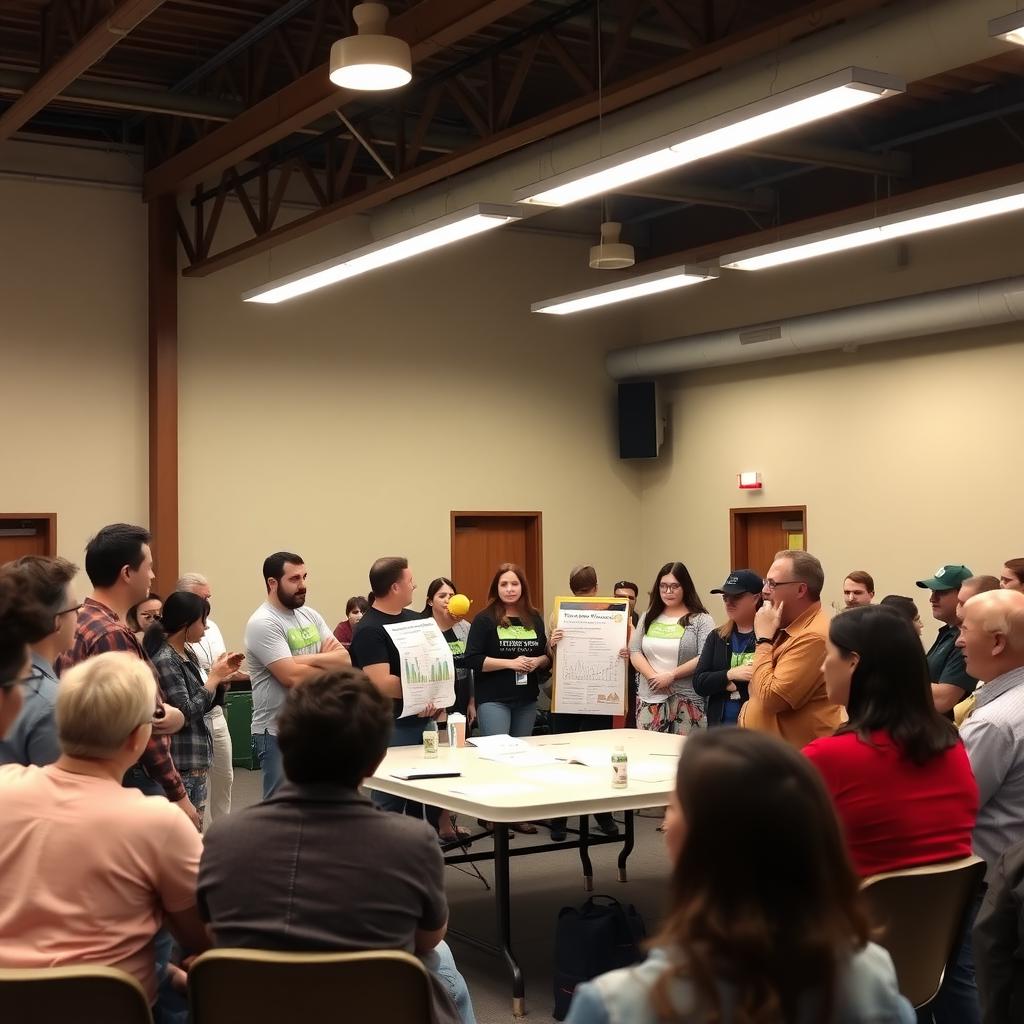
I’ve found that listening to others’ perspectives, especially those who disagree, helps refine my approach. Once, during a town hall, I calmly explained the benefits of solar energy to a skeptic. That conversation led to them supporting a local clean energy initiative.
Building Advocacy Skills
Advocacy isn’t just about passion—it’s about skills. Here’s how to develop them:
- Communication: Practice clear, concise messaging. When I started, I stumbled through presentations. Now, I use simple stories to connect with people.
- Networking: Connect with activists, policymakers, and scientists. I met a local biologist who taught me about wetland restoration, which shaped my advocacy.
- Policy Knowledge: Understand local and national environmental laws. The World Resources Institute offers great insights on global policies.
These skills help you influence decision-makers. For example, I wrote a letter to my city council about expanding bike lanes. They responded, and now we have two new lanes in my neighborhood.
Overcoming Challenges in Advocacy
Advocacy can be tough. You might face apathy, burnout, or opposition. Here’s how to stay resilient:
- Manage Burnout: Take breaks and celebrate small wins. After a long campaign, I treat myself to a hike—it recharges me.
- Handle Opposition: Stay calm and use facts. I once debated a developer about a park project. Citing data from the National Park Service about green spaces and health swayed the room.
- Stay Positive: Focus on progress, not perfection. Every step forward counts.
Using Technology and Social Media
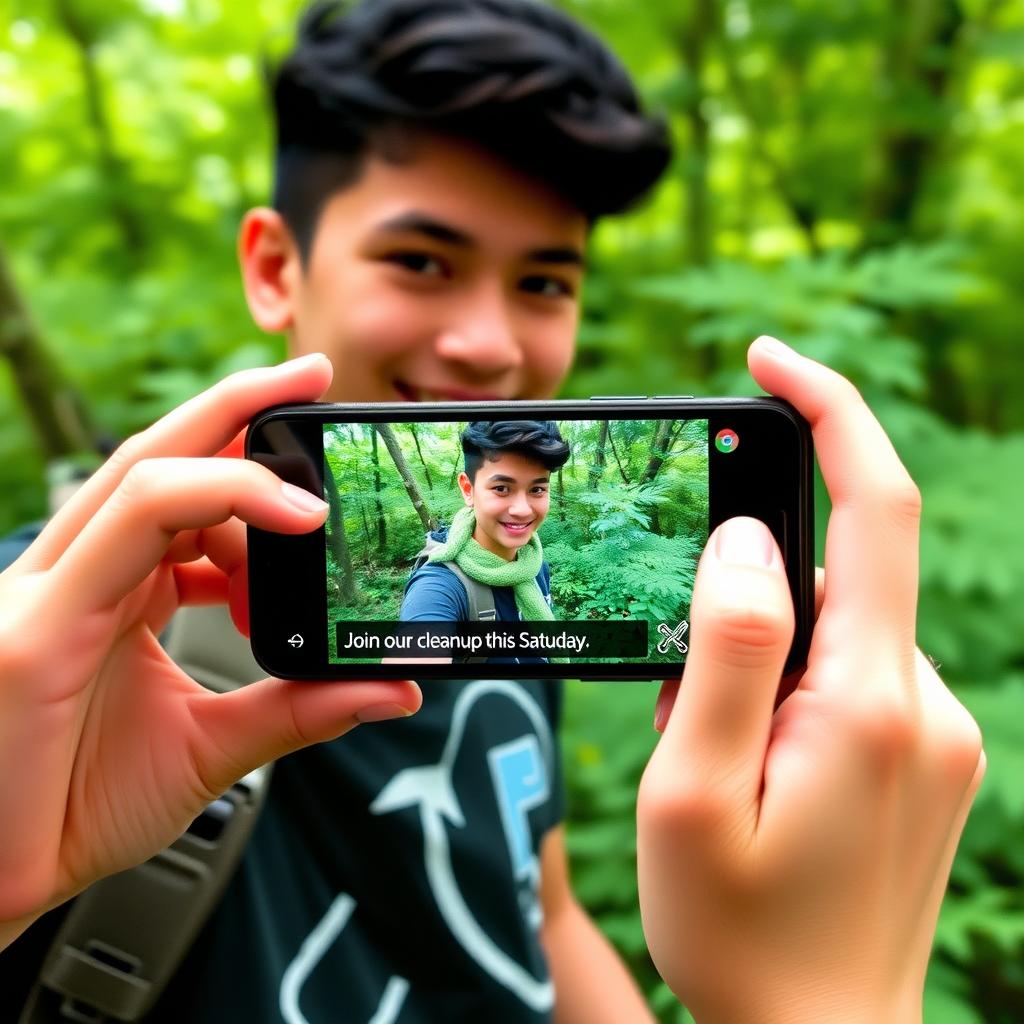
Technology can boost your advocacy. Share your message on platforms like X to reach a wider audience. I post about local cleanups, which has inspired friends to join. Create petitions on sites like Change.org or use apps to track your carbon footprint. These tools make advocacy accessible and impactful.
Measuring Your Impact
It’s easy to feel like your efforts aren’t enough, but small actions add up. Track your impact to stay motivated:
- Quantify Results: Count the trees you plant or the pounds of trash you collect. My last cleanup removed 200 pounds of litter!
- Engage Others: Measure how many people you inspire to act. After one talk, 10 people signed up for my group.
- Policy Changes: Note any laws or initiatives you influence. Even a single letter can contribute to change.
Summary
Environmental advocacy is a powerful way to protect our planet. By volunteering, building skills, and using tools like social media, you can drive change. Start small, stay informed, and connect with others. Your actions, no matter how small, contribute to a sustainable future. Keep learning, stay resilient, and make a difference.