Best Practices in Advocacy Volunteering: Making a Real Impact
Discover the best practices in advocacy volunteering to create meaningful change. This comprehensive guide offers actionable tips, personal insights, and strategies to maximize your impact as a volunteer advocate, from preparation to collaboration.
4 min read
Overview
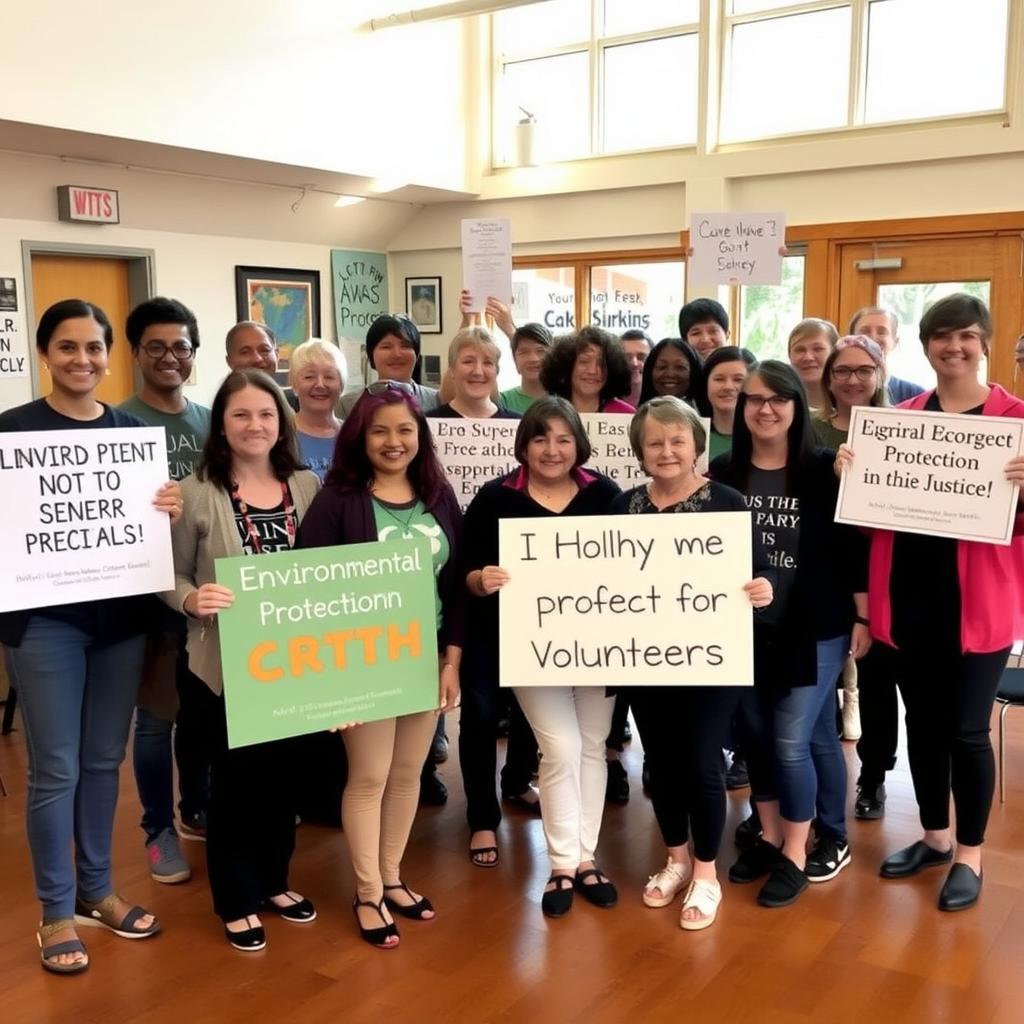
Advocacy volunteering is a powerful way to drive change, amplify voices, and support causes you care about. Whether you're advocating for environmental protection, social justice, or healthcare reform, mastering the best practices in advocacy volunteering ensures your efforts make a lasting impact. This guide shares practical strategies, personal insights, and proven tips to help you succeed as a volunteer advocate.
Understanding Advocacy Volunteering
Advocacy volunteering involves speaking up for a cause, influencing decisions, and raising awareness to create systemic change. Unlike traditional volunteering, advocacy focuses on policy, community engagement, and public education. It’s about empowering others, not just providing direct services. For example, while a soup kitchen volunteer serves meals, an advocacy volunteer might campaign for policies to address hunger’s root causes.
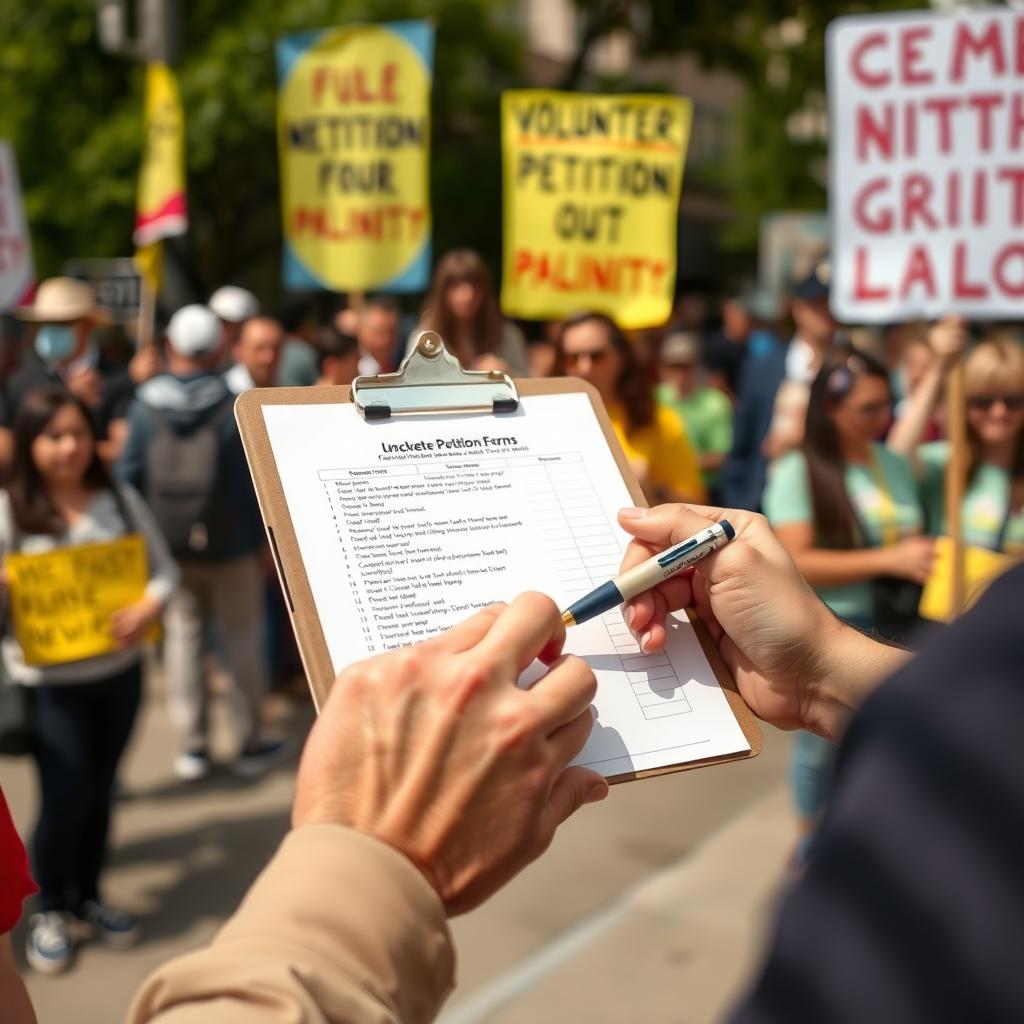
My first experience as an advocacy volunteer was with a local environmental group. I joined a campaign to protect a nearby river from industrial pollution. It wasn’t just about cleanups; we met with policymakers, organized community petitions, and educated residents. That taught me advocacy requires passion, strategy, and persistence.

Best Practices in Advocacy Volunteering
To excel as an advocacy volunteer, follow these evidence-based practices. They’re drawn from expert recommendations and my own experiences in the field.
1. Educate Yourself on the Cause
Knowledge is your foundation. Before advocating, deeply understand the issue. Research its history, key stakeholders, and current challenges. For instance, if you’re advocating for climate action, learn about local policies, scientific data, and affected communities. The Union of Concerned Scientists offers a toolkit to guide advocates in building expertise.
When I started advocating for affordable housing, I spent weeks reading reports and attending community forums. This helped me speak confidently when meeting with city officials. Without that preparation, my voice wouldn’t have carried the same weight.
2. Set Clear Goals
Effective advocacy starts with specific, measurable goals. Are you aiming to change a law, raise awareness, or secure funding? Define what success looks like. For example, a goal might be to collect 1,000 petition signatures in three months. Clear goals keep your efforts focused and measurable.
3. Build Strong Relationships
Advocacy thrives on collaboration. Connect with other volunteers, organizations, and community members. Attend events, join coalitions, and listen to diverse perspectives. The American Psychological Association emphasizes that coalitions amplify impact by pooling resources and expertise.
In my river campaign, partnering with local schools and businesses strengthened our message. We weren’t just a small group—we became a community movement. Relationships built trust and opened doors to decision-makers.

4. Communicate Effectively
Your message must be clear and compelling. Tailor it to your audience—policymakers, the public, or media. Use stories to humanize the issue. For example, sharing a single mother’s struggle with housing costs can resonate more than statistics alone. Practice active listening to understand others’ concerns and respond thoughtfully.
I once shared a personal story about a neighbor’s health struggles due to pollution at a public hearing. It moved the audience more than any data I presented. Stories stick.
5. Leverage Digital Tools
Social media and online platforms are powerful for advocacy. Share updates, create petitions, or host virtual events. Tools like Canva or Hootsuite can help you craft professional visuals and schedule posts. The Nonprofit Technology Network highlights how digital tools expand reach and engagement.
During our campaign, we used X to share real-time updates and rally support. A single post about a polluted river site got shared 500 times, drawing new volunteers. Digital tools can amplify your voice exponentially.
6. Stay Ethical and Respectful
Advocacy should always be ethical. Avoid misinformation, respect opposing views, and focus on solutions. Missteps can harm your cause’s credibility. For example, exaggerating data might grab attention but risks losing trust. The National Council of Nonprofits offers guidance on ethical advocacy practices.
7. Measure and Reflect
Track your progress to stay motivated and improve. Did you meet your petition goal? How many people attended your event? Reflect on what worked and what didn’t. After my housing campaign, we reviewed our outreach strategies and realized in-person events outperformed online ads. This shaped our next steps.
Common Challenges and How to Overcome Them
Advocacy volunteering isn’t always smooth. Here are common hurdles and solutions:
| Challenge | Solution |
|---|---|
| Burnout | Set boundaries, take breaks, and share tasks with teammates. |
| Limited Resources | Partner with organizations for funding or in-kind support. |
| Resistance from Decision-Makers | Build relationships and present data-driven arguments. |
| Low Community Engagement | Use storytelling and local events to spark interest. |
I faced burnout during a long campaign. By delegating tasks and taking weekends off, I stayed energized. Don’t underestimate self-care—it’s critical for long-term impact.
Tips for Sustaining Your Advocacy
- Stay Inspired: Revisit your ‘why.’ For me, seeing a cleaner river kept me going.
- Learn Continuously: Attend workshops or webinars to sharpen your skills.
- Celebrate Wins: Even small victories, like a successful event, fuel momentum.
- Mentor Others: Share your knowledge to grow the advocacy community.
Summary
Advocacy volunteering is about creating lasting change through knowledge, collaboration, and persistence. By following best practices in advocacy volunteering—educating yourself, setting goals, building relationships, and using digital tools—you can make a real difference. Stay ethical, reflect on your progress, and keep learning to sustain your impact.