Best Practices in Advocacy Volunteering: Your Guide to Making a Real Difference
Unlock the power of advocacy volunteering with proven best practices. This guide shares actionable tips, personal stories, and strategies to help you advocate effectively as a volunteer and drive meaningful change in your community.
4 min read
Overview
Advocacy volunteering lets you fight for causes you care about, from climate action to social justice. It builds skills, connects people, and sparks change. In this guide, we explore best practices in advocacy volunteering that make your efforts count. Whether you're new or seasoned, these tips will boost your impact.
What Is Advocacy Volunteering?
Advocacy volunteering means using your voice to push for policy changes or awareness on key issues. You might write letters to lawmakers, organize events, or rally community support. It's not just about showing up—it's about strategic action that influences decisions.
I remember my first advocacy volunteer gig. I joined a local group fighting for affordable housing. At first, I felt overwhelmed. But learning the ropes turned nerves into confidence. Today, thousands more families have stable homes because volunteers like us spoke up.
Why Advocacy Volunteering Matters
This work shapes our world. Volunteers drive 80% of nonprofit efforts, according to experts. Your time amplifies voices that might otherwise go unheard. It fosters empathy and community ties.
Think about it: one conversation with a policymaker can shift votes. I've witnessed a single volunteer campaign block harmful zoning laws, saving green spaces. That's the ripple effect of dedicated advocacy.
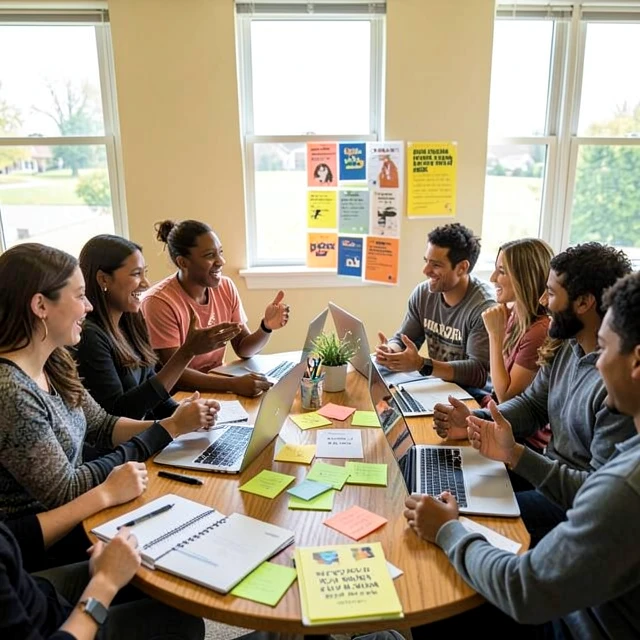
Best Practice 1: Prepare Thoroughly Before You Act
Preparation sets strong advocates apart. Start by researching your issue deeply. Know the facts, stats, and stories that back your cause. This builds credibility.
For recruitment and training, follow clear steps. Define roles upfront so volunteers know what to expect. Offer sessions on key skills like public speaking or data handling.
The University of San Diego's guide on volunteer management outlines smart ways to match skills to tasks. It stresses flexible schedules to keep everyone involved. In my experience, prepped teams handle surprises better—like last-minute policy hearings.
Here's a quick checklist for prep:
- Research the issue: Gather data from reliable sources.
- Set personal goals: What change do you aim for?
- Build your toolkit: Learn tools like email templates or petition software.
- Connect with allies: Join networks for support.
Best Practice 2: Build Genuine Relationships
Advocacy thrives on connections. Reach out to officials, staffers, and fellow volunteers. Treat every chat as a two-way street—listen as much as you speak.
Schedule meetings early. Keep them short and focused: 20-30 minutes max. Share personal stories to make your points stick.
The National Low Income Housing Coalition's tips on advocacy meetings recommend clear asks, like 'Support this bill for better housing access.' Follow up with thanks and next steps. I once turned a skeptical council member into a champion by inviting her to a community tour. Relationships turn skeptics into supporters.
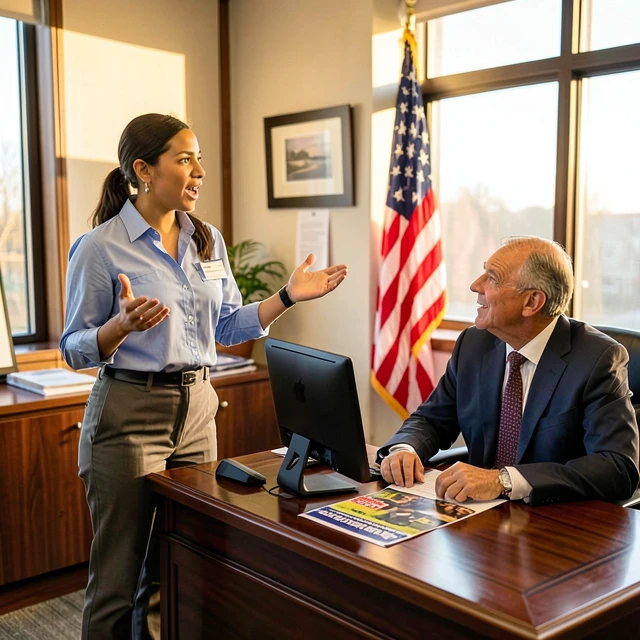
Best Practice 3: Master Communication and Storytelling
Words matter in advocacy. Use simple, vivid language to paint pictures. Stories beat stats every time—they tug at hearts.
Craft messages that tie your cause to the listener's values. For emails or calls, keep it concise: introduce, explain, ask.
Practice active listening in group settings. It builds trust. During a volunteer drive I led, sharing a resident's eviction story swayed donors. Focus on solutions, not just problems, to inspire action.
| Communication Tip | Why It Works | Example |
|---|---|---|
| Use personal stories | Builds emotional connection | 'My neighbor lost her home—let's prevent that.' |
| Ask open questions | Encourages dialogue | 'What concerns you about this policy?' |
| Follow up promptly | Shows commitment | Send a thank-you note within 24 hours |
| Tailor to audience | Increases relevance | Link climate action to local jobs for businesses |
Best Practice 4: Prioritize Self-Care and Team Support
Burnout sneaks up on passionate volunteers. Schedule breaks and celebrate wins, big or small.
Mentor newcomers to share the load. The RESULTS organization's guide to supporting new advocates suggests quick check-ins and easy first actions, like a simple call to Congress.
I've learned to set boundaries. After a grueling campaign, I took a week off to recharge. It made me sharper for the next push. Encourage peer support groups— they turn solo efforts into a movement.
- Daily habit: Journal your wins to track progress.
- Weekly ritual: Team huddles for shout-outs.
- Monthly reset: Step back and reflect on goals.
Best Practice 5: Measure Impact and Keep Learning
Track your efforts to see what's working. Use simple metrics: calls made, meetings held, policies influenced.
Gather feedback regularly. Adjust based on what you learn. Continuous training keeps skills sharp.
In one project, we logged petition signatures and saw a 30% response rate from officials. That data fueled our next strategy. Stay curious—read reports, attend webinars. Growth turns good volunteers into great advocates.
Common Challenges and Solutions
Every volunteer faces hurdles. Here's how to tackle them:
- Time constraints: Solution: Batch tasks and delegate.
- Rejection from officials: Solution: View it as data—refine your pitch.
- Motivation dips: Solution: Pair with a buddy for accountability.
- Resource limits: Solution: Leverage free tools like Google Workspace.
| Challenge | Quick Fix | Long-Term Strategy |
|---|---|---|
| Overwhelm | Prioritize top tasks | Build a support network |
| Skill gaps | Watch quick tutorials | Enroll in free online courses |
| Isolation | Join virtual meetups | Host local events |
Wrapping It Up
Best practices in advocacy volunteering boil down to preparation, connection, clear communication, self-care, and learning. Apply these, and you'll not only sustain your efforts but multiply your impact. Remember, every voice counts—yours included. Start small today, and watch change unfold. Keep advocating, keep volunteering, keep inspiring.