Best Practices in Advocacy Volunteering: A Comprehensive Guide
Discover the best practices in advocacy volunteering to make a meaningful impact. Learn from expert insights, personal experiences, and actionable tips to enhance your advocacy efforts.
3 min read
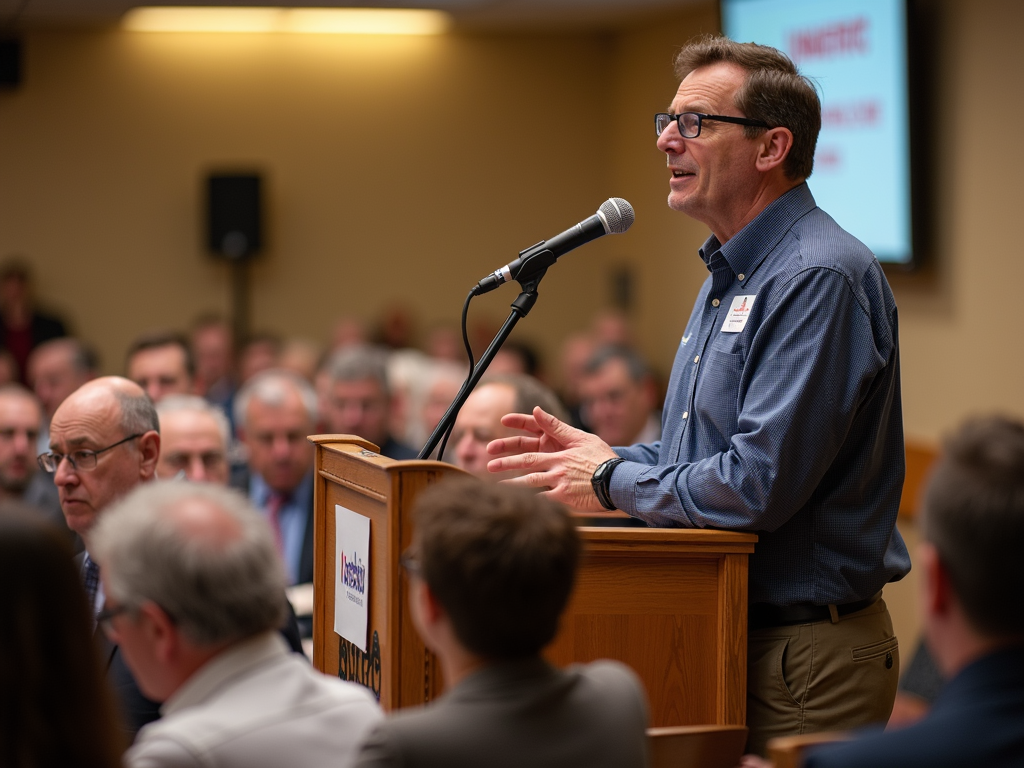
Advocacy volunteering is a powerful way to influence public policy, raise awareness about critical issues, and drive social change. Whether you’re passionate about environmental conservation, human rights, or community development, advocacy volunteers play a crucial role in shaping public opinion and influencing decision-makers. This guide explores the best practices in advocacy volunteering, offering actionable insights and personal experiences to help you make a difference.
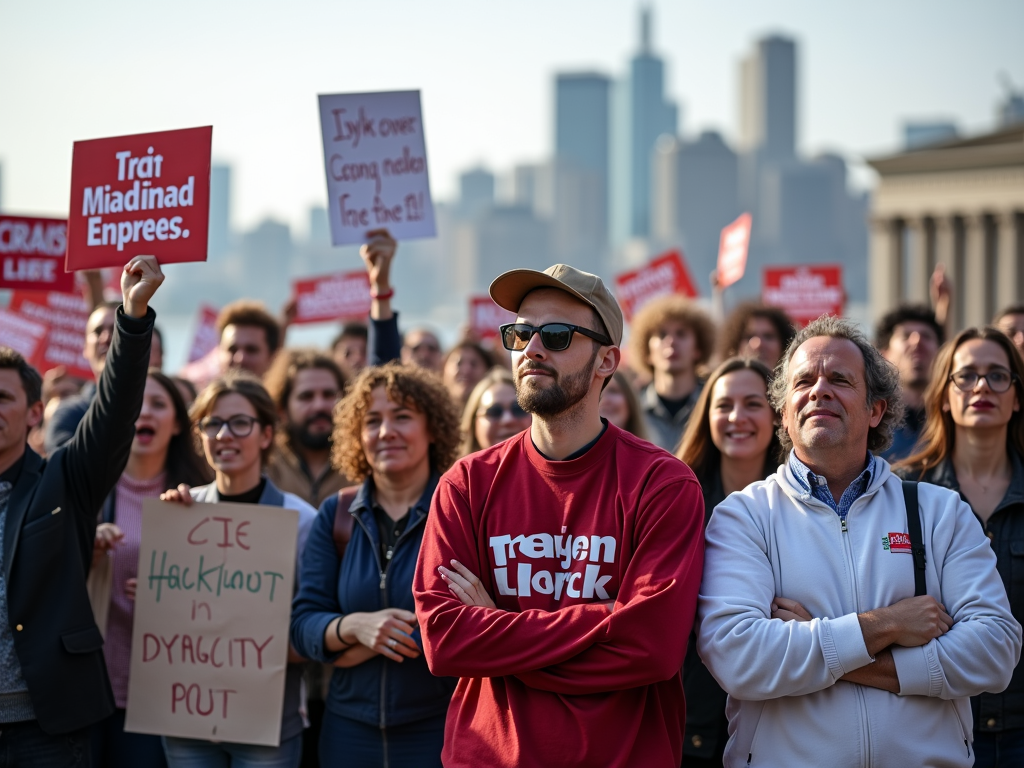
What Is Advocacy Volunteering?
Advocacy volunteering means working to change laws, policies, or social issues that matter to you. It’s different from other volunteering because it focuses on fixing big problems at their source, not just helping out day-to-day. Volunteers might lobby leaders, speak at events, or spread the word online.
I’ve been an advocacy volunteer myself, and it’s exciting to see how small actions can lead to big results. You’re not just helping—you’re pushing for a better future.
Why It’s Important
Advocacy volunteering gives a voice to people who need it most. It’s about making sure leaders hear what’s important and act on it. Volunteers can:
- Change laws to improve lives.
- Get people talking about big issues.
- Bring communities together for a cause.
When I started volunteering for cleaner rivers in my town, I saw firsthand how our work got people and businesses to care. It wasn’t easy, but it showed me how much advocacy matters.

Top Best Practices in Advocacy Volunteering
To make a real impact, you need a plan. Here are the best practices in advocacy volunteering that I’ve learned from experience and research.
1. Do Your Homework
Before you start, know your issue inside and out. This means:
- Learn the Facts: Look up data and talk to people who know the topic.
- Find Key Players: Figure out who makes decisions and who can help you.
- Know the Rules: Understand laws or policies tied to your cause.
When I worked on a campaign for better air quality, I dug into pollution stats and local rules. That prep made our arguments stronger when we met with city officials.
2. Connect with People
Advocacy isn’t just about ideas—it’s about relationships. Build trust with:
- Leaders: Meet with officials or influencers to share your message.
- Groups: Team up with others who care about the same thing.
- Community: Listen to the people you’re helping and include their stories.
One time, our team linked up with a bigger group fighting for the same cause. Their support gave us more reach and made our work hit harder.

3. Use Online Tools
Social media can take your advocacy far. Here’s how to use it:
- Share Stories: Post updates and facts to get people interested.
- Ask for Action: Tell followers to sign up, show up, or speak up.
- Talk Back: Answer questions and keep the conversation going.
During a campaign to cut plastic use, we posted a video that got shared hundreds of times. It brought in new volunteers and got local stores to listen.
4. Team Up for Strength
Working with others can make your advocacy stronger. Try:
- Joining Forces: Partner with groups that have similar goals.
- Sharing Resources: Use each other’s skills and tools.
- Speaking Together: A united voice gets heard louder.
Partnering with a local charity once turned our small effort into a city-wide push. It showed me how teamwork can multiply results.
5. Check Your Progress
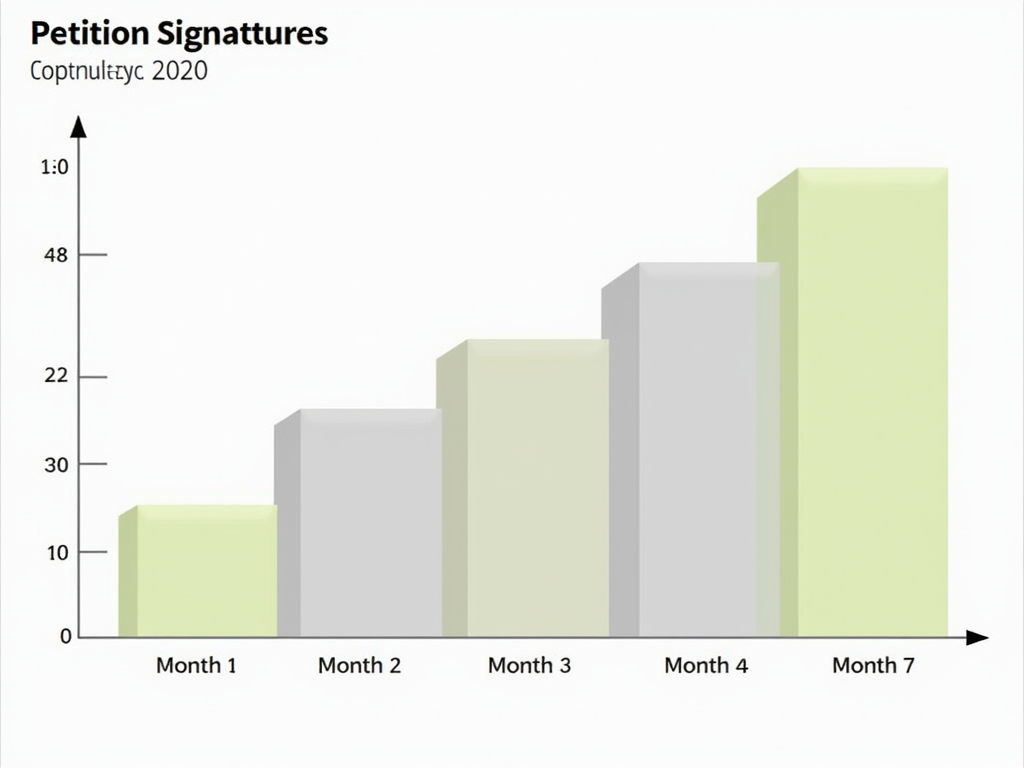
You need to know if your work is paying off. Do this by:
- Setting Targets: Decide what success looks like—maybe 1,000 signatures or a new rule.
- Tracking Numbers: Count things like attendees or shares.
- Making Changes: If something’s not working, try a new idea.
Once, we noticed our emails weren’t getting replies. We switched to short videos instead, and people started responding fast.
Facing Tough Moments
Advocacy volunteering can be hard. Here are some common struggles and how to handle them:
| Challenge | Solution |
|---|---|
| Feeling Worn Out | Take breaks and ask for help |
| Few Resources | Find free tools or partners |
| Pushback | Listen, adjust, and keep going |
I hit a wall once when people didn’t support our idea. Instead of quitting, we asked why and found a way to work together. It turned doubters into helpers.

Wrapping Up
Advocacy volunteering lets you change the world, one step at a time. By researching well, connecting with others, using online tools, teaming up, and tracking your work, you can make a big difference. It’s not always easy, but it’s worth it. Stick with it, stay flexible, and you’ll see results.
If you’re ready to volunteer, start small and build up. Your voice can move mountains.