How to Blend Advocacy with Volunteering: Insights from the National Council of Nonprofits
Discover how to combine advocacy with volunteer work to amplify your impact, inspired by the National Council of Nonprofits. Learn the mental health benefits of volunteering, its role in personal growth, and practical steps to merge advocacy with service for meaningful change.
5 min read
Overview
Volunteering is more than just giving time—it’s a powerful way to create change, grow personally, and advocate for causes you care about. By blending advocacy with volunteer work, as emphasized by the National Council of Nonprofits, you can amplify your impact. This article explores how combining advocacy with volunteer work fosters personal growth, boosts mental health, and strengthens communities, with actionable steps to get started.
Why Blend Advocacy and Volunteering?
The National Council of Nonprofits highlights that advocacy and volunteering are two sides of the same coin—both aim to improve lives and strengthen communities. Volunteering provides hands-on support, while advocacy amplifies those efforts by influencing policies and systems. Together, they create a ripple effect of change. For example, volunteering at a food bank helps feed families, while advocating for better nutrition programs ensures long-term solutions.
This combination is powerful because it addresses immediate needs and systemic issues. The National Council of Nonprofits emphasizes that advocacy is a form of volunteerism itself, requiring no prior expertise—just a willingness to speak up. Whether you’re writing to lawmakers or sharing stories to raise awareness, advocacy extends the reach of your volunteer efforts.

The Mental Health Benefits of Volunteer Work
Volunteering doesn’t just help others—it’s good for you, too. Research shows that giving time to a cause can reduce stress, combat depression, and boost happiness. According to a study by the National Alliance on Mental Illness, volunteering activates the brain’s reward center, releasing feel-good hormones like serotonin and dopamine. This can lead to improved mood and emotional resilience.
When you volunteer, you connect with others, reducing feelings of loneliness. For example, helping at a local animal shelter not only supports the animals but also builds bonds with fellow volunteers. These social connections are vital for mental health, especially for older adults or those working from home, where isolation can creep in. The National Council of Nonprofits notes that volunteers often report a sense of purpose, which further enhances well-being.
The Power of Volunteering: A Path to Self-Discovery
Volunteering is a journey of self-discovery. The Power of Volunteering: A Path to Self-Discovery lies in how it challenges you to step outside your comfort zone. Whether you’re mentoring a student or cleaning up a park, you learn about your strengths, values, and passions. I once volunteered at a literacy program and discovered a knack for teaching I didn’t know I had. That experience shaped my career path and gave me confidence.
The National Council of Nonprofits encourages volunteers to reflect on their experiences to uncover what drives them. This self-awareness can guide your advocacy efforts. For instance, if you find joy in helping children read, you might advocate for better funding for public libraries. Volunteering helps you identify causes that resonate, making your advocacy more authentic and impactful.

The Impact of Volunteer Work on Personal Growth
The Impact of Volunteer Work on Personal Growth is profound. Volunteering builds skills like communication, teamwork, and leadership. It also fosters empathy and a deeper understanding of community needs. For example, serving on a nonprofit board, as suggested by the National Council of Nonprofits, teaches you strategic planning and decision-making, skills that translate to professional and personal life.
Volunteering also stretches you emotionally. Helping others through tough situations—like supporting families at a shelter—can make you more resilient and compassionate. These experiences shape your worldview, making you a more effective advocate. When you’ve seen the challenges firsthand, your voice carries weight when pushing for policy changes.
Practical Steps to Combine Advocacy and Volunteering
Ready to blend advocacy with volunteer work? Here’s how to get started, inspired by the National Council of Nonprofits:
Step 1: Find a Cause You Care About
Choose a cause that sparks your passion. Love animals? Volunteer at a shelter and advocate for stronger animal welfare laws. Care about education? Tutor kids and push for equitable school funding. Use platforms like VolunteerMatch to find opportunities that align with your values.
Step 2: Start Small
You don’t need to overhaul the system overnight. Begin with small volunteer tasks, like helping at a community event, and pair them with simple advocacy actions, like signing a petition. The National Council of Nonprofits suggests that even a quick email to a local official can make a difference.
Step 3: Learn the Issues
To advocate effectively, understand the root causes of the issues you’re addressing. For example, if you volunteer at a food bank, research why food insecurity persists in your area. The National Council of Nonprofits offers resources on their website to help you learn about nonprofit advocacy and policy issues.
Step 4: Amplify Voices
Advocacy is about lifting up others’ stories. As a volunteer, you’re in a unique position to hear from those directly affected by an issue. Share their experiences (with permission) through letters, social media, or meetings with policymakers. This humanizes the cause and makes your advocacy compelling.
Step 5: Join Forces
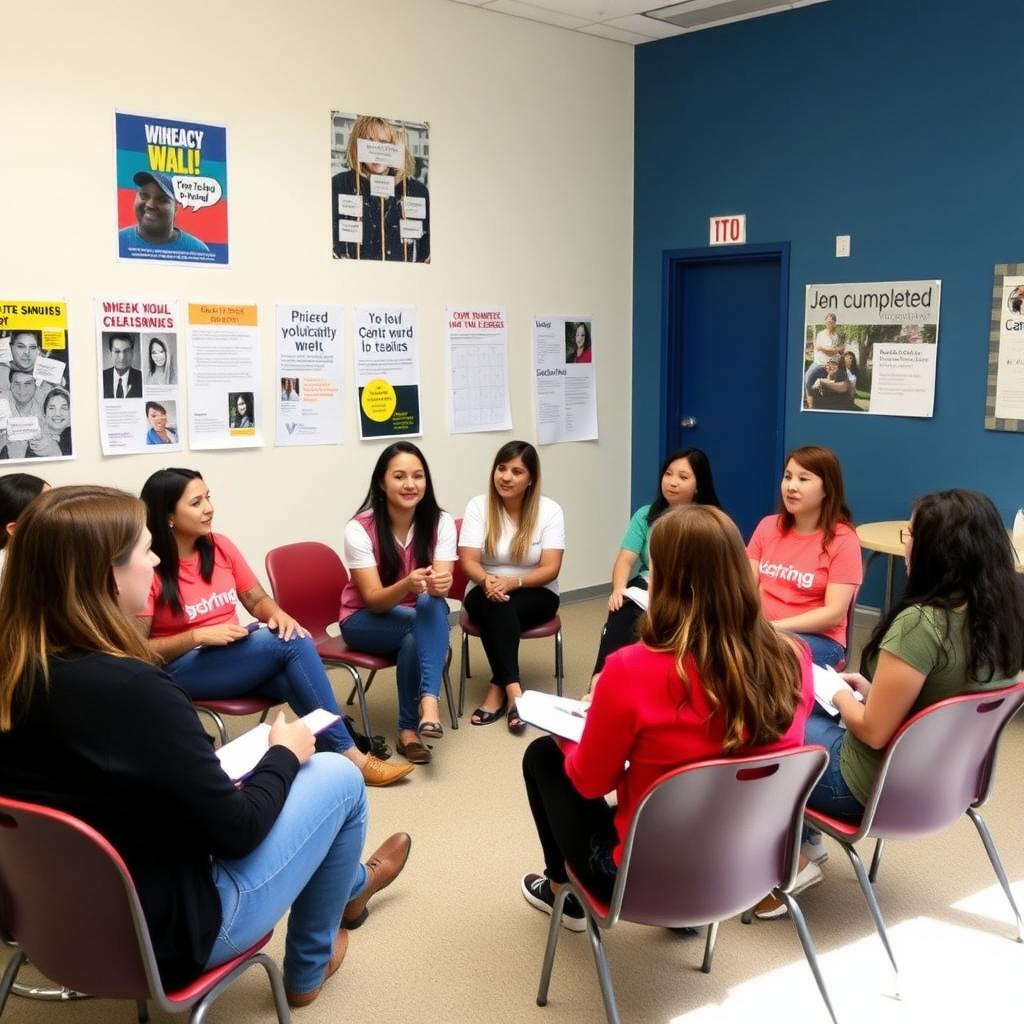
Team up with others to amplify your impact. Many nonprofits, including those supported by the National Council of Nonprofits, host advocacy training or community events. Joining these efforts connects you with like-minded volunteers and strengthens your voice.
Overcoming Challenges
Blending advocacy and volunteering isn’t always easy. Time constraints and lack of experience can feel like barriers. But the National Council of Nonprofits reminds us that advocacy doesn’t require expertise—just passion and a willingness to learn. Start with small actions, like sharing a nonprofit’s social media post, and build from there. Flexible volunteer opportunities, like virtual roles, can fit busy schedules.
Another challenge is burnout. Balancing volunteering and advocacy can be intense, especially if you’re deeply invested. Set boundaries, like committing to a few hours a week, and prioritize self-care. The mental health benefits of volunteer work—like reduced stress—kick in when you find a sustainable rhythm.
Real-World Impact
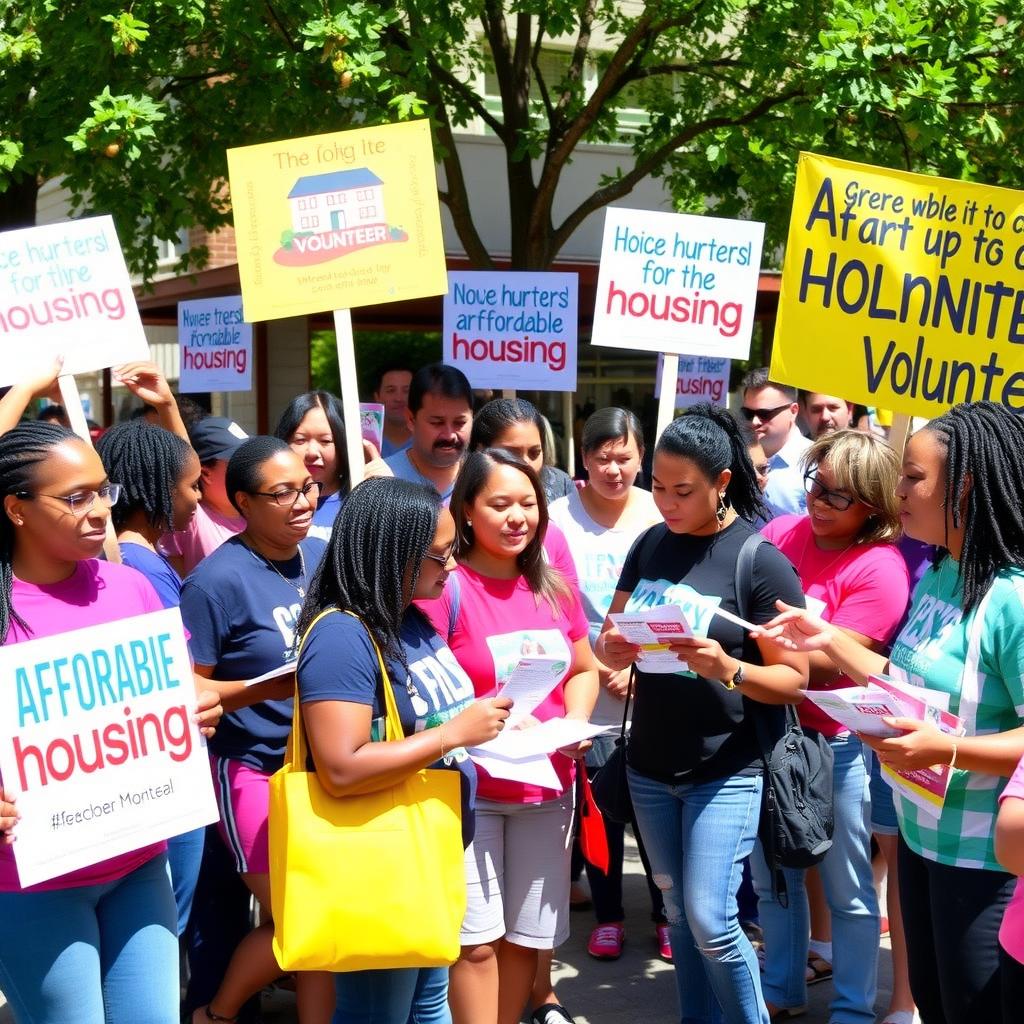
Consider the story of a volunteer I met at a local nonprofit. She started by serving meals at a homeless shelter and noticed the lack of affordable housing. Inspired, she began advocating for policy changes by writing to city officials and joining community rallies. Her efforts helped secure funding for a new housing program. This shows how combining advocacy with volunteer work can create lasting change.
Summary
Blending advocacy with volunteering, as championed by the National Council of Nonprofits, is a powerful way to make a difference. It boosts your mental health, fuels personal growth, and amplifies your impact on the community. By starting small, learning the issues, and amplifying voices, you can create meaningful change. Take the first step today—find a cause, volunteer, and let your voice be heard.