Building Bridges: Coalition-Building in Advocacy
Discover the power of coalition-building in advocacy. This comprehensive guide explores strategies for uniting diverse groups, fostering collaboration, and amplifying impact. Learn practical tips for creating effective advocacy programs for volunteers and driving meaningful change.
4 min read
Overview: Uniting for Change
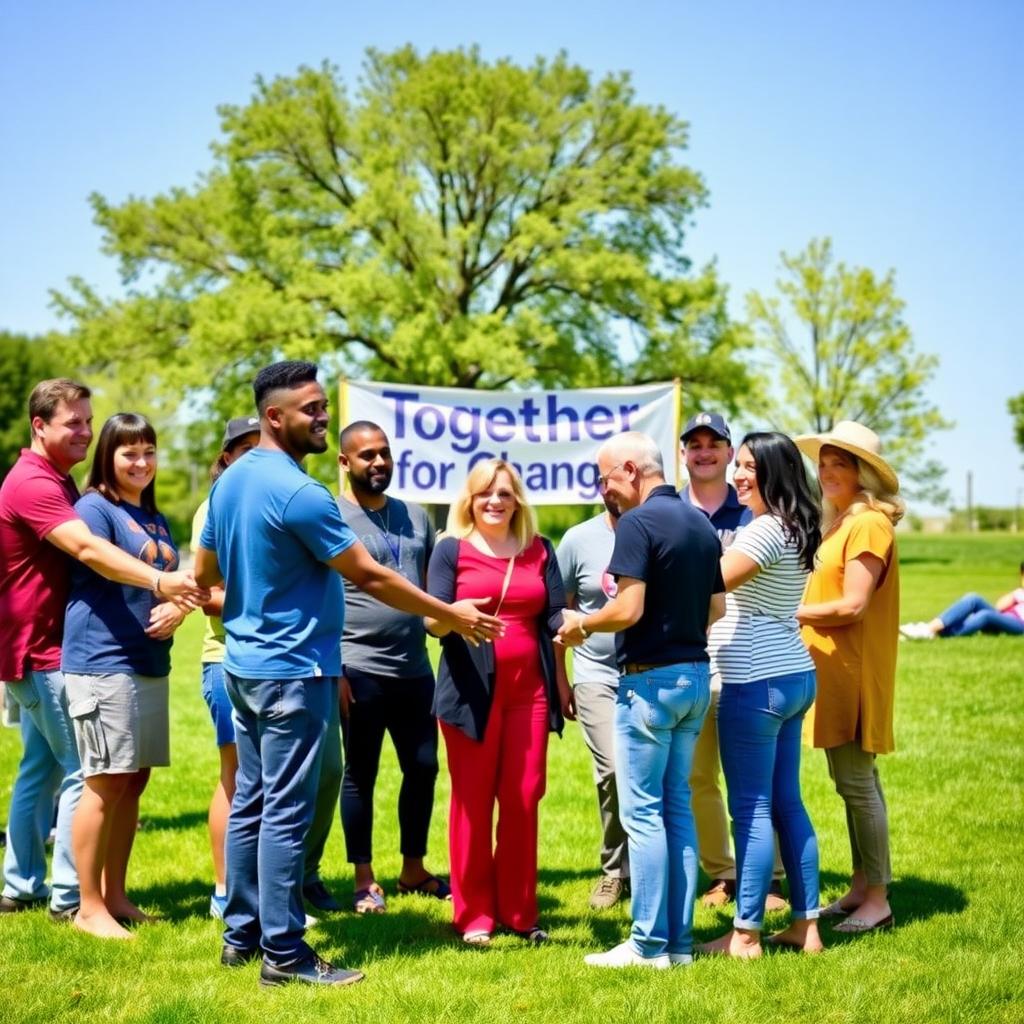
Advocacy thrives on connection. Building Bridges: Coalition-Building in Advocacy is about bringing people together to create lasting impact. Whether you're a volunteer or a seasoned advocate, forming coalitions amplifies voices and drives change. This article explores how to build strong alliances, engage volunteers, and make a difference.
Why Coalition-Building Matters
Advocacy often starts with a single voice, but real change happens when voices unite. Coalitions bring together individuals, organizations, and communities with shared goals. By pooling resources, knowledge, and passion, coalitions create a stronger, more unified front. They help tackle complex issues—like climate change, social justice, or healthcare reform—that no single group can solve alone.
Think of a coalition as a bridge. Each plank represents a partner, and together, they create a sturdy path to progress. Without collaboration, advocacy efforts can feel scattered or ineffective. Coalitions ensure everyone moves in the same direction, with purpose.

The Foundations of a Strong Coalition
Building a coalition starts with trust. People need to feel valued and heard. Here’s how to lay the groundwork:
- Identify Common Goals: Find the shared purpose that unites your group. For example, if you’re advocating for cleaner parks, connect with local environmental groups, schools, and neighborhood associations.
- Engage Diverse Voices: Include people from different backgrounds. A mix of perspectives strengthens your coalition and ensures broader appeal.
- Communicate Clearly: Set expectations early. What does each partner bring? What are the coalition’s priorities? Clear communication prevents misunderstandings.
- Build Relationships: Coalitions thrive on personal connections. Host informal meetups or virtual coffee chats to foster camaraderie.
I once joined a coalition advocating for better public transportation. We were a mix of commuters, students, and retirees. Our first meeting was chaotic—everyone had different ideas. But by focusing on our shared goal (affordable, reliable transit), we found common ground. That coalition went on to influence local policy, proving the power of unity.
Crafting Advocacy Programs for Volunteers
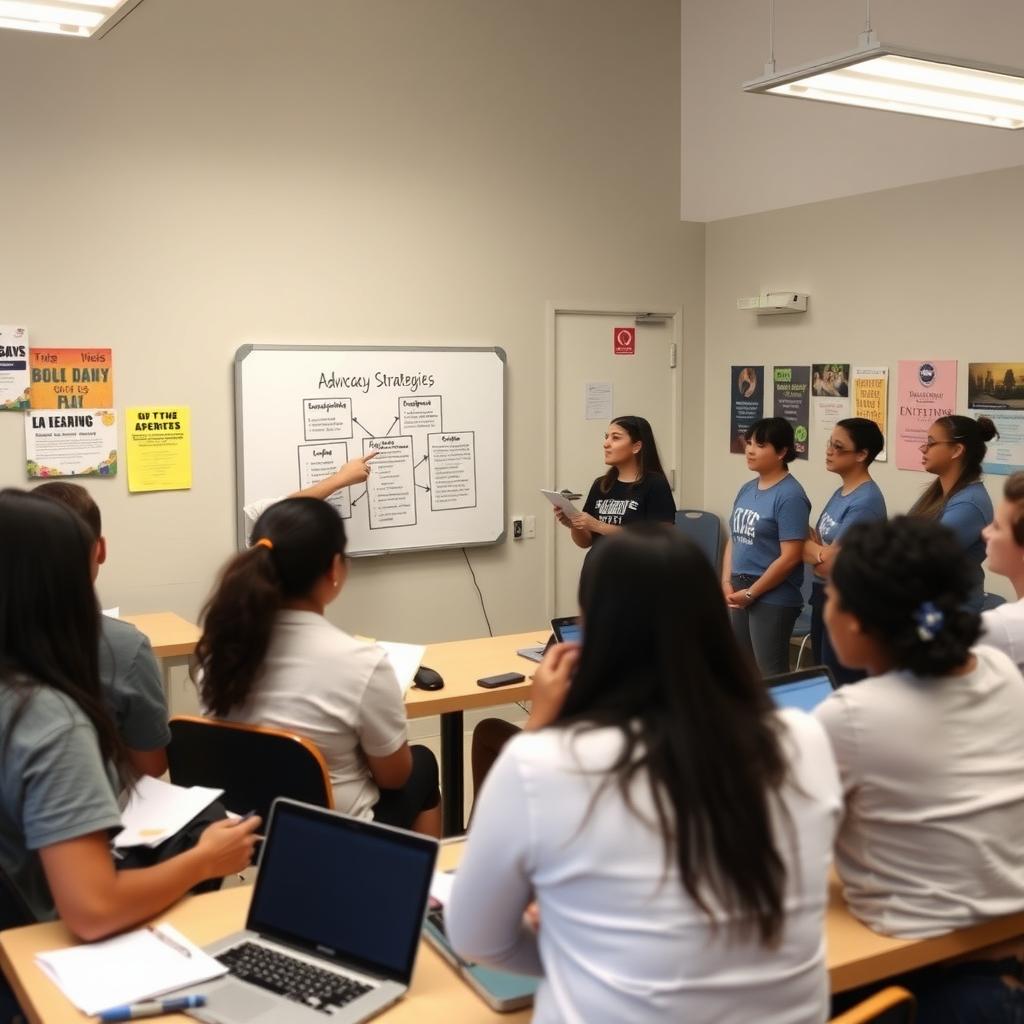
Volunteers are the heart of any coalition. They bring energy, ideas, and commitment. But keeping volunteers engaged requires thoughtful programs. Here’s a step-by-step guide to creating advocacy programs for volunteers that inspire action:
- Define Roles Clearly: Volunteers need to know their tasks. Are they canvassing neighborhoods, writing letters, or organizing events? Clear roles prevent burnout.
- Provide Training: Not everyone knows how to advocate. Offer workshops on public speaking, writing op-eds, or using social media for advocacy.
- Celebrate Small Wins: Acknowledge milestones, like collecting 100 signatures or hosting a successful rally. Recognition keeps volunteers motivated.
- Make It Accessible: Offer flexible schedules and virtual options. Not every volunteer can commit to in-person events.
In one advocacy campaign, I saw volunteers transform from shy newcomers to confident leaders after a single training session. We taught them how to speak at city council meetings, and their passion carried the day. Programs like these empower volunteers to become lifelong advocates.
Strategies for Effective Coalition-Building
Coalitions don’t just happen—they require strategy. Here are proven tactics to strengthen your efforts:
| Strategy | Description | Example |
|---|---|---|
| Shared Leadership | Rotate leadership roles to avoid burnout and build trust. | A coalition I worked with alternated meeting facilitators monthly. |
| Regular Check-Ins | Schedule consistent meetings to maintain momentum. | Weekly Zoom calls kept our group aligned during a six-month campaign. |
| Resource Sharing | Pool funds, skills, or networks to maximize impact. | One group donated printing services, while another provided volunteers. |
| Conflict Resolution | Address disagreements early with open dialogue. | We used a mediator to resolve tensions over campaign priorities. |
These strategies work because they prioritize collaboration over competition. I’ve seen coalitions fail when groups hoard resources or push their own agendas. The best coalitions share the spotlight and the work.
Overcoming Common Challenges
Coalition-building isn’t always smooth. Here are common hurdles and how to overcome them:
- Differing Priorities: Partners may have conflicting goals. Solve this by focusing on shared outcomes. For example, in a health advocacy coalition, some groups cared about funding, others about awareness. We united around better patient care.
- Time Constraints: Volunteers and organizations are busy. Use tools like scheduling apps or project management platforms to streamline tasks.
- Lack of Trust: Past rivalries can linger. Build trust through transparency—share meeting notes, budgets, and decisions openly.
I remember a coalition where two groups nearly walked away over a funding dispute. A simple compromise—splitting resources evenly—kept everyone at the table. Patience and flexibility are key.
Measuring Success in Coalition-Building
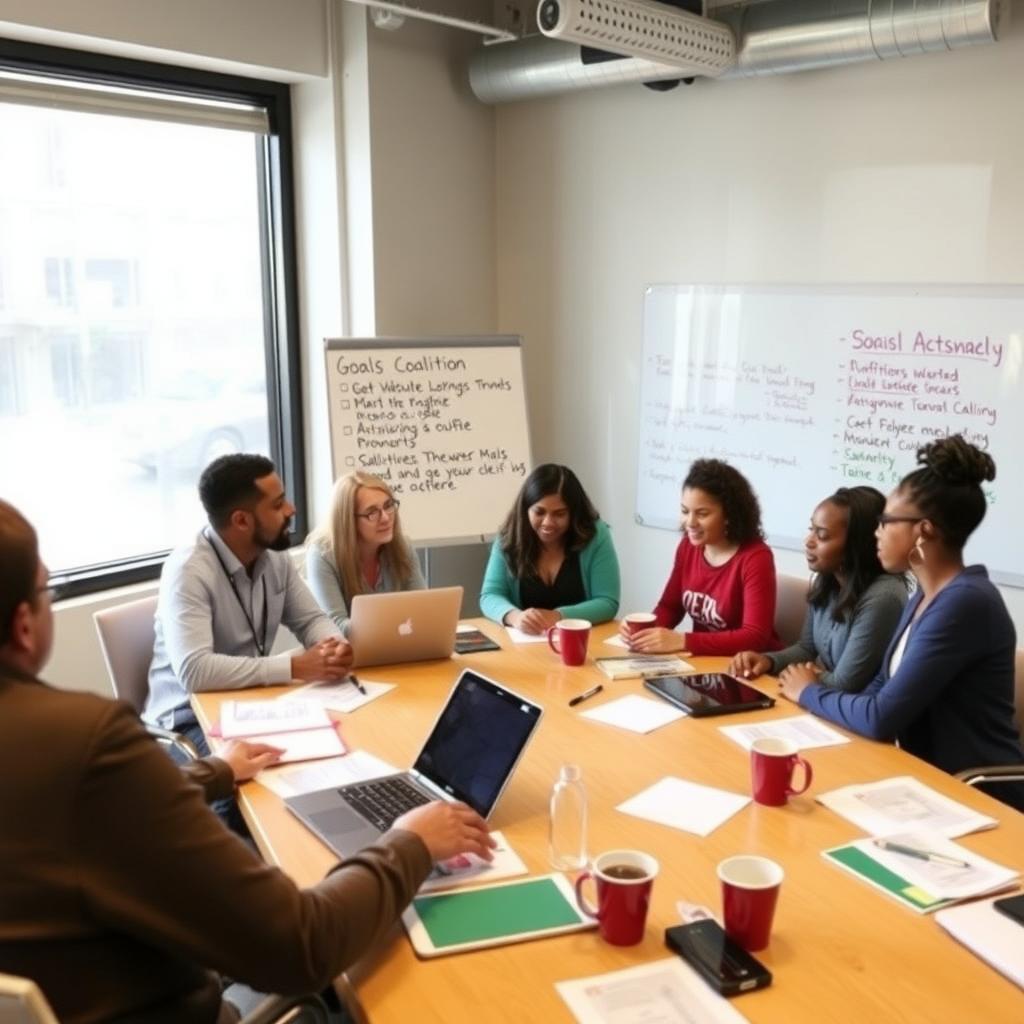
How do you know your coalition is working? Success isn’t just about policy wins—it’s about relationships and growth. Track these metrics:
- Engagement Levels: Are volunteers showing up consistently? Are partners active in meetings?
- Impact on Policy: Have your efforts influenced legislation or community outcomes?
- Community Reach: Are you connecting with new audiences? Social media metrics or event attendance can show this.
In one coalition, we measured success by the number of new volunteers who joined after our first rally. The numbers doubled in a month, showing we were building a movement. Celebrate these wins to keep momentum going.
The Role of Technology in Advocacy
Technology can supercharge coalition-building. Tools like Slack, Trello, or Google Drive help teams stay organized. Social media platforms amplify your message—think hashtags or viral campaigns. For example, the #FridaysForFuture movement grew because young advocates used social media to connect globally.
But don’t rely on tech alone. Face-to-face (or virtual) interactions build trust that emails can’t. Balance high-tech tools with high-touch relationships for the best results.
Summary: The Power of Unity
Building Bridges: Coalition-Building in Advocacy is about creating connections that last. By uniting diverse groups, engaging volunteers, and using smart strategies, coalitions can achieve what individuals cannot. Start small, focus on shared goals, and watch your impact grow. Advocacy is stronger when we work together.