Building Partnerships for Successful Service Learning Projects
Discover how to build effective partnerships for successful service learning projects, enhance skills development, and secure grants for community impact.
4 min read

Service learning is a powerful educational approach that combines academic learning with community service. By building partnerships with local organizations, schools can create meaningful projects that benefit both students and the community. This article explores how to build these partnerships, the skills students can develop through volunteering, and how to secure funding for service learning projects.
Service learning is more than just volunteering. It’s an educational strategy that integrates community service with classroom instruction. Students apply what they learn in the classroom to real-world problems, helping their communities while developing critical skills. Unlike traditional volunteering, service learning is tied directly to academic goals and includes structured reflection, ensuring students learn from their experiences.
For example, a biology class might partner with a local environmental group to restore a wetland. Students apply their knowledge of ecosystems while helping the environment. This hands-on approach deepens their understanding and fosters a sense of civic responsibility.
Partnerships are the backbone of successful service learning projects. They connect schools with community organizations, providing students with opportunities to engage in meaningful work. These collaborations ensure that projects address real community needs while aligning with academic goals.
Effective partnerships also enhance the learning experience. Community partners bring expertise and resources that enrich the project, while schools provide enthusiastic students ready to learn and contribute. Together, they create a win-win situation where both sides benefit.
Building partnerships requires effort, but the rewards are worth it. Here are some steps to get started:
- Identify Community Needs – Talk to local organizations to understand their challenges and how students can help.
- Align with Academic Goals – Ensure the project supports what students are learning in class.
- Establish Clear Roles – Define what each partner will contribute and expect from the collaboration.
- Communicate Regularly – Keep the lines of communication open to address any issues that arise.
- Evaluate and Reflect – After the project, assess what worked and what could be improved for future collaborations.
Personal Insight: In my experience, the most successful partnerships are those where both sides are equally invested. When community partners see the value students bring, and students feel their work is making a difference, the project thrives.
Let’s look at a real example. A high school in California partnered with a local environmental organization to restore a wetland. Students in a biology class worked alongside experts to plant native species, monitor water quality, and educate the community about the importance of wetlands.
Through this project, students developed several key skills:
- Leadership – Students took charge of different aspects of the project, from planning to execution.
- Communication – They learned to explain complex scientific concepts to the public.
- Problem-Solving – When unexpected challenges arose, like a shortage of plants, students brainstormed solutions.
This case study shows how service learning can be a powerful tool for skills development. Students not only applied their academic knowledge but also gained practical experience that will serve them well in the future.
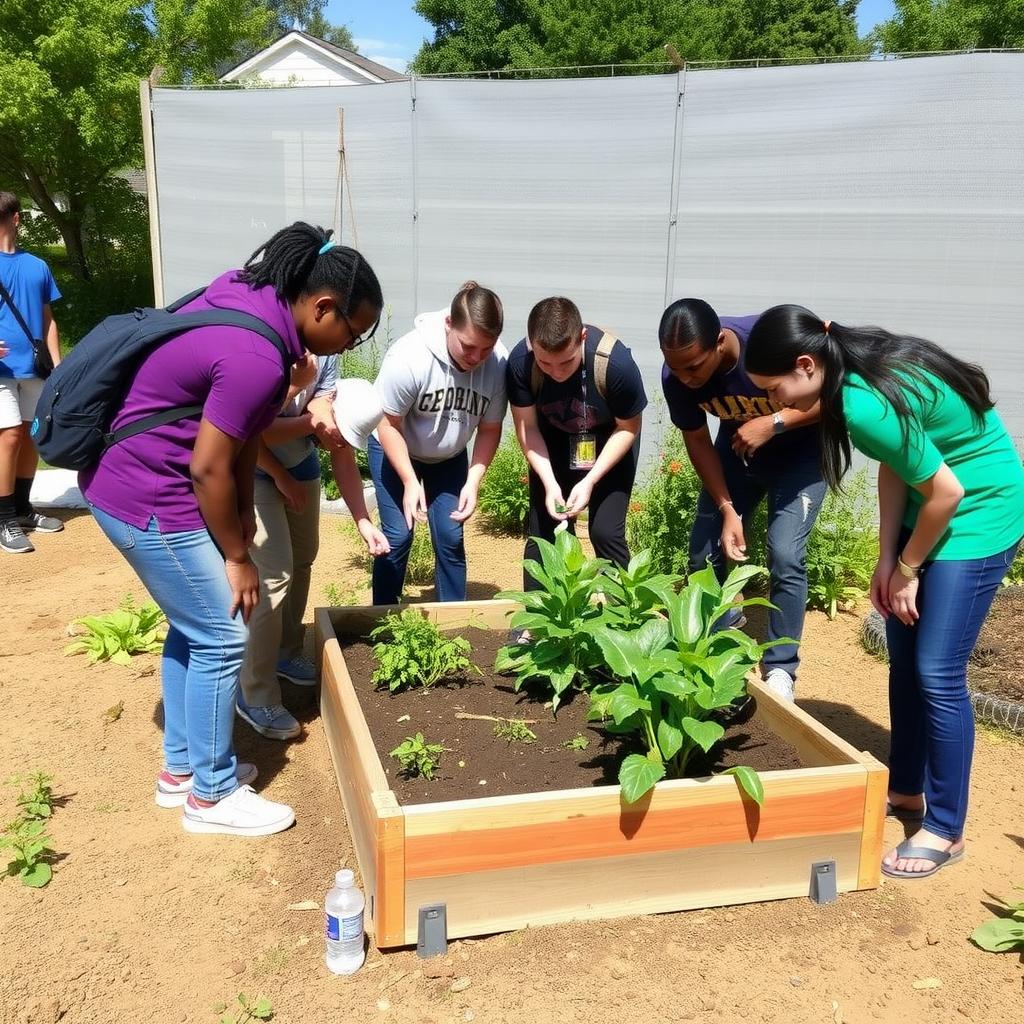
Service learning is a proven way to help students develop essential skills. Here’s how:
- Leadership – Students often take on leadership roles, such as organizing events or leading teams.
- Communication – Presenting ideas to community partners or educating the public sharpens communication skills.
- Critical Thinking – Solving real-world problems requires students to think critically and creatively.
- Teamwork – Collaborating with peers and community members teaches the importance of working together.
These skills are not just useful in school; they’re valuable in any career. Plus, students gain a sense of accomplishment and pride in their work, which boosts their confidence and motivation.
Funding is often a challenge for service learning projects, but there are many grants and funding sources available. Here’s how to secure them:
- Research Grant Opportunities – Look for grants specifically designed for service learning or education.
- Match Project Goals – Ensure your project aligns with the grant’s objectives.
- Write a Strong Proposal – Clearly explain your project’s goals, impact, and budget.
- Leverage Partnerships – Highlight your community partnerships to show the project’s potential for success.
Personal Insight: When applying for grants, it’s crucial to tell a compelling story. Funders want to see the human impact of your project, so include quotes from students or community members who will benefit.
Several organizations offer grants for service learning projects. Here are some of the top providers:
- Corporation for National and Community Service – Offers grants for projects that engage students in community service.
- W.K. Kellogg Foundation – Supports initiatives that improve education and community engagement.
- State Farm Youth Advisory Board – Provides funding for youth-led service learning projects.
When applying, focus on how your project meets the grant’s criteria and the positive impact it will have on students and the community.

Building partnerships for successful service learning projects is a rewarding endeavor. By collaborating with community organizations, schools can create projects that not only enhance student learning but also make a real difference in the community. The skills students develop through these experiences—leadership, communication, critical thinking—are invaluable. And with the right funding, these projects can thrive.
If you’re considering starting a service learning project, don’t hesitate. The benefits for your students and community are too great to ignore. Start by reaching out to local organizations and exploring grant opportunities. Your students will thank you, and your community will be better for it.
- Service Learning: A Guide to Planning, Implementing, and Assessing Student Projects
- The Teacher’s Guide to Service Learning
- Service Learning Grants and Funding Opportunities