Service Learning: A Guide to Planning, Implementing, and Assessing Student Projects
A comprehensive guide to service learning, including planning, implementing, and assessing student projects, with insights on grants, funding, and volunteer opportunities.
3 min read
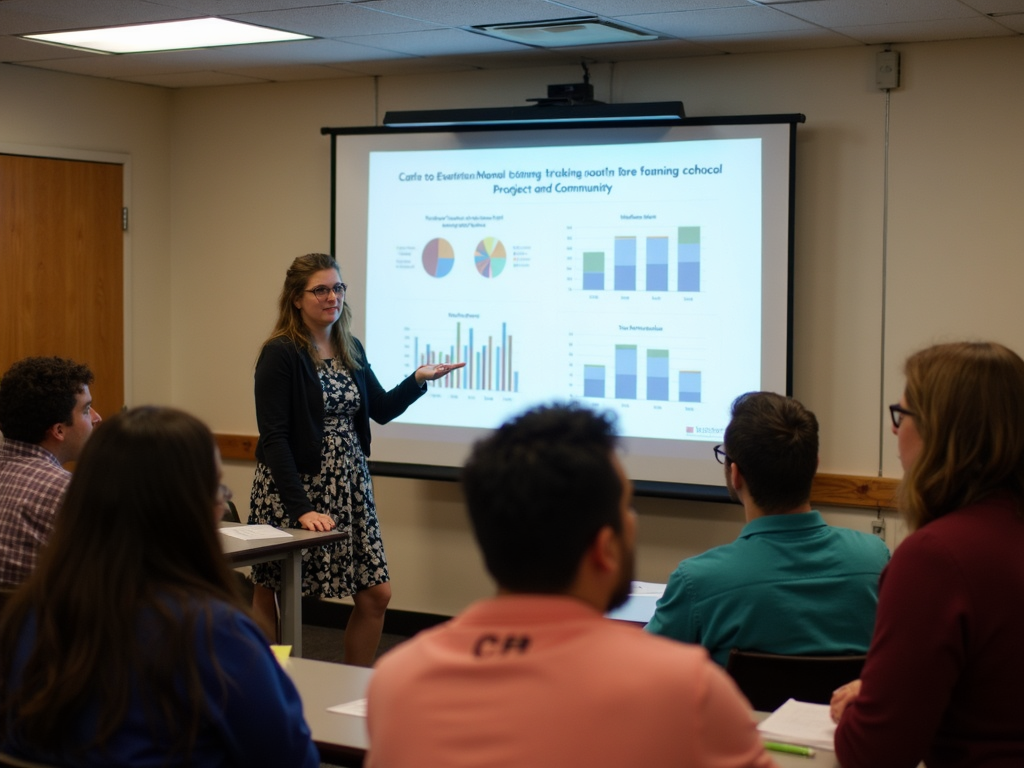
Service learning is a powerful educational approach that combines academic learning with community service. It allows students to apply their knowledge and skills to real-world problems while making a positive impact on their communities. This guide provides a comprehensive overview of service learning, including how to plan, implement, and assess student projects. It also explores opportunities for grants and funding, as well as the role of volunteers in service learning initiatives.
What is Service Learning?
Service learning is a teaching and learning strategy that integrates meaningful community service with instruction and reflection. It’s designed to enrich the learning experience, teach civic responsibility, and strengthen communities. Unlike traditional volunteering, service learning ties directly to academic curriculum and includes structured reflection activities.
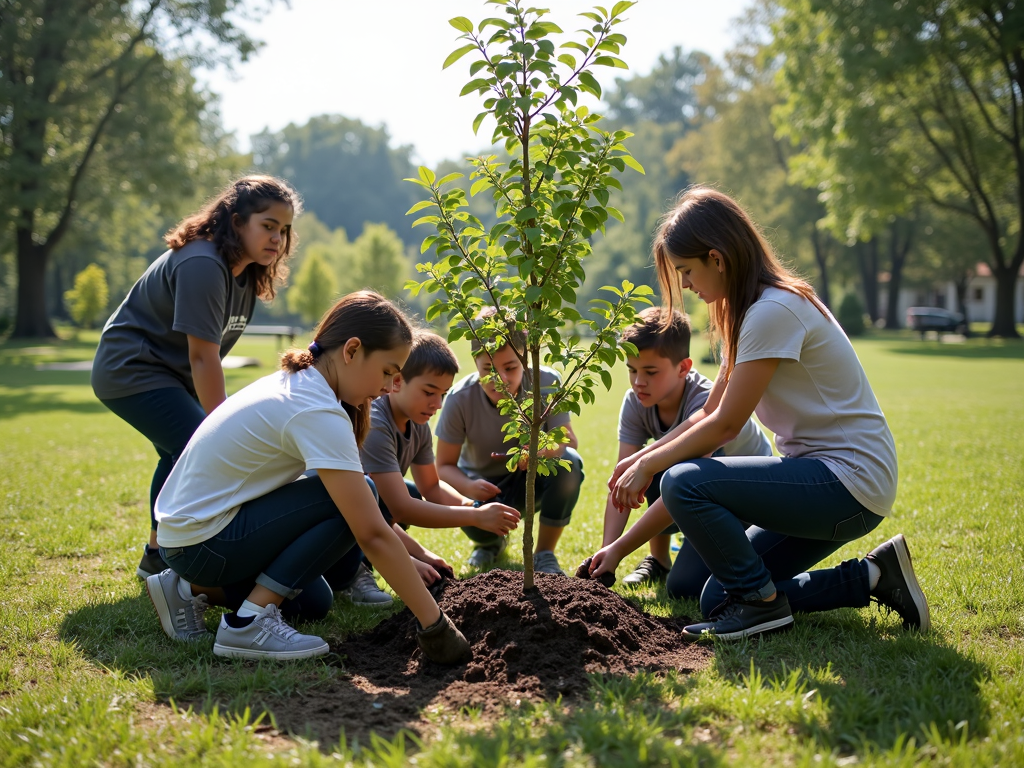
For example, a biology class might partner with a local environmental group to restore a wetland, applying their knowledge of ecosystems while helping the environment.
Benefits of Service Learning
Service learning offers many benefits for students, educators, and communities. For students, it provides hands-on experiences that deepen academic understanding and build critical thinking and problem-solving skills. It also grows their sense of civic duty and empathy.
Educators see more engaged students and chances for teamwork across subjects. Communities get help with real needs and fresh ideas from students.
| Stakeholder | Benefits |
|---|---|
| Students | - Hands-on learning - Better academic understanding - Improved critical thinking and problem-solving - Sense of civic responsibility - Empathy |
| Educators | - Engaged students - Active learning opportunities - Teamwork across subjects |
| Communities | - Help with real needs - Fresh ideas - Positive impact |

Planning Service Learning Projects
Great service learning projects start with solid planning. Here are key steps to follow:
-
Set Learning Goals: Decide what skills and knowledge students should gain.
-
Find Community Needs: Talk to community partners to find real needs that match your goals.
-
Plan the Project: Create a plan with activities, a timeline, and roles for everyone.
-
Get Resources: Look into service learning grants and funding to support the work.
-
Train Students: Give students the tools and info they need to succeed.
-
Set learning goals
- Find community needs
- Plan the project
- Get resources
- Train students

Implementing Service Learning Projects
Putting the plan into action takes coordination and engagement. Here’s how to make it work:
-
Be Clear: Make sure students know their roles and tasks.
-
Check In: Keep up with students and partners to solve any issues.
-
Reflect: Add activities that help students connect their work to what they’re learning.
-
Celebrate: Highlight the hard work of students and partners.
Assessing Service Learning Projects
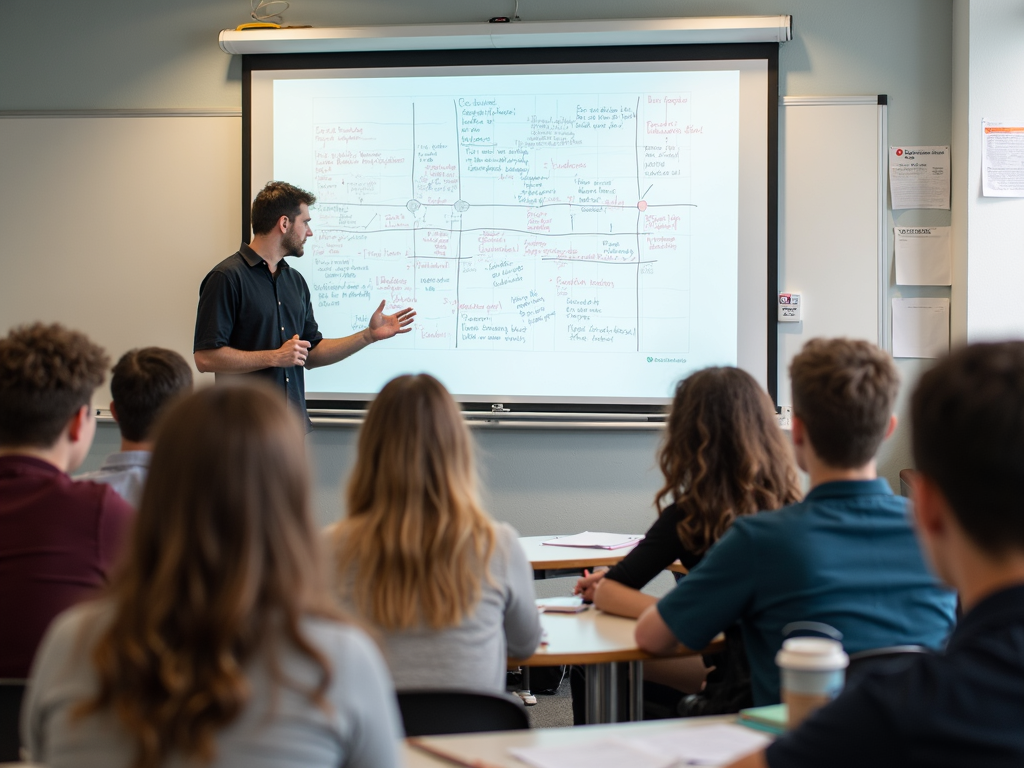
Assessing projects helps measure their success. Look at student learning and community impact with these methods:
-
Journals: Ask students to write about their experiences and lessons.
-
Presentations: Have students share their work with others.
-
Surveys: Get feedback from students, teachers, and community members.
-
Rubrics: Use clear guidelines to grade student performance.
| Method | Description |
|---|---|
| Reflection Journals | Students write about their experiences |
| Presentations | Students share their projects |
| Surveys | Feedback from everyone involved |
| Performance Rubrics | Grading based on learning goals |

Grants and Funding for Service Learning
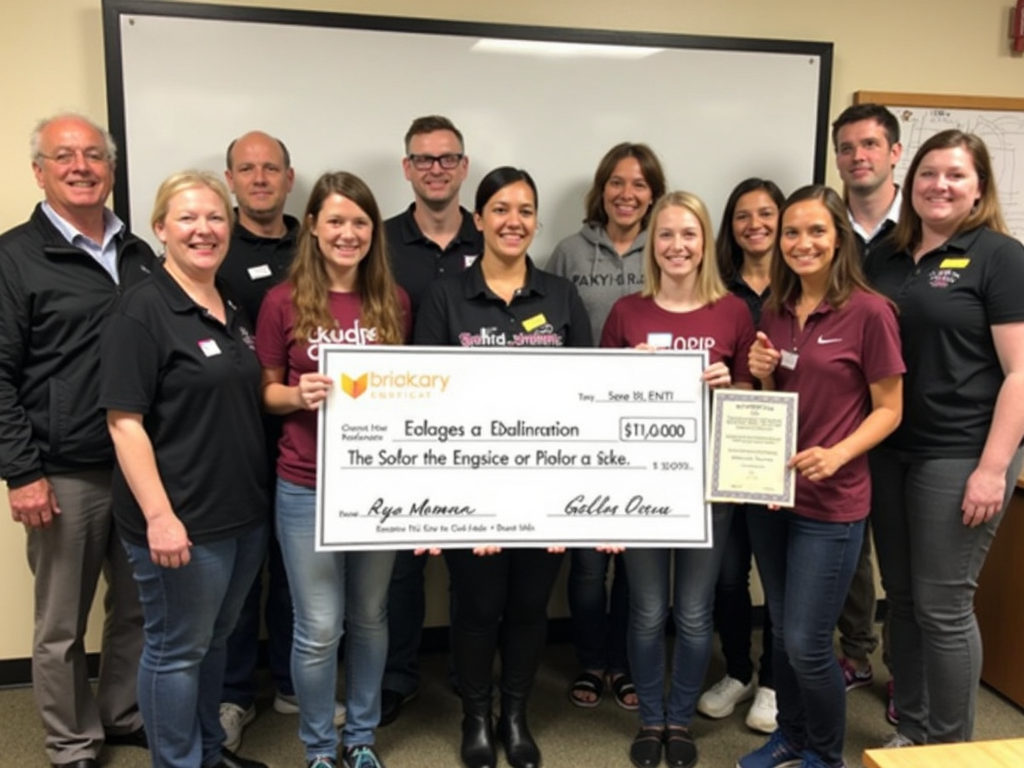
Funding can take service learning projects further by covering costs like materials or travel. Here’s how to find service learning grants and funding:
-
Research: Seek out grants made for service learning or education.
-
Match Goals: Make sure your project fits the grant’s purpose.
-
Write Well: Explain your project’s goals, impact, and budget clearly.
-
Team Up: Work with community partners to boost your application.
-
Research grants
- Match goals
- Write well
- Team up
The Role of Volunteers in Service Learning
Volunteers bring support and skills to service learning. They might be locals, experts, or former students. Here’s how to involve them:
-
Mentorship: Pair students with volunteers for guidance.
-
Skill Sharing: Have volunteers teach through workshops.
-
Support: Use volunteers to help with project tasks.

Service learning transforms education by blending classroom lessons with community action. It helps students understand their studies better and builds a sense of duty. With good planning, action, and review, these projects make a big difference. Grants and volunteers can make them even stronger and longer-lasting.