Community Organizing 101: A Beginner's Guide to Making a Difference
Discover the essentials of Community Organizing 101 with practical tips for advocacy, volunteer training, and networking. Learn how to build strong communities, mobilize volunteers, and drive impactful change with this comprehensive guide.
4 min read

Overview
Community organizing is about bringing people together to create change. Whether you're fighting for better schools, cleaner parks, or fair policies, Community Organizing 101 teaches you how to rally support and make an impact. This guide covers the basics, from building relationships to mobilizing volunteers, with practical tips for advocacy and networking.
What Is Community Organizing?
At its core, community organizing is about people power. It’s the process of uniting individuals around a shared goal, often to address social, economic, or environmental issues. Think of it as a way to amplify voices that might otherwise be ignored. From neighborhood cleanups to large-scale policy changes, organizing turns ideas into action.
The beauty of community organizing lies in its inclusivity. Anyone can be an organizer—parents, students, workers, or retirees. You don’t need a fancy degree or years of experience, just a passion for change and a willingness to listen.
Why Community Organizing Matters
Organizing gives communities a seat at the table. It’s how everyday people challenge powerful systems, like when residents push for safer streets or advocate for affordable housing. According to a study by the University of Chicago, organized communities are 30% more likely to influence local policy than unorganized ones. That’s huge!
Beyond policy wins, organizing builds trust and connection. It creates spaces where people feel heard and empowered, which is especially important in underserved areas.

Getting Started with Community Organizing 101
Ready to dive into Community Organizing 101? Here’s a step-by-step guide to help you begin:
Step 1: Identify the Issue
Start by pinpointing a problem that matters to your community. Is it a lack of green spaces? Poor public transportation? Talk to neighbors, friends, and local leaders to understand what’s at stake. The best issues are specific, measurable, and deeply felt.
Step 2: Build Relationships
Organizing is all about people. Spend time getting to know your community—attend local events, visit coffee shops, or host a small meet-up. Building trust is key. As someone who’s organized cleanups in my neighborhood, I’ve learned that a simple conversation over coffee can spark lifelong partnerships.
Networking Tips for Advocacy Volunteers
Networking isn’t just for business professionals—it’s a game-changer for organizers. Strong relationships with volunteers, local leaders, and organizations can make or break your campaign. Here are some Networking Tips for Advocacy Volunteers:
- Be Genuine: People can sense when you’re authentic. Share your story and listen to theirs.
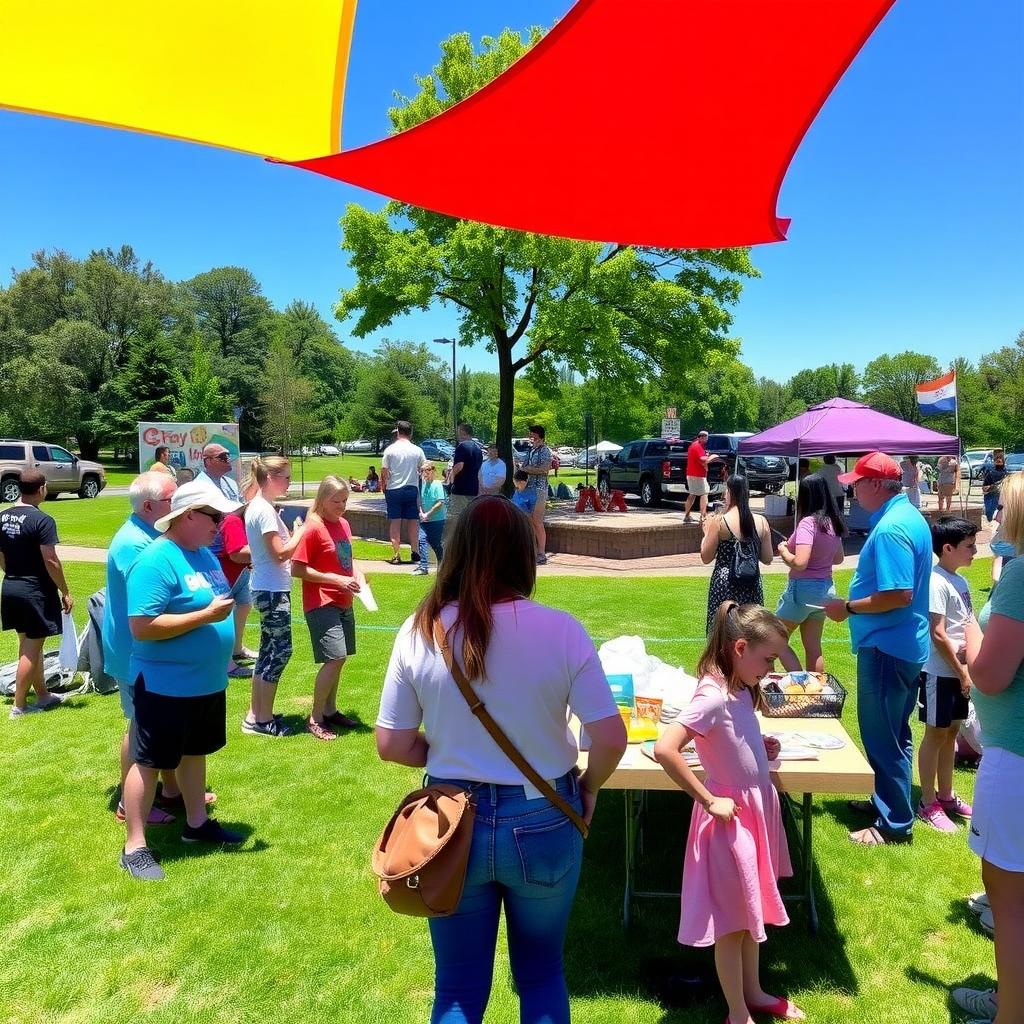
- Attend Community Events: School board meetings, town halls, or festivals are great places to meet like-minded folks.
- Use Social Media: Platforms like X can help you connect with advocates and share your cause. Follow local groups and join conversations.
- Follow Up: After meeting someone, send a quick message to keep the connection alive.
A report from Harvard University found that networks with diverse connections are 40% more effective in advocacy campaigns. So, don’t be afraid to reach out beyond your immediate circle!
Volunteer Training for Advocacy Work
Volunteers are the heart of any organizing effort, but they need the right tools to succeed. Volunteer training for advocacy work ensures everyone is on the same page and ready to act. Here’s how to train your team effectively:
- Set Clear Goals: Explain the campaign’s purpose and what success looks like. For example, “We want 500 signatures for our petition by next month.”
- Teach Key Skills: Cover basics like canvassing, phone banking, or public speaking. Role-playing exercises can make training fun and practical.
- Empower Volunteers: Give them ownership of tasks, like leading a meeting or designing flyers. Empowered volunteers are more committed.
- Provide Resources: Share guides, scripts, or contact lists to make their work easier.
When I trained volunteers for a local voter registration drive, we held mock conversations to practice handling tough questions. It boosted their confidence and made a real difference on the ground.
Strategies for Effective Advocacy
Advocacy is the engine of community organizing. It’s how you turn passion into policy. Here are some strategies to make your advocacy efforts shine:
- Tell Compelling Stories: Data is great, but stories stick. Share personal experiences to connect with your audience emotionally.
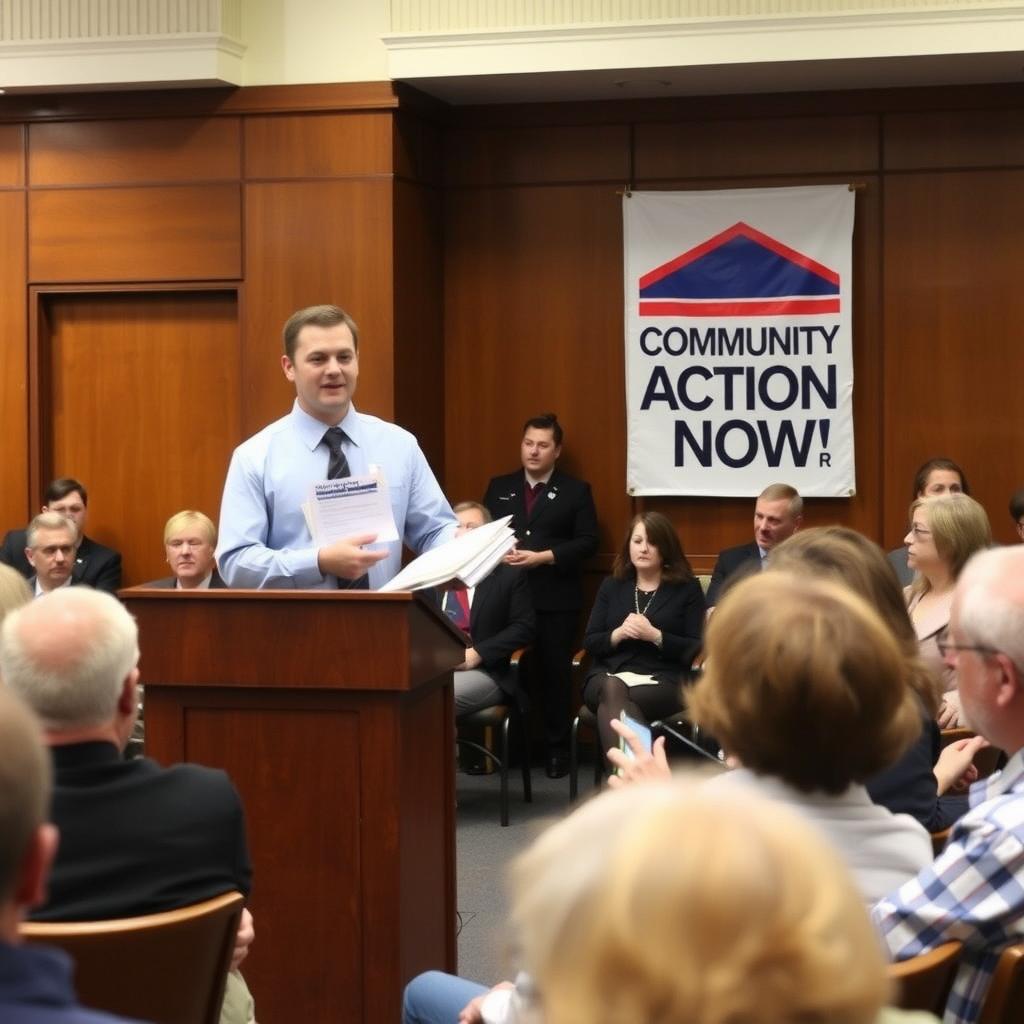
- Engage Decision-Makers: Meet with local officials or attend public hearings. A guide from the National League of Cities suggests preparing concise talking points to make your case.
- Use Media: Write op-eds, create social media campaigns, or pitch stories to local news. Visibility amplifies your message.
- Stay Persistent: Change takes time. Celebrate small wins, like getting a meeting with a council member, to keep momentum going.
Overcoming Common Challenges
Organizing isn’t always smooth sailing. You’ll face hurdles like burnout, disagreements, or lack of resources. Here’s how to tackle them:
- Prevent Burnout: Encourage breaks and celebrate successes to keep morale high. I once saw a team revive after a simple thank-you party.
- Resolve Conflicts: Listen to all sides and find common ground. A neutral facilitator can help.
- Secure Resources: Look for grants or partner with local businesses. The Community Tool Box offers free resources for funding and planning.
Patience and adaptability are your best friends. Every challenge is a chance to learn and grow.
Measuring Success
How do you know if your organizing is working? Track both tangible and intangible outcomes. Tangible wins include policy changes or event turnout. Intangible wins, like stronger community bonds, are just as important. Keep a log of your progress—number of volunteers recruited, meetings held, or media mentions. Reflecting on these milestones keeps you motivated.
Summary
Community Organizing 101 is about turning passion into action. By building relationships, training volunteers, and advocating effectively, you can create lasting change. Start small, stay persistent, and don’t underestimate the power of a united community. With these tools, you’re ready to make a difference.