Community Partnerships: Building Strong Connections for Service Learning
Discover how community partnerships enhance service learning experiences. This guide offers practical steps, real benefits, and tips for educators and communities to create meaningful connections that benefit everyone involved.
2 min read
Overview
Community Partnerships: Building Strong Connections for Service Learning brings together educators, students, and local organizations to create powerful learning experiences. These partnerships turn classroom knowledge into real-world action while meeting genuine community needs. In this article, we explore the basics, benefits, and practical steps to build lasting ties.
What Is Service Learning?
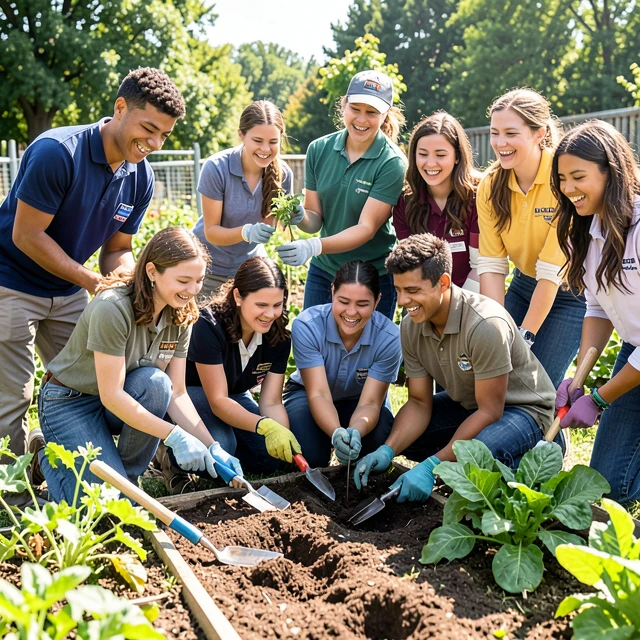
Service learning combines classroom study with hands-on community service. Students apply what they learn in school to solve real problems, while helping others. Unlike simple volunteering, service learning includes structured reflection so students connect their actions to academic goals.
This approach builds empathy, critical thinking, and civic responsibility. Research shows it boosts student engagement and improves grades in many cases.
Basics of Service Learning for Communities
At its core, service learning focuses on mutual benefits. Communities get help with real needs, while students gain practical skills and deeper understanding.
Key elements include: - Addressing authentic community issues - Connecting to curriculum goals - Including reflection and analysis - Building reciprocal partnerships
Communities see youth as valuable resources, not just problems. This shift creates stronger, more connected neighborhoods.
Why Community Partnerships Matter
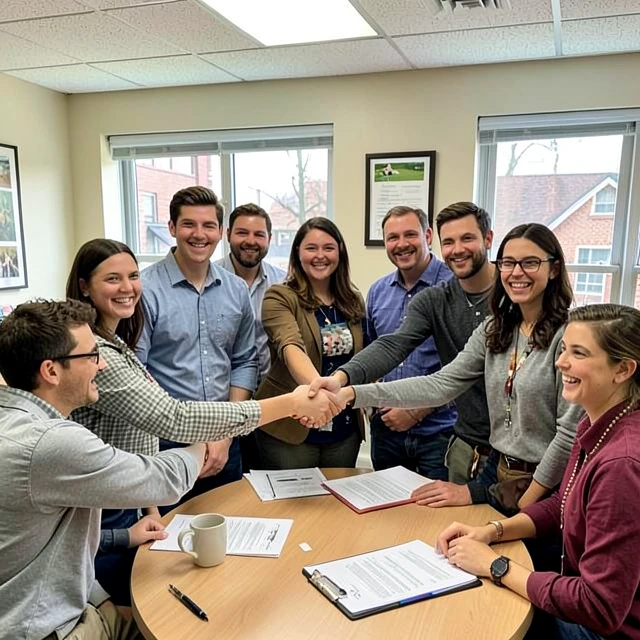
Strong partnerships make service learning successful. When educators team up with local groups early, projects align with real needs and learning objectives.
Benefits include: - More meaningful projects - Better student motivation - Increased trust between schools and communities - Long-term positive impact
From my experience working with local food banks, partnerships that start with open conversations lead to projects that last beyond one event.
Steps to Build Effective Partnerships
Start small and grow. Here are actionable steps: 1. Identify needs — Talk to community organizations about their challenges. 2. Align goals — Match community needs with your curriculum. 3. Plan together — Involve partners in every stage. 4. Communicate clearly — Set expectations and roles. 5. Reflect and adjust — Review what worked and improve.
These steps ensure everyone benefits equally.
Organizing a Community Service Event
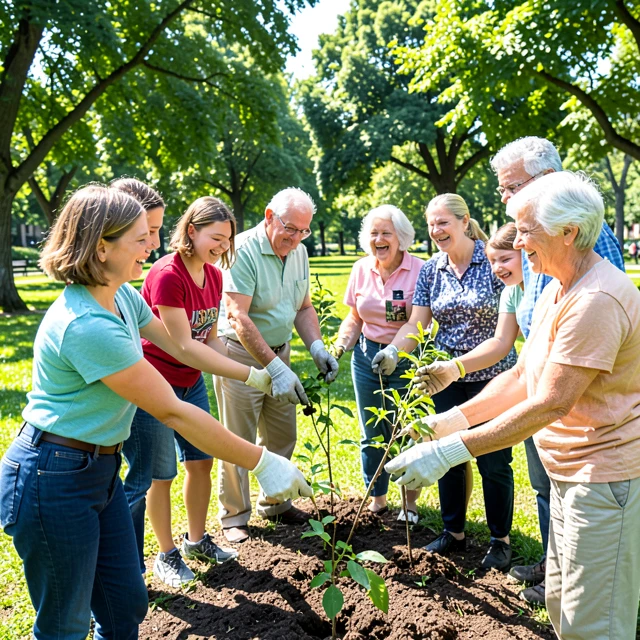
Ready to put partnerships into action? Organizing a community service event takes planning, but the rewards are huge.
Follow this guide:
- Choose a focus — Pick something tied to your studies, like environment or health.
- Partner up — Work with a local group for guidance.
- Set goals — Define what success looks like for learning and service.
- Recruit help — Get students, families, and volunteers involved.
- Prepare logistics — Handle supplies, safety, and schedules.
- Include reflection — End with discussions about what everyone learned.
One successful event I recall involved students cleaning a river while studying water quality. The data they collected helped the local agency.
Common Challenges and Solutions
Partnerships face hurdles like mismatched schedules or unclear roles. Address them with open talks and flexible plans.
Another issue is measuring impact. Use simple surveys and reflections to track growth in students and benefits to the community.
Stay committed — strong ties grow over time.
Final Thoughts
Community Partnerships: Building Strong Connections for Service Learning transforms education and communities. By working together, we create experiences that teach valuable lessons and make real change.
Start small, listen well, and watch the impact grow. Service learning with solid partnerships prepares students for life while strengthening the places they live.