Creating a Volunteer-Friendly Culture: Essential Strategies for Nonprofits
Discover how to build a welcoming environment that attracts dedicated volunteers and keeps them engaged long-term. This guide covers recruitment, retention, and best practices for impactful volunteer programs in nonprofits.
3 min read

Building a Welcoming Environment for Long-Term Volunteer Success
Creating a Volunteer-Friendly Culture is more than a goal—it's the foundation for any nonprofit that wants to thrive with the help of dedicated people. When volunteers feel valued and supported, they stay longer and give more. This guide walks you through practical steps to recruit the right people and keep them coming back.
Volunteers power nonprofits. They bring energy, skills, and passion without expecting pay. Yet many organizations struggle with high turnover. The key lies in building a culture where volunteers feel like true team members, not just extra hands.

Why Focus on Creating a Volunteer-Friendly Culture?
Nonprofits often face volunteer dropout rates as high as 30-40% in the first year. A strong culture changes that. Volunteers who feel appreciated contribute more hours and spread positive word about your cause.
Think about your own experiences. Have you ever volunteered somewhere that made you feel unimportant? You probably didn't return. Now imagine the opposite: a place that greets you by name, listens to your ideas, and celebrates your efforts. That's the culture we want to create.
Start with Clear Volunteer Retention Strategies for Nonprofits
Retention begins before someone even signs up. Be honest about what the role involves. Share real stories from current volunteers on your website and social media.
Key Retention Strategies:
- Match skills to tasks — Ask about interests and strengths during onboarding.
- Provide thorough training — Never assume someone knows what to do.
- Offer flexible scheduling — Life gets busy; accommodate when possible.
- Recognize contributions regularly — A simple thank-you note goes far.
One nonprofit I worked with saw retention jump 25% simply by sending personalized thank-you emails after each shift. Small actions build big loyalty.

How to Recruit Volunteers Who Stick Around
Recruitment and retention go hand in hand. Target people who share your mission. Use specific calls to action: "Join our team to help feed 100 families this month" works better than "We need volunteers."
Effective Recruitment Tips:
- Highlight impact — Show exactly how their time makes a difference.
- Make applying easy — Use simple online forms.
- Follow up quickly — Contact applicants within 48 hours.
- Invite them to observe first — Let them see the work before committing.
Remember: You're not begging for help. You're offering a meaningful opportunity to make a difference.
Creating Impactful Volunteer Programs: A Guide for Nonprofits
Great programs don't happen by accident. They require planning and ongoing attention. Follow these best-practices-in-volunteer-program-management to build something sustainable.
Essential Program Elements
| Element | Why It Matters | How to Implement |
|---|---|---|
| Clear Roles | Prevents confusion | Write detailed position descriptions |
| Strong Onboarding | Sets expectations | Create a welcome packet and orientation session |
| Ongoing Training | Builds confidence | Offer regular skill-building workshops |
| Feedback Channels | Shows you value input | Use anonymous surveys and open-door policy |
| Social Connection | Builds community | Host volunteer appreciation events |
In my experience, the nonprofits with the strongest volunteer programs treat volunteers like staff members. They invest time in training and development, which pays off in higher commitment and better results.
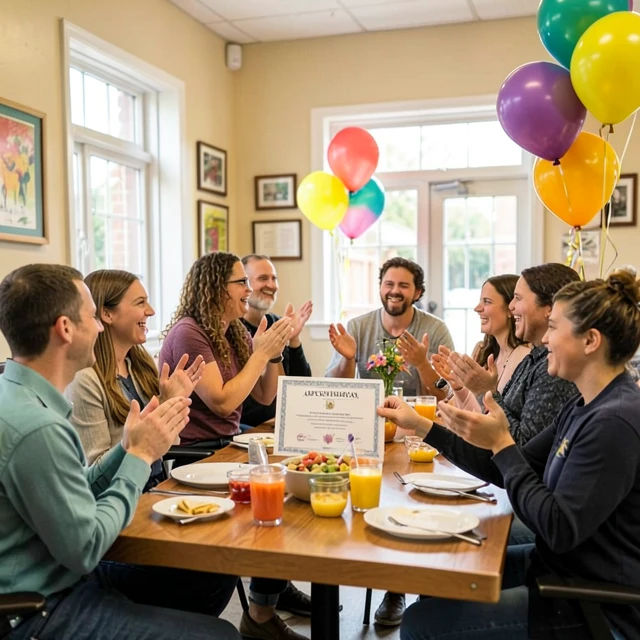
Building Relationships That Last
People stay where they feel connected. Create opportunities for volunteers to get to know each other and your staff. Simple things like name tags, icebreaker activities, and shared meals make a big difference.
One effective approach: Assign buddies to new volunteers. A friendly face who can answer questions and provide support during the first few shifts reduces anxiety and builds connections quickly.
Measuring Success and Making Improvements
Track more than just hours served. Ask volunteers: - Do you feel valued here? - Would you recommend volunteering with us to a friend? - What could we do better?
Use this feedback to make real changes. When volunteers see their suggestions implemented, they feel ownership in the program.
Overcoming Common Challenges
Every nonprofit faces obstacles. Limited budget? Get creative with recognition—handwritten notes cost nothing but mean everything. Busy staff? Train volunteers to take on leadership roles. Resistance to change? Start small and show results.
The organizations that succeed are those willing to adapt. They listen to their volunteers and evolve their programs accordingly.
Final Thoughts
Creating a Volunteer-Friendly Culture takes intention and effort, but the rewards are enormous. When volunteers feel truly welcomed and valued, they become your strongest advocates and most reliable supporters. Start with one small change today—reach out to a volunteer just to say thank you. Watch how it grows from there.
Your nonprofit's impact depends on the people who choose to give their time. Treat them well, and they'll help you change the world.