Cultural Etiquette for Volunteers: A Guide to Respectful International Volunteering
Learn essential cultural etiquette for volunteers to ensure respectful and impactful international volunteering experiences. Discover practical tips, personal insights, and strategies to navigate cultural differences while volunteering abroad and learning a language.
4 min read
Overview
Volunteering abroad is a life-changing experience, but it comes with a responsibility to respect local cultures. Cultural Etiquette for Volunteers ensures your actions align with community values, fostering meaningful connections. This guide offers practical advice for navigating cultural nuances, drawn from real experiences, to make your international volunteering journey impactful and respectful.
Why Cultural Etiquette Matters
When you volunteer abroad and learn a language, you step into a new world. Every culture has unique customs, values, and social norms. Ignoring these can lead to misunderstandings or unintended offense. For example, a simple gesture like a thumbs-up, common in Western cultures, can be offensive in parts of the Middle East. Respecting local etiquette builds trust, strengthens relationships, and enhances your volunteer impact.
Cultural sensitivity starts with awareness. According to a study by the University of Michigan, cross-cultural misunderstandings often stem from assumptions rather than malice. Volunteers who take time to learn local customs are better equipped to contribute meaningfully.
Preparing Before You Go
Preparation is key to successful international volunteering. Start by researching your host country’s culture. Focus on greetings, dress codes, and social norms. For instance, in Japan, bowing is a common greeting, while in Brazil, physical touch like a hug is more typical. Use reliable resources like Cultural Atlas to understand these differences.
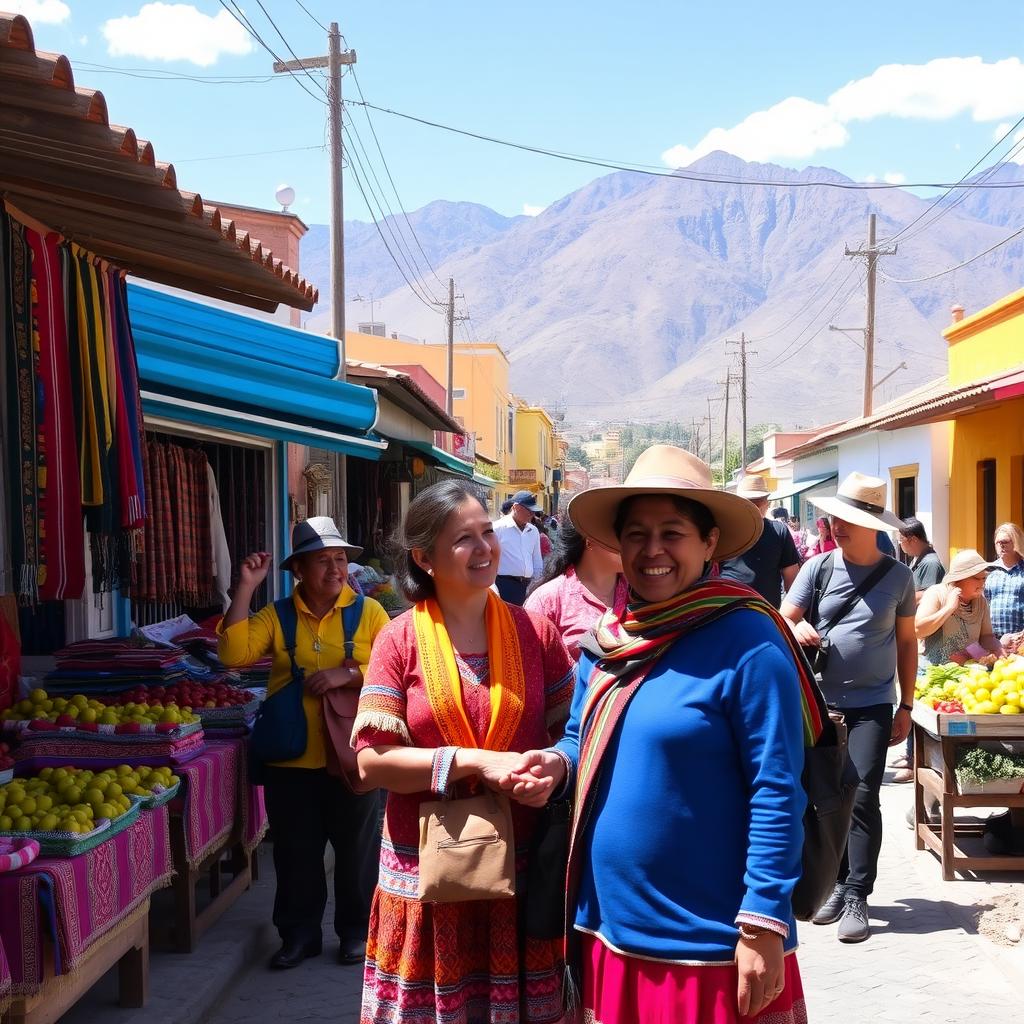
Learn basic phrases in the local language. Even a simple “hello” or “thank you” shows respect and effort. Apps like Duolingo can help you volunteer abroad and learn a language simultaneously. I once volunteered in Peru, where my basic Spanish phrases opened doors to deeper conversations with locals.

Key Etiquette Tips for Volunteers
Here are actionable tips to ensure respectful volunteering:
- Observe and Adapt: Watch how locals interact. Mimic their behavior, like removing shoes before entering homes in many Asian cultures.
- Ask Questions: If unsure, politely ask locals for guidance. Most appreciate your effort to learn.
- Dress Appropriately: Research local dress codes. In conservative regions, modest clothing is essential.
- Respect Time: Some cultures value punctuality, while others are more relaxed. Understand the local approach.
- Avoid Assumptions: Don’t assume your way is the “right” way. Stay open to new perspectives.
These steps prevent missteps and show respect. For example, during my time in Ghana, I learned to greet elders first, a small act that earned immense goodwill.
Navigating Sensitive Topics
Volunteers often encounter sensitive topics like politics, religion, or gender roles. Approach these with caution. In some cultures, discussing politics openly is taboo. A guide by the Peace Corps suggests listening more than speaking when sensitive topics arise. This builds trust and avoids conflict.
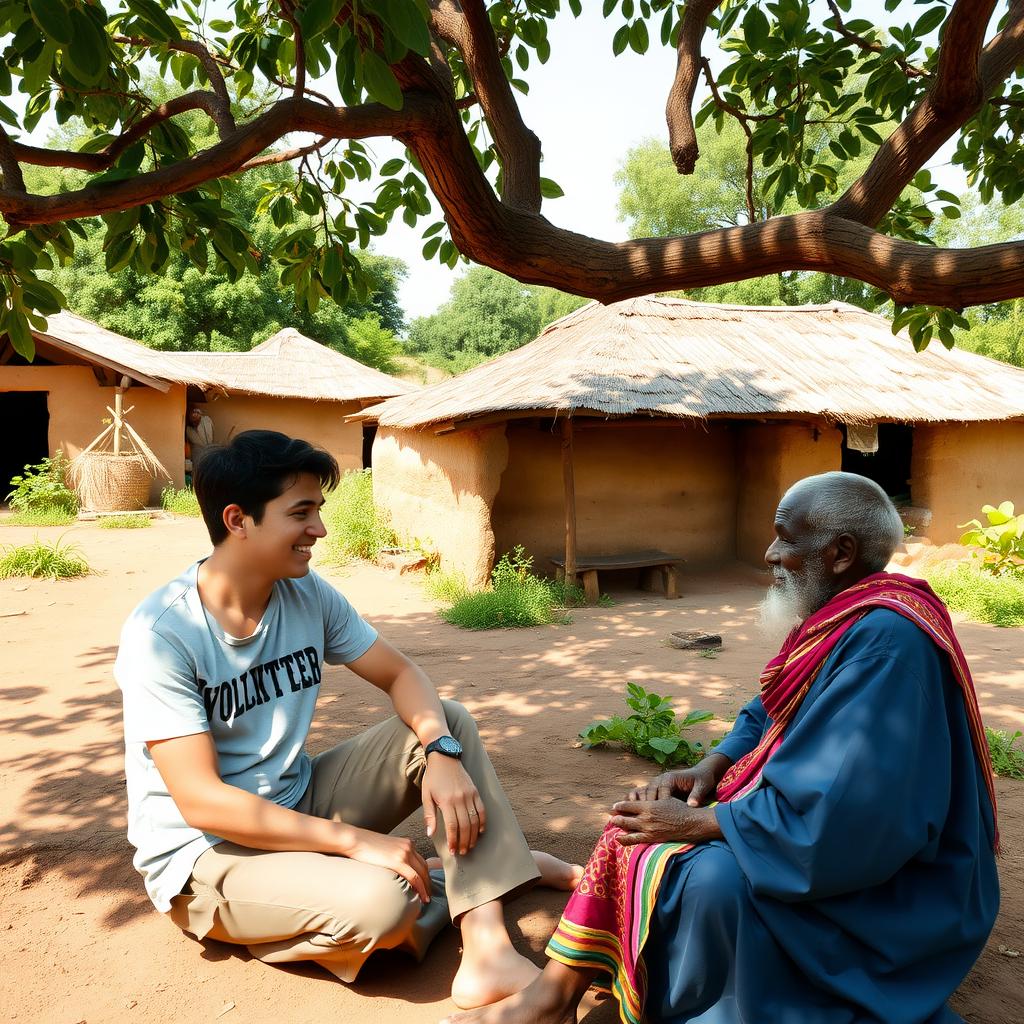
I recall a moment in Thailand when a local shared their views on religion. Instead of sharing my own, I asked questions to understand their perspective. This not only avoided tension but also deepened our connection.
Building Relationships Through Cultural Respect
Respecting cultural etiquette fosters authentic relationships. Simple acts like sharing a meal or participating in local traditions can create lasting bonds. In India, I joined a community festival, learning traditional dances. My willingness to participate, despite my clumsy moves, was met with laughter and warmth.
Here’s a quick table to guide relationship-building:
| Action | Cultural Benefit |
|---|---|
| Learn local greetings | Shows respect and openness |
| Share meals | Builds trust and community connection |
| Participate in events | Demonstrates cultural appreciation |
| Listen actively | Encourages mutual understanding |
These actions make your volunteering experience richer and more impactful.
Common Cultural Missteps to Avoid
Even well-meaning volunteers can make mistakes. Here are common pitfalls and how to avoid them:
- Overstepping Boundaries: Avoid taking photos without permission, especially in sacred spaces.
- Ignoring Gender Norms: In some cultures, men and women have distinct social roles. Respect these boundaries.
- Assuming Familiarity: Don’t use first names unless invited, as some cultures value formal titles.
A report by Harvard University notes that cultural missteps often arise from a lack of context. Research and observation can prevent these errors.
Volunteering and Language Learning
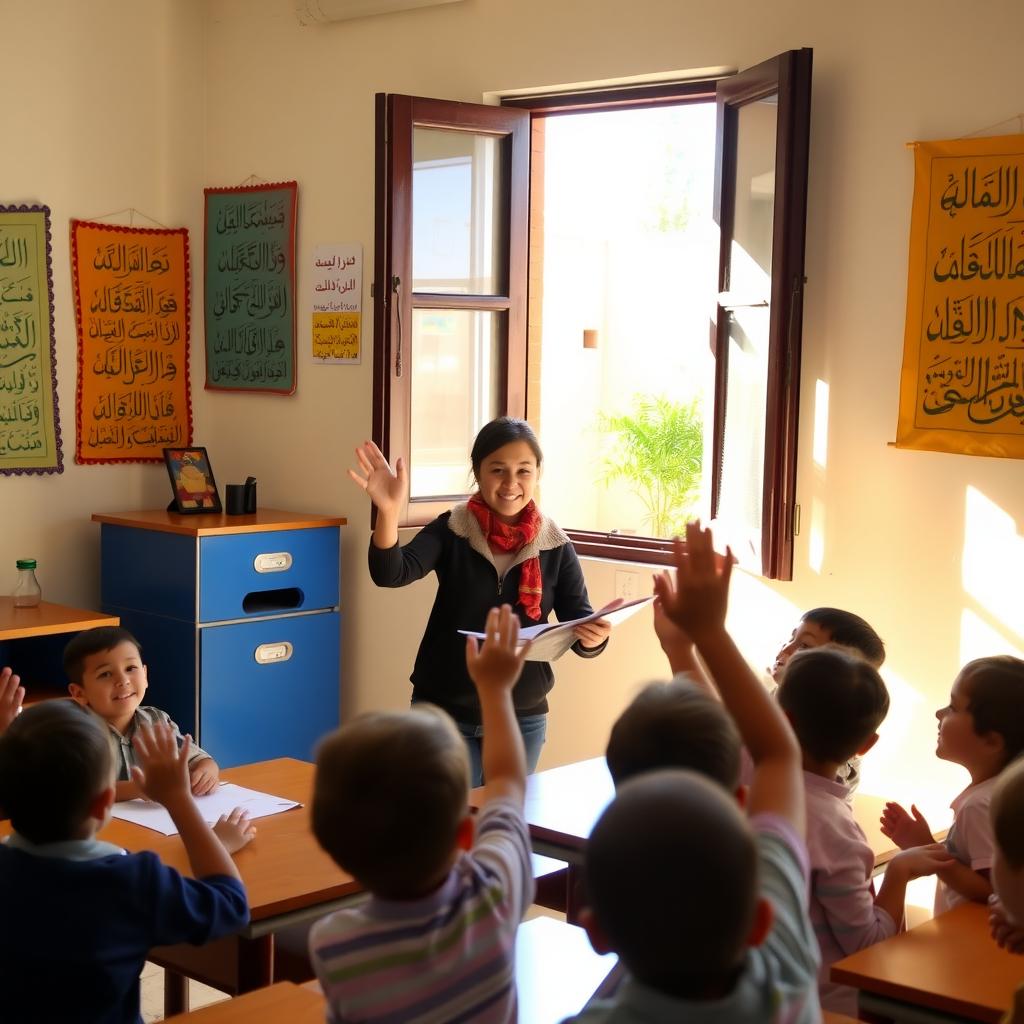
Volunteer abroad and learn a language go hand in hand. Immersion in a culture accelerates language skills, which in turn deepens cultural understanding. In Morocco, I volunteered at a school and learned basic Arabic. My efforts to speak the language, even imperfectly, made locals more open to sharing their culture.
Consider joining language exchange programs or community classes. These not only improve your skills but also create opportunities to connect with locals on a deeper level.
Adapting to Cultural Differences
Adapting to cultural differences requires humility and patience. You’ll make mistakes, and that’s okay. Acknowledge them, apologize if needed, and learn. In Kenya, I once offered food with my left hand, unaware it was considered impolite. A local gently corrected me, and I adjusted my behavior.
Flexibility is key. The more you adapt, the more you’ll gain from your international volunteering experience. Locals appreciate volunteers who show genuine effort to understand their way of life.
Summary
Mastering Cultural Etiquette for Volunteers is about respect, preparation, and openness. By researching local customs, learning basic phrases, and staying adaptable, you can make a positive impact while volunteering abroad. These efforts not only enhance your experience but also build lasting connections with the communities you serve. Embrace the journey with humility, and you’ll leave with unforgettable memories and meaningful relationships.