Developing Impactful Volunteer Programs: A Comprehensive Guide
Discover how to build and manage volunteer programs that truly make a difference. This guide covers best practices, from recruitment to retention, with a focus on advocacy volunteering to amplify your nonprofit's mission.
2 min read
Overview
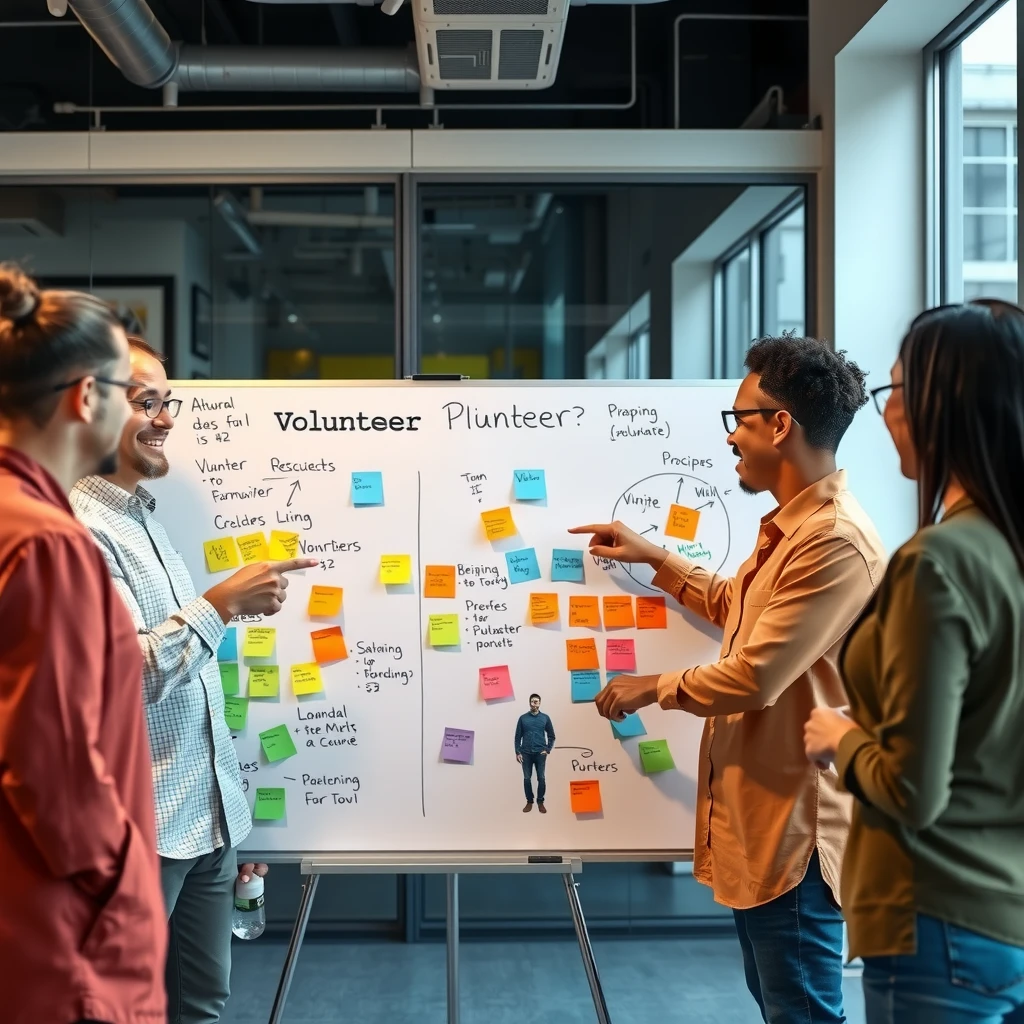
Developing impactful volunteer programs can transform your nonprofit's ability to achieve its goals. Volunteers bring energy, skills, and passion that extend your reach and deepen community connections. In this guide, we'll explore practical steps to create programs that engage people meaningfully and drive real change.
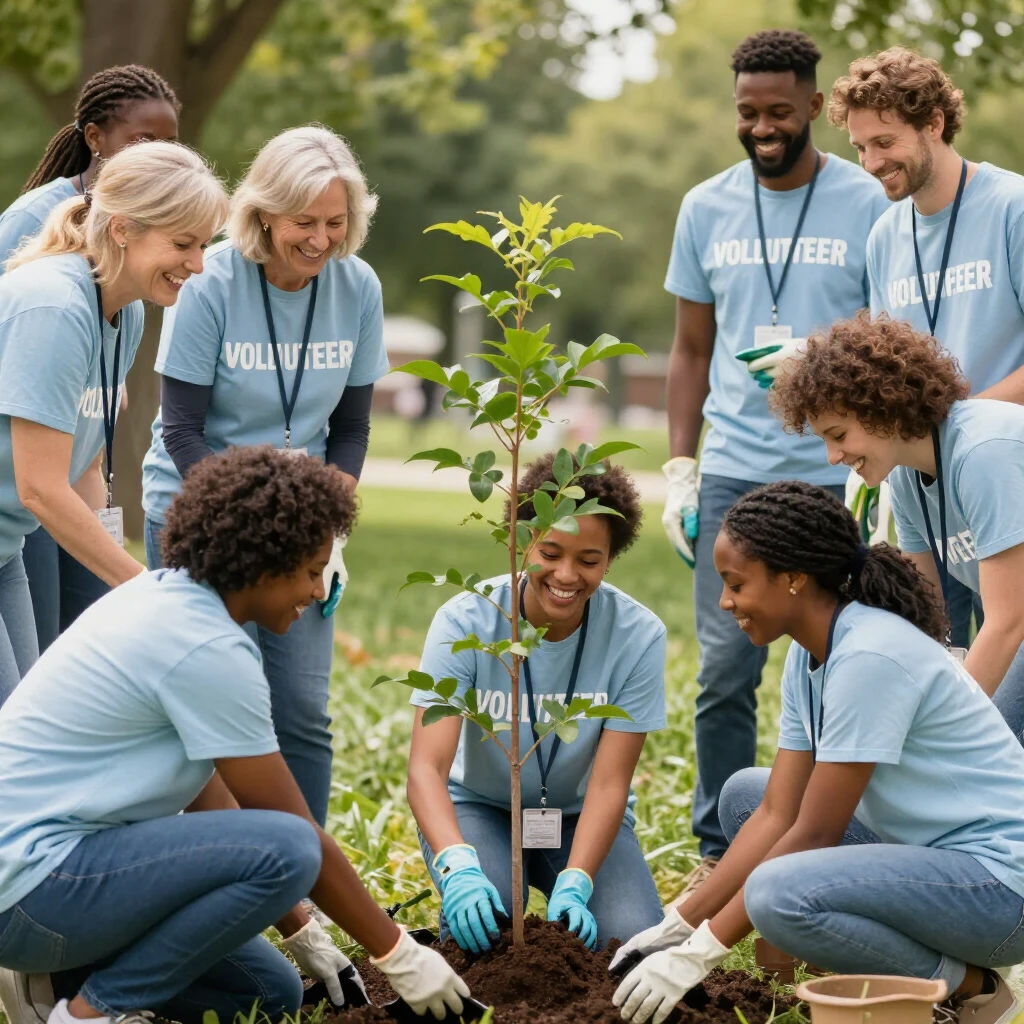
Volunteers are the heartbeat of many nonprofits. They help deliver services, raise awareness, and advocate for causes. But building a strong program takes intention.
I've seen firsthand how a well-run volunteer effort can boost an organization's impact. In one environmental group I worked with, dedicated volunteers helped pass local policies that protected green spaces. That's the power of thoughtful program design.
Start with Clear Goals
Begin by aligning your volunteer program with your mission. Ask: What do we need help with most? Recruitment? Events? Advocacy?
Set specific, measurable goals. For example, aim to recruit 50 new volunteers in a year or increase advocacy actions by 30%.
Recruitment: Find the Right People
Effective recruitment targets people who share your values.
- Use social media to share stories of current volunteers.
- Partner with local businesses, schools, and faith groups.
- Highlight flexible opportunities, like virtual roles.
Make applications simple. A quick online form works best.

Onboarding and Training: Set Volunteers Up for Success
Welcome new volunteers warmly. Provide an orientation that covers your mission, policies, and their roles.
Offer role-specific training. Mix online modules with hands-on sessions.
Pair newcomers with experienced mentors. This builds confidence and connections.
Engagement and Retention: Keep Volunteers Coming Back
Retention matters—national averages hover around 65%, meaning one in three volunteers may leave early.
Build engagement by:
- Communicating regularly with updates on impact.
- Offering flexible scheduling.
- Providing growth opportunities, like skill-building workshops.
Show appreciation often. Thank-you notes, milestone recognitions, and events go a long way.
| Best Practices for Retention | Why It Works |
|---|---|
| Regular feedback surveys | Helps address issues early |
| Personalized thank-yous | Makes volunteers feel valued |
| Impact reports | Shows how their work matters |
| Social events | Builds community |
| Leadership roles | Gives a sense of ownership |
Focus on Advocacy Volunteering
Advocacy turns volunteers into powerful voices for change. Best practices in advocacy volunteering include training on key messages, providing easy tools like email templates, and organizing group actions.
Volunteers can call legislators, share stories online, or host community events. This amplifies your message far beyond staff capacity.
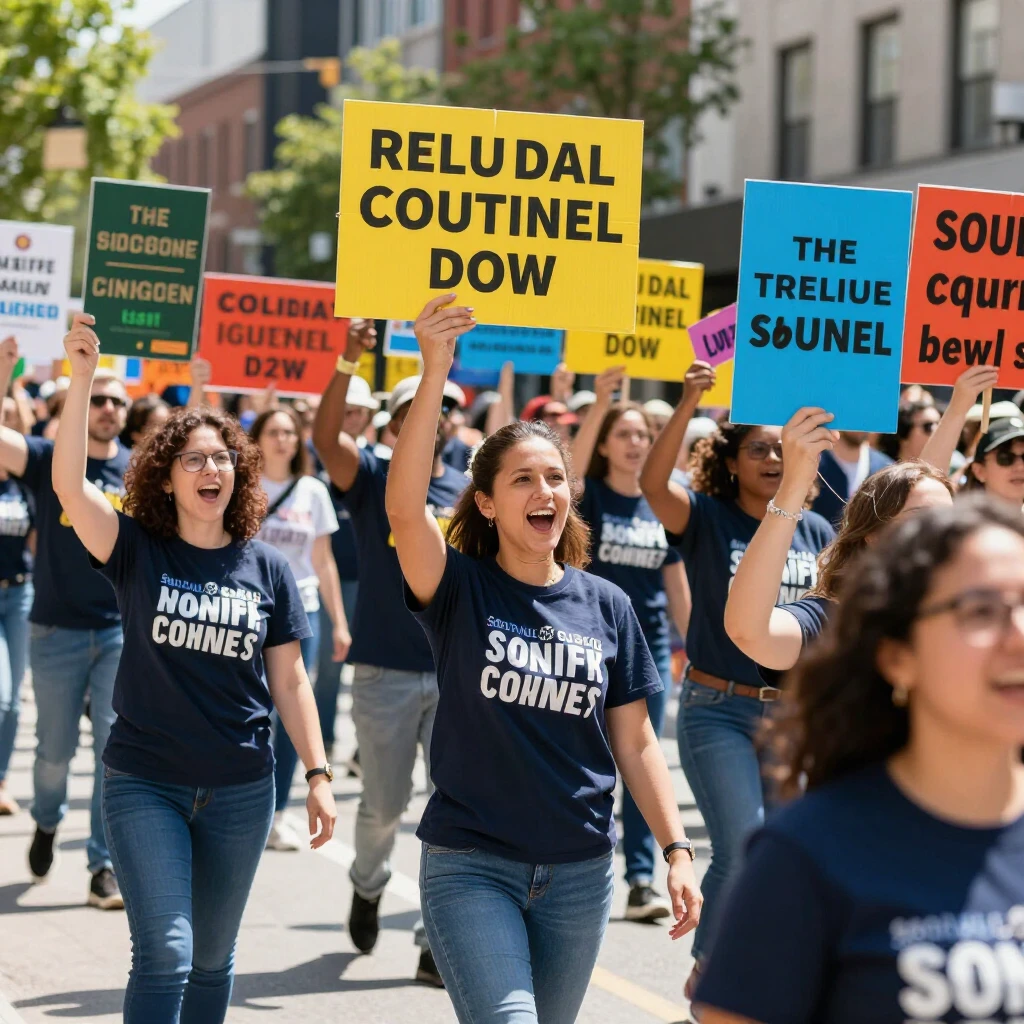
In advocacy programs, empower volunteers with clear calls to action. Track successes, like policies influenced, and share them. This motivates continued involvement.
One advocacy group I know trained volunteers to testify at hearings. Their personal stories swayed decision-makers more than any report could.
Measuring Impact
Track more than hours logged. Measure outcomes: people served, funds raised, or policy wins.
Use simple tools like surveys and databases. Share results with volunteers—they want to know their time made a difference.
Common Challenges and Solutions
Burnout is real. Prevent it with reasonable commitments and support.
Mismatches happen. Interview volunteers to match skills and interests.
Low retention? Listen to exit feedback and adjust.
Developing impactful volunteer programs requires ongoing effort, but the rewards are huge. Strong programs create lasting change and build a community of supporters.
Start small, learn as you go, and celebrate wins. Your volunteers will thank you—and so will the people you serve.