Funding Your Service Learning Project: A Comprehensive Guide
Discover practical strategies for funding your service learning project. This guide covers budgeting, grant applications, fundraising ideas, and community partnerships to help volunteers and students launch impactful initiatives.
4 min read

Overview
Starting a service learning project is an exciting way to make a difference in your community while gaining valuable skills. However, securing funding can feel overwhelming. This guide breaks down actionable steps to fund your project, drawing from real experiences and proven strategies to help you succeed.
Understanding Service Learning and Its Costs
Service learning combines volunteer work with structured learning goals, often tied to academic or personal growth. Whether you’re a student, educator, or community volunteer, launching a project requires careful planning. Costs can include supplies, transportation, training, or event expenses. For example, a project to teach coding to underserved youth might need computers, software licenses, and snacks for participants.
The first step in funding your service learning project is identifying these expenses. Create a detailed budget to estimate costs accurately. This clarity helps when pitching to donors or applying for grants, showing you’ve thought through every detail.

Step 1: Create a Realistic Budget
A solid budget is the backbone of funding your service learning project. List all potential expenses, from materials to travel. Don’t forget indirect costs like printing flyers or renting a venue. For instance, when I helped organize a community garden project, we overlooked soil testing costs initially, which threw off our estimates.
Here’s a simple budgeting framework: - Direct Costs: Supplies, equipment, or venue rentals. - Personnel Costs: Stipends for trainers or guest speakers. - Miscellaneous: Marketing, food, or unexpected expenses.
Use free tools like Google Sheets to track expenses. A clear budget not only guides your funding needs but also builds trust with potential supporters.
Step 2: Explore Grant Opportunities
Grants are a powerful way to fund service learning projects. Many organizations offer funding specifically for community service or educational initiatives. Start by researching local and national grants. For example, the Corporation for National and Community Service provides grants for service learning programs, supporting projects that address community needs.
When applying, tailor your proposal to the grant’s goals. Highlight how your project aligns with their mission, like reducing food insecurity or promoting literacy. My first grant application failed because I didn’t clearly connect our project to the funder’s priorities. Learn from my mistake—be specific and data-driven.
Step 3: Tap Into Community Partnerships
Local businesses, schools, and nonprofits can be valuable allies. Reach out to organizations that share your project’s values. For example, a bookstore might sponsor a literacy program, or a hardware store could donate tools for a community cleanup. When I partnered with a local café for a youth mentorship project, they provided free meeting space and snacks, cutting our costs significantly.
Build relationships early. Attend community events, introduce yourself, and explain your project’s impact. Be clear about what you need—whether it’s funding, supplies, or volunteers—and how they’ll benefit from supporting you.
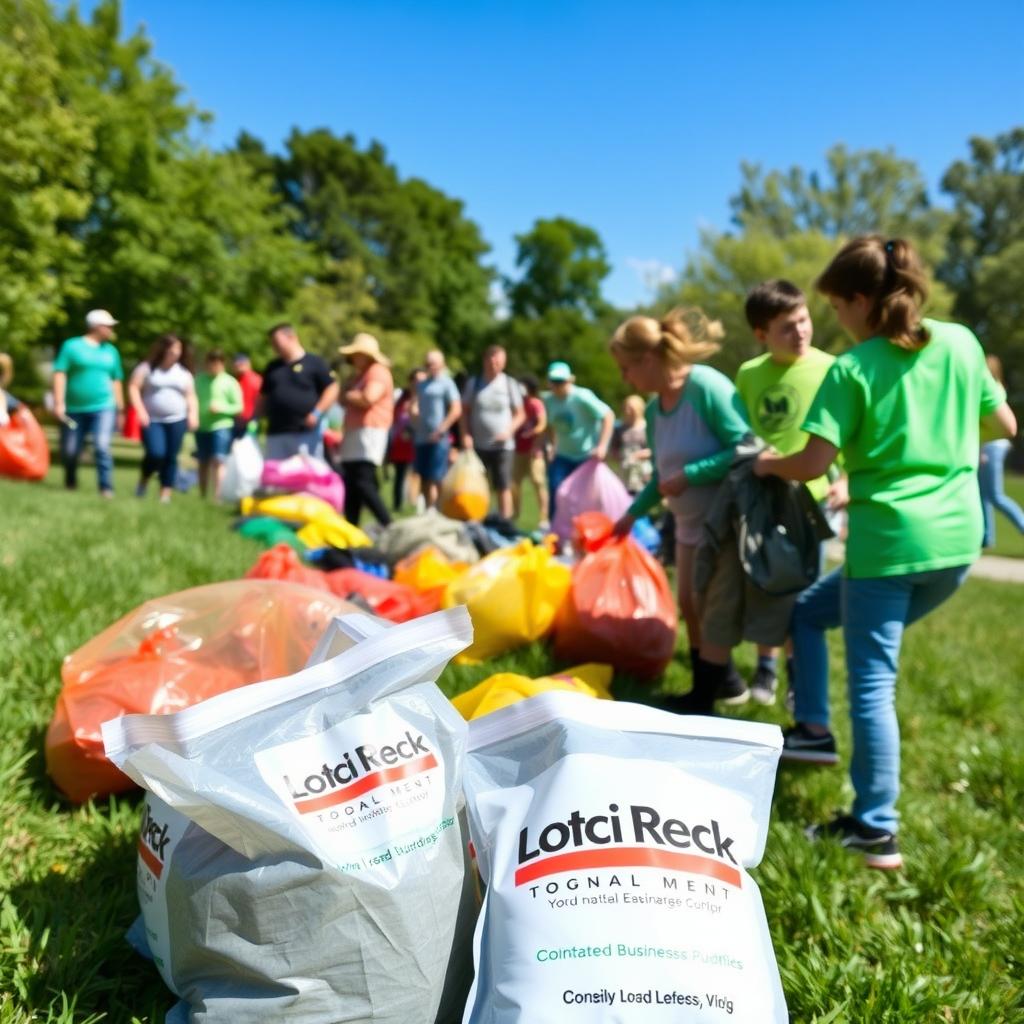
Step 4: Launch Creative Fundraising Campaigns
Fundraising doesn’t have to be boring. Think outside the box to engage your community. Crowdfunding platforms like GoFundMe are great for reaching a wide audience. Share a compelling story about your project’s purpose. For instance, a group I worked with raised $2,000 for a school supply drive by posting a heartfelt video on social media.
Other ideas include: - Events: Host a bake sale, fun run, or talent show. - Sponsorships: Offer shout-outs to donors on project materials. - In-Kind Donations: Ask for goods or services instead of cash.
Keep donors updated on your progress to build trust and encourage future support.
Step 5: Leverage School or University Resources
If you’re a student, your school or university can be a goldmine for funding. Many institutions offer small grants or stipends for service learning projects. For example, the University of Michigan’s Center for Engaged Academic Learning provides funding and mentorship for student-led initiatives.
Check with your school’s community service office or student government. They often have budgets for projects that benefit the campus or local community. Even small grants of $500 can cover basic supplies, giving your project a strong start.
Step 6: Engage Volunteers Effectively
Volunteers are the heart of service learning, and they can also help with funding. Encourage volunteers to spread the word about your project. Their networks might include potential donors or sponsors. In one project, a volunteer’s parent worked at a local bank and secured a $1,000 donation after hearing about our work.
Train volunteers to communicate your project’s mission clearly. Provide them with simple talking points so they can share your goals confidently. This grassroots approach amplifies your reach and builds community buy-in.

Overcoming Common Challenges
Funding a service learning project isn’t always smooth. You might face rejection from grants or struggle to attract donors. Don’t get discouraged. After my first grant rejection, I refined our proposal with feedback from the funder and won a $5,000 award the next year.
Time management is another hurdle. Balancing project planning with school or work requires discipline. Break tasks into small steps, like researching one grant per week. Also, track all applications and follow-ups in a spreadsheet to stay organized.
Maximizing Impact on a Budget
You don’t need a huge budget to make a difference. Focus on high-impact, low-cost strategies. For example, use free social media platforms to promote your project or repurpose donated materials. A friend’s project turned old tires into playground equipment, saving money while being eco-friendly.
Measure your impact to show funders their money was well spent. Track metrics like the number of people served or skills learned. This data strengthens future funding requests and proves your project’s value.
Summary
Funding your service learning project is achievable with careful planning and creativity. Start with a clear budget, explore grants, partner with local organizations, and engage your community through fundraising and volunteers. By combining these strategies, you can launch a project that makes a lasting impact. Stay persistent, learn from setbacks, and celebrate your successes.