Funding Your Service Learning Project: A Step-by-Step Guide
Discover practical strategies for funding your service learning project. This comprehensive guide offers actionable tips, personal insights, and expert advice to help volunteers and educators secure resources and bring impactful projects to life.
4 min read
Overview
Starting a service learning project is exciting, but finding the funds to make it happen can feel overwhelming. Whether you're a student, educator, or volunteer, securing resources is key to turning your vision into reality. This guide will walk you through practical steps to fund your service learning project, drawing from real experiences and proven strategies.
What Is Service Learning?
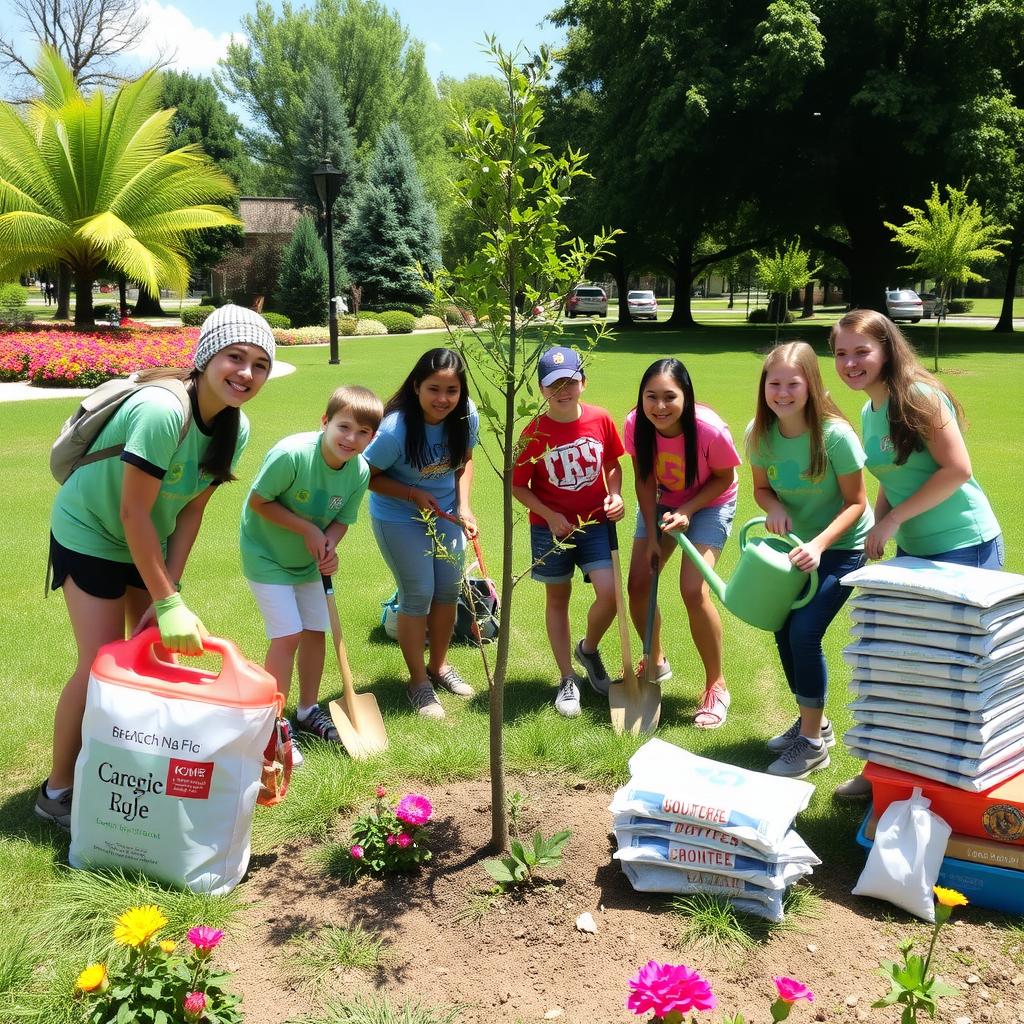
Service learning combines community service with structured learning goals. Unlike traditional volunteering, it integrates reflection and education, helping participants grow while addressing community needs. For example, a project might involve students cleaning a local park while learning about environmental conservation. Funding these initiatives ensures they have the tools, materials, and support to succeed.
When I helped organize a service learning project for a local food bank, we needed funds for supplies like boxes and transportation. The process taught me that creative funding strategies and community partnerships can make all the difference. Let’s dive into how you can start and fund your own project.
Step 1: Define Your Project’s Goals and Budget
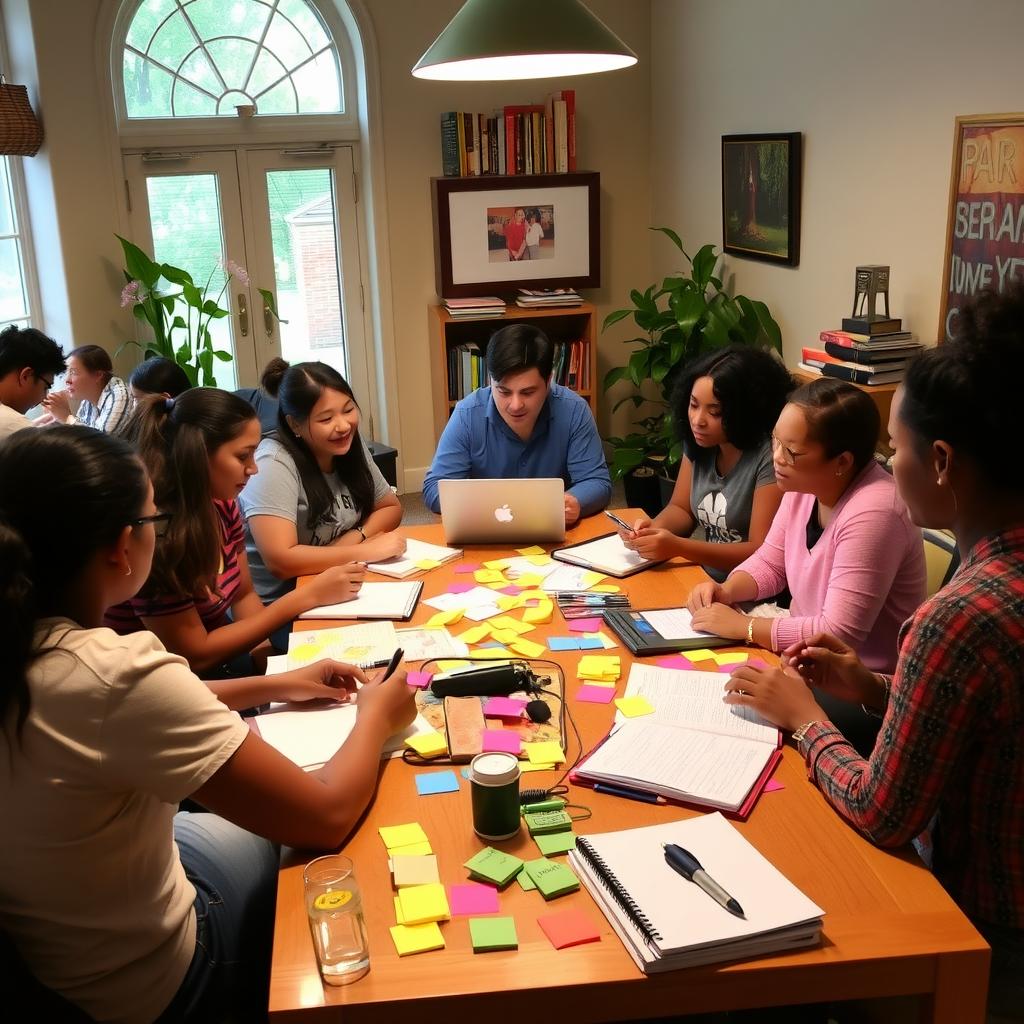
Before seeking funds, clarify your project’s purpose. Ask yourself: What problem are you solving? Who benefits? For instance, if your project teaches kids to read, you might need books, snacks, and a venue. Create a detailed budget listing all expenses, from materials to travel costs.
Here’s a sample budget breakdown for a small service learning project:
| Item | Estimated Cost |
|---|---|
| Supplies (e.g., notebooks, pens) | $200 |
| Transportation | $150 |
| Venue Rental | $100 |
| Marketing Materials | $50 |
| Miscellaneous | $100 |
| Total | $600 |
This clarity helps when pitching to funders, showing you’ve thought things through.
Step 2: Tap Into Local Resources
Start close to home. Local businesses, schools, and community organizations often support service learning projects. Reach out to them with a clear pitch. When I approached a nearby bookstore for our literacy project, they donated books after we explained how their contribution would help kids read.
Try these local funding sources: - Businesses: Offer sponsorships in exchange for recognition. - Civic Groups: Rotary or Lions Clubs often fund community projects. - Schools or Universities: Check for student grants or department budgets.
Always follow up with a thank-you note and updates on your project’s impact.
Step 3: Explore Grants and Scholarships
Grants are a fantastic way to fund your service learning project. Many organizations offer funding for youth-led or community-focused initiatives. For example, the Youth Service America provides grants for student-led projects. Research grants specific to your project’s focus, like education or environmental causes.
To apply for grants: 1. Search platforms like Grants.gov or local community foundations. 2. Tailor your application to the grant’s goals. 3. Include a clear budget and project timeline.
In my experience, grant applications take time, so start early and double-check deadlines.

Step 4: Crowdfunding for Community Support
Crowdfunding platforms like GoFundMe or Kickstarter can rally community support. Create a compelling story about your project’s mission. For our food bank project, we raised $500 through a GoFundMe campaign by sharing photos and stories about the families we helped. Include a short video to boost engagement.
Tips for a successful crowdfunding campaign: - Set a realistic funding goal. - Share regular updates to keep donors engaged. - Offer small rewards, like thank-you cards or project updates.
Be transparent about how funds will be used to build trust with donors.
Step 5: Host Fundraising Events
Organizing events like bake sales, talent shows, or fun runs can raise funds while building community excitement. For our literacy project, we held a read-a-thon where kids got sponsors for each book they read. It raised $300 and got everyone involved.
Event ideas: - Car Wash: Low-cost and fun for volunteers. - Community Dinner: Charge for tickets and share your project’s story. - Silent Auction: Ask local businesses for donated items.
Plan events that align with your project’s mission to keep the focus clear.
Step 6: Partner with Nonprofits
Nonprofits often have resources or connections to help fund your project. Partnering with a local organization can provide access to their donors or grants. For example, our food bank project teamed up with a nonprofit that provided free transportation, saving us hundreds of dollars.
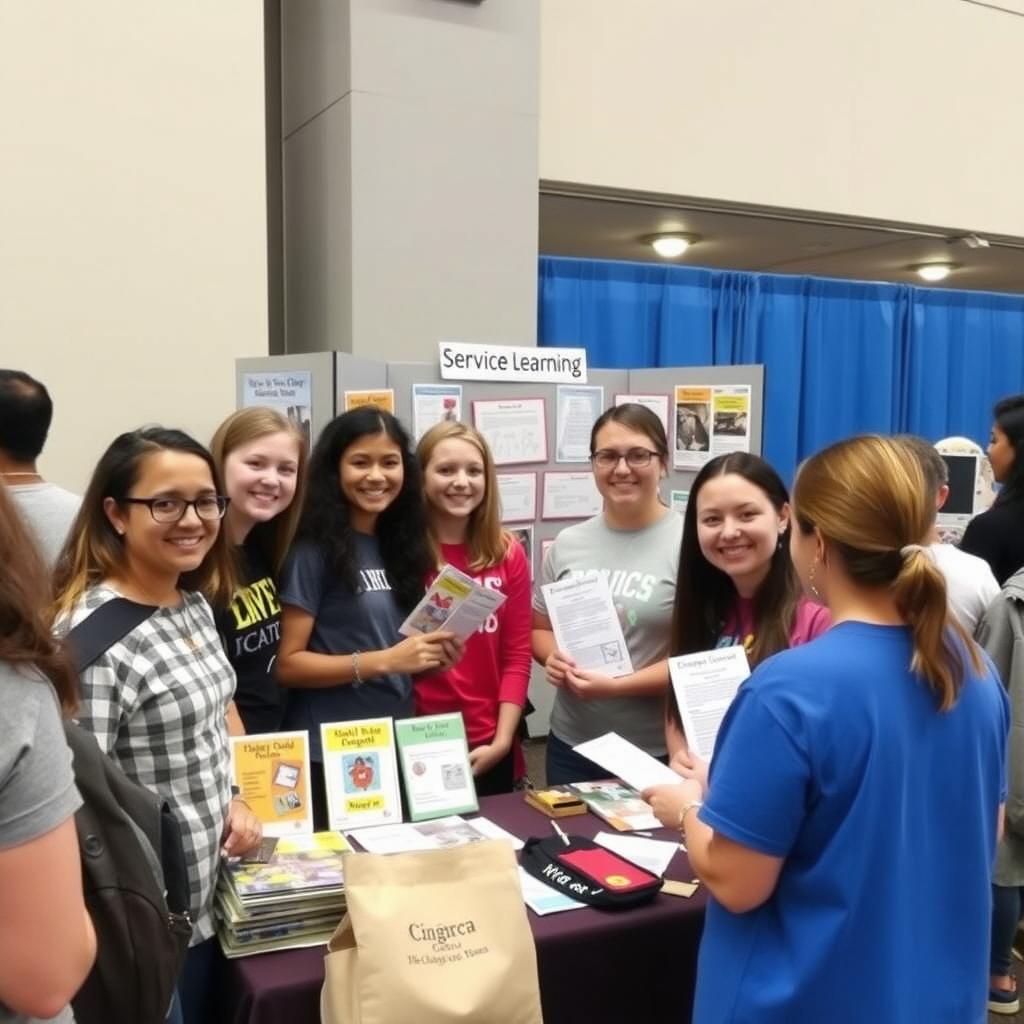
Reach out to nonprofits with similar goals. Offer to collaborate on events or share resources. A quick email or meeting can open doors to funding and support.
Step 7: Leverage Social Media
Social media is a powerful tool to spread the word about your project. Create posts on platforms like Instagram or X to share your mission and funding needs. For our project, posting regular updates on X helped us connect with local donors who shared our posts.
Use hashtags like #ServiceLearning or #Volunteer to reach a wider audience. Engage followers by sharing behind-the-scenes photos or success stories. A single viral post can bring in unexpected support.
Overcoming Common Challenges
Funding your service learning project isn’t always smooth. You might face rejection from grants or low turnout at events. Don’t get discouraged. When our first grant application was denied, we revised our pitch and applied to another foundation, which approved us. Persistence pays off.
Another challenge is time. Balancing school, work, or volunteering with fundraising can be tough. Create a timeline and delegate tasks to your team. For example, assign one person to handle social media and another to research grants.
Personal Reflections
Funding a service learning project taught me more than just budgeting. It showed me the power of community and creative problem-solving. Watching kids read their first book or families receive food boxes made every fundraising effort worth it. Your project can create that same ripple effect.
Summary
Funding your service learning project takes planning, creativity, and persistence. By defining your goals, tapping into local resources, applying for grants, and engaging your community, you can secure the funds needed to make a difference. Start small, stay organized, and let your passion drive you.