How to Implement Service Learning in Your Curriculum
Discover practical steps to integrate service learning into your curriculum, fostering civic engagement and meaningful student experiences. This comprehensive guide offers actionable strategies, real-world examples, and tips to create impactful service learning programs that benefit both students and communities.
4 min read
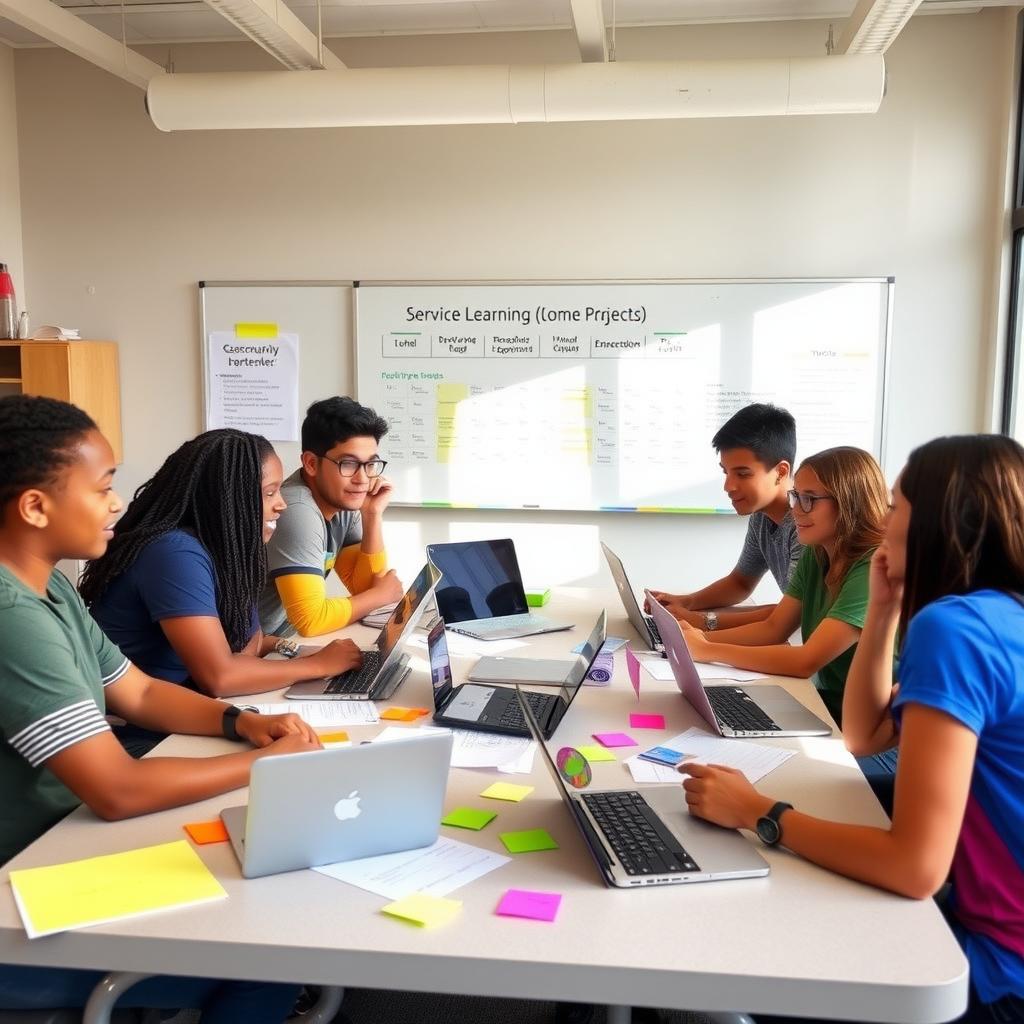
Overview
Service learning blends classroom education with community service, creating a powerful way to teach students while addressing real-world needs. By learning how to implement service learning in your curriculum, educators can inspire students to engage with their communities, develop critical skills, and grow as responsible citizens. This guide walks you through the process with practical steps and insights.
What Is Service Learning?
Service learning is more than volunteering—it’s an educational approach that combines academic goals with meaningful community service. Unlike traditional volunteering, service learning ties directly to your curriculum, encouraging students to apply what they learn in class to real-world problems. It fosters service learning and civic engagement by connecting students with their communities in purposeful ways.
For example, a history class studying local government could partner with a city council to research community issues. Students learn about civic processes while contributing to their town. This hands-on approach makes learning relevant and memorable, helping students see the value of their education.
Why Service Learning Matters
Service learning benefits everyone involved. Students gain practical skills like teamwork, problem-solving, and communication. Communities receive support for local needs, from environmental projects to social services. Teachers see students become more engaged and motivated. Research shows service learning improves academic performance and civic responsibility, with a 2017 study from the National Service-Learning Clearinghouse reporting a 20% increase in student engagement in programs with strong service learning components.

Step 1: Align Service Learning with Curriculum Goals
To implement service learning in your curriculum, start by identifying how it fits with your academic objectives. Look at your lesson plans and pinpoint topics that connect to community issues. For a science class, this could mean studying local water quality and partnering with an environmental group. For English, students might write grant proposals for a nonprofit.
Ask yourself: What skills or knowledge can students apply outside the classroom? Ensure the project supports your standards while addressing a real community need. This alignment keeps the project focused and ensures it enhances, rather than competes with, your teaching goals.
Step 2: Find Community Partners
Strong partnerships are the heart of service learning. Reach out to local organizations like food banks, libraries, or environmental groups. These partners provide real-world context and resources for your projects. For example, a math class could work with a local charity to analyze donation data, teaching statistics while supporting the organization.
When choosing partners, prioritize those with clear needs and a willingness to collaborate. Meet with them to discuss goals, expectations, and logistics. Clear communication ensures the partnership benefits both students and the community.
Step 3: Design the Project
Once you have a partner, design a project that’s engaging and manageable. Break it into clear steps: planning, action, reflection, and evaluation. For instance, a social studies class might plan a voter registration drive, carry it out, reflect on the experience, and evaluate its impact.
Here’s a sample project framework:
| Phase | Tasks | Timeline |
|---|---|---|
| Planning | Research issue, meet with partner | 2 weeks |
| Action | Implement project (e.g., volunteer) | 4 weeks |
| Reflection | Discuss experiences, write reflections | 1 week |
| Evaluation | Assess impact, present findings | 1 week |
This structure keeps students on track and ensures the project aligns with learning goals.
Step 4: Engage Students
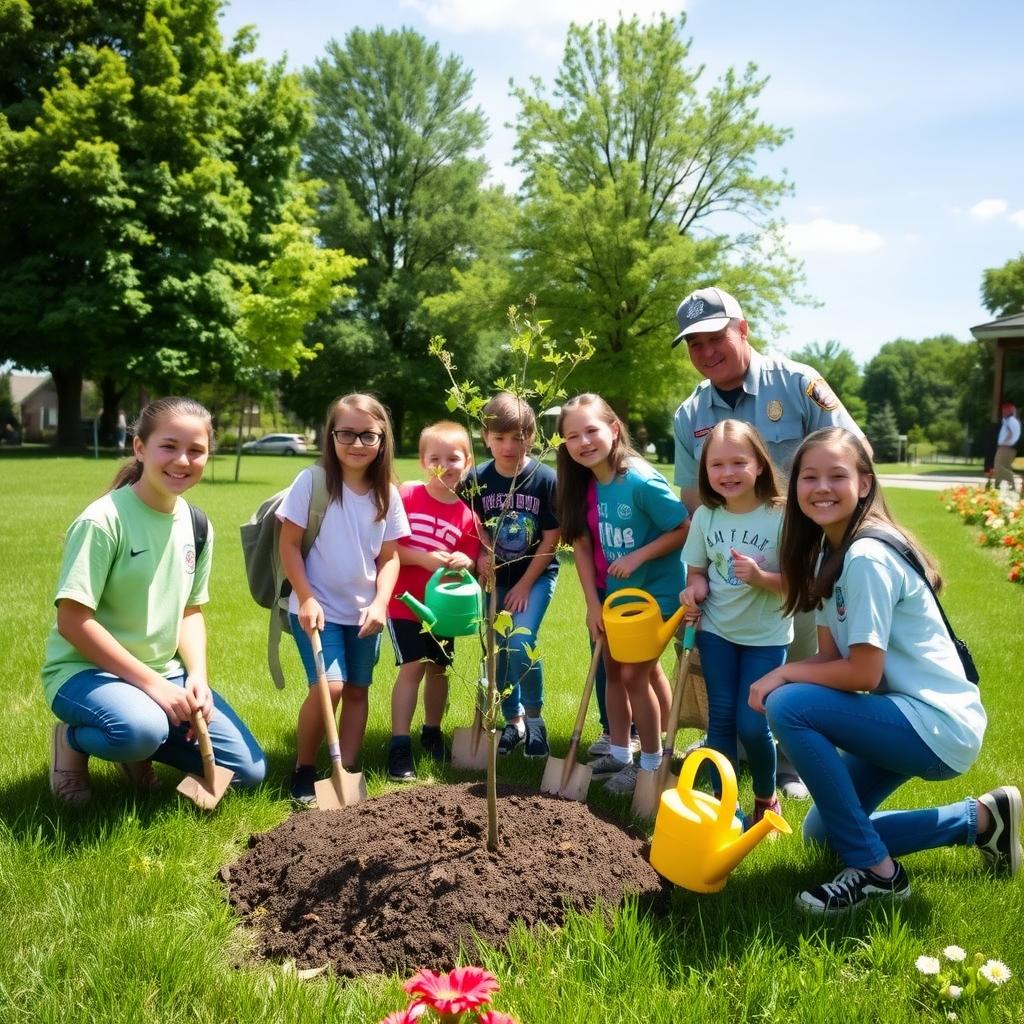
Students thrive when they feel ownership of their projects. Involve them in planning and decision-making. Let them choose roles based on their interests, like researcher, organizer, or presenter. Encourage creativity—maybe they’ll design posters for a community event or create a social media campaign.
Motivation comes from seeing the impact of their work. Share stories from community partners about how students’ efforts make a difference. For example, when my students tutored younger kids at a local shelter, hearing the kids’ progress reports lit up their faces. It showed them their work mattered.
Step 5: Incorporate Reflection
Reflection is what makes service learning more than just volunteering. It helps students process their experiences and connect them to academic concepts. Use journals, discussions, or presentations to encourage reflection. Ask questions like: What did you learn about yourself? How did this project change your view of the community?
For instance, after a project cleaning up a local river, students in my class wrote essays linking their work to environmental science lessons. These reflections deepened their understanding and made the experience personal.
Step 6: Assess and Celebrate Impact
Evaluate both student learning and community impact. Use rubrics to assess skills like collaboration or critical thinking. Gather feedback from community partners to measure the project’s success. Did the food drive collect enough donations? Did the community garden thrive?
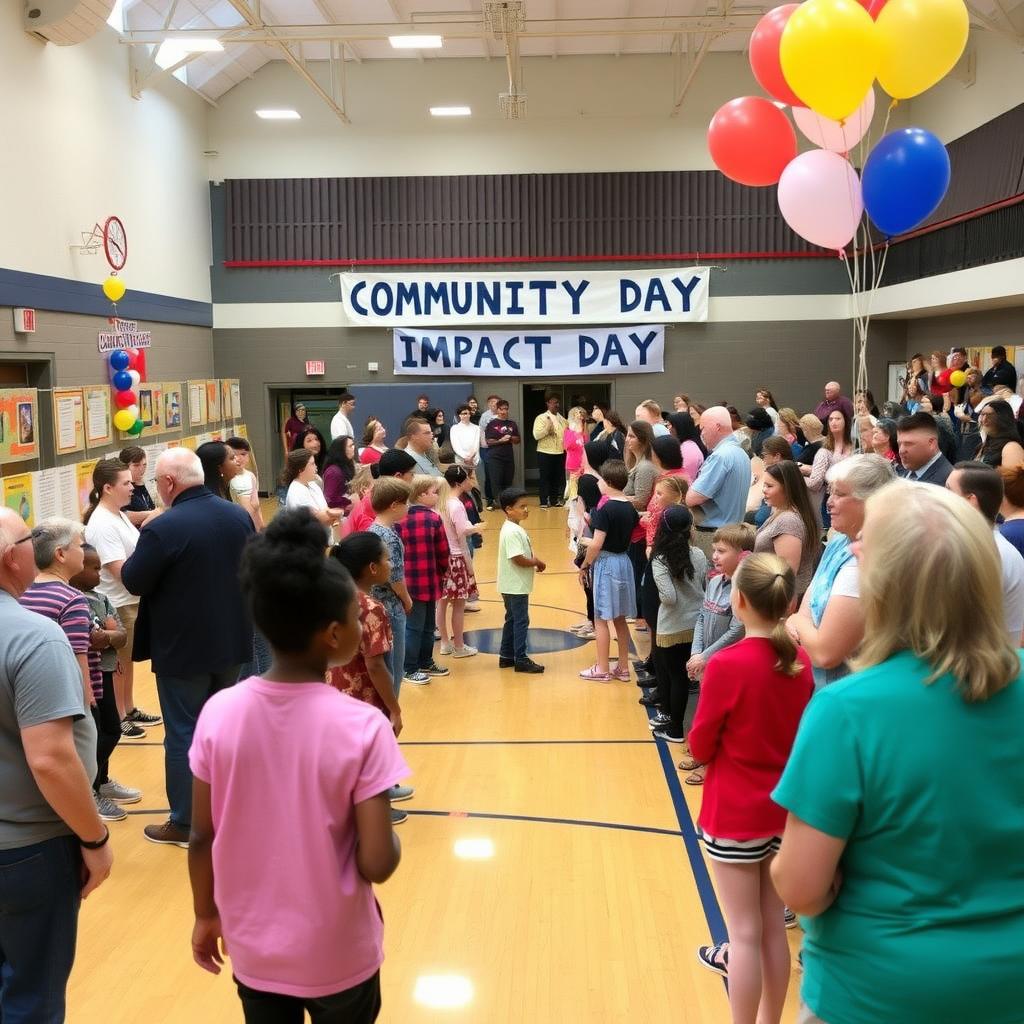
Celebrate achievements with students and partners. Host a showcase where students present their work or invite community members to a thank-you event. Recognizing their efforts reinforces the value of service learning and civic engagement.
Overcoming Common Challenges
Implementing service learning isn’t always smooth. Time constraints, limited resources, or uninterested students can pose hurdles. To manage time, integrate service learning into existing assignments. For resources, seek small grants from organizations like Youth Service America. For student buy-in, connect projects to their interests—maybe a tech-savvy class creates a website for a nonprofit.
When I faced pushback from a disengaged class, I let them vote on project ideas. They chose to organize a pet adoption event, and their enthusiasm skyrocketed. Flexibility and student input can turn challenges into opportunities.
Summary
Service learning transforms education by connecting classroom lessons to community needs. By aligning projects with your curriculum, partnering with local organizations, and engaging students in meaningful ways, you can create impactful experiences. Start small, reflect often, and celebrate successes to build a culture of service learning and civic engagement in your classroom.