How to Implement Service Learning in Your Curriculum: A Step-by-Step Guide for Educators
Learn practical steps on how to implement service learning in your curriculum. This guide blends classroom lessons with volunteer work to boost engagement through service learning and civic engagement while building real-world skills.
3 min read
Want to make your lessons more meaningful? How to implement service learning in your curriculum is simpler than it sounds. This approach mixes classroom teaching with hands-on volunteer work. Students learn better while helping their communities. This guide gives you clear steps to get started and see real results.
Service learning connects what students study in class to real community needs. It is not just extra volunteer time. Instead, it ties academics directly to action. Students prepare, serve, reflect, and show what they learned. This builds stronger skills and a sense of purpose.
Unlike regular volunteering, service learning keeps the focus on curriculum goals. For example, a science class might test local water and present solutions to city leaders. Students apply facts they learned while making a difference. Teachers who try this often see students more excited about school.
Service learning and civic engagement work together. Students learn to care about their neighborhood and become active citizens. They practice teamwork, problem-solving, and empathy. Many schools report better attendance and grades after adding these projects.
I remember my first service learning project in a middle school history class. Students interviewed local veterans and created a digital archive. The kids were hooked because the work mattered. One student told me it changed how he saw his own role in the community.
The benefits go far beyond grades. Students gain confidence and leadership. Communities receive real help from eager volunteers. Teachers enjoy fresh energy in the classroom. Parents notice their children thinking about others more. Overall, everyone wins when you bring service learning into your curriculum.
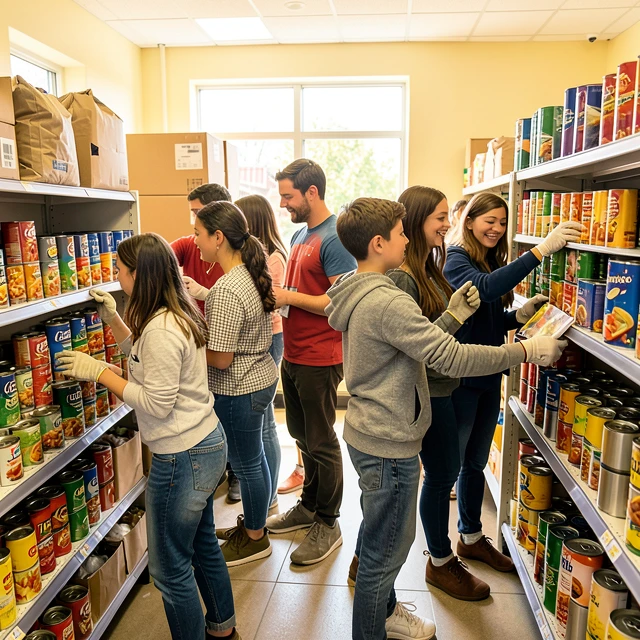
Ready to begin? Here is how to implement service learning in your curriculum. Follow these steps and adjust for your grade level and subject. Start small if you are new to the process.
Step 1: Assess needs and align with curriculum. Talk to local groups to find pressing issues. Check your standards to see where they match. Create a simple table like this to organize ideas:
| Subject Area | Community Need | Volunteer Idea |
|---|---|---|
| Science | Pollution | River cleanup |
| Math | Budget help | Food drive math |
| English | Literacy | Reading buddies |
This keeps your project focused and effective. Involve students in the planning to increase buy-in.
Step 2: Set clear learning goals. Write objectives that cover both academics and civic growth. Make them measurable. For instance, students will calculate statistics from a volunteer food drive and write a report on hunger in their area.
Step 3: Build strong partnerships. Contact nonprofits, libraries, or parks departments. Meet in person and explain mutual benefits. Sign simple agreements so everyone knows roles and safety rules.
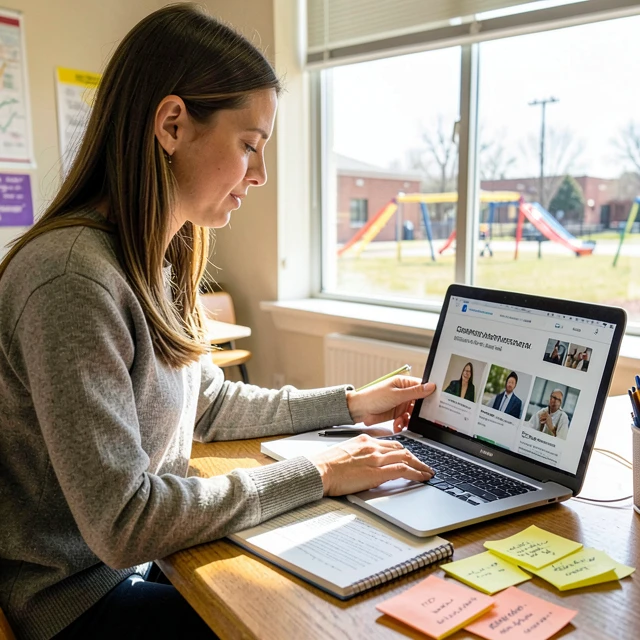
Step 4: Design the activities. Plan preparation lessons, the volunteer work, and reflection time. Schedule everything over several weeks. Keep safety first and get parent permissions early.
Step 5: Prepare students. Teach background knowledge and skills. Discuss what to expect during volunteer time. Role-play situations so they feel ready and respectful.
Step 6: Carry out the project and reflect often. After each volunteer session, hold short group talks. Ask open questions like 'What surprised you?' and 'How does this connect to our lesson?'
Step 7: Celebrate and assess. Have students present their work. Use rubrics to grade both the service and the learning. Share results with the school and partners.
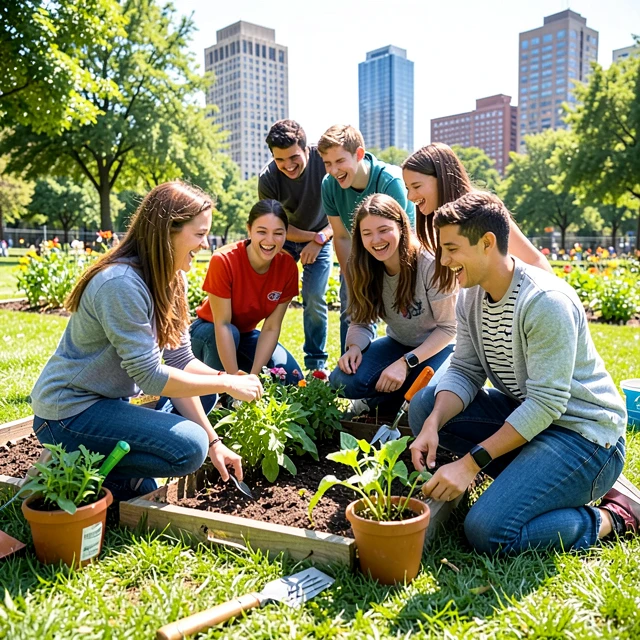
Challenges can pop up, but they are manageable. Time limits are common. Start with short projects. Transportation issues? Partner with groups that provide rides or host on-site activities.
Some students may feel shy at first. Pair them with buddies and give clear roles. Weather or scheduling conflicts? Have backup indoor options ready. Stay flexible and communicate often with partners.
Assessment is key to success. Use journals for reflection, presentations for demonstration, and pre-and-post surveys for growth. Track both academic gains and changes in civic attitudes. This proves the value to administrators and parents.
In conclusion, how to implement service learning in your curriculum takes thoughtful planning but delivers powerful results. Students become better learners and citizens. Start with one unit this year and watch the positive changes unfold. Your classroom will never be the same.