How to Prepare for Your Volunteering Experience: A Comprehensive Guide
Discover how to prepare for your volunteering experience with practical tips on choosing the right program, packing, cultural adaptation, and language learning. This guide offers actionable insights for a rewarding international volunteering journey.
5 min read
Overview
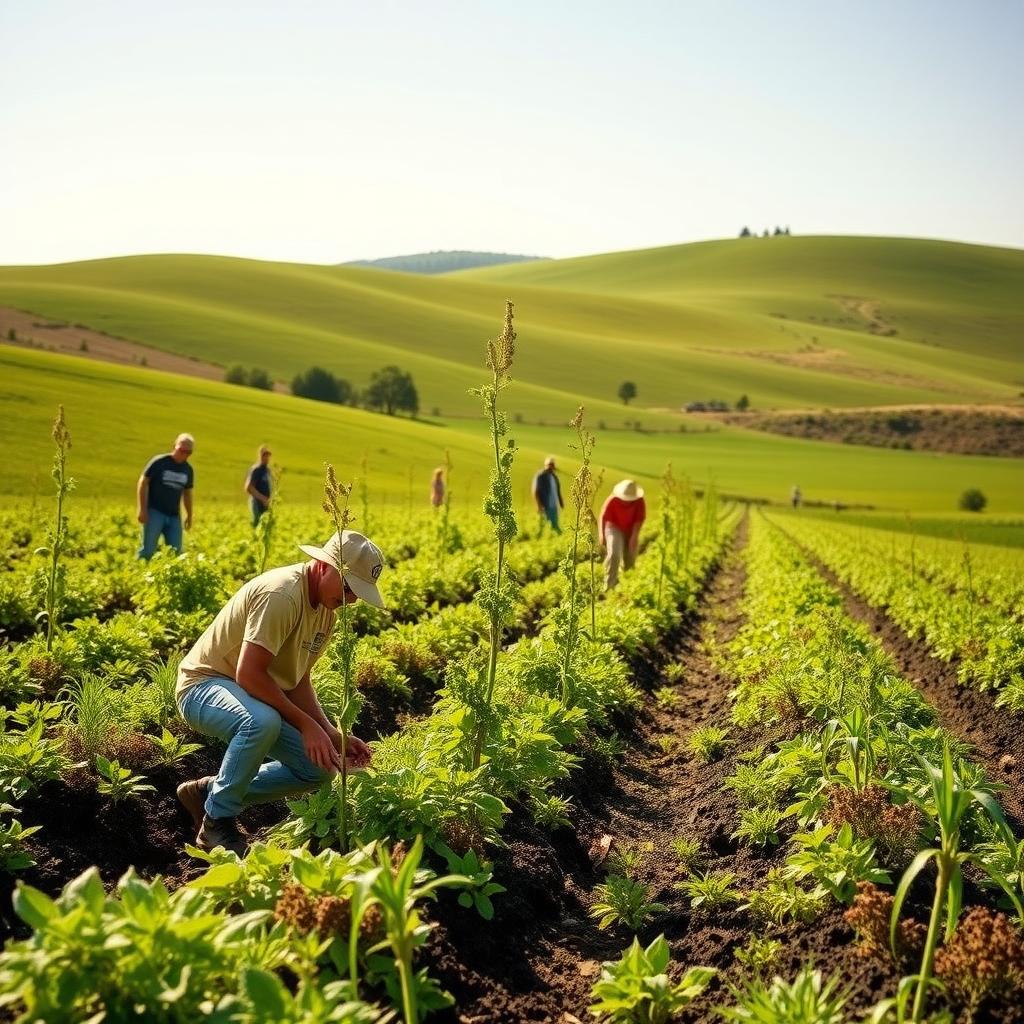
Volunteering, especially abroad, is a life-changing adventure that blends purpose with personal growth. Whether you're teaching in a rural school or aiding conservation efforts, preparation is key to a fulfilling experience. This guide covers How to Prepare for Your Volunteering Experience, from selecting the right program to mastering cultural nuances.
Why Preparation Matters
Volunteering isn't just about showing up. It's about making a real impact while growing as a person. Good preparation ensures you’re ready for challenges, from language barriers to cultural differences. I once volunteered in a small Peruvian village, and my lack of preparation for the altitude left me breathless—literally. Proper planning prevents such hiccups and maximizes your contribution.
How to Choose the Right Volunteering Program
Finding the perfect volunteering program can feel overwhelming with so many options. Start by defining your goals. Are you passionate about education, environmental conservation, or healthcare? Align your skills and interests with the program’s mission. For example, if you love working with kids, a teaching program might be ideal.
Next, research the organization’s credibility. Check reviews on platforms like GoAbroad or Volunteer Forever. Look for transparency in how funds are used and whether they prioritize local needs. I learned this the hard way when I signed up with a group that promised community impact but focused more on touristy excursions.
| Criteria | Questions to Ask |
|---|---|
| Mission Alignment | Does the program match my values and skills? |
| Impact | How does it benefit the local community? |
| Support | Are there on-ground coordinators or training? |
| Cost | Are fees reasonable and transparent? |
| Duration | Does the time commitment suit my schedule? |
Consider the location, too. Urban programs might offer better amenities, while rural ones provide deeper cultural immersion. Finally, ensure the program’s duration fits your availability—short-term (1-4 weeks) or long-term (several months) options vary widely.
Packing Smart for Your Trip
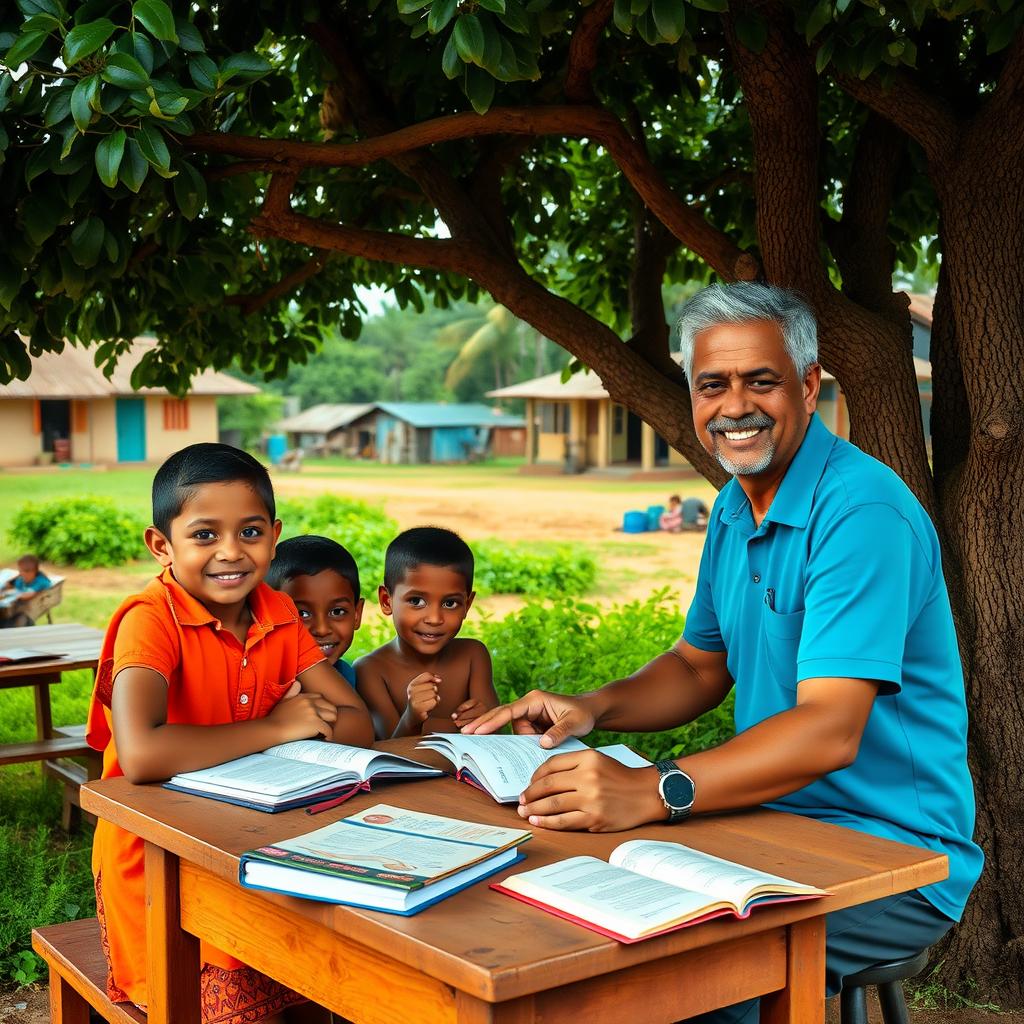
Packing for international volunteering requires balance—you need essentials without overpacking. Start with versatile clothing suited to the climate. For my Peru trip, I packed breathable layers for chilly nights and warm days. Check local weather patterns and cultural norms; modest attire is often key in conservative regions.
Packing Checklist: - Documents: Passport, visas, travel insurance, and program details. - Clothing: Weather-appropriate, modest outfits, and sturdy shoes. - Health: Medications, first-aid kit, and insect repellent. - Tech: Universal adapter, power bank, and a basic phone for emergencies. - Personal: Journal, reusable water bottle, and small gifts for locals (e.g., pens or notebooks).
Pack light to leave room for souvenirs, but include items that make you feel at home, like a favorite book. Always verify baggage restrictions with your airline.
Cultural Preparation: Embracing the Unknown
International volunteering often means stepping into a new culture. Researching local customs prevents accidental offense. For instance, in Thailand, pointing your feet at someone is disrespectful—something I learned after an awkward moment at a temple. Read about traditions, greetings, and taboos on sites like Culture Crossing.
Connect with past volunteers through forums or social media for insider tips. Practice humility and patience; you’re a guest in someone’s home. Small gestures, like learning basic greetings, go a long way in building trust with locals.
Language Learning Tips for Volunteers
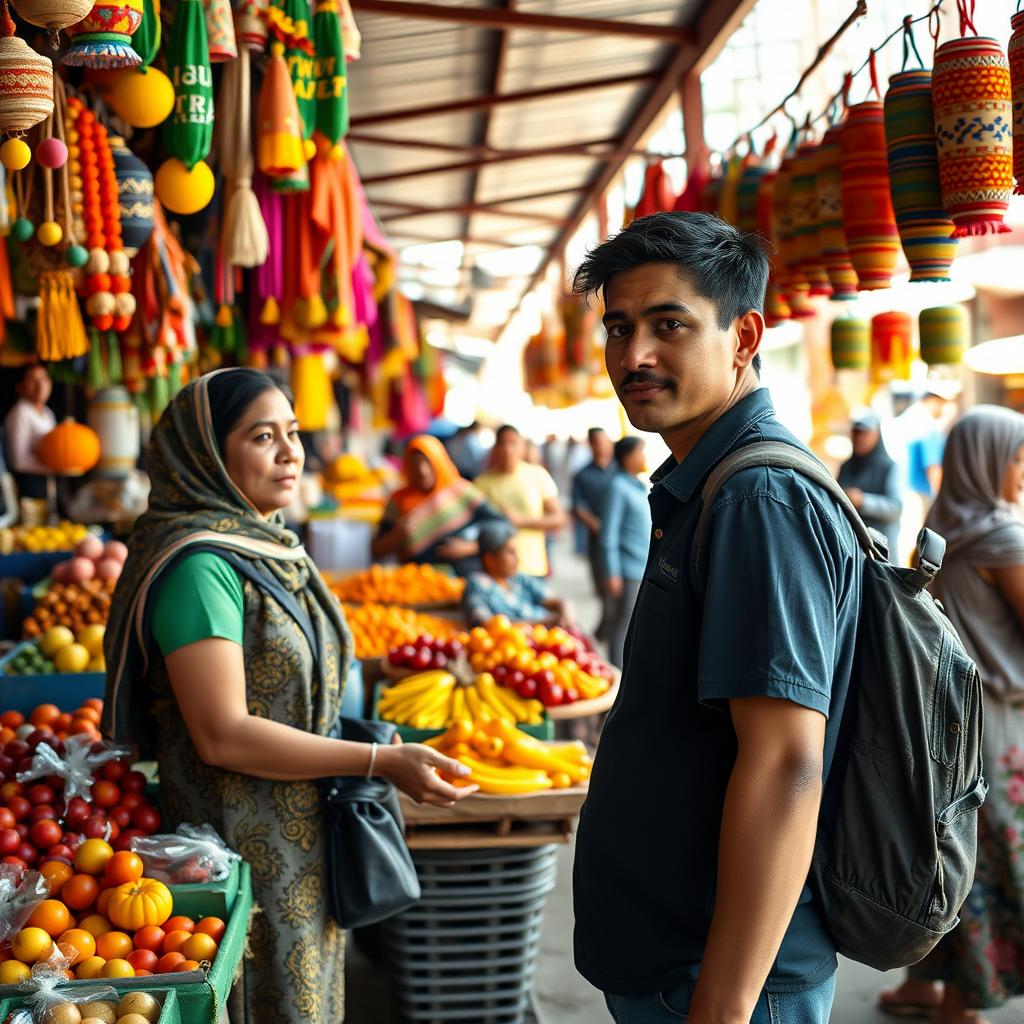
Language barriers can make volunteering tricky, but they’re also a chance to grow. Volunteer abroad and learn a language is a powerful combo that deepens your connection to the community. Before my trip to Guatemala, I used apps like Duolingo and Memrise to learn basic Spanish. It wasn’t fluency, but knowing “¿Dónde está la escuela?” helped me navigate.
Language Learning Tips: 1. Start Early: Begin 2-3 months before your trip with 15-30 minutes daily. 2. Focus on Basics: Learn greetings, directions, and job-specific phrases (e.g., “Can you read this?” for teaching). 3. Use Apps: Duolingo, Babbel, or Rosetta Stone are beginner-friendly. 4. Practice with Locals: Once there, speak daily, even if you make mistakes. 5. Immerse Yourself: Watch local shows or listen to music in the target language.
If your program offers language classes, sign up. I took a crash course in Quechua in Peru, and locals appreciated my effort, even if my pronunciation was shaky. Mistakes are part of the process—laugh them off and keep learning.
Mental and Emotional Preparation
Volunteering can be emotionally intense. You might face poverty, isolation, or cultural shock. Before my first trip, I underestimated how homesickness would hit. Prepare by setting realistic expectations. Talk to friends or family about your goals and fears. Journaling helped me process tough days in the field.
Build resilience by focusing on small wins—like a student mastering a new word or a garden you helped plant. If your program offers mental health resources, use them. Organizations like Projects Abroad often provide support for volunteers.

Practical Logistics: Visas, Health, and Safety
International volunteering requires logistical prep. Check visa requirements early—some countries need specific volunteer visas. For example, India’s volunteer visa process can take weeks, so plan ahead. Use government sites like Travel.State.Gov for accurate info.
Health precautions are critical. Get recommended vaccines and consult a travel clinic. I got a typhoid shot before Peru, which saved me stress when eating local food. Carry a small medical kit and know where the nearest clinic is.
Safety-wise, register with your embassy and share your itinerary with family. Avoid risky areas, especially at night. Trust your instincts—if something feels off, speak to your program coordinator.
Making the Most of Your Experience
To truly benefit from volunteering, stay open to learning. Engage with locals beyond your work—join community events or share meals. In Guatemala, I bonded with my host family over late-night card games, which taught me more about their culture than any guidebook.
Document your journey through photos or a blog, but respect privacy—always ask before photographing people. Reflect on your impact and what you’ve learned. These moments shape not just your trip but your perspective for years to come.
Summary
Preparing for your volunteering experience is about more than packing a bag—it’s about readying your mind, skills, and heart. From choosing the right program to learning a language and embracing cultural differences, thorough preparation ensures you make a meaningful impact. Start early, stay open, and enjoy the journey.