How to Start a Community Garden: A Beginner’s Guide
A beginner’s guide to starting a community garden, from planning and gathering resources to overcoming challenges and building community.
5 min read
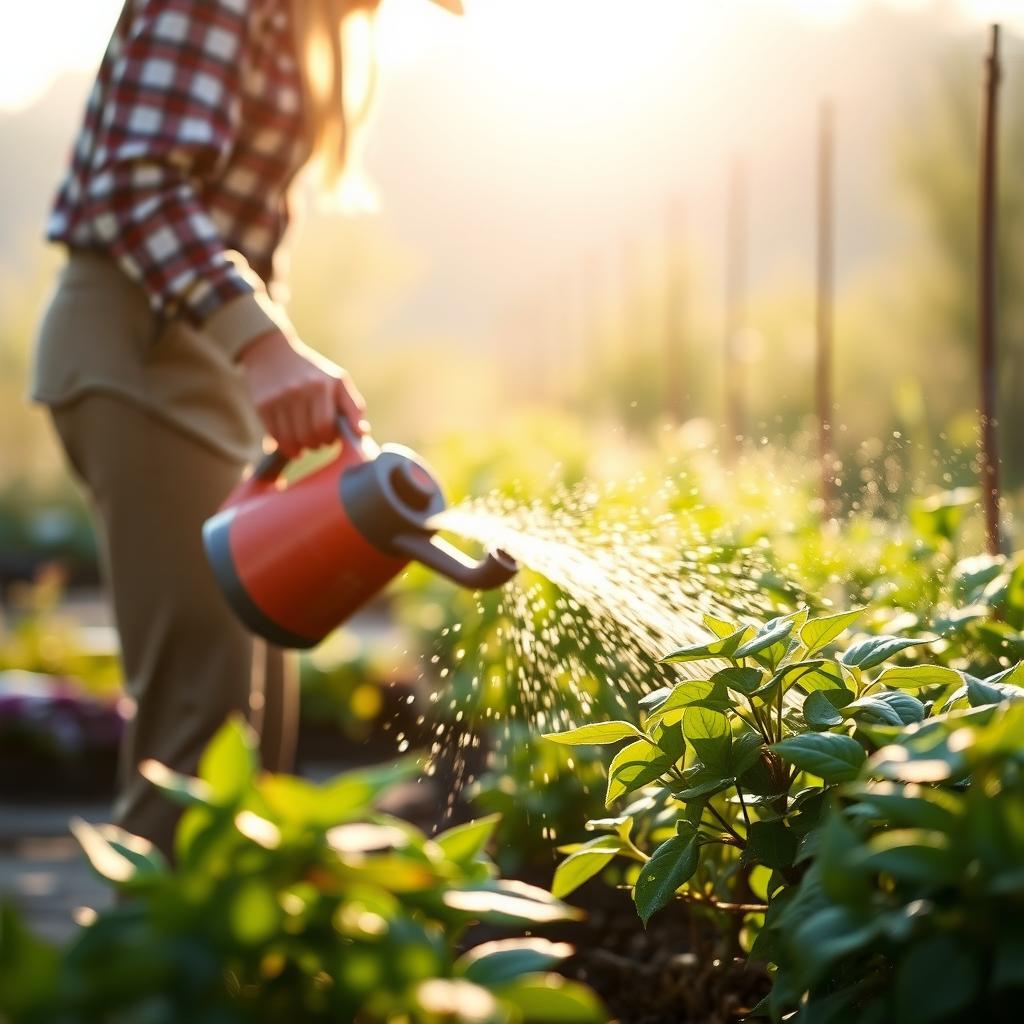
Starting a community garden can be a rewarding way to bring people together, grow fresh produce, and beautify your neighborhood. This guide will walk you through the essential steps, from planning to planting, ensuring your community garden thrives.
Why Start a Community Garden?
Community gardens are powerful tools for building stronger, healthier neighborhoods. They provide fresh, locally grown food, create opportunities for education, and foster a sense of belonging. But beyond the tangible benefits, these gardens are a testament to the impact of volunteerism on community building. When people come together to plant, tend, and harvest, they’re not just growing vegetables—they’re growing relationships.
Take, for example, the success story of advocacy volunteers in Detroit, where community gardens have transformed vacant lots into thriving green spaces. These gardens have not only beautified the area but also provided fresh produce to families in need, showcasing the power of collective action.
Step 1: Gather Your Team
Before you dig in, you need a group of committed individuals. Starting a community garden is a team effort, and the more people you have on board, the better. Reach out to neighbors, local organizations, and even schools to find volunteers who share your vision.
- Tip: Host an informal meeting to discuss the idea. Use this opportunity to gauge interest and identify potential leaders.
Volunteers are the backbone of any community garden. Their dedication and hard work make these spaces possible. If you’re looking for inspiration, check out these success stories of advocacy volunteers who turned their passion into action.
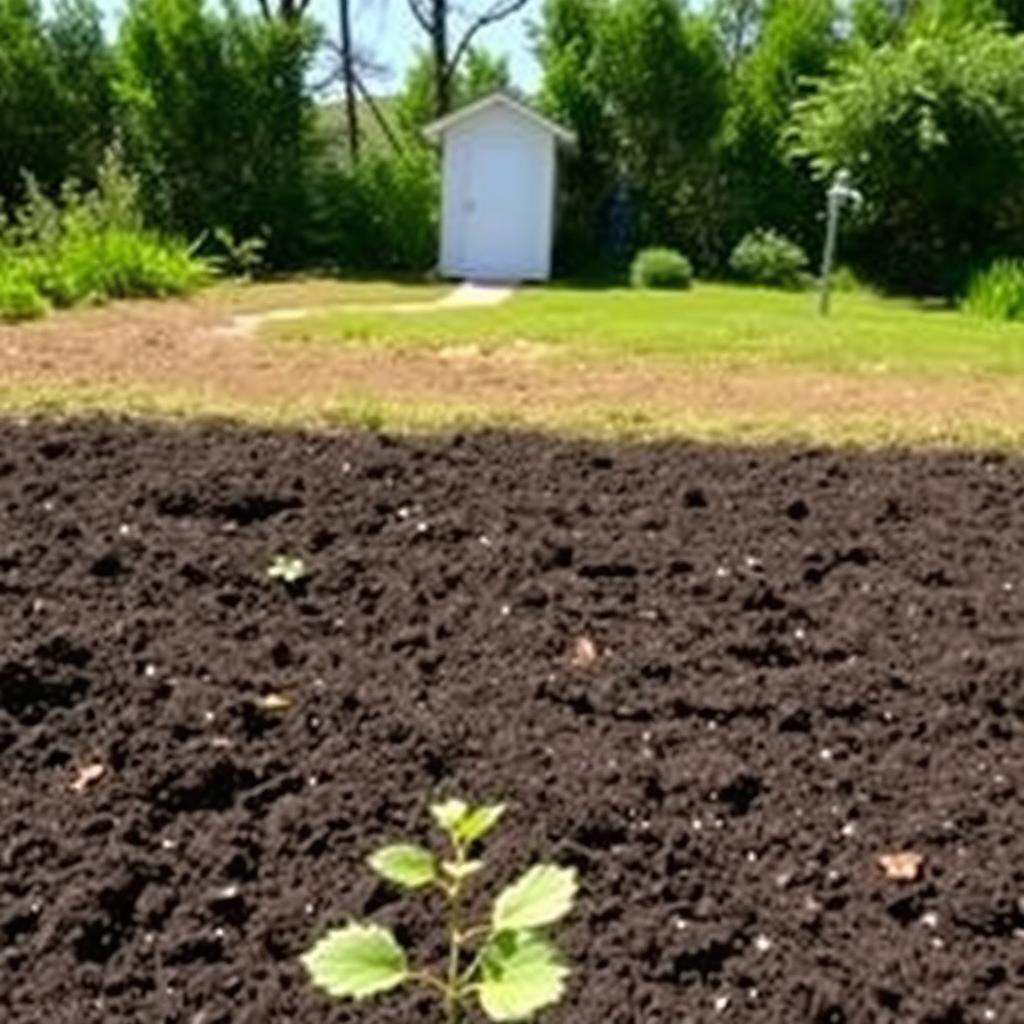
Step 4: Secure Resources
Gardening isn’t free, but it doesn’t have to be expensive. Look for donations of seeds, tools, and materials. Local businesses might be willing to sponsor your garden, and grants are available for community projects.
- Budget-Friendly Ideas:
- Organize a seed swap with other gardeners.
- Build raised beds from reclaimed wood.
- Use rain barrels to collect water.
Remember, the impact of volunteerism on community building extends to resource gathering. When people contribute, they feel more invested in the garden’s success.
Step 5: Get Planting!
With your team, site, and resources ready, it’s time to start planting. Choose plants that are easy to grow and suited to your climate. Tomatoes, lettuce, and herbs are great for beginners.
- Planting Tips:
- Start with seedlings for quicker results.
- Mulch to retain moisture and suppress weeds.
- Label plants to avoid confusion.
Don’t forget to involve the community in planting day. It’s a great way to build excitement and ownership.

Overcoming Common Challenges
Starting a community garden isn’t without its hurdles. Here are some common challenges and how to address them:
- Lack of Funding: Get creative with fundraising. Crowdfunding, bake sales, or partnering with local businesses can help.
- Volunteer Burnout: Rotate tasks and celebrate small wins to keep morale high.
- Pests and Diseases: Use organic pest control methods and rotate crops to prevent issues.
Remember, every challenge is an opportunity to learn and grow—just like your garden.
The Lasting Impact of Community Gardens
Community gardens do more than provide fresh produce; they create spaces where people can connect, learn, and grow together. They’re a testament to the power of advocacy and volunteerism, showing how small actions can lead to big changes.
If you’re inspired to start your own garden, remember that the journey is as important as the destination. Embrace the process, celebrate the successes, and learn from the challenges. Your garden will not only feed your community but also nourish its spirit.
Why Start a Community Garden?
Community gardens bring people together. They’re places where you can grow your own vegetables, learn new skills, and meet others who care about the same things. More than that, they show the impact of volunteerism on community building. When folks pitch in, they don’t just plant seeds—they build trust and friendship.
Look at places like Detroit, where success stories of advocacy volunteers shine. People there turned empty lots into gardens, feeding families and lifting spirits. That’s the kind of change a garden can spark.
Step 1: Build Your Team
You can’t do this alone, and you shouldn’t. A community garden needs a crew. Talk to neighbors, post flyers, or chat with local groups like schools or churches. Find people who are excited to dig in.
Hold a casual meet-up. Bring snacks, share your idea, and see who’s interested. You might find a few natural leaders who can help keep things rolling. Volunteers are the heart of this—without them, there’s no garden.
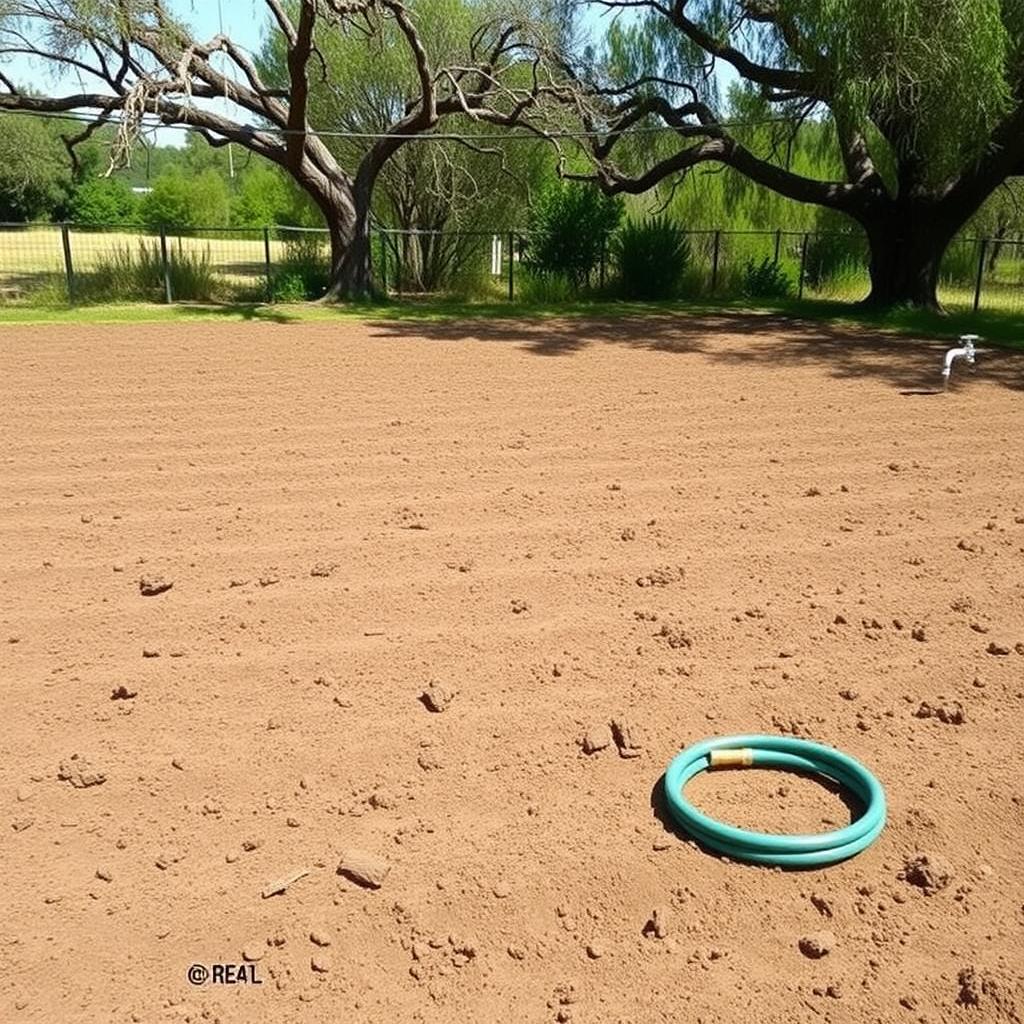
Step 4: Find Resources
Gardens need stuff: seeds, tools, wood for beds. Don’t worry about cash—there are ways to keep costs low. Ask local stores for donations, swap seeds with other gardeners, or build beds from old pallets.
You can also hunt for grants. Many towns offer small funds for projects like this. When people chip in, it’s another example of the impact of volunteerism on community building. They feel proud to help.
Step 5: Start Planting
Now the fun begins. Pick plants that grow well where you live—tomatoes, lettuce, and basil are solid choices for newbies. Get the team together and make planting day a party.
Try these: - Seedlings: They sprout faster than seeds. - Mulch: It keeps water in and weeds out. - Labels: So you know what’s what.
Involve everyone. Kids can dig, adults can plant—it’s a group win.
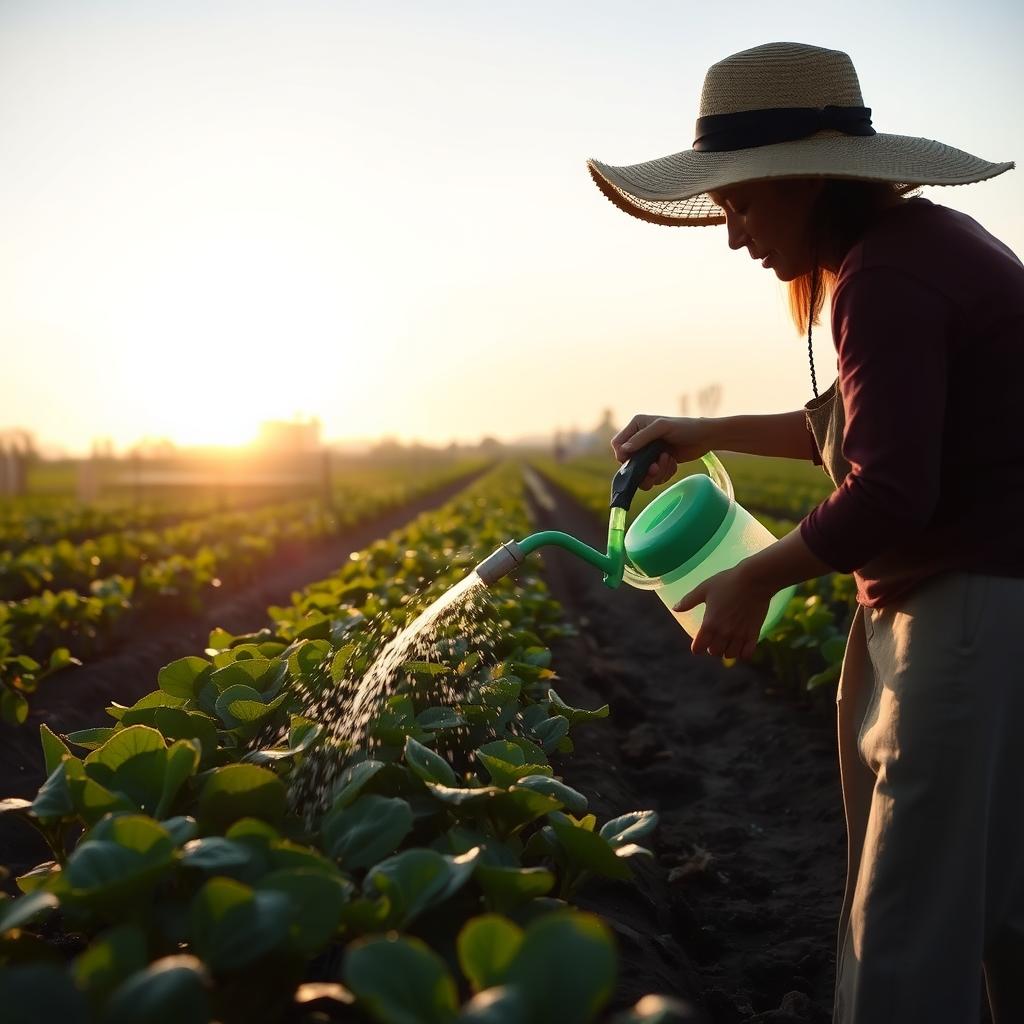
Handling Problems
Things won’t always go smooth. Money might run short, volunteers might get tired, or bugs might show up. Here’s how to deal:
| Problem | Fix |
|---|---|
| No cash | Try crowdfunding or ask a store to sponsor you. |
| Burned-out team | Switch up jobs and cheer every win. |
| Pests | Use natural sprays and move plants around next year. |
Every hiccup teaches you something. Keep going.
Why It Matters
Community gardens aren’t just about food. They’re about people coming together, learning, and making their neighborhood better. They’re proof of what advocacy and volunteer power can do. A small plot can change a lot.
Take it step by step. Enjoy the ride. Your garden will feed bellies and hearts alike.
Recommended Readings
- The Power of Community Gardens in Urban Areas
- Volunteerism and Its Role in Building Stronger Communities
- Success Stories: How Advocacy Volunteers Transformed Their Neighborhoods