How to Start Your Own Advocacy Campaign: A Complete Step-by-Step Guide
Discover How to Start Your Own Advocacy Campaign with practical steps, the skills needed for advocacy volunteering, and inspiring sections like Real Impact: Advocacy Stories That Inspire and Empathy in Action: The Volunteer’s Journey. Turn your passion into real change today.
5 min read
Brief Overview
Starting your own advocacy campaign can feel overwhelming at first, but it is one of the most rewarding ways to create change. This guide walks you through every step so you can launch with confidence, build support, and see real results. You will learn the skills needed for advocacy volunteering and draw inspiration from stories that show what is possible when people take action.
Advocacy is simply standing up for what matters. It turns personal passion into community progress. Whether you care about the environment, equality, or local issues, knowing How to Start Your Own Advocacy Campaign gives you the tools to begin. You do not need money or fame—just commitment and a clear plan. Many successful campaigns started with one person who decided to speak up.
Step 1: Choose Your Cause and Set Clear Goals
Pick an issue that truly moves you. Ask yourself what problem you want to solve and why it matters. Write it down in one sentence. Then turn that passion into goals that are specific, measurable, achievable, relevant, and time-bound. For example, instead of saying you want cleaner air, aim to collect 2,000 signatures on a petition within six weeks and present it to city leaders.
Clear goals keep everyone focused and help you track progress. Without them, campaigns lose direction. I once joined a group fighting for safer parks. Our goal was simple: install new lighting by summer. Because we stayed specific, we succeeded and the neighborhood felt safer right away.
Step 2: Research Deeply and Gather Evidence
Good advocacy rests on facts. Read reports, talk to experts, and listen to people affected by the issue. Understand both sides so you can answer questions confidently. Reliable data makes your message stronger and harder to ignore. Use free online libraries or local libraries for information.
Personal insight: When I helped start a campaign for better school lunches, research showed that one in five kids skipped meals. Those numbers convinced parents and teachers to join us. Research also helped us avoid mistakes others had made before.
Step 3: Build a Team and Network
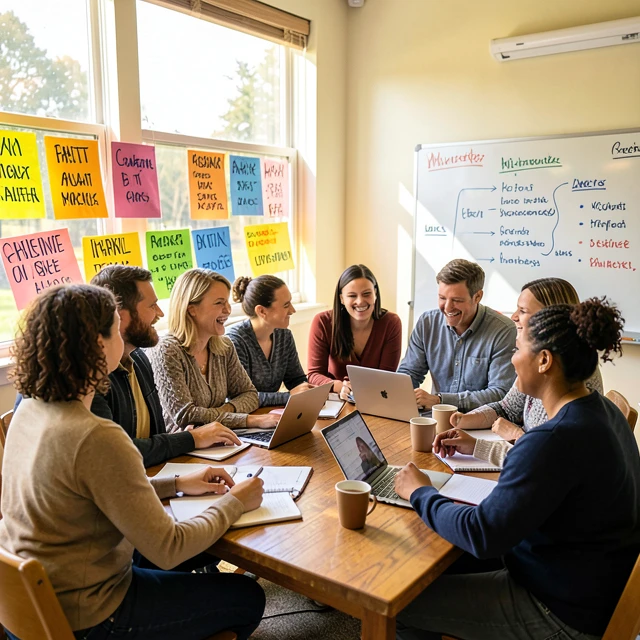
You cannot do it alone. Reach out to friends, neighbors, and online groups who share your passion. Create a simple sign-up form and host a short planning meeting. Assign roles so everyone feels useful. Strong teams share the work and bring fresh ideas.
Step 4: Create a Strategy and Timeline
Map out your actions week by week. Decide how you will spread your message—through social media, events, or letters to leaders. Set deadlines and decide who handles each task. A good timeline keeps momentum high and prevents last-minute panic.
Step 5: Use Tools and Reach the Public
Free tools like Change.org for petitions and Canva for posters make everything easier. Post updates on social media and talk to local newspapers. Host small events where people can learn and join. Every conversation counts toward building support.
Skills Needed for Advocacy Volunteering
Success depends on the right skills needed for advocacy volunteering. Here are the most important ones and how to build them quickly:
- Communication: Practice explaining your cause in 30 seconds.
- Empathy: Listen first, then share your ideas.
- Organization: Use free apps to track tasks.
- Research: Read one new article every week.
- Leadership: Encourage others and celebrate small wins.
Use this table to guide your growth:
| Skill | Simple Way to Improve | Real Benefit in Campaigns |
|---|---|---|
| Communication | Record yourself speaking | Persuade leaders and media |
| Empathy | Volunteer one hour weekly | Build trust with the community |
| Organization | Make weekly to-do lists | Keep the team on track |
| Research | Save useful links in one folder | Strengthen every argument with facts |
| Leadership | Lead one small meeting | Inspire volunteers to stay committed |
Empathy in Action: The Volunteer’s Journey
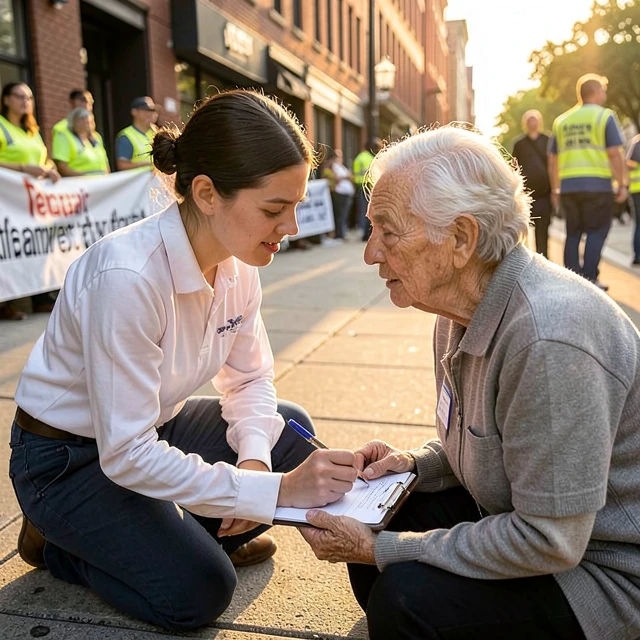
Every volunteer travels a unique path. It often starts with a personal connection to the cause. You feel the stories of those affected and decide to help. Early days bring challenges like rejection or slow progress. Yet each conversation teaches you more. Over time you gain confidence and see how your small efforts create bigger waves.
One volunteer I know began by delivering meals to seniors. That simple act opened doors to larger advocacy work for better housing. Her Empathy in Action: The Volunteer’s Journey taught her that real change grows from genuine care.
Real Impact: Advocacy Stories That Inspire
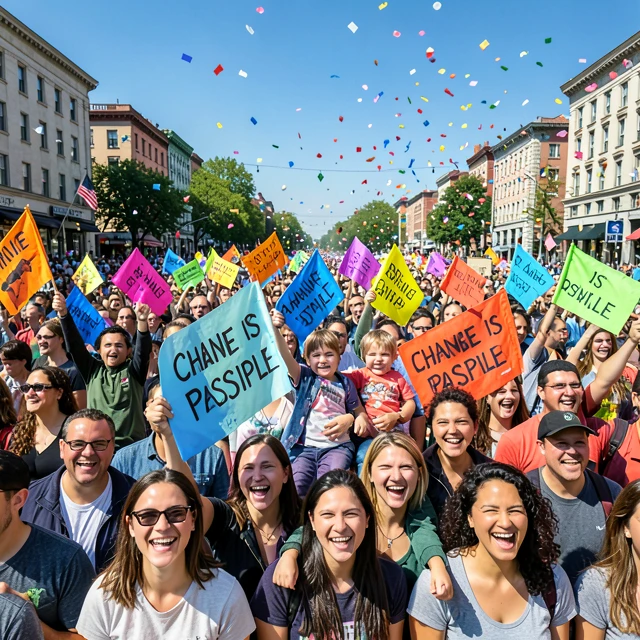
Stories prove that ordinary people create extraordinary results. A group of parents in a small town collected signatures and convinced the city to build a new playground. Their campaign took six months but improved life for hundreds of children.
Another story comes from a climate group that started with five friends. They used social media and town halls to push for solar panels on public buildings. Today the city saves thousands on energy bills. These Real Impact: Advocacy Stories That Inspire remind us that persistence pays off.
I remember watching a quiet neighbor turn into a powerful speaker after joining our clean-water drive. Her first speech was shaky, but the crowd listened because she spoke from the heart. Months later the city passed new protection rules. Moments like these keep advocates going.
Step 6: Engage Media and Decision Makers
Write short emails or call your local representatives. Share your facts and stories. Invite reporters to events. Media coverage spreads your message farther than you can alone. Always be polite and prepared.
Step 7: Measure Results and Keep Improving
Track signatures, event attendance, and policy changes. Celebrate every win, no matter how small. Use what you learn to adjust your plan. Successful campaigns never stop learning.
Overcoming Common Challenges
You may face doubt, lack of time, or slow progress. Stay motivated by remembering your why. Break big tasks into tiny daily actions. Connect with other advocates online for support. Every campaign has setbacks, but they make the victories sweeter.
For extra help, visit trusted organizations. The American Civil Liberties Union shares free toolkits at aclu.org. Greenpeace offers campaign ideas at greenpeace.org. These groups have guided thousands of new advocates just like you.
Summary
You now have everything you need to begin. Start small, stay consistent, and focus on the skills needed for advocacy volunteering. Draw strength from Real Impact: Advocacy Stories That Inspire and walk the path shown in Empathy in Action: The Volunteer’s Journey. Your advocacy can create lasting change in your community and beyond. Take the first step today—your voice matters.