Integrating Community Service with Academic Learning: A Comprehensive Guide
Discover how service learning enhances education by combining community service with academic goals, benefiting students, educators, and communities alike.
3 min read

Overview
Service learning is a powerful educational approach that combines community service with academic learning. It allows students to apply classroom knowledge to real-world situations while addressing community needs. This method not only enhances academic skills but also fosters personal growth, civic responsibility, and social awareness.
What is Service Learning?
Service learning is a teaching method where students engage in volunteer work that is thoughtfully organized to meet community needs while also achieving educational objectives. Unlike traditional volunteering, service learning is directly tied to the curriculum, ensuring that students reflect on their experiences and connect them to academic content.
Benefits for Students
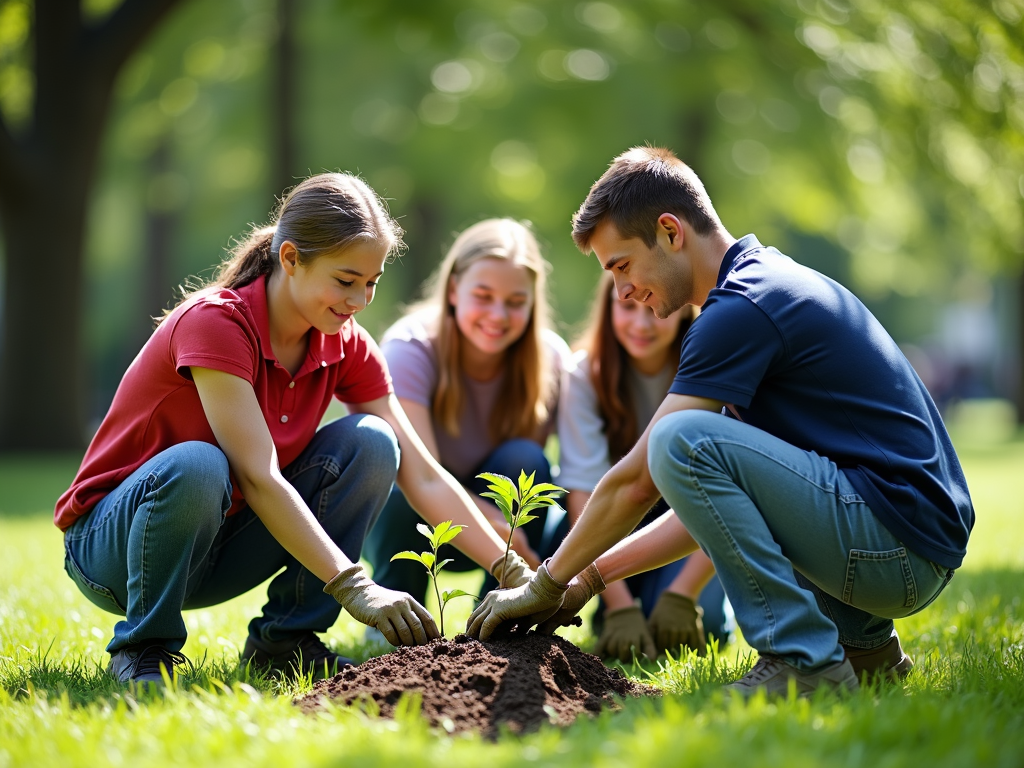
Service learning offers numerous benefits for students. It helps them develop empathy by understanding diverse perspectives and community needs. Leadership skills are honed as students take initiative in projects. Problem-solving abilities improve as they tackle real challenges. Additionally, it can boost self-esteem and provide a sense of accomplishment. According to a study by the National Service-Learning Clearinghouse, students who participate in service learning show improved academic performance and higher graduation rates.
Benefits for Educators
For educators, service learning can revitalize teaching methods. It increases student engagement by making learning more relevant and hands-on. It also provides opportunities for professional development and collaboration with community partners. By integrating service learning into the curriculum, teachers can create a more dynamic and interactive classroom environment.
Benefits for Communities
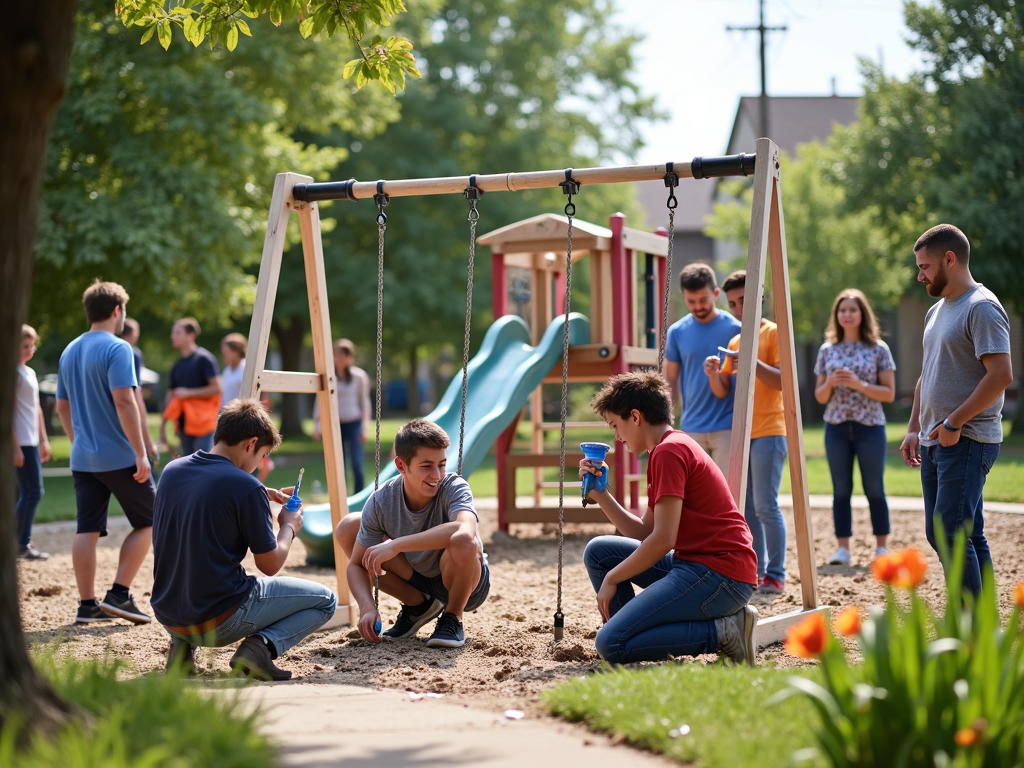
Communities gain from service learning through the direct impact of student projects. It addresses real needs, whether it's environmental conservation, education, or social services. Moreover, it fosters long-term partnerships between educational institutions and community organizations, creating a sustainable model for community development.

Examples of Service Learning in Different Subjects
Service learning can be integrated into various academic subjects:
- Science: Students might participate in environmental projects like water quality testing or habitat restoration.
- Math: Students could tutor younger children or analyze data for local non-profits.
- English: Students might write grants or create promotional materials for community organizations.
- History: Students could volunteer at museums or historical sites, connecting classroom lessons to real-world history.
Challenges and Solutions
Implementing service learning can present challenges, such as finding suitable community partners, aligning projects with curriculum standards, and assessing student learning outcomes. However, these challenges can be overcome by:
1. Collaborating with local organizations to identify community needs.
2. Carefully planning projects to ensure they meet both educational and community goals.
3. Using reflective assessments, such as journals or presentations, to evaluate student learning.
Personal Insights: A Student's Transformation
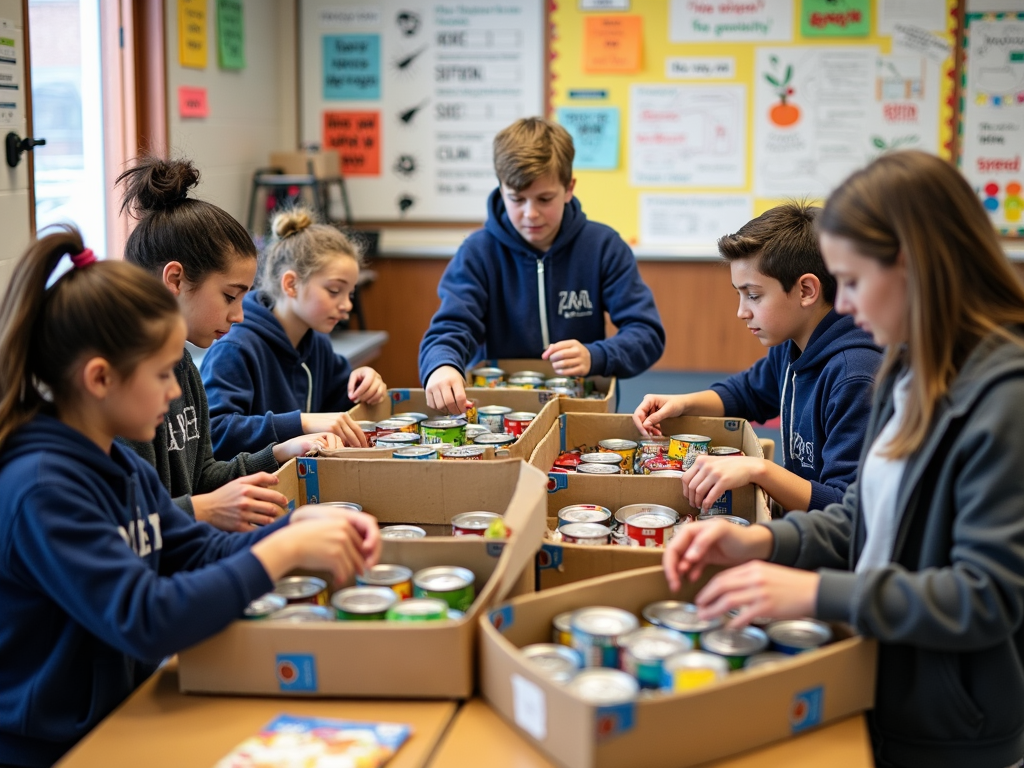
Consider Sarah, a high school student who was shy and struggled with public speaking. Through a service learning project where she taught reading skills to elementary students, she gained confidence and improved her communication skills. Initially reluctant, Sarah gradually became more involved, facing challenges like managing a classroom but overcoming them with support from her teacher and peers. This experience not only helped her academically but also personally, as she learned the value of giving back to her community.
Tips for Educators
If you're an educator looking to start a service learning program, here are some tips:
- Identify Community Needs: Work with local organizations to find out what help is needed.
- Involve Students in Planning: Let students take ownership of the project by involving them in the planning process.
- Reflect on the Experience: Encourage students to reflect on their experiences through discussions, journals, or presentations.
- Celebrate Success: Recognize and celebrate the achievements of students and community partners.
Summary
Service learning is a win-win for students, educators, and communities. It enriches education by making it more meaningful and impactful. By integrating community service with academic learning, we prepare students to be active, responsible citizens who are ready to tackle the challenges of the future.