International Volunteering for Healthcare Professionals: A Guide to Making a Difference
Explore the rewarding world of international volunteering for healthcare professionals. Discover opportunities, benefits, challenges, and practical steps to volunteer abroad as a doctor, nurse, or medical student.
2 min read
Overview
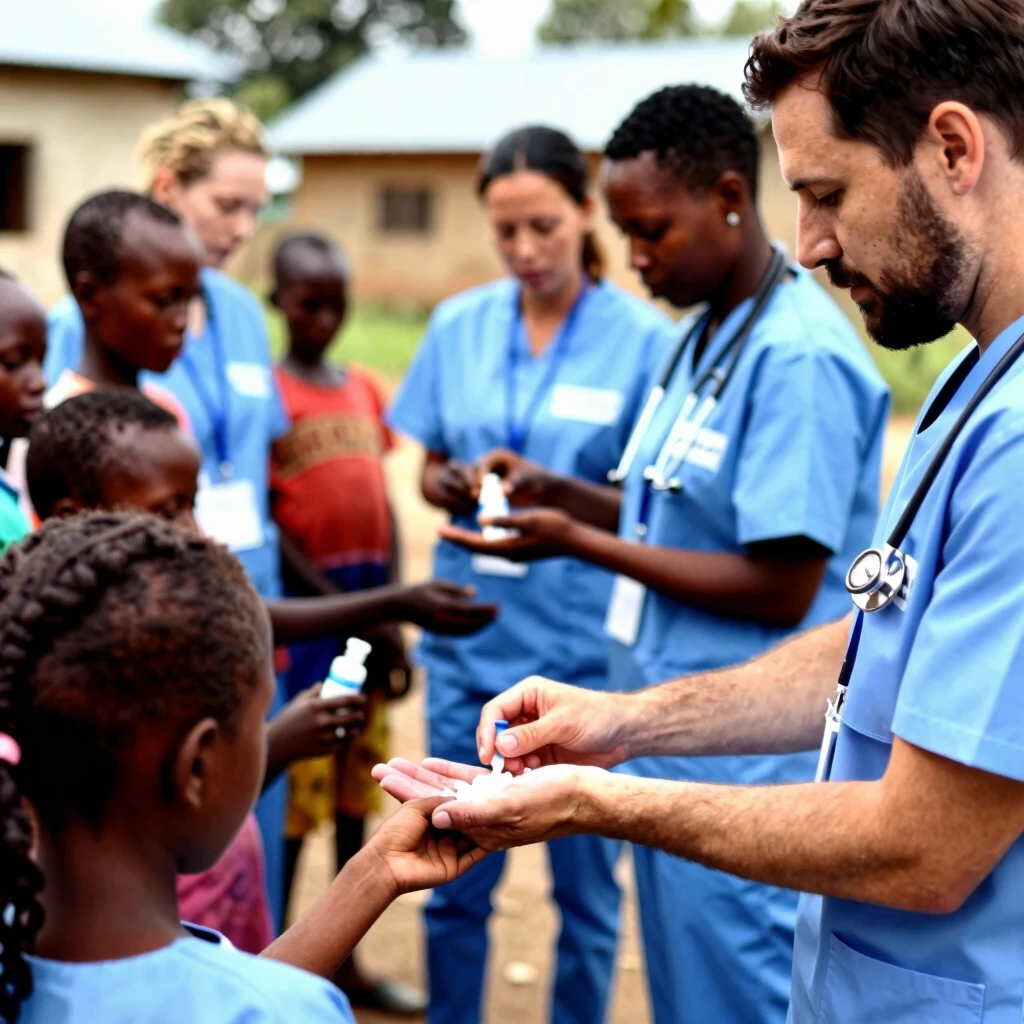
International volunteering for healthcare professionals offers a unique chance to provide essential medical care in underserved communities worldwide. You gain hands-on experience, cultural insights, and personal growth while making a real impact on global health.
Why Choose International Volunteering?
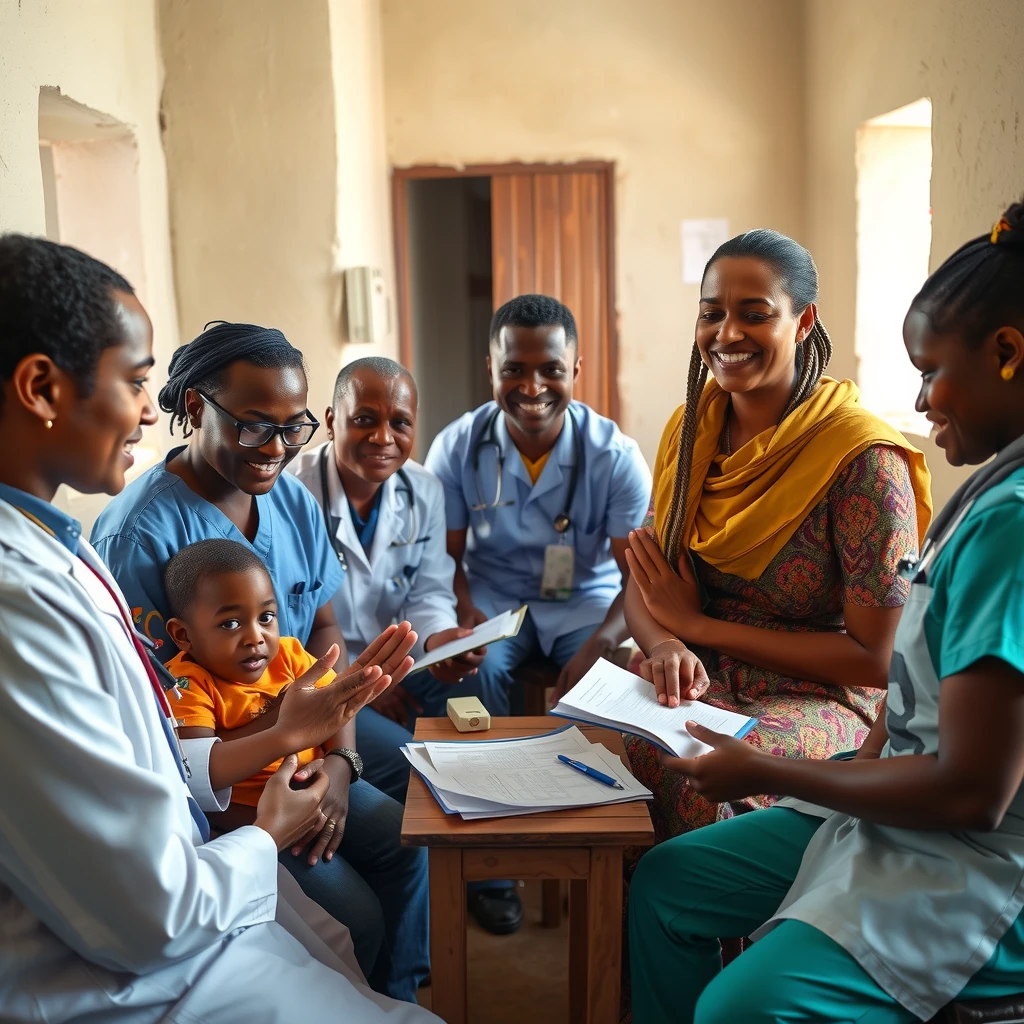
Many doctors, nurses, and medical students seek international volunteering to step beyond their daily routines. It allows you to use your skills where they are needed most.
You help treat patients who lack access to basic healthcare. At the same time, you learn new approaches to medicine in resource-limited settings.
Volunteering abroad builds your resume. It shows employers your adaptability and commitment to global health.
On a personal level, it fosters empathy and a broader worldview. One nurse shared how volunteering in Tanzania renewed her passion for patient care after years of burnout.
Benefits of Volunteering Abroad
International volunteering offers clear advantages:
- Professional Growth: Gain experience with diverse conditions and limited resources. This sharpens your problem-solving skills.
- Cultural Exchange: Work alongside local staff and learn from their methods.
- Personal Fulfillment: Many volunteers report deeper job satisfaction and reduced stress back home.
Studies show volunteers often develop greater resilience. They handle challenges like language barriers or equipment shortages with creativity.

Challenges to Expect
Volunteering isn't always easy. Common hurdles include:
- Limited resources: Clinics may lack modern tools or reliable electricity.
- Cultural differences: Patients might prefer traditional remedies over Western medicine.
- Emotional strain: Seeing severe poverty or untreated illnesses can be tough.
Language barriers often slow communication. One doctor recalled adapting by using simple gestures and translators.
Despite these, most volunteers say the rewards outweigh the difficulties.
Top Organizations for Medical Volunteers
Choose reputable programs for safety and impact. Here are some trusted options:
| Organization | Focus Areas | Suitable For | Key Destinations |
|---|---|---|---|
| International Volunteer HQ (IVHQ) | Medical placements, campaigns | Students & professionals | Tanzania, India, Peru |
| Projects Abroad | Shadowing, outreaches | All levels | Ghana, Vietnam, Argentina |
| Volunteering Solutions | Hospital internships | Pre-med, nurses | Nepal, Thailand, Ghana |
| Volunteer World | Healthcare projects | Varied experience | Africa, Asia, South America |
These groups provide support like housing, orientation, and 24/7 assistance.
How to Prepare for Your Trip
Start planning early:
- Research destinations and programs that match your skills.
- Check requirements: Some need licenses or vaccinations.
- Get travel insurance covering medical evacuation.
- Learn basic phrases in the local language.
- Pack essentials: Scrubs, stethoscope, and adaptable clothing.
Stay flexible and open-minded. Focus on sustainable help rather than short-term fixes.
Real Stories from Volunteers
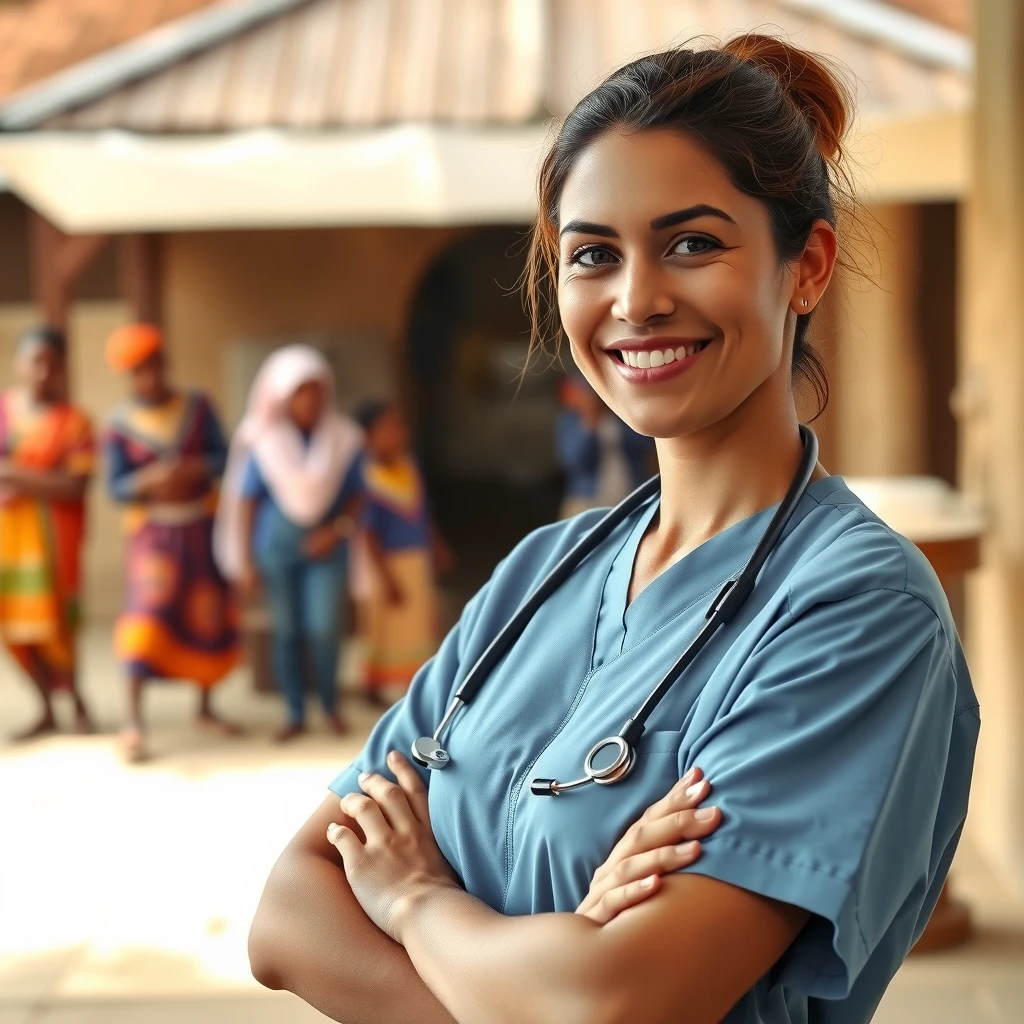
A medical student in Peru assisted in rural clinics. She learned to diagnose with minimal tests, boosting her confidence.
A seasoned nurse in Zambia ran health workshops. She taught hygiene to prevent diseases, seeing immediate community changes.
These experiences often lead to lasting friendships and a renewed sense of purpose.
Final Thoughts
International volunteering for healthcare professionals transforms lives—yours and those you serve. It demands preparation and heart, but delivers profound rewards.
If you're ready, take the step. The world needs your skills.