International Volunteering for Healthcare Professionals: Making a Global Impact
Discover the transformative power of international volunteering for healthcare professionals. This comprehensive guide explores opportunities, benefits, challenges, and practical steps to get started, offering insights for doctors, nurses, and others eager to make a difference abroad.
4 min read
Overview
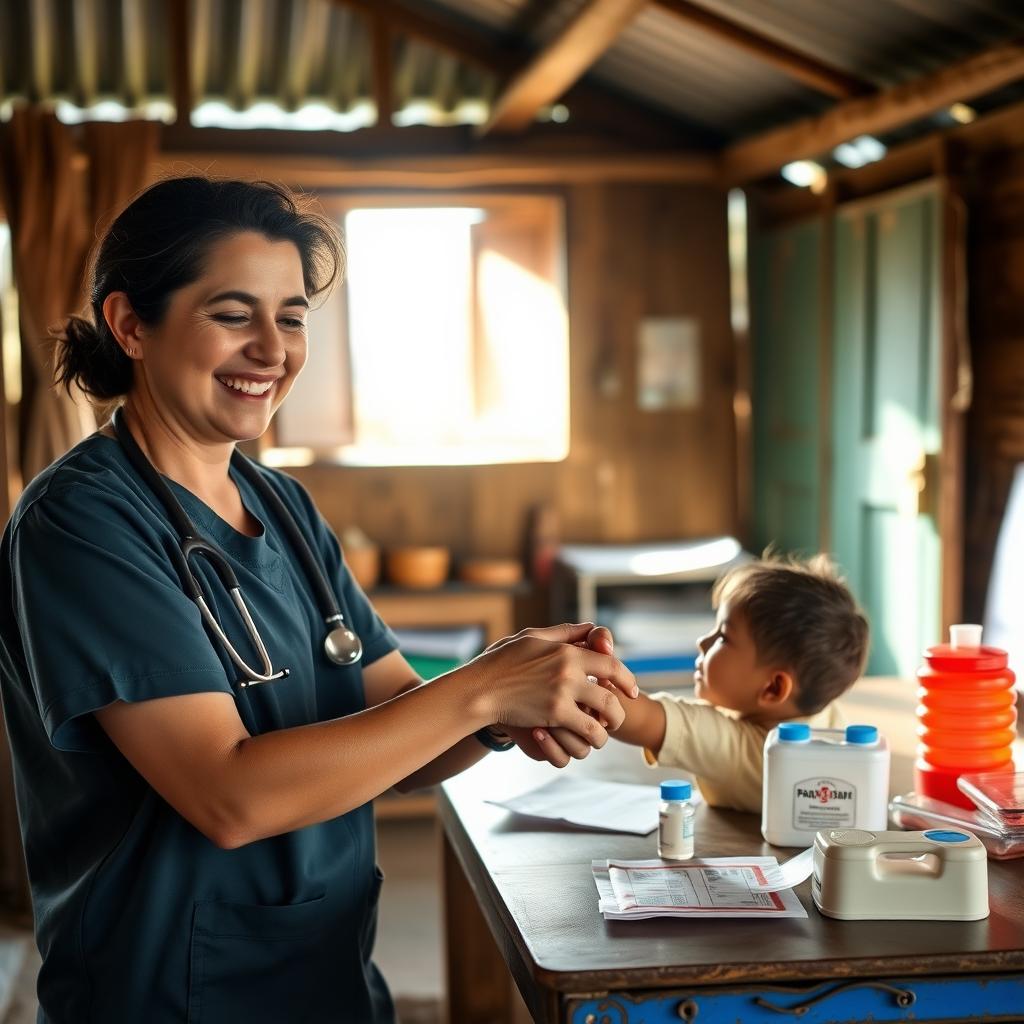
International volunteering for healthcare professionals offers a unique chance to serve communities in need while gaining personal and professional growth. From delivering care in remote villages to training local staff, volunteers make a lasting impact. This guide dives into the why, how, and what of volunteering abroad.
Why Volunteer Abroad as a Healthcare Professional?
Volunteering internationally isn’t just about giving back—it’s about growing as a person and a professional. Healthcare professionals, like doctors, nurses, and therapists, often find that working in underserved areas sharpens their skills and opens their eyes to new perspectives. You might treat diseases rarely seen in your home country or learn to work with limited resources, which builds resilience and creativity.
For many, the pull is personal. I’ve spoken with nurses who felt stuck in routine hospital shifts and found renewed purpose after volunteering in a refugee camp. The chance to save lives in crisis zones or teach hygiene in rural schools can reignite your passion for healthcare. Plus, you’ll build connections with people from different cultures, which can shape how you see the world.

Benefits of International Volunteering
The rewards of international volunteering for healthcare professionals go beyond the resume. Here are some key benefits:
- Skill Development: Working in low-resource settings forces you to adapt. You might learn to diagnose without fancy equipment or manage emergencies with minimal staff.
- Cultural Competence: Treating patients from different backgrounds improves your ability to communicate across cultures, a skill that’s valuable everywhere.
- Networking: You’ll meet other volunteers, local healthcare workers, and NGOs, opening doors to future opportunities.
- Personal Fulfillment: Knowing you’ve helped a community in need can be deeply satisfying.
A 2023 study by the Journal of Global Health found that 85% of healthcare volunteers reported improved clinical skills after short-term missions. Beyond that, many say the experience makes them better listeners and more empathetic caregivers.
Challenges to Expect
Volunteering abroad isn’t all smooth sailing. You’ll face hurdles that test your patience and flexibility. Language barriers can make it hard to communicate with patients or local staff. Cultural differences might lead to misunderstandings—like when a doctor I know was surprised that patients in a rural area preferred traditional healers over modern medicine.
Limited resources are another challenge. You might work in clinics with no electricity or running water. Then there’s the emotional toll: seeing widespread poverty or untreated illnesses can weigh heavily. Burnout is real, so pacing yourself is key. One volunteer shared how she learned to focus on small wins, like teaching a mother to recognize dehydration in her child, to stay motivated.
How to Get Started
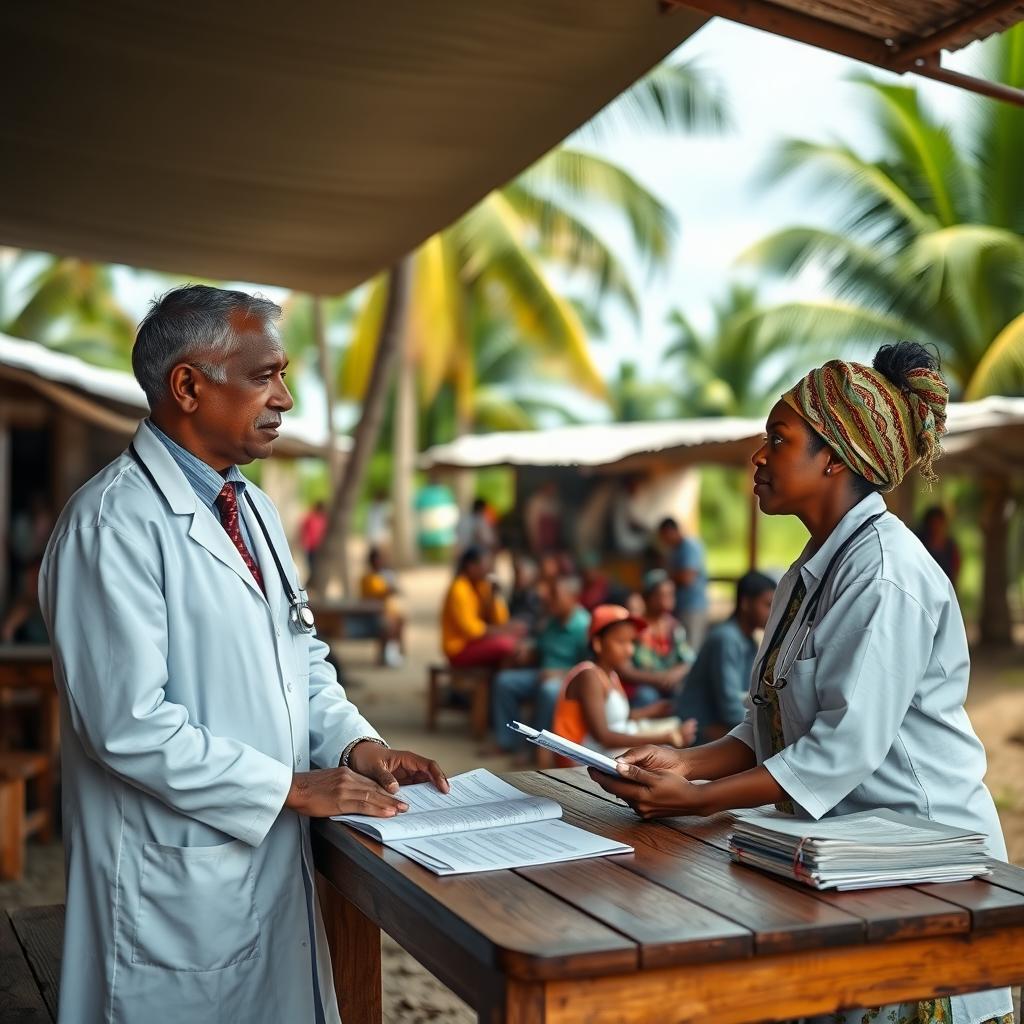
Ready to volunteer? Here’s a step-by-step guide to make it happen:
- Assess Your Skills and Goals: Are you a surgeon who can perform complex procedures, or a nurse who excels at patient education? Decide what you want to achieve—whether it’s hands-on care or training locals.
- Research Organizations: Look for reputable groups like Doctors Without Borders, Project HOPE, or Health Volunteers Overseas. Check their requirements, as some need specific certifications or language skills.
- Prepare Financially: Most programs cover basic costs, but you might need to fund travel or take unpaid leave. Budget for vaccines, visas, and insurance.
- Get Training: Many organizations offer pre-departure training on cultural sensitivity or tropical diseases. Take advantage of these.
- Plan Logistics: Confirm your medical license is valid abroad, arrange time off, and sort out travel details.
A friend who volunteered in Uganda said researching organizations thoroughly saved her from a poorly run program. Websites like Global Health NOW (www.globalhealthnow.org) offer reviews of volunteer programs.
Choosing the Right Program
Not all volunteer programs are created equal. Some focus on disaster relief, others on long-term community health. Here’s a quick breakdown:
| Program Type | Focus | Best For |
|---|---|---|
| Short-Term Missions | Emergency care, vaccinations | Busy professionals with limited time |
| Long-Term Placements | Training locals, building clinics | Those seeking deep cultural immersion |
| Teaching-Focused | Educating local health workers | Educators or those with mentoring skills |
Before signing up, ask questions: Does the program prioritize local needs? Are volunteers vetted for skills? A good program aligns with your expertise and the community’s goals.
Making a Lasting Impact
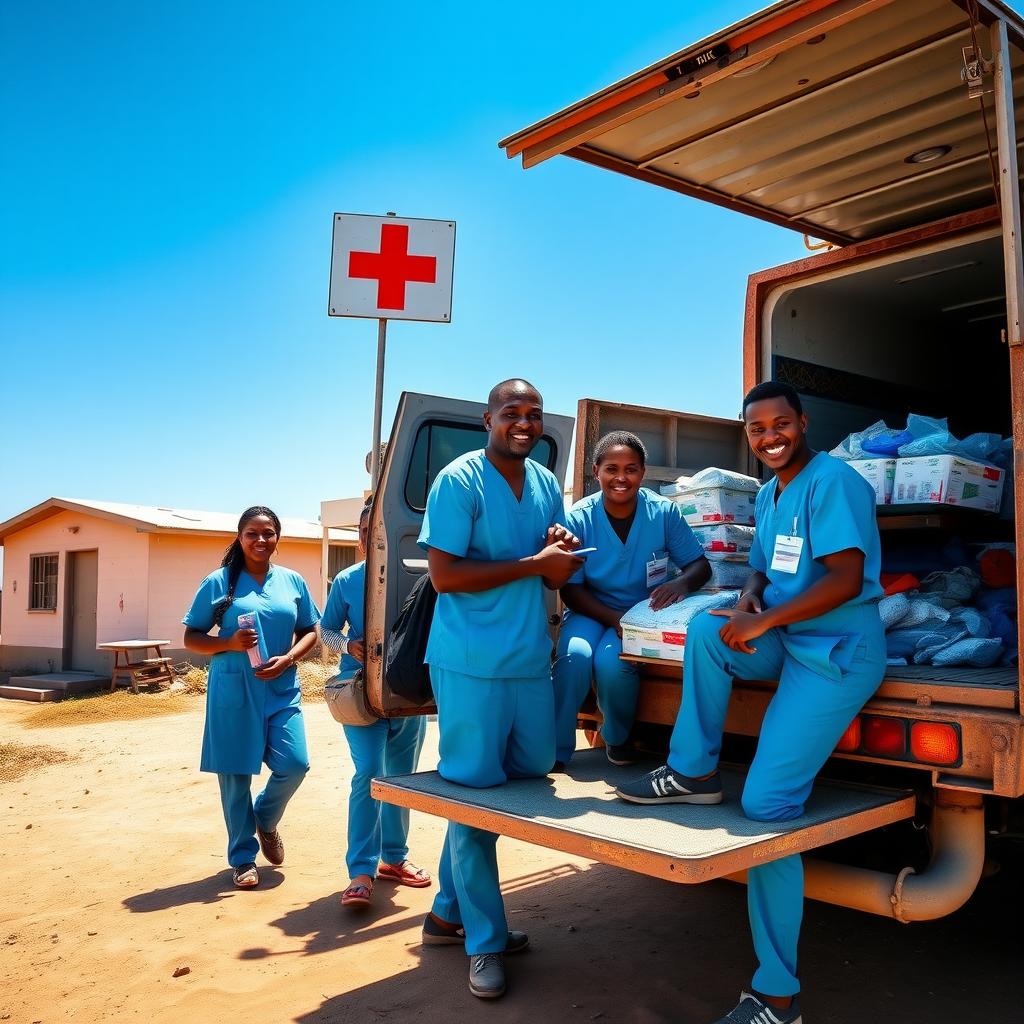
The best volunteers don’t just treat patients—they empower communities. Training local healthcare workers ensures your impact lasts long after you leave. For example, a dentist I met in Guatemala taught local nurses to do basic dental screenings, which reduced cavities in kids by 30% over two years, according to local health records.
Listen to the community’s needs instead of imposing your own ideas. One volunteer learned this the hard way when she pushed for a vaccination drive, only to find the community prioritized clean water. Building trust takes time but makes your work more effective.
Practical Tips for Success
- Pack Smart: Bring portable medical tools, like a stethoscope, and clothes suited for the climate.
- Learn Basic Phrases: Even a few words in the local language can build trust with patients.
- Stay Healthy: Follow vaccination and safety guidelines to protect yourself and others.
- Document Your Work: Keep a journal to reflect on your experiences and share lessons with colleagues.
One volunteer I know swore by her pocket-sized language guide, which helped her connect with patients in rural Thailand. Small efforts like these go a long way.
Summary
International volunteering for healthcare professionals is a powerful way to grow, serve, and connect with the world. It’s not without challenges, but the rewards—new skills, deeper empathy, and lasting impact—are worth it. With careful planning and the right program, you can make a real difference. Start small, stay open, and embrace the journey.