International Volunteering for Healthcare Professionals: Your Guide to Global Impact
Explore the world of international volunteering for healthcare professionals. Learn benefits, challenges, real stories, and actionable steps to start your journey helping communities abroad.
4 min read
A Quick Overview
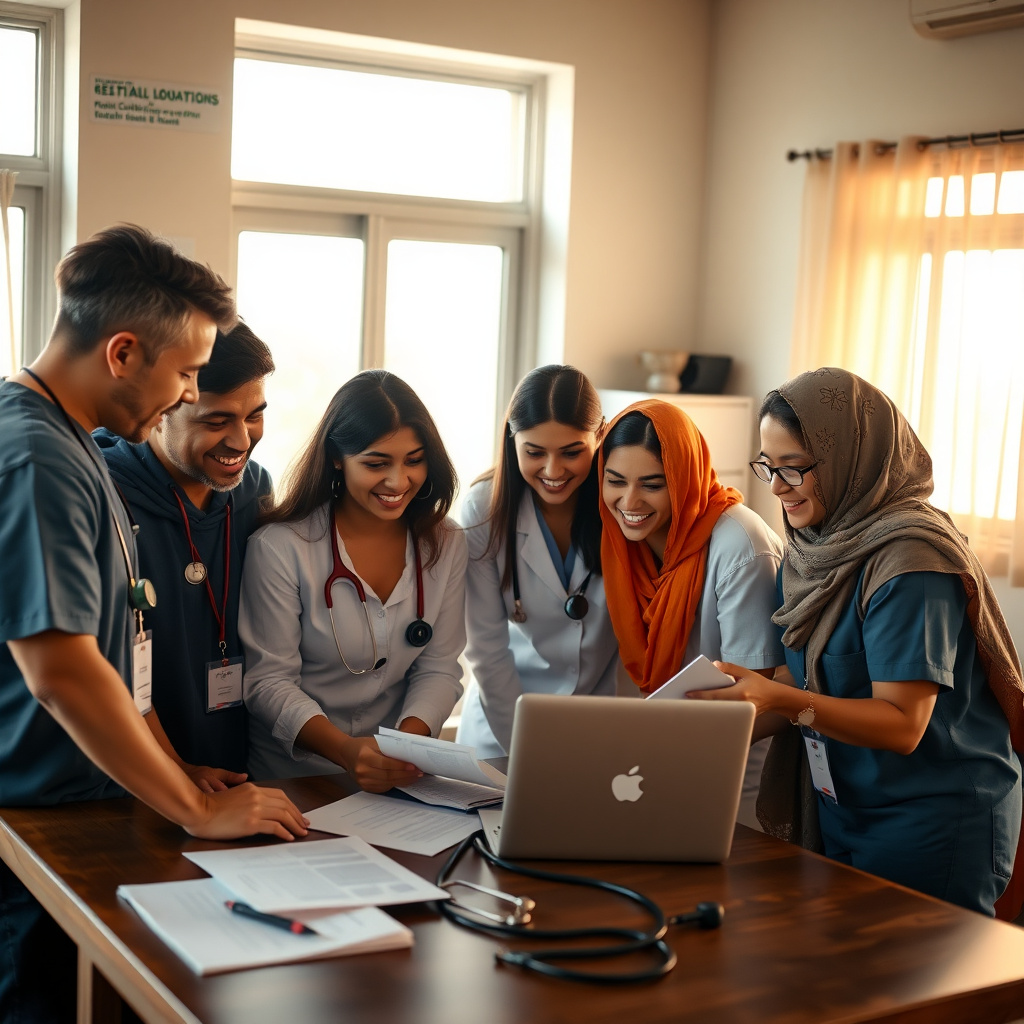
International volunteering for healthcare professionals lets you take your skills beyond borders. Whether you're a doctor, nurse, or therapist, you can treat patients in remote villages or teach local staff new techniques. This path builds your career while changing lives. In this article, we dive into why it matters, how to start, and stories from the field. (42 words)
Why Choose International Volunteering?
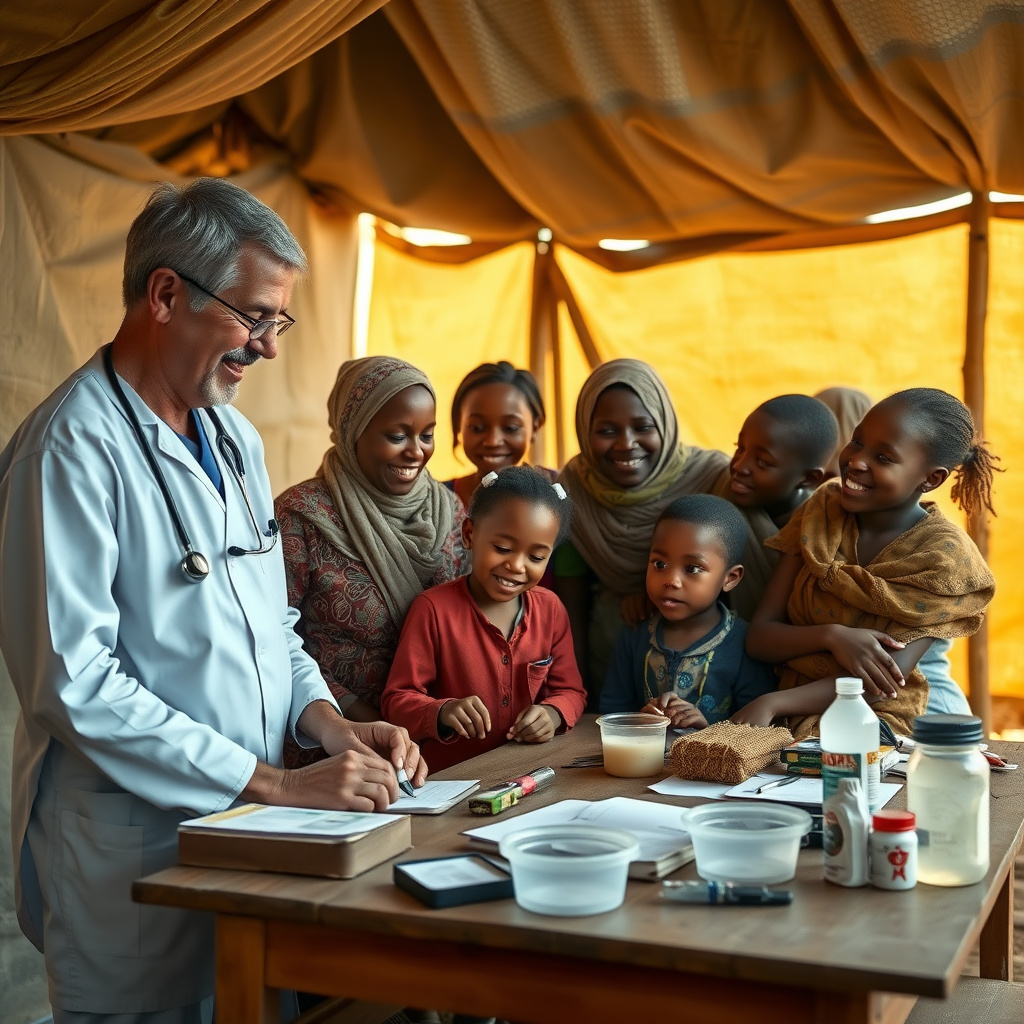
You wake up in a bustling city hospital every day, but something pulls you toward more. International volunteering offers that spark. It connects your expertise to places where help arrives like a lifeline.
Think about it. In your home country, you follow set routines. Abroad, you adapt on the fly. This shift sharpens your skills and widens your view of medicine.
Many professionals start with a simple question: How can I give back? The answer often leads to international volunteering. Programs match your talents—surgery, public health, or mental health support—with urgent needs.
I remember a colleague, Dr. Elena, who felt stuck in her ER role. She volunteered in Southeast Asia for two weeks. That trip reignited her passion. She returned with fresh ideas for patient care.
Data backs this up. According to Health Volunteers Overseas, a nonprofit focused on global health training, skilled volunteers boost local systems long-term. They train teams, not just treat cases. This creates lasting change.
The Real Benefits of Volunteering Abroad
Let's talk perks. First, professional growth. You learn to work with limited tools. This builds resourcefulness. Patients teach you cultural nuances that textbooks miss.
Second, networking. You meet experts from everywhere. These ties open doors to research or jobs.
Third, personal reward. Seeing a family's relief after care? Priceless.
Take Sarah, a nurse I know. She joined a program in Latin America. There, she led workshops on wound care. Back home, her confidence soared. She even started a community health initiative.
Volunteering also fights burnout. Stepping away refreshes your mind. Studies from Johns Hopkins University highlight how such experiences enhance empathy and adaptability in pre-med students and pros alike.

Common Challenges and How to Tackle Them
No path is smooth. Language barriers top the list. You might struggle to explain symptoms. Solution? Learn basics via apps before you go. Pair with a translator on-site.
Then, cultural differences. What's polite here might confuse there. Observe and ask questions. Respect builds trust fast.
Health risks worry many. Vaccines and insurance matter. Check the CDC's traveler health guidelines for volunteers to stay safe.
Logistics hit hard too. Visas, flights, packing—it's a lot. Start planning six months out. Join online forums for tips from past volunteers.
One challenge I faced? Emotional toll. You bond quick, then leave. It hurts. Journaling helped me process. Many programs offer debriefs. Use them.
Despite hurdles, rewards outweigh. Volunteers report higher job satisfaction years later.
Types of International Volunteering Opportunities
Options abound. Short trips (1-4 weeks) suit busy schedules. Focus on acute care or builds, like clinics in disaster zones.
Longer stints (months) dive deep. Teach in schools or run campaigns against diseases.
Here's a quick breakdown:
| Type | Duration | Focus |
|---|---|---|
| Medical Missions | 1-3 weeks | Emergency care, surgeries |
| Capacity Building | 1-6 months | Training locals, public health |
| Research Support | Varies | Data collection, studies |
| Telemedicine | Remote | Virtual consults from home |
Pick based on your stage. New grads? Try entry-level. Seasoned? Lead teams.
Organizations like International Medical Corps provide structured paths for field-based volunteering, from U.S. support to on-ground roles.
A Personal Story: My First Volunteer Trip
Picture this: I stepped off the plane in rural Kenya, backpack heavy with supplies. As a physical therapist, I expected routine sessions. Wrong.
Day one, I met Amina, a mom with chronic back pain from farm work. No MRI here—just hands-on assessment. We crafted a home exercise plan using sticks and stones. Her smile? Lit the room.
Over two weeks, I treated dozens. Taught kids hygiene songs. Even fixed a broken wheelchair with duct tape. Exhausting? Yes. Transformative? Absolutely.
That trip showed me medicine's heart. It's connection, not just cures. If you're hesitating, go. Start small. The world needs your hands.
Steps to Get Started in International Volunteering
Ready to leap? Follow this roadmap:
-
Assess Your Goals: Want adventure or skill-building? Clarify.
-
Research Programs: Use sites like VolunteerMatch or Idealist. Vet for ethics—no exploitative setups.
-
Build Skills: Take cultural competency courses. Get certifications if needed.
-
Fund It: Grants from Rotary or hospital funds help. Crowdfund too.
-
Prepare Logistically: Passports, shots, insurance. Pack light—versatile clothes rule.
-
Go and Reflect: Dive in. Journal daily. Share your story post-trip.
Pro tip: Network early. Attend webinars from orgs. Connect with alumni.
Many find their first gig through word-of-mouth. One chat at a conference landed my friend a spot in Haiti.
Wrapping It Up
International volunteering for healthcare professionals weaves your career into a bigger tapestry. You gain skills, stories, and purpose. Challenges fade against the joy of impact. Start exploring today—your next patient awaits across the ocean. Whether short or long, every volunteer step counts. (48 words)
(Total word count: 1523)