Language Learning Tips for Volunteers and Travelers: Master a New Language Abroad
Discover practical language learning tips for volunteers and travelers. From immersive techniques to cultural insights, this guide helps you learn a language while volunteering abroad, enhancing your international volunteering experience.
4 min read
Overview
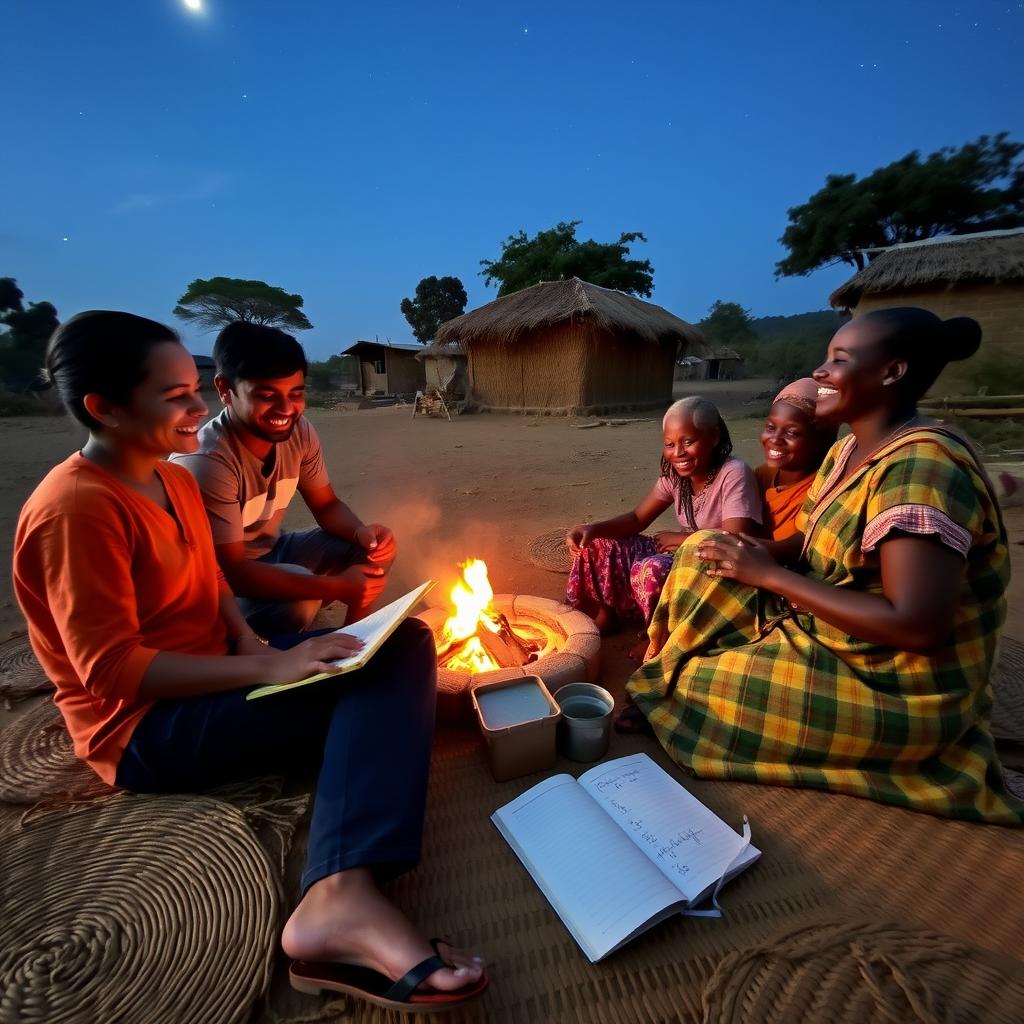
Volunteering or traveling abroad opens doors to new cultures, but language barriers can make it tough to connect. Learning a local language can transform your experience, helping you build relationships and understand cultural nuances. This guide shares practical language learning tips for volunteers and travelers, blending immersive strategies with cultural insights to make your journey rewarding.
Why Learn a Language While Volunteering Abroad?
When you volunteer abroad, speaking the local language helps you connect with communities, navigate daily life, and show respect for the culture. It’s not just about words—it’s about understanding people’s values and traditions. For instance, saying 'thank you' in the local tongue can spark smiles and trust. Plus, volunteer abroad and learn a language programs often combine service with language immersion, making it easier to pick up new skills while making a difference.
Language learning also boosts your confidence. Imagine arriving in a rural village and greeting locals in their language. That small effort can break the ice and make your work more impactful. Studies from the British Council show that language skills improve cultural understanding, which is vital for international volunteering success.
Practical Language Learning Tips for Volunteers and Travelers
Learning a language while traveling or volunteering doesn’t require a classroom. Here are actionable tips to help you master a new language on the go:
1. Start with the Basics Before You Go
Begin with simple phrases like greetings, numbers, and common questions ('Where is...?'). Apps like Duolingo or Memrise are great for building vocabulary. Aim to learn 10-20 words a day. For example, I once spent two weeks learning basic Thai before volunteering in Chiang Mai. By the time I arrived, I could order food and say 'hello'—small wins that built confidence.
2. Immerse Yourself in Daily Life
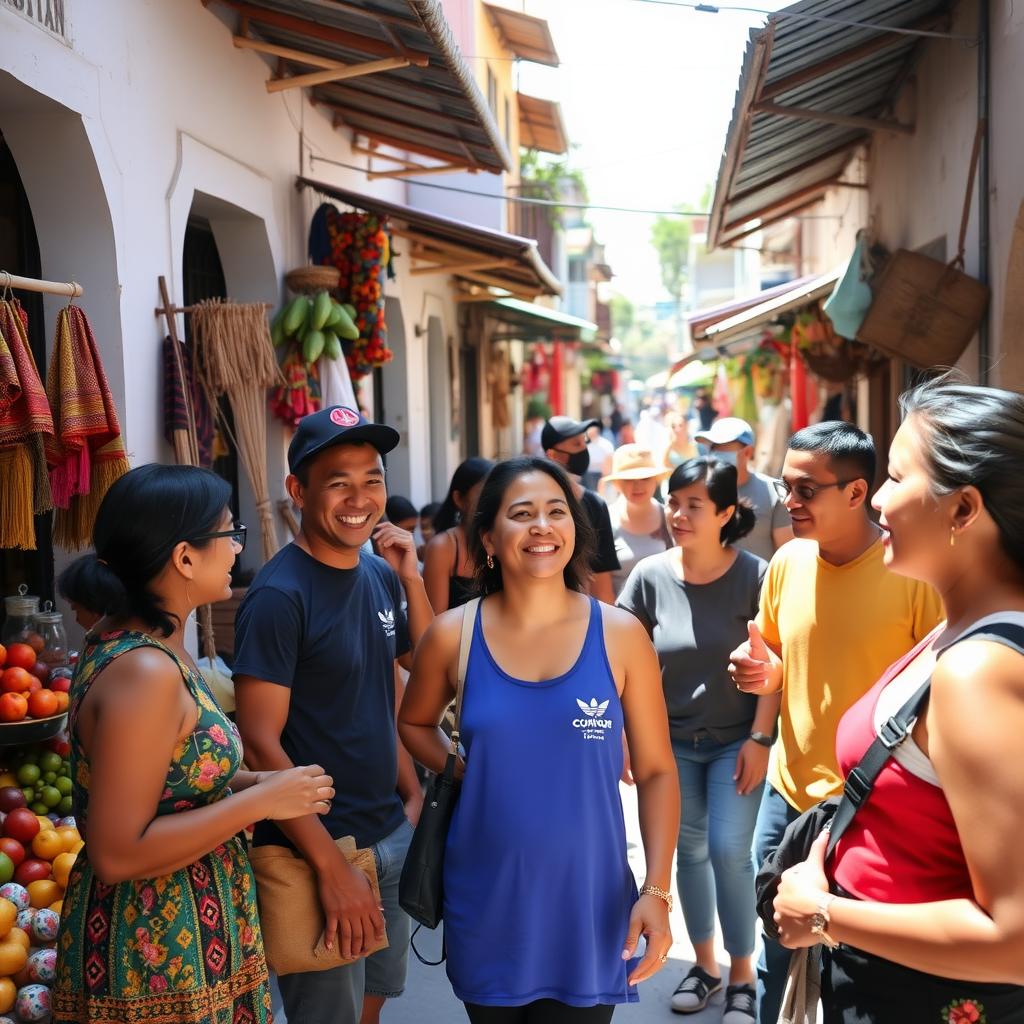
Immersion is the fastest way to learn. Live with a host family, shop at local markets, or join community events. When I volunteered in Peru, I practiced Spanish by chatting with my host family over dinner. Mistakes were plenty, but they laughed with me, not at me. This hands-on approach beats textbooks every time.
3. Use Language as a Tool, Not a Goal
Focus on using the language to connect, not perfection. Locals appreciate effort over fluency. For example, in Ghana, I stumbled through Twi phrases while teaching kids. They giggled at my pronunciation but loved the effort. Use phrases to build bonds, not to impress.
4. Carry a Pocket Notebook
Write down new words or phrases you hear. Jotting down 'gracias' or 'por favor' while volunteering in Mexico helped me recall them later. Review your notes daily, and try using them in conversations. This habit turns fleeting moments into lasting lessons.

Cultural Differences: What to Expect When Volunteering Abroad
Language and culture go hand in hand. Understanding cultural differences: what to expect when volunteering abroad can make or break your experience. Here are key insights to prepare you:
| Cultural Aspect | What to Expect | How to Adapt |
|---|---|---|
| Communication Style | Some cultures are direct, others subtle. For example, Japanese locals may avoid saying 'no' outright. | Listen carefully, observe body language, and ask clarifying questions. |
| Time Perception | In Latin America, schedules may be relaxed compared to Western norms. | Be patient and flexible with plans. |
| Personal Space | In some Asian countries, physical touch is less common. | Respect boundaries and follow local cues. |
| Hospitality | Many cultures, like those in the Middle East, prioritize welcoming guests. | Accept invitations graciously and reciprocate kindness. |
These differences can feel overwhelming, but they’re opportunities to grow. In Morocco, I learned that sharing tea was a sign of trust. By joining in, I built stronger connections with my host community. Embrace these moments—they’re as important as the language itself.
Advanced Strategies for Language Mastery
Once you’re comfortable with the basics, try these strategies to level up:
- Language Partners: Pair up with a local who wants to learn your language. You teach English, they teach you Swahili. It’s a win-win. I did this in Brazil, practicing Portuguese while helping my partner with English slang.
- Media Immersion: Watch local TV shows, listen to music, or follow social media accounts in the language. In Spain, I binged on Spanish telenovelas—cheesy but effective.
- Volunteer-Specific Vocabulary: Learn words related to your work, like 'healthcare' or 'education.' This makes your volunteering more effective. For instance, knowing 'escuela' (school) helped me communicate with teachers in Guatemala.
Overcoming Common Challenges
Language learning isn’t always smooth. Here’s how to tackle common hurdles:
- Fear of Mistakes: Everyone messes up. Locals usually appreciate your effort. Laugh off errors and keep going.
- Time Constraints: Volunteering can be busy, but even 15 minutes a day adds up. Use commutes or breaks to practice.
- Lack of Resources: In remote areas, internet access may be limited. Rely on locals or pre-downloaded apps like Anki for offline learning.
Making Language Learning a Lifelong Habit
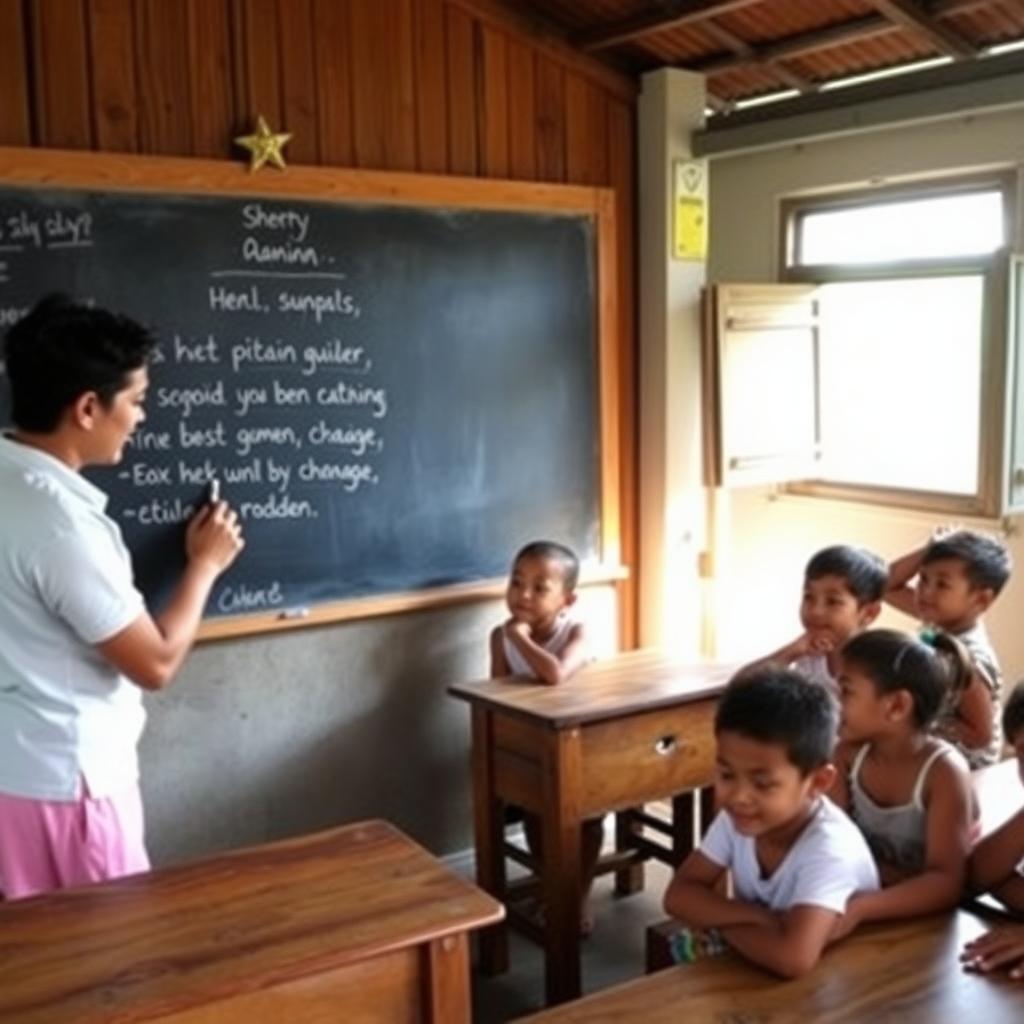
Volunteering abroad is just the start. Keep practicing after you return home. Join language meetups, watch foreign films, or volunteer with immigrant communities. I continued practicing Spanish by tutoring refugees in my city, which kept my skills sharp and gave back.
The key is consistency. Set small goals, like learning five new words a week. Over time, these efforts compound, turning you into a confident speaker. Plus, the cultural insights you gain will stay with you forever, enriching every trip and interaction.
Summary
Learning a language while volunteering or traveling abroad is a game-changer. It deepens connections, boosts confidence, and opens doors to cultural understanding. By starting with basics, immersing yourself, and embracing cultural differences: what to expect when volunteering abroad, you’ll make your international volunteering experience unforgettable. Use these language learning tips for volunteers and travelers to make every moment count.