Master a Language While Volunteering: Top Tips for Immersive Learning Abroad
Discover how to master a language while volunteering abroad. This guide shares practical tips, personal insights, and strategies, including how to convert video content into language prompts, to enhance your international volunteering experience and boost fluency.
5 min read
Overview
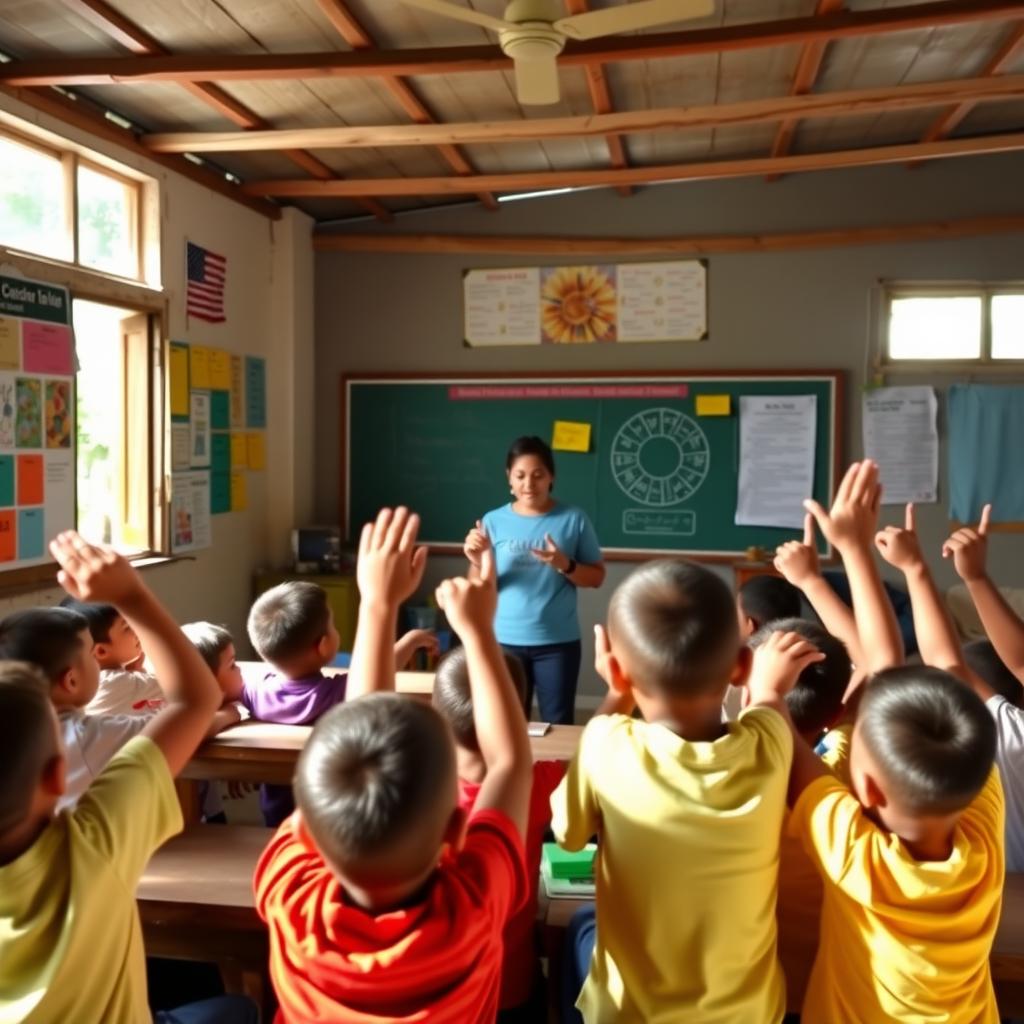
Volunteering abroad offers a unique chance to immerse yourself in a new culture while learning a language. By combining volunteer work and travel, you can build fluency naturally, connect with locals, and make a meaningful impact. This article shares top tips for mastering a language while volunteering, including innovative techniques like converting videos into language-learning prompts.
Why Volunteer Abroad to Learn a Language?
Volunteering abroad isn’t just about giving back—it’s a gateway to mastering a new language. When you volunteer abroad and learn a language, you’re surrounded by native speakers, real-life conversations, and cultural nuances that textbooks can’t teach. According to a study by the University of Cambridge, immersion is one of the most effective ways to achieve fluency. Living and working in a community forces you to practice daily, from ordering food to collaborating with locals on projects.
The top benefits of volunteer work and travel include cultural exchange, personal growth, and language acquisition. You’ll gain confidence speaking in real-world settings, pick up slang and idioms, and build lasting connections. Plus, volunteering often involves meaningful tasks like teaching, conservation, or community development, which deepen your understanding of the language’s cultural context.

Tip 1: Choose the Right Volunteer Program
Not all volunteer programs are equal when it comes to language learning. Look for international volunteering opportunities that emphasize cultural immersion. Programs like those offered by Peace Corps or Volunteers for International Partnership place you in communities where you’ll live with locals and use the target language daily.
- Research programs: Select projects in regions where your target language is widely spoken, like Spanish in Latin America or French in West Africa.
- Prioritize homestays: Living with a host family accelerates learning by exposing you to everyday conversations.
- Check language support: Some programs offer language classes or conversation partners to complement your volunteer work.
Tip 2: Set Clear Language Goals
Before you go, define what “mastering” a language means to you. Do you want to hold basic conversations, achieve professional fluency, or understand cultural nuances? Setting specific goals keeps you focused. For example:
| Goal | Example Activity | Outcome |
|---|---|---|
| Basic fluency | Practice greetings and daily phrases | Order food or ask for directions confidently |
| Conversational skills | Join community events | Discuss local issues with colleagues |
| Cultural fluency | Learn slang and idioms | Understand jokes and local expressions |
Track your progress by journaling in the target language or recording short videos of yourself speaking. Reviewing these can highlight improvement over time.
Tip 3: Use Technology to Enhance Learning
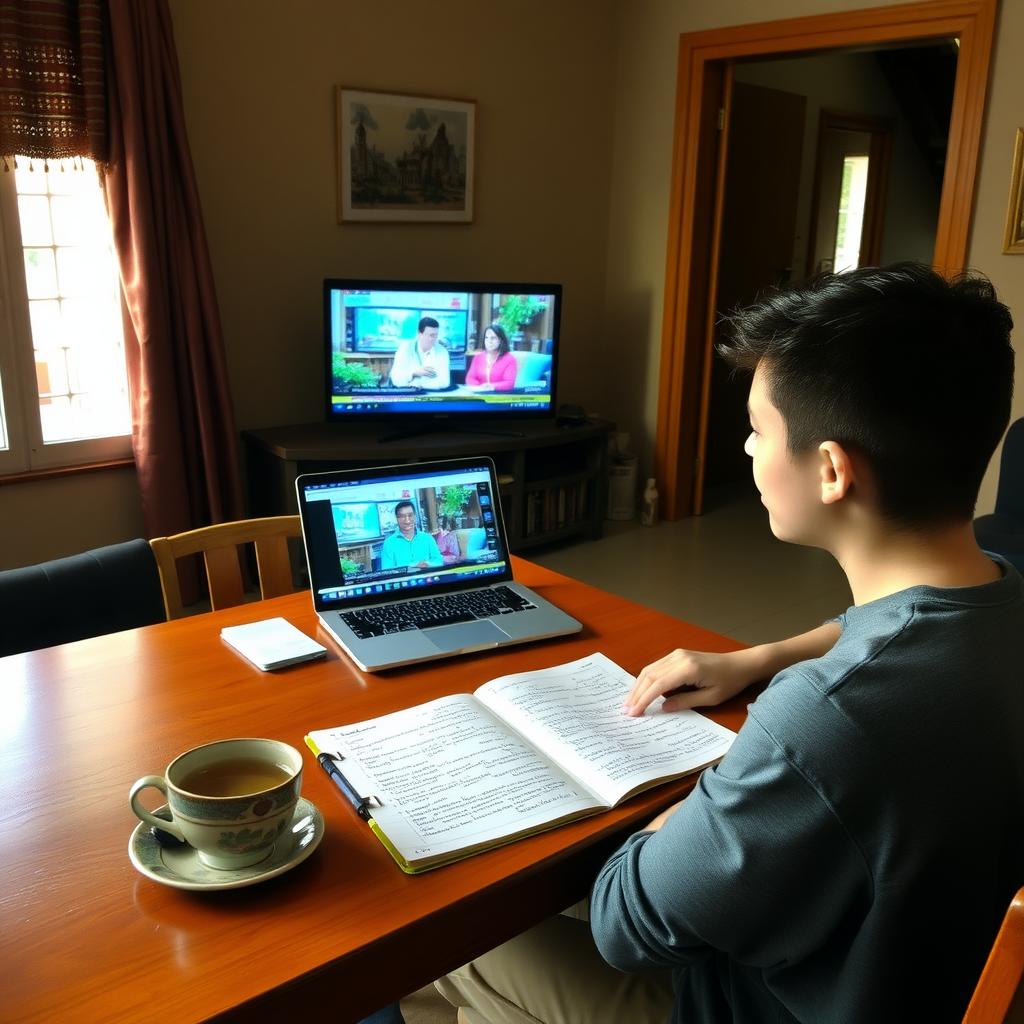
Technology can supercharge your language learning while volunteering. One creative method is to convert video content into language prompts. Watching local TV shows, interviews, or even volunteer project videos in the target language exposes you to authentic speech patterns. You can turn these into learning tools by creating prompts for practice.
For example, use a tool like the one described in this guide on converting video to prompts to extract key phrases or vocabulary from a video. Then, practice these phrases in conversations with locals. Apps like Duolingo or Memrise are also great for quick vocabulary boosts, but nothing beats real-world application.
Tip 4: Engage Actively with Locals
The heart of language mastery lies in interaction. Don’t be shy—jump into conversations, even if you make mistakes. Locals often appreciate your effort and will help you improve. Here’s how to make the most of it:
- Ask questions: Inquire about local traditions or phrases. This sparks meaningful dialogue and teaches cultural context.
- Participate in daily life: Join markets, festivals, or community meetings to hear the language in action.
- Teach and learn: If you’re volunteering as a teacher, encourage students to correct your pronunciation or share slang.
A personal story: While volunteering in Peru, I struggled with Spanish verb conjugations. My host family patiently corrected me during dinners, turning meals into informal lessons. By the end of three months, I could hold conversations about local politics—something I never thought possible.
Tip 5: Practice Consistently, Even in Small Ways
Consistency is key to mastering a language. Even small, daily efforts add up. Try these habits:
- Label your environment: Stick notes with vocabulary words on objects in your room.
- Speak daily: Commit to at least one conversation in the target language, even if it’s just a quick chat.
- Reflect in the language: Write a daily journal entry or narrate your day mentally in the target language.
Research from Cornell University shows that regular, short practice sessions are more effective than infrequent, long ones. Even 15 minutes a day can make a difference.
Tip 6: Overcome Common Challenges
Volunteering abroad can be overwhelming, and language barriers can add stress. Here’s how to tackle common hurdles:
- Fear of mistakes: Embrace errors as part of learning. Locals will value your effort over perfection.
- Limited vocabulary: Focus on high-frequency words first, like those used in greetings or directions.
- Burnout: Balance volunteer work and language study to avoid exhaustion. Take breaks to enjoy the culture without pressure.
If you’re struggling to understand fast speech, try watching local videos and creating prompts to practice specific phrases, as outlined in this helpful guide. This technique helped me slow down and grasp colloquial French while volunteering in Senegal.

Tip 7: Reflect and Adapt Your Approach
As you progress, reflect on what’s working. Are you picking up more words from conversations or media? Are certain phrases sticking better because you use them daily? Adjust your strategy based on your experience. For example, if you notice you’re better at listening than speaking, focus on conversation practice.
Volunteering provides endless opportunities to test and refine your skills. Whether you’re teaching kids, building homes, or conserving wildlife, each task offers new vocabulary and contexts. Keep a notebook to jot down new words and review them weekly.
Summary
Mastering a language while volunteering abroad is a rewarding journey that combines cultural immersion, personal growth, and meaningful impact. By choosing the right program, setting clear goals, using technology like video-to-prompt conversion, and engaging with locals, you can achieve fluency faster than you thought possible. Start small, stay consistent, and embrace the adventure of volunteer work and travel. Your language skills—and your worldview—will thank you.