The Power of Volunteer Advocacy: Changing Lives and Policies
Discover how volunteer advocacy transforms communities and influences policies. This article explores real success stories, practical strategies, and the impact of dedicated volunteers overcoming challenges to drive meaningful change.
3 min read
Overview
Volunteer advocacy is a powerful force for change. From shaping public policies to improving lives, volunteers dedicate their time and passion to make a difference. This article dives into The Power of Volunteer Advocacy: Changing Lives and Policies, sharing real stories, strategies, and insights into how ordinary people create extraordinary impact.
What Is Volunteer Advocacy?
Advocacy involves speaking up for a cause, influencing decisions, and driving change. Volunteers, often without formal training, take on this role to address issues like healthcare access, environmental protection, or social justice. Unlike paid lobbyists, volunteer advocates are driven by personal commitment, not financial gain. Their passion fuels grassroots movements that can shift policies and transform communities.
According to a study by the Corporation for National and Community Service, over 77 million Americans volunteered in 2020, contributing billions in economic value. Many of these volunteers engaged in advocacy, amplifying voices that might otherwise be ignored. Their work proves that anyone with dedication can influence change.
Success Stories of Advocacy Volunteers
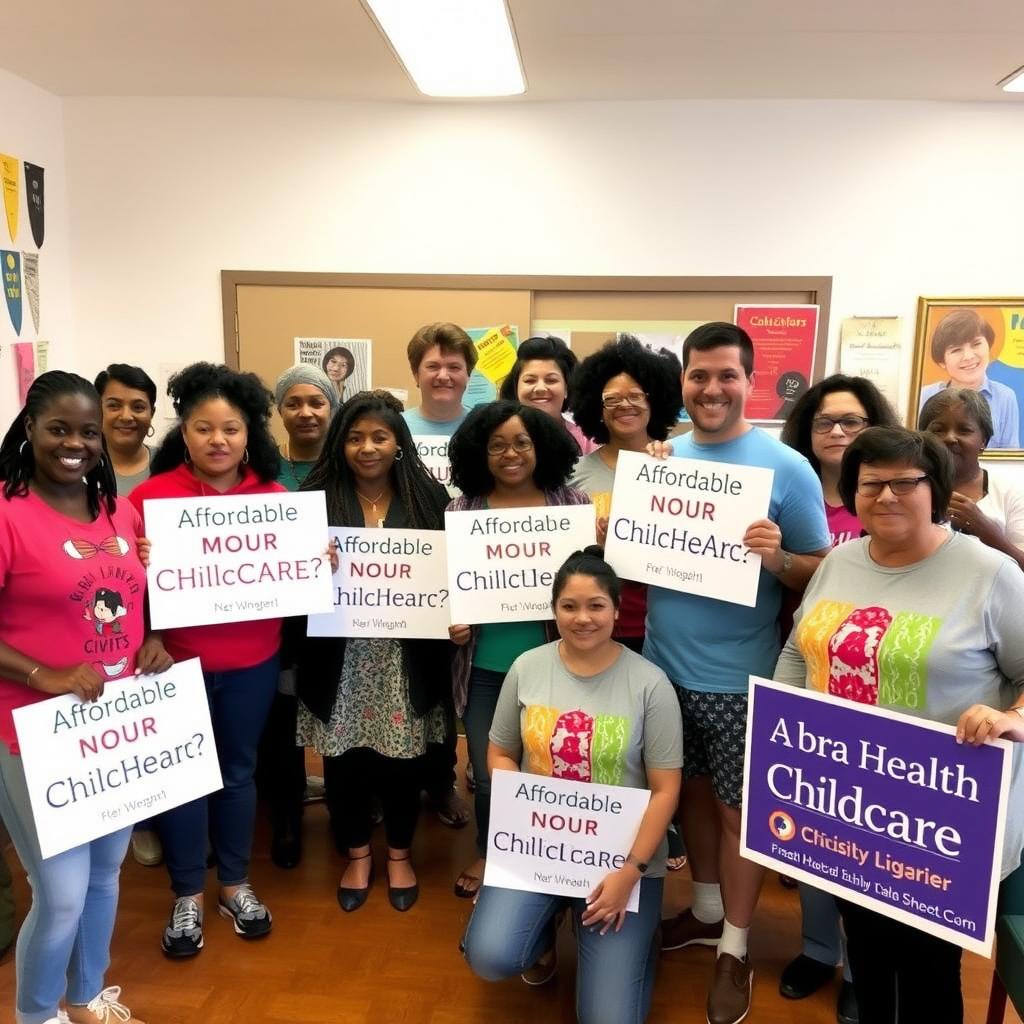
Real people drive real change. Take Sarah, a single mother from Ohio, who became an advocate for affordable childcare. Frustrated by high costs, she organized community forums and met with local lawmakers. Her efforts led to a state-funded childcare subsidy program, helping thousands of families. Sarah’s story shows how one voice can spark systemic change.
Then there’s Jamal, a college student who advocated for mental health resources on campus. After losing a friend to suicide, he rallied students to petition for better counseling services. His campaign prompted his university to hire additional counselors and launch a 24/7 helpline. These success stories of advocacy volunteers highlight the ripple effect of individual action.

Adaptation in Volunteer Projects: Overcoming Challenges
Advocacy isn’t always smooth sailing. Volunteers face obstacles like limited resources, public skepticism, or bureaucratic red tape. Yet, successful advocates adapt. For example, when Maria’s environmental group struggled to gain traction, they shifted to social media campaigns, reaching thousands online. This pivot helped pass a local ordinance banning single-use plastics.
Adaptation requires creativity and resilience. Volunteers often juggle busy schedules, so they find ways to maximize impact. Some use virtual platforms to organize, while others partner with local businesses for funding. A report from the Urban Institute notes that flexible strategies increase advocacy success by 40%. By staying nimble, volunteers turn challenges into opportunities.
Common Challenges and Solutions
Here’s a quick look at hurdles volunteers face and how they overcome them:
| Challenge | Solution |
|---|---|
| Limited funding | Crowdfunding or local sponsorships |
| Lack of awareness | Social media campaigns and community events |
| Policy resistance | Building coalitions with other groups |
| Volunteer burnout | Shared responsibilities and regular breaks |
These solutions show how Adaptation in Volunteer Projects: Overcoming Challenges is key to sustained impact.
Why Volunteer Advocacy Matters
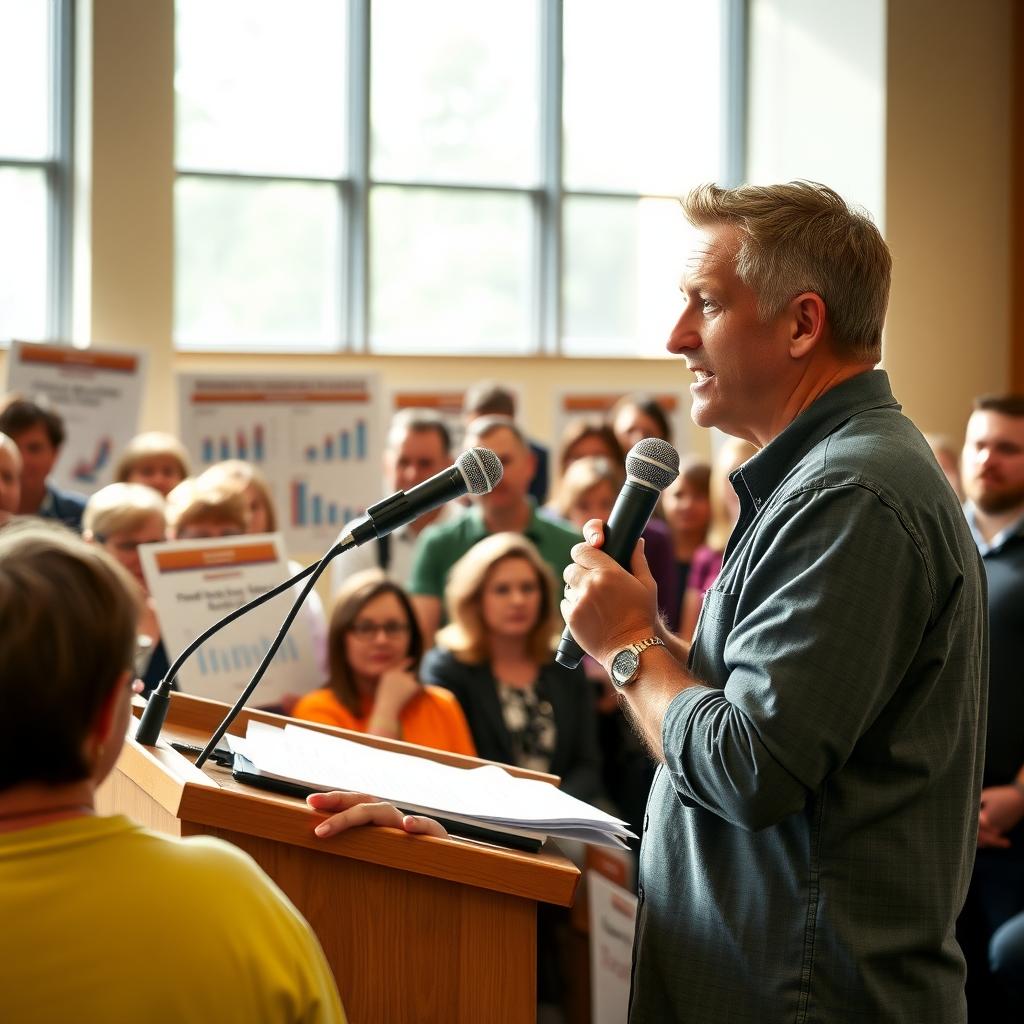
Volunteer advocacy bridges the gap between communities and policymakers. It ensures marginalized voices are heard. For instance, volunteers in rural areas have pushed for better internet access, leading to federal grants for broadband expansion. A study from Harvard University found that grassroots advocacy influences 60% of local policy decisions.
Beyond policy, advocacy changes lives. Volunteers provide hope, resources, and visibility to those in need. They build stronger, more connected communities. Whether it’s fighting for clean water or equitable education, their work creates lasting impact.
How to Get Involved
Ready to make a difference? Here’s how to start:
- Find Your Cause: Choose an issue you care about, like education or healthcare.
- Join a Group: Connect with local organizations or online advocacy networks.
- Learn the Issues: Research the problem and existing policies.
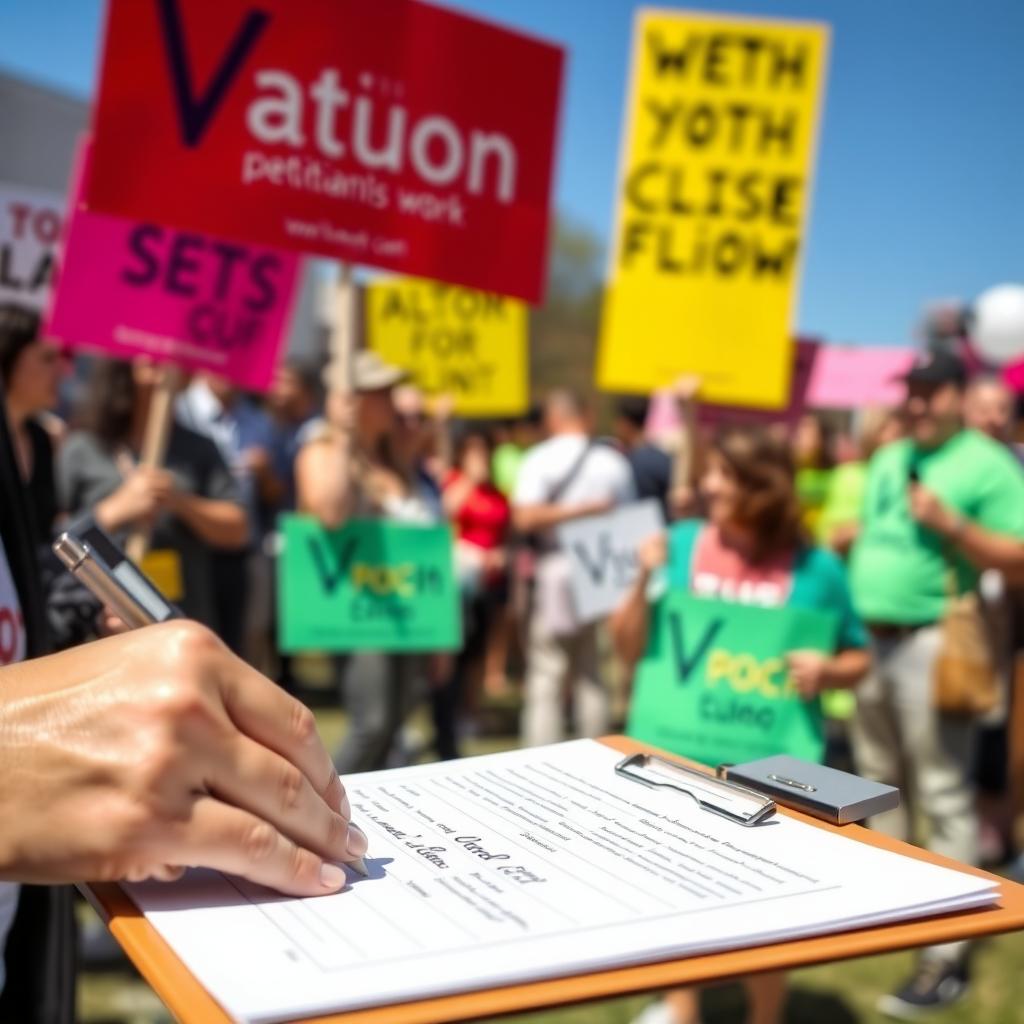
- Start Small: Attend a community meeting or share a petition.
- Stay Persistent: Change takes time, but every step counts.
Volunteering doesn’t require expertise—just passion and commitment. Platforms like VolunteerMatch can help you find opportunities near you.
The Bigger Picture
The power of volunteer advocacy lies in its ability to unite people. It’s not just about changing laws—it’s about building communities where everyone has a voice. Volunteers prove that ordinary individuals can tackle big problems. Their adaptability, passion, and persistence drive progress.
Summary
The Power of Volunteer Advocacy: Changing Lives and Policies is undeniable. From Sarah’s childcare reforms to Jamal’s mental health campaign, volunteers show that anyone can spark change. By overcoming challenges and adapting strategies, they influence policies and improve lives. Want to learn more? Check out the recommended readings below.