The Role of Non-Profits in Education: How Skill-Based Volunteering Makes a Difference
Discover how non-profits transform education through skill-based volunteering, empowering professionals to share expertise and uplift schools and communities.
3 min read
Non-profits are key players in education, filling gaps with resources and support. Through skill-based volunteering, professionals share their expertise to boost learning in schools and communities. This article dives into their impact and how you can get involved.
The Role of Non-Profits in Education
Non-profits step in where schools often can’t. They offer after-school programs, tutoring, and special classes in subjects like science or art. Unlike bigger systems, they adapt quickly to what kids and communities need.
Take Teach For America, for example. They train professionals to teach in low-income schools, tackling teacher shortages head-on. I’ve seen friends join this program and bring new energy to classrooms that desperately needed it. Another group, Code.org, teaches kids to code, opening doors to tech careers. These efforts don’t just help students learn—they spark curiosity and hope.

What Is Skill-Based Volunteering?
Skill-based volunteering lets professionals use their work skills to help education. It’s not just about donating time—it’s about sharing what you know. A coder might teach kids programming, or a writer could run a storytelling workshop.
I once met a graphic designer who volunteered at a school. She taught students to create posters, and their excitement was contagious. That’s the power of skill-based volunteering in education: it connects real-world skills to kids’ lives. Professionals don’t need to be teachers to make a difference—they just need to share what they’re good at.

Real Stories of Impact
Here’s how skill-based volunteering works in action:
-
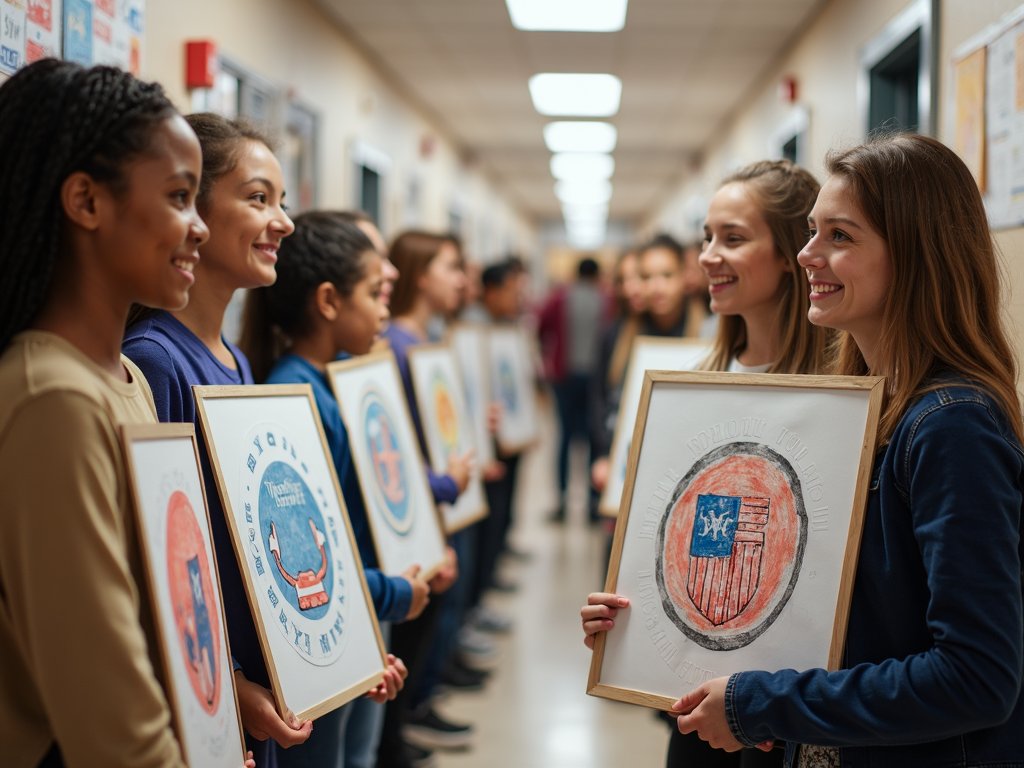
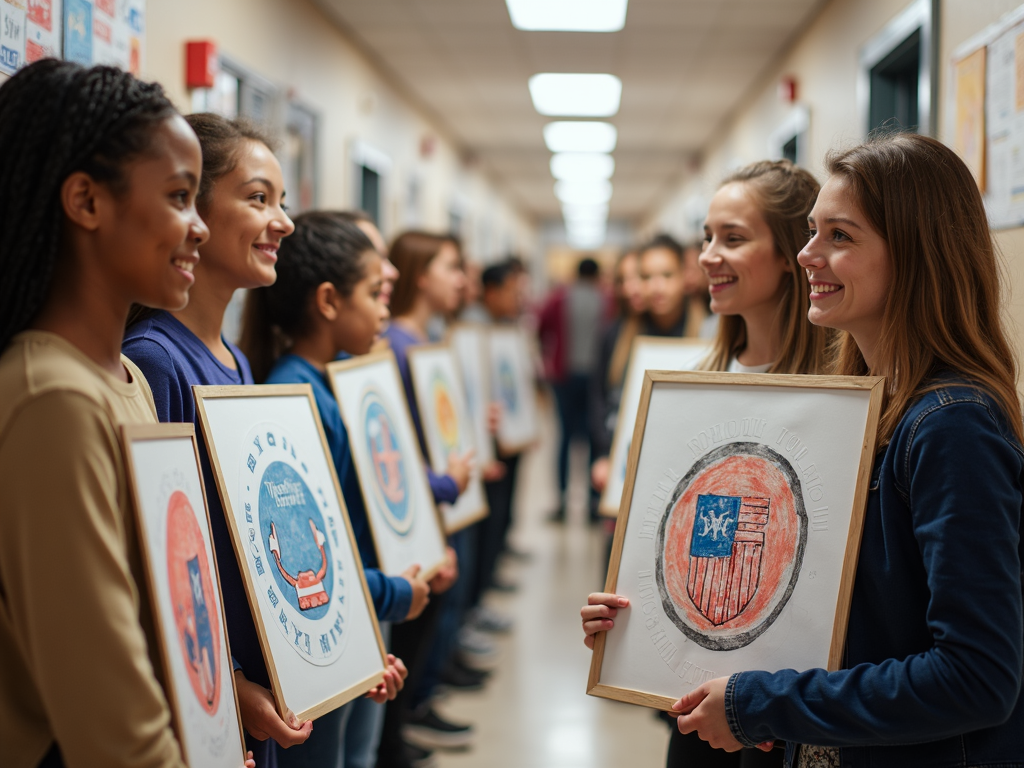
Designing a School Logo: A designer I know spent weekends with high schoolers. They made a new school logo together. The kids learned design basics and felt proud seeing their work used.
-
Mentoring Teens: A friend in finance mentored middle schoolers. She shared budgeting tips and career advice. One student told her it was the first time he thought college was possible.
-
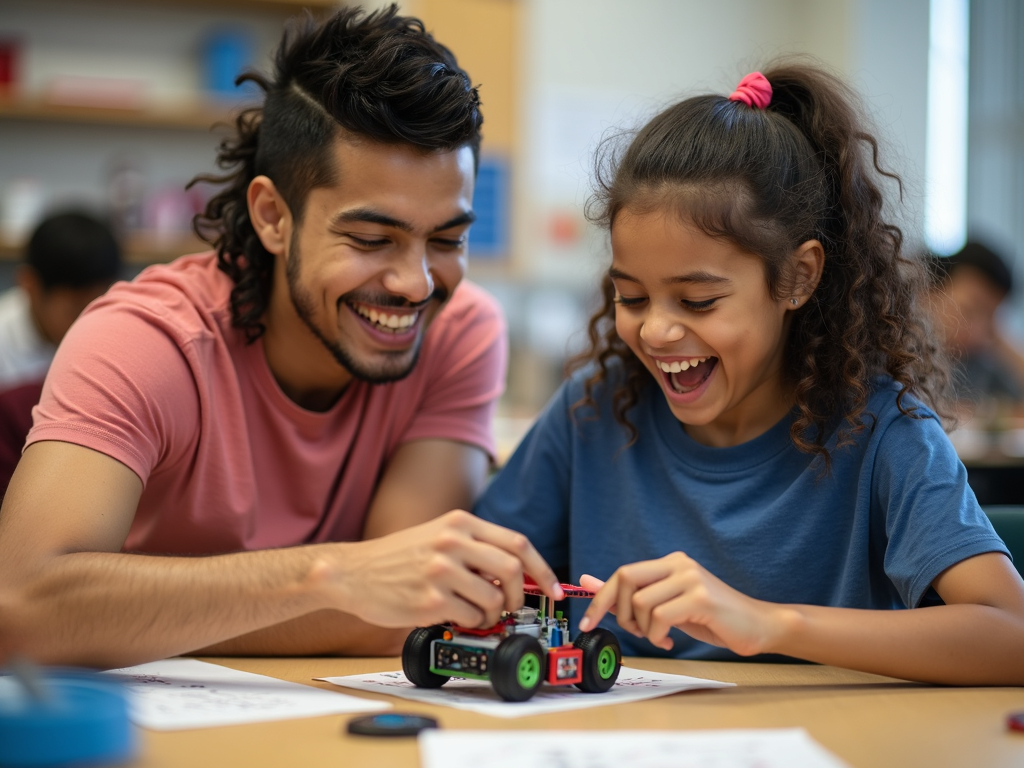
STEM Day Fun: A non-profit brought engineers to a community center. Kids built mini-robots and asked endless questions. It was messy, loud, and inspiring.
These moments show how professionals can impact schools beyond teaching. They bring skills and passion that stick with students long-term.
Why It Matters
Skill-based volunteering helps everyone involved.
For Students: They get hands-on learning and meet role models. A Harvard study found mentoring boosts kids’ confidence and grades. It’s not just about skills—it’s about believing in themselves.
For Volunteers: It feels good to help. I’ve volunteered to teach writing, and seeing kids light up with ideas was a high I can’t explain. Plus, you might pick up new skills or meet great people.
For Communities: Non-profits and volunteers fill resource gaps, especially in underfunded areas. It’s a team effort that makes education fairer for all.
Skill-Based Volunteering: A Guide for Professionals
Ready to jump in? Here’s how:
-
Know Your Strengths: What do you do well? Coding, marketing, or even organizing? Match that to a school’s needs.
-
Find a Fit: Check sites like VolunteerMatch for local options. Schools and non-profits often need specific help.
-
Reach Out: Call or email. Say, “I’m a designer and I’d love to teach kids.” Be clear and friendly.
-
Stay Open: Schedules might shift. Be ready to adjust.
-
Stick With It: Regular help beats a one-off. Kids thrive on consistency.
I started small—helping at a career fair. It grew into monthly sessions. You don’t need to overhaul your life; just start where you can.

How Professionals Can Impact Schools Beyond Teaching
Volunteering isn’t just about classrooms. You could:
| Role | Impact Example |
|---|---|
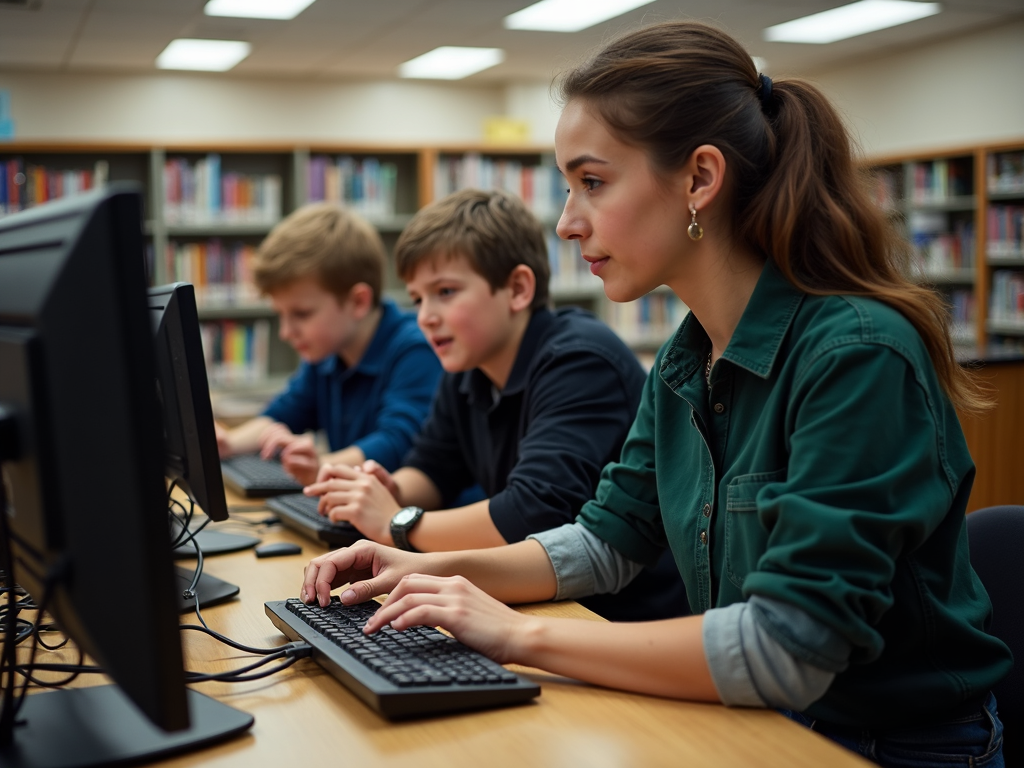
| Tech Support | Fix a school’s outdated computers |
| Event Planning | Organize a science fair |
| Fundraising | Help a non-profit raise money |
A buddy of mine set up a school’s Wi-Fi. It wasn’t glamorous, but it meant kids could research online. Every skill counts—big or small, it adds up.
Challenges to Watch For
It’s not all easy. Time can be tight—work and volunteering compete. I’ve had to say no sometimes to keep balance. Also, not every kid engages right away. Patience helps. Finally, make sure your help lasts. One-off workshops are fun, but ongoing support changes lives.
Talk to non-profits about what they need most. That way, your time makes the biggest splash.
Wrapping Up
Non-profits play a huge role in education, bringing resources and hope where they’re needed. Skill-based volunteering lets professionals pitch in with their expertise, creating real change. From teaching skills to mentoring kids, the impact is deep and lasting. Want to help? Your skills can light the way for students and communities alike.