Service Learning and Civic Engagement: A Pathway to Social Change
Explore how service learning and civic engagement empower individuals to drive meaningful social change through education, volunteer efforts, and community action.
3 min read
Overview
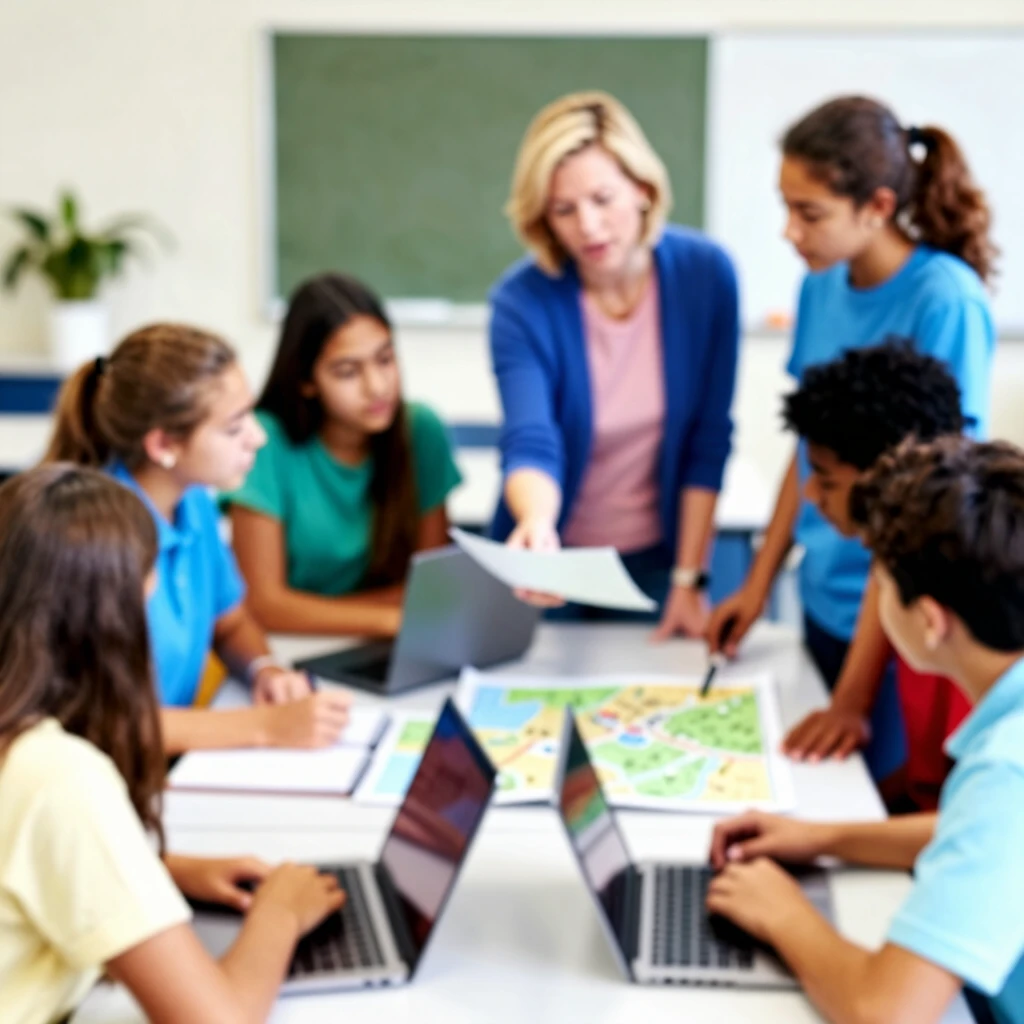
Service learning and civic engagement offer a powerful way to connect classroom knowledge with real-world action. By combining education with volunteer work, people build skills, empathy, and a drive to create positive social change. This approach turns learning into a tool for improving communities.
What Is Service Learning?
Service learning is a teaching method that mixes classroom lessons with community service. Students apply what they learn in school to real problems. They volunteer in ways that help others while deepening their own understanding.
Unlike simple volunteer work, service learning includes reflection. Students think about their experiences and connect them back to course topics. This helps them grow personally and academically.
Many schools now include service learning experiences in education. From high schools to colleges, these programs teach civic responsibility alongside subjects like science or history.
Research from sources like the National Service-Learning Clearinghouse shows that service learning enriches learning and builds civic skills. It turns students into active citizens who care about their communities.
The Link to Civic Engagement
Civic engagement means taking part in activities that improve community life. This includes voting, advocating for change, or joining local projects.
Service learning boosts civic engagement. When students volunteer, they see real issues up close. They learn how one person can make a difference.
For example, a student might tutor kids in an after-school program. This direct service shows them the impact of education gaps and motivates them to stay involved long-term.

Benefits for Students and Communities
Students gain a lot from service learning. They develop skills like leadership, communication, and problem-solving. They also build empathy by working with people from different backgrounds.
Studies show participants often feel more connected to their communities. They report higher self-confidence and a stronger sense of purpose.
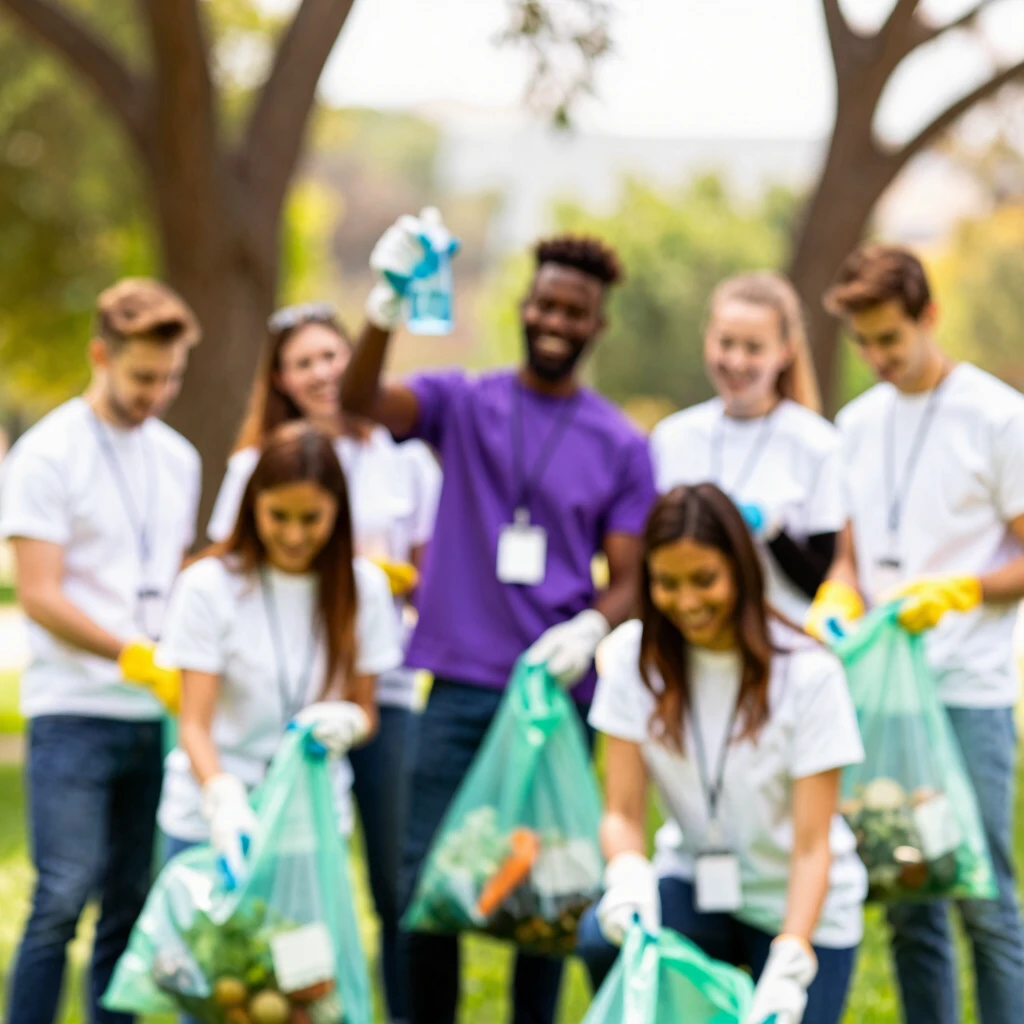
Communities benefit too. Volunteer efforts address real needs, like cleaning parks, supporting food banks, or teaching skills to others. This creates lasting improvements.
Key Benefits at a Glance
| Benefit | For Students | For Communities |
|---|---|---|
| Skill Development | Leadership, teamwork, critical thinking | Better services and projects |
| Personal Growth | Empathy, confidence, civic awareness | Stronger volunteer support |
| Academic Gains | Deeper understanding of subjects | Real-world solutions to issues |
| Long-Term Impact | Lifelong commitment to service | Sustainable change |
In my own experience volunteering at a local shelter, I saw how small actions add up. Helping serve meals opened my eyes to homelessness issues. It pushed me to learn more and advocate for better policies.
Real-World Examples
Many programs show service learning in action. College students might partner with nonprofits to tackle environmental problems. High schoolers could organize food drives while studying nutrition.
One common project involves park cleanups. Groups remove trash and plant trees, learning about ecology along the way.
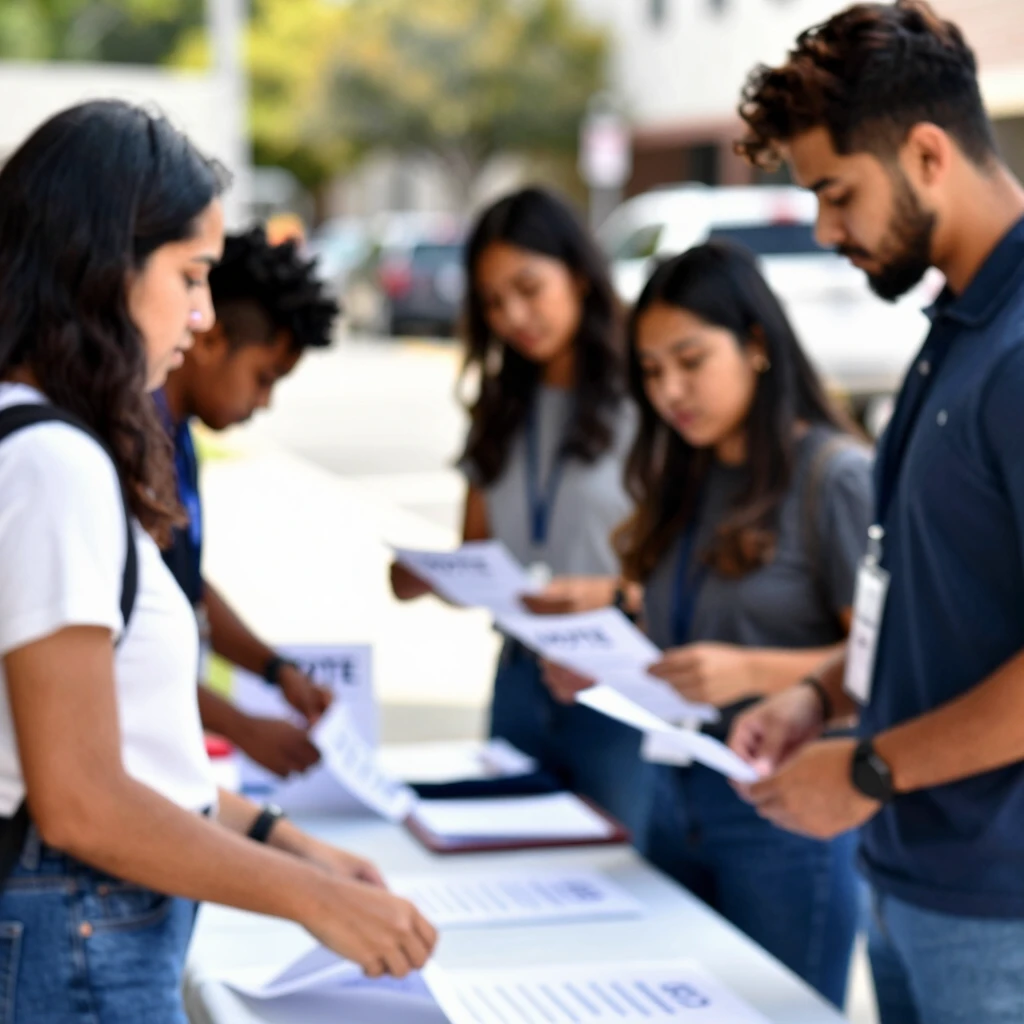
Another example: Students run voter registration drives. This teaches government lessons while increasing community participation.
How It Drives Social Change
Service learning and civic engagement create ripples of change. Participants often continue volunteering after their programs end. They vote more, join causes, and inspire others.
On a larger scale, these efforts tackle big issues like poverty, inequality, and climate change. Collective action from informed citizens leads to policy shifts and better societies.
Authoritative sources, such as reports from the U.S. Department of Education, highlight how service learning renews civic spirit in youth.
Getting Started with Service Learning
If you're a student, talk to your teachers about adding service to classes. Look for volunteer opportunities that match your interests.
Educators can design simple projects. Start small, like a one-day event, then build reflection into lessons.
Anyone can volunteer independently. Find local needs and jump in. Reflection—journaling about experiences—makes it more meaningful.
Tips for Effective Projects
- Identify real community needs
- Partner with local organizations
- Include time for reflection
- Measure impact on both sides
- Celebrate successes
Personal insight: Starting as a volunteer felt overwhelming, but focusing on one issue made it manageable. Over time, it became a habit that shaped my worldview.
Challenges and Solutions
Not every project goes smoothly. Challenges include time constraints or mismatched expectations.
Solutions: Plan ahead, communicate clearly, and stay flexible. Strong partnerships make everything easier.
Conclusion
Service learning and civic engagement truly serve as a pathway to social change. They bridge education and action, creating informed, compassionate leaders. By participating, we all contribute to stronger, fairer communities.
Start today—volunteer, reflect, and watch the impact grow.