Service Learning: The Secret Weapon for College Students' Success
Service learning combines community service with academic learning, offering students a unique way to apply classroom knowledge to real-world situations while gaining valuable skills.
4 min read

Service learning is a teaching method that integrates community service with academic learning. It's not just about volunteering; it's about applying what you've learned in the classroom to real-world situations. For example, a biology student might volunteer at a local hospital, applying their knowledge of anatomy to help patients. Service learning has its roots in the early 20th century, when educators began to recognize the value of experiential learning. However, it wasn't until the 1960s and 1970s that service learning became a formalized teaching method. Today, service learning is widely used in colleges and universities around the world, with many institutions incorporating it into their curricula.
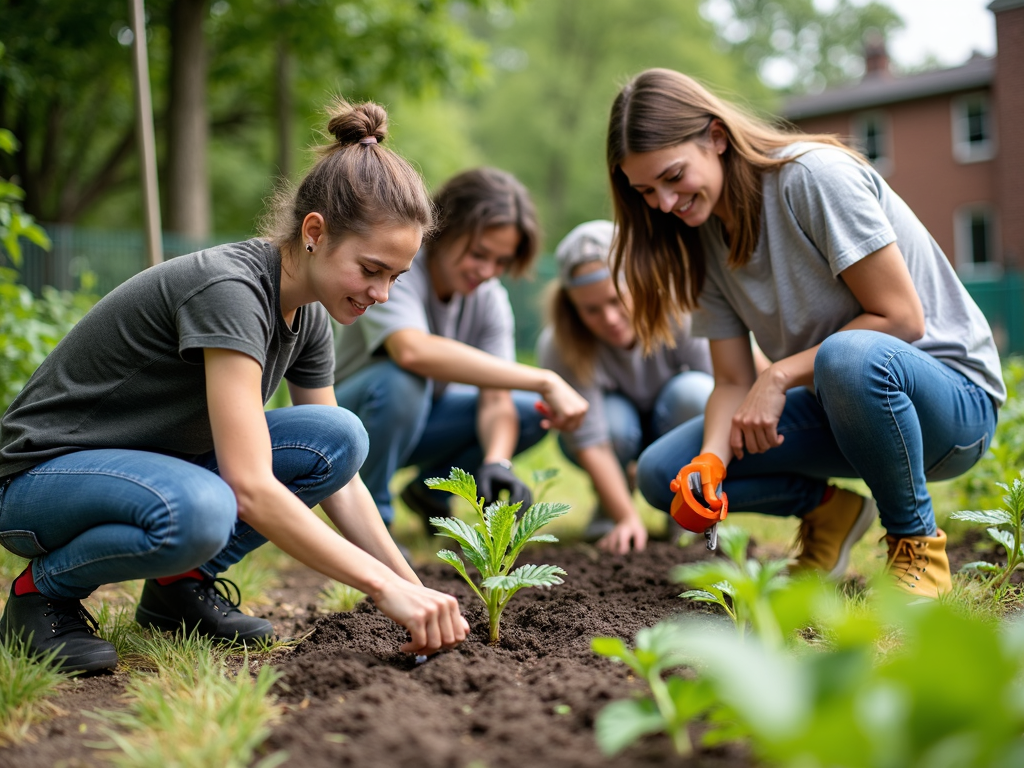
Service learning offers numerous benefits, both for the community and for the students themselves. For the community, it provides much-needed services and support. For students, it offers a chance to gain practical experience, develop new skills, and make a positive impact. One of the key benefits of service learning is that it allows students to apply their academic knowledge to real-world situations. For example, a student studying environmental science might participate in a service learning project that involves cleaning up a local park or river. Through this experience, the student can see firsthand the impact of pollution on the environment and learn how to address it. Another benefit is that service learning helps students develop important skills, such as communication, teamwork, and problem-solving. These skills are highly valued by employers and can give students a competitive edge in the job market.
Top Volunteer Opportunities for College Students: 1. Tutoring at local schools 2. Helping at food banks 3. Participating in environmental cleanups 4. Volunteering at hospitals or clinics 5. Assisting at animal shelters
While both service learning and regular volunteering involve giving back to the community, there are key differences. Service learning is structured and tied to academic learning, whereas regular volunteering is often more flexible and not necessarily connected to coursework. One of the main differences is the structured nature of service learning. In service learning, students are required to reflect on their experiences and connect them to their academic learning. This reflection is often done through journals, essays, or class discussions. In contrast, regular volunteering is often more flexible and may not have the same level of structure or reflection. While both are valuable, service learning provides a more intentional and integrated learning experience.
| Aspect | Service Learning | Traditional Volunteering |
|---|---|---|
| Structure | Structured, tied to academic learning | Flexible, not necessarily tied to coursework |
| Learning Outcomes | Specific learning objectives | General skills development |
| Reflection | Integral part of the experience | Not always emphasized |
| Duration | Often longer-term | Can be short-term or long-term |
Employers value volunteer experience, and service learning is a great way to gain that experience. It shows that you're proactive, community-minded, and willing to take on challenges. Plus, it can help you develop skills that are transferable to the workplace. Service learning can help students develop a range of skills that are highly valued by employers. For example, through service learning, students can learn how to work effectively in teams, communicate with diverse groups of people, and solve complex problems. These skills are transferable to a variety of careers and can make students more attractive to potential employers. Additionally, service learning can help students build their professional networks. By working with community organizations and professionals in their field, students can make valuable connections that can lead to job opportunities or internships.


Meet Emily, a college student who participated in service learning. She volunteered at a local animal shelter, applying her knowledge of animal behavior to help train dogs. Through this experience, she developed new skills, made a positive impact, and gained a deeper understanding of her coursework. Another student, Alex, volunteered at a local homeless shelter. Through this experience, Alex learned about the challenges faced by homeless individuals and developed a deeper understanding of social issues. He also gained valuable skills in communication and empathy, which he believes will help him in his future career as a social worker.
If you're interested in participating in service learning, there are several ways to get started. First, check with your college or university to see if they offer service learning courses or programs. Many institutions have dedicated offices or departments that coordinate service learning opportunities. You can also reach out to local community organizations or non-profits to see if they have any volunteer opportunities that align with your academic interests. For example, if you're studying education, you might volunteer at a local school or after-school program. Another option is to look for service learning opportunities through national or international organizations. For example, the Peace Corps offers service learning opportunities in developing countries, while AmeriCorps provides opportunities within the United States. When choosing a service learning opportunity, it's important to consider your interests, skills, and goals. Look for opportunities that align with your academic and career aspirations, and that will challenge you to learn and grow.