Service Learning in Education: Best Practices for Transformative Impact
Discover how service learning in education empowers students, strengthens communities, and fosters lifelong skills. This comprehensive guide explores best practices, real-world examples, and actionable strategies for integrating service learning into classrooms effectively.
4 min read
Overview
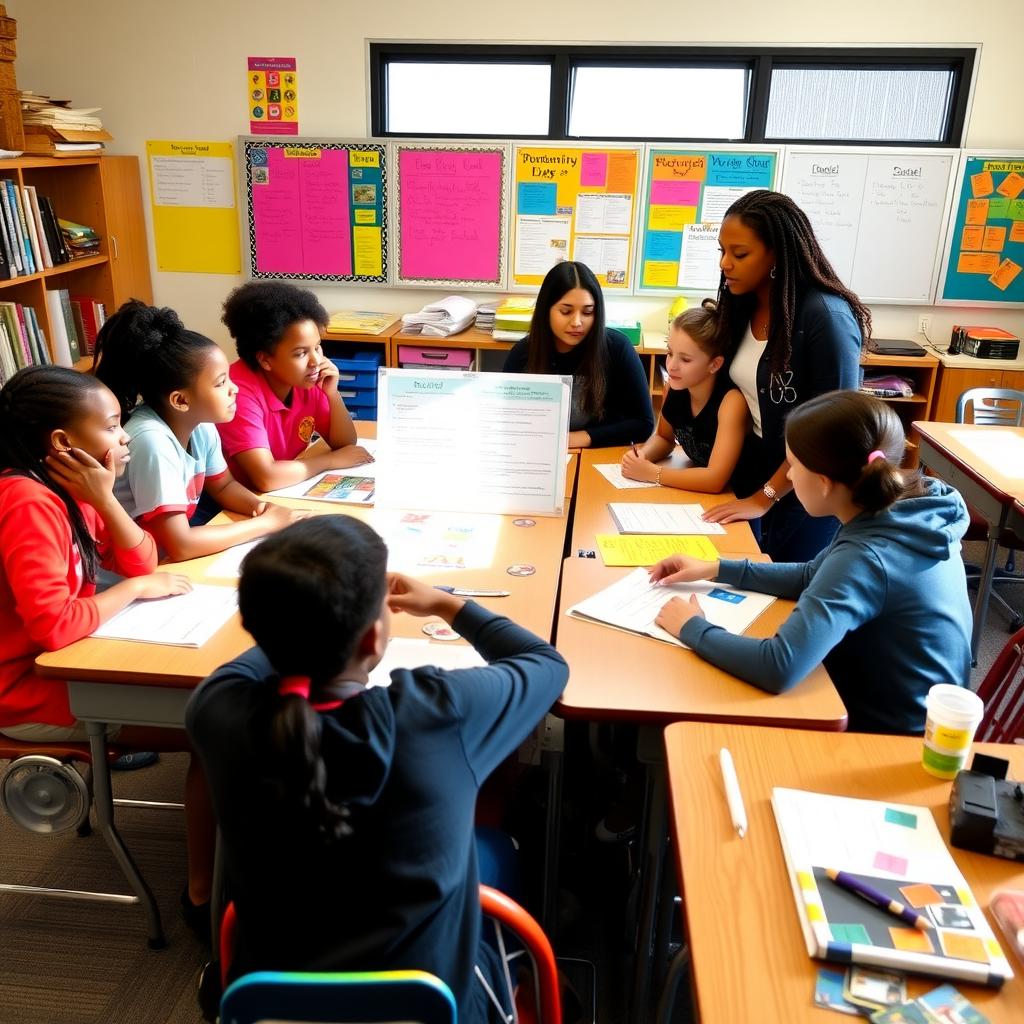
Service learning in education combines academic learning with meaningful community service, creating a powerful approach to teaching that benefits both students and society. By engaging in real-world projects, students develop critical skills while addressing community needs. This article dives into Service Learning in Education: Best Practices, offering practical strategies and insights to make it impactful.
What Is Service Learning?
Service learning is more than volunteering. It’s an educational approach where students apply classroom knowledge to real-world problems through structured community service. Unlike traditional volunteering, service learning ties directly to curriculum goals, encouraging reflection and critical thinking. For example, a biology class might partner with a local environmental group to restore a wetland, connecting science lessons to tangible outcomes.
This method fosters empathy, leadership, and civic responsibility. It’s not about checking a box; it’s about creating experiences that stick with students for life. Why Service Learning Changes Lives lies in its ability to make learning personal and purposeful, bridging the gap between theory and action.

Why Service Learning Matters
Service learning transforms education by making it relevant. Students often ask, “Why am I learning this?” Service learning answers that question. When a math class calculates the budget for organizing a community service event, like a food drive, they see numbers come to life. This relevance boosts engagement and retention.
Beyond academics, service learning builds soft skills. Students learn teamwork, communication, and problem-solving while addressing real issues, like food insecurity or environmental challenges. A 2017 study by the National Service-Learning Clearinghouse found that students in service learning programs showed improved academic performance and civic engagement compared to peers in traditional classrooms.
Best Practices for Effective Service Learning
To make service learning successful, careful planning and execution are key. Below are proven strategies to ensure impactful programs.
1. Align Projects with Curriculum Goals
Service learning works best when it complements what students are already studying. For instance, a history class exploring civil rights could partner with a local nonprofit to create an oral history project with community elders. This reinforces academic content while deepening students’ understanding of social issues.
2. Partner with Community Organizations
Strong partnerships are the backbone of service learning. Schools should collaborate with local nonprofits or government agencies to identify community needs. Tools like volunteer management platforms can streamline coordination, ensuring projects are meaningful and well-organized.
3. Encourage Student Voice and Choice
Let students have a say in the projects they tackle. When they choose issues they care about, like reducing plastic waste or supporting homeless shelters, their motivation skyrockets. A middle school in Oregon saw a 30% increase in student participation when they let kids vote on service projects.
4. Incorporate Reflection
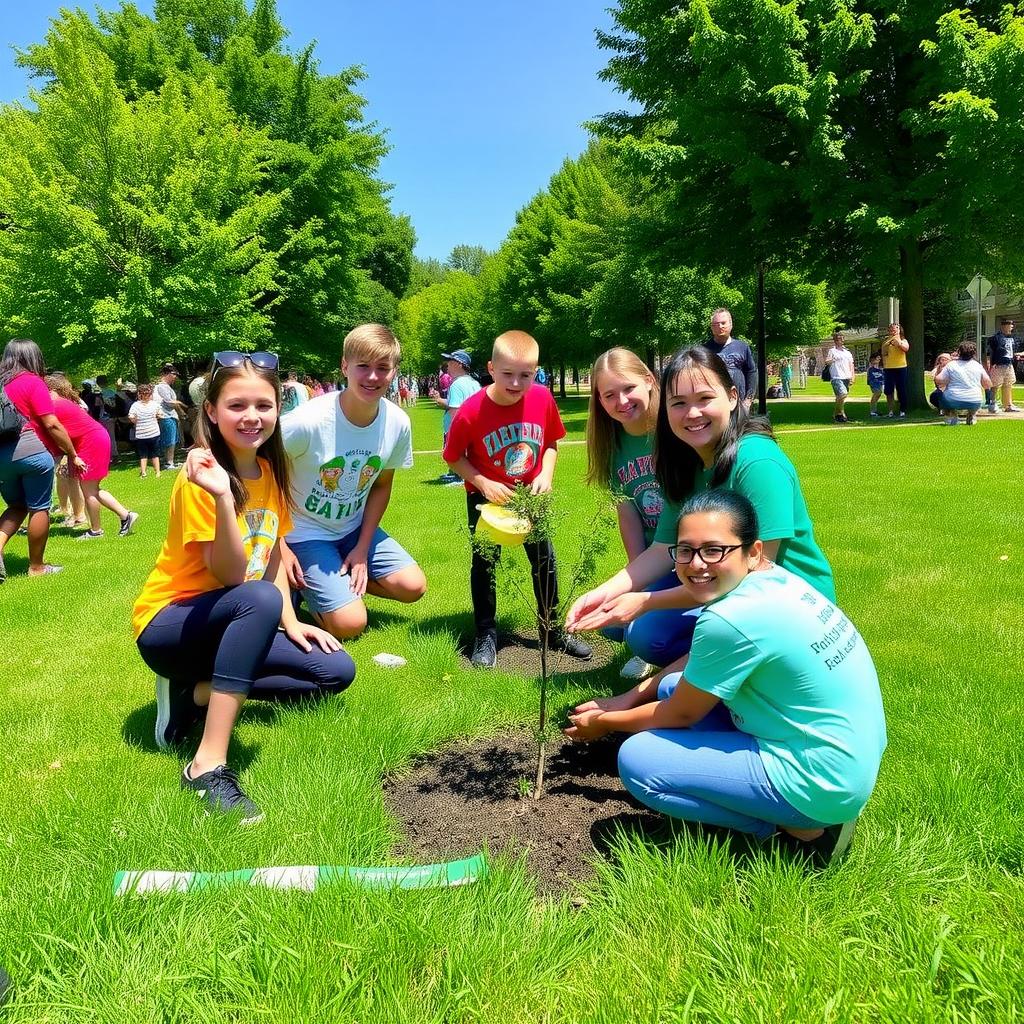
Reflection is what makes service learning more than just volunteering. Students should regularly journal, discuss, or present their experiences. For example, after organizing a community service event, a class might discuss what worked, what didn’t, and how it impacted the community. This builds critical thinking and self-awareness.
5. Assess Impact, Not Just Output
Evaluation shouldn’t just focus on what was done (e.g., hours served). Measure the impact on students and the community. Did the project meet its goals? Did students grow in confidence or skills? Surveys and interviews can provide valuable feedback.
Real-World Examples of Service Learning
To illustrate, let’s look at two inspiring examples: - Elementary School Garden Project: A third-grade class in California studied plant biology by creating a community garden. They donated the produce to a local food bank, learning about science and food insecurity. - High School Voter Registration Drive: A civics class in Chicago organized a voter registration drive, applying lessons on government while boosting community participation.
These projects show how service learning can be adapted to any age or subject. They also highlight Why Service Learning Changes Lives—students feel empowered knowing their work makes a difference.
Challenges and How to Overcome Them
Service learning isn’t without hurdles. Limited resources, time constraints, and lack of community partners can pose challenges. Here’s how to address them:
| Challenge | Solution |
|---|---|
| Limited funding | Seek grants from organizations like the Corporation for National and Community Service. |
| Time constraints | Integrate service learning into existing class time, like using English classes for grant writing. |
| Lack of partners | Use platforms like volunteer management tools to connect with local groups. |
Tips for Organizing a Community Service Event
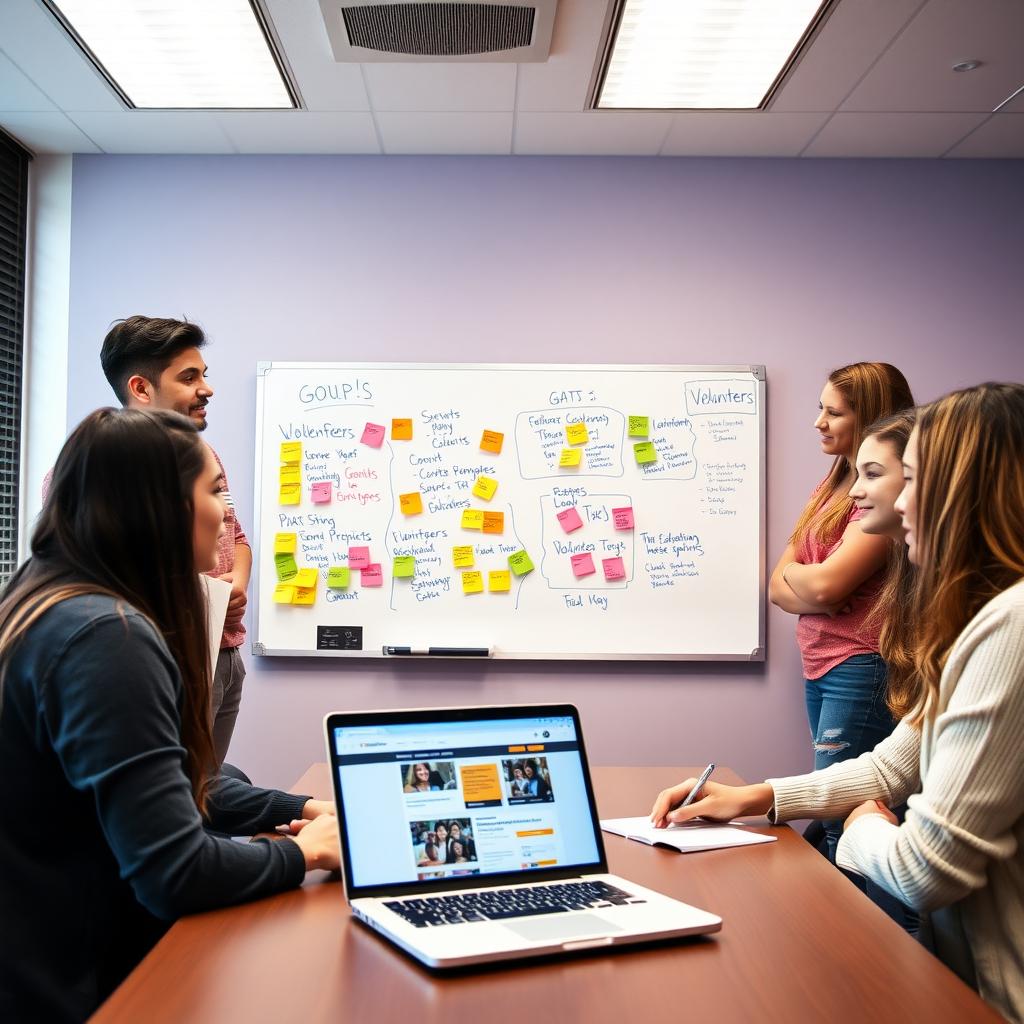
Planning a service learning event requires clear steps. Here’s a quick guide: 1. Identify Needs: Work with community partners to find pressing issues. 2. Set Goals: Define what students and the community will gain. 3. Plan Logistics: Use tools like volunteer management platforms to assign tasks and track progress. 4. Engage Students: Let them lead where possible, from planning to execution. 5. Reflect and Celebrate: After the event, discuss outcomes and celebrate successes.
The Lasting Impact of Service Learning
Service learning doesn’t just benefit students and communities in the moment—it creates lifelong learners and engaged citizens. Students who participate are more likely to vote, volunteer, and pursue careers in public service, according to a 2020 report by the American Educational Research Association.
For educators, the challenge is integrating service learning without overwhelming schedules. Start small—a single project per semester—and scale up as you gain experience. The rewards, from student growth to community impact, are worth it.
Summary
Service Learning in Education: Best Practices offers a roadmap for creating meaningful, curriculum-aligned projects that empower students and strengthen communities. By aligning projects with academic goals, fostering partnerships, and encouraging reflection, educators can make learning transformative. Start small, think big, and watch students thrive.