Discover Service Learning Opportunities in Local Communities
Explore service learning opportunities in local communities that combine volunteering with personal growth. This article offers practical insights, real-world examples, and tips to get involved, empowering you to make a difference while gaining valuable skills.
4 min read
Overview
Service learning opportunities in local communities blend volunteer work with personal development, offering a chance to give back while growing as an individual. Whether you're a student, professional, or retiree, these experiences foster meaningful connections and skills. This guide explores how to find and engage in impactful service learning projects near you.
What Is Service Learning?
Service learning is more than just volunteering. It’s a structured approach that combines community service with learning objectives. You contribute to your community while gaining skills, perspective, and a deeper understanding of social issues. Unlike traditional volunteering, service learning emphasizes reflection and personal growth, often through partnerships with schools, nonprofits, or local organizations.
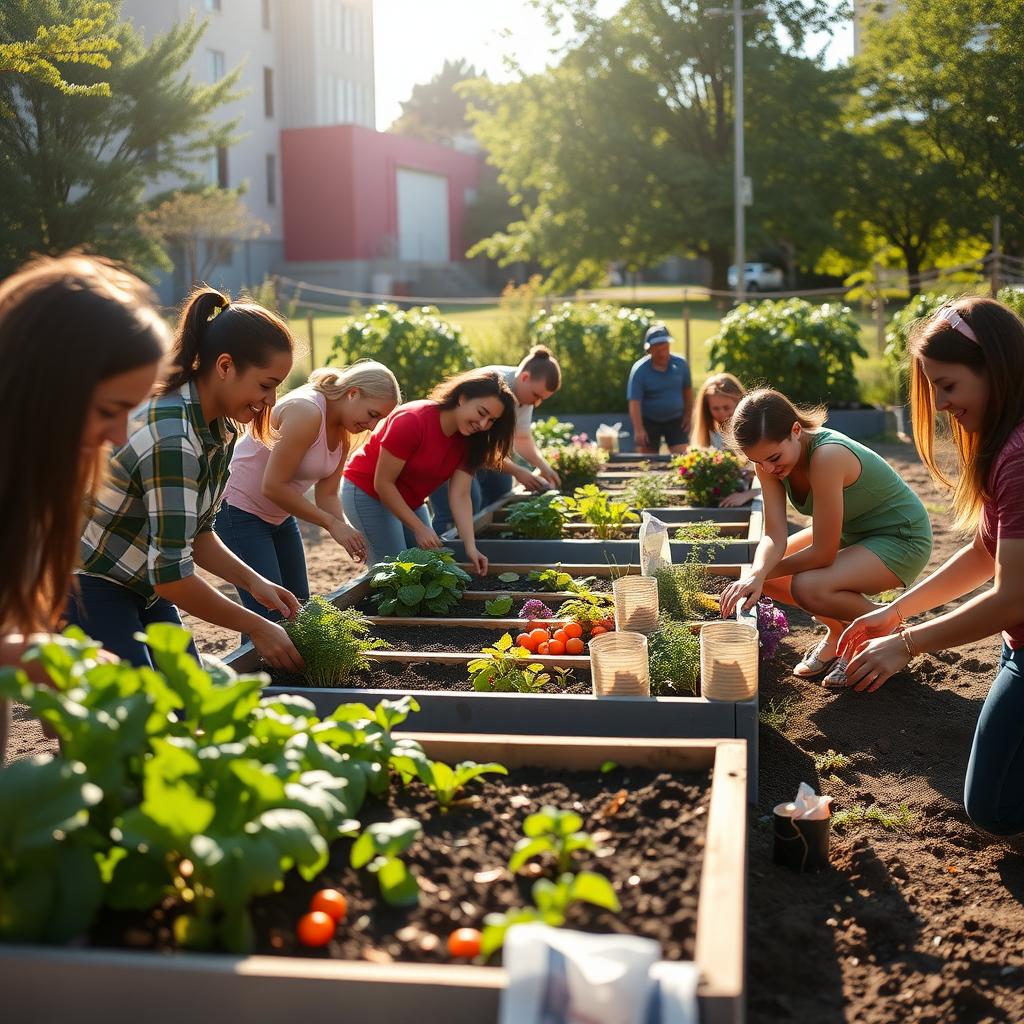
For example, I once joined a service learning project at a local community garden. The goal was to help maintain the garden, but I also learned about sustainable agriculture and connected with neighbors I’d never met before. It wasn’t just about planting vegetables—it was about understanding food insecurity and teamwork.

Why Get Involved in Service Learning?
Service learning opportunities in local communities offer benefits for everyone involved. You can develop skills like leadership, communication, and problem-solving while addressing real community needs. Studies from the Corporation for National and Community Service show that volunteering boosts mental health and builds stronger social bonds. For students, it can fulfill academic requirements while adding value to resumes.
Beyond personal growth, service learning tackles local challenges. From tutoring kids to cleaning up parks, your efforts create tangible change. I’ve seen how a few hours of mentoring at a local youth center can inspire a child to stay engaged in school. These small actions ripple outward, strengthening the entire community.
Types of Service Learning Opportunities
Local communities offer diverse ways to get involved. Here are some common types of service learning projects:
- Education and Tutoring: Mentor students in after-school programs or teach adult literacy classes.
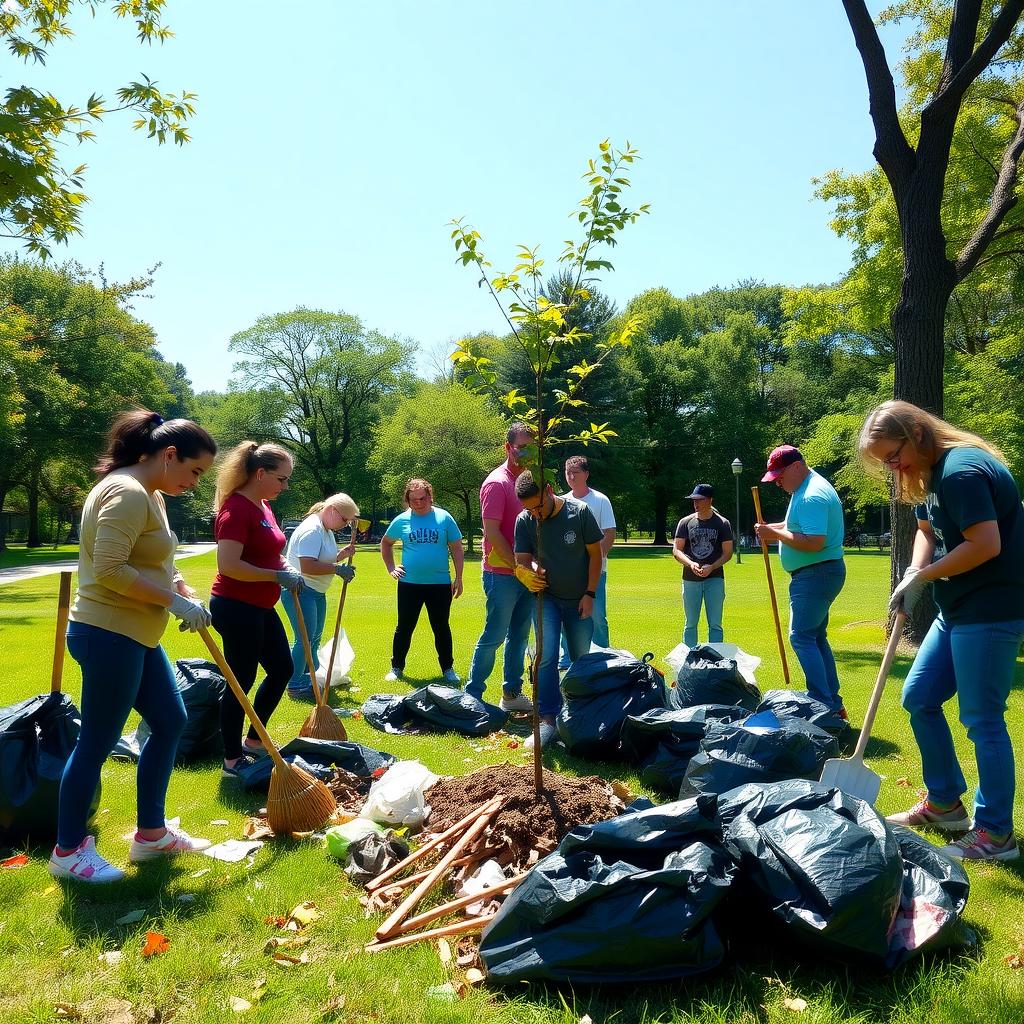
- Environmental Projects: Join cleanups, tree plantings, or community gardens to promote sustainability.
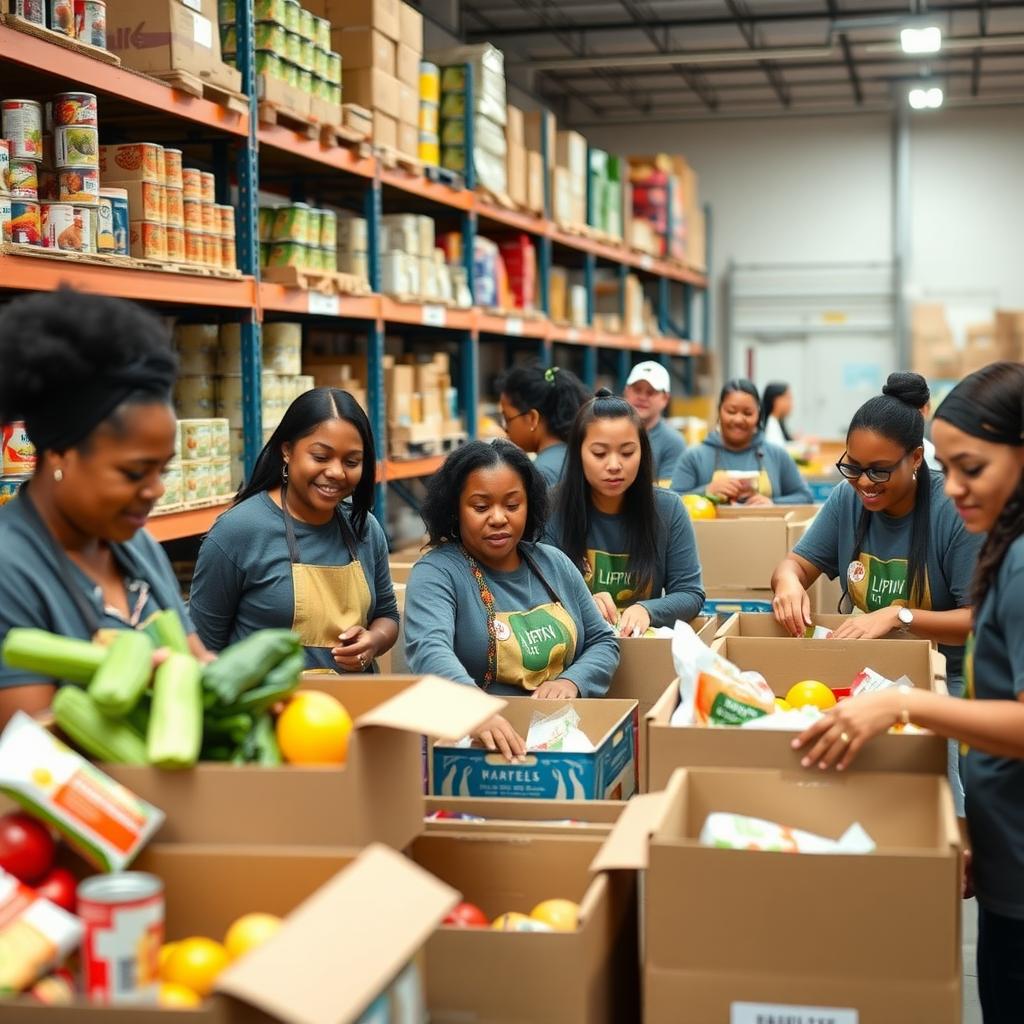
- Health and Wellness: Volunteer at food banks or assist with community health fairs.
- Social Justice: Support initiatives addressing homelessness, food insecurity, or equity.
- Arts and Culture: Help organize community events like festivals or art workshops.
Each project offers unique learning outcomes. For instance, tutoring might teach you patience and communication, while environmental work deepens your understanding of ecological issues. Choose a cause that resonates with you to stay motivated.
How to Find Service Learning Opportunities
Finding service learning opportunities in local communities is easier than you might think. Start by exploring these resources:
| Resource | Description |
|---|---|
| Local Nonprofits | Check websites or visit organizations like food banks or shelters. |
| Schools and Universities | Many offer service learning programs tied to academic credits. |
| VolunteerMatch.org | A platform connecting volunteers with local projects. |
| Community Centers | Bulletin boards often list upcoming volunteer events. |
| United Way | Partners with local groups for impactful projects. |
I recommend starting small. When I first looked for opportunities, I visited my local library’s community board and found a tutoring program. A quick Google search for “volunteer opportunities near me” or “service learning programs [your city]” can also yield results. Don’t hesitate to call organizations directly—they often need help but don’t advertise widely.
Tips for a Meaningful Service Learning Experience
To make the most of your service learning journey, keep these tips in mind:
- Set Clear Goals: Decide what you want to learn, whether it’s leadership or a deeper understanding of a social issue.
- Reflect Regularly: Journaling or discussing your experiences helps solidify what you’ve learned.
- Build Relationships: Connect with other volunteers and community members for a richer experience.
- Be Consistent: Regular participation deepens your impact and learning.
- Ask Questions: Engage with project leaders to understand the broader context of your work.
When I volunteered at a food bank, reflecting on my experience helped me realize how systemic issues like poverty affect my community. Talking with other volunteers also opened my eyes to new perspectives, making the experience more rewarding.
Challenges and How to Overcome Them
Service learning isn’t always easy. You might face time constraints, emotional burnout, or logistical issues. For example, I once struggled to balance volunteering with my work schedule. To overcome this, I chose projects with flexible hours, like weekend cleanups. If burnout is a concern, set boundaries and focus on short-term projects.
Another challenge is feeling like your efforts aren’t enough. Remember that small contributions add up. According to Feeding America, one hour of volunteering at a food bank can provide meals for dozens of people. Keep the bigger picture in mind to stay motivated.
Real-World Impact of Service Learning
The impact of service learning extends beyond the individual. Communities benefit from stronger social ties and addressed needs. For instance, a 2023 study by Points of Light found that communities with active volunteer programs report higher levels of trust and cooperation among residents. Your involvement can inspire others to join, creating a cycle of positive change.
On a personal note, my time volunteering at a literacy program not only helped students improve their reading but also gave me confidence in my teaching abilities. Seeing a student read their first book fluently was a moment I’ll never forget—it showed me the power of small, consistent efforts.
Getting Started Today
Ready to dive into service learning? Start by identifying a cause you care about, like education or the environment. Check local resources like VolunteerMatch or your community center’s website. Reach out, ask questions, and commit to a small project to test the waters. Your community—and you—will be better for it.
Summary
Service learning opportunities in local communities offer a powerful way to contribute while growing personally. From tutoring to environmental projects, these experiences build skills, strengthen communities, and create lasting memories. Start small, reflect often, and embrace the journey of giving back.