Discover Service Learning Opportunities in Local Communities
Explore the power of service learning opportunities in local communities. This guide dives into meaningful volunteer experiences, their benefits, and how to get involved, offering practical tips and personal insights to inspire action.
4 min read
Overview
Service learning opportunities in local communities combine volunteering with personal growth, offering a chance to make a real difference while gaining new skills. Whether you're a student, professional, or retiree, these experiences connect you to your community in meaningful ways. This article explores how to find and embrace these opportunities.
What Is Service Learning?
Service learning is more than just volunteering. It’s a structured way to contribute to your community while reflecting on the experience to grow personally and professionally. Unlike traditional volunteering, service learning ties your efforts to learning goals. For example, a student might tutor kids at a local school while studying education, gaining hands-on insight into teaching.
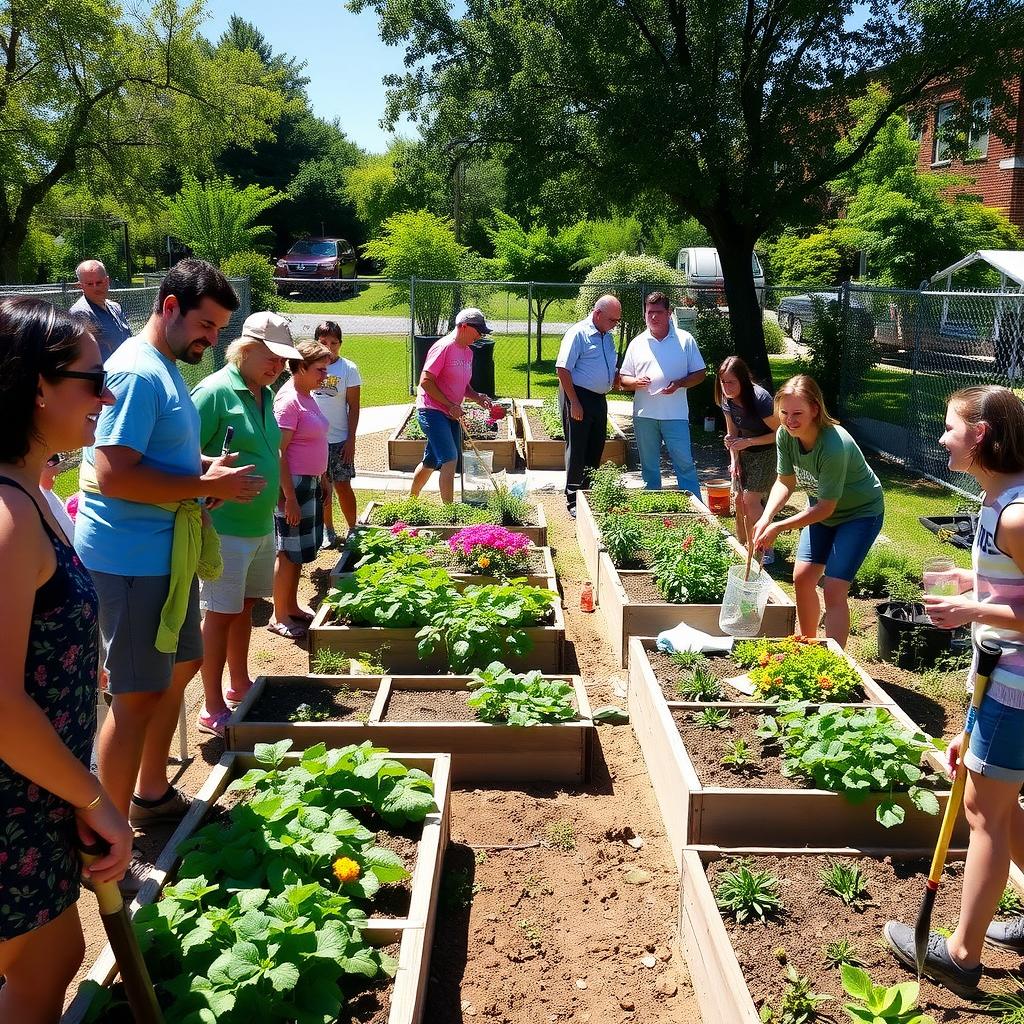
I remember my first service learning experience—helping at a community garden. I didn’t just plant vegetables; I learned about teamwork, sustainability, and the joy of seeing a seedling grow. That’s the beauty of service learning: it’s a two-way street where you give and gain.

Why Service Learning Matters
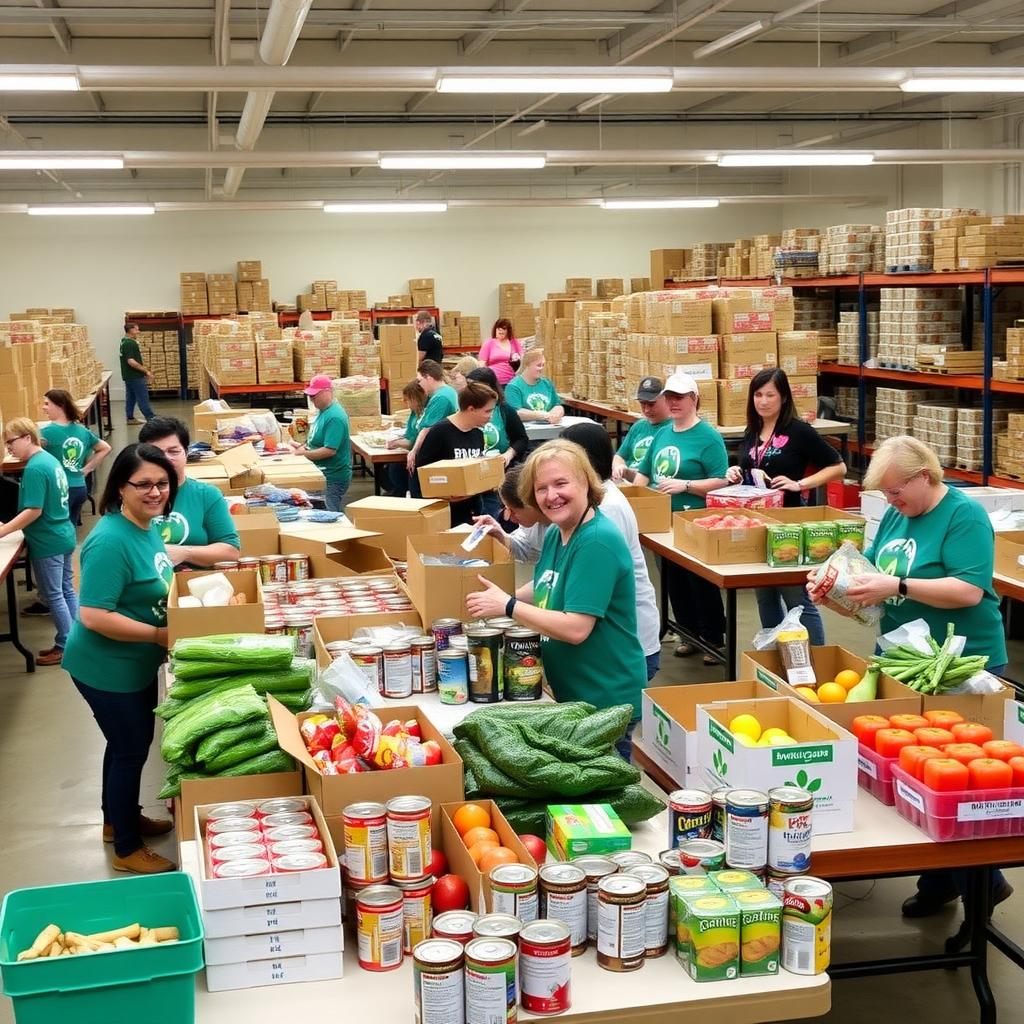
Service learning opportunities in local communities do more than just fill a gap. They build stronger neighborhoods, foster empathy, and create lasting change. Studies show that volunteering can reduce stress and boost mental health—something I’ve felt firsthand after long days at a food bank, where the work was tough but the smiles made it worth it.
Here’s why it’s worth your time: - Personal Growth: You develop skills like leadership, communication, and problem-solving. - Community Impact: Your efforts address real needs, from feeding the hungry to cleaning parks. - Networking: You meet people who share your passion, opening doors to new opportunities.
According to a 2023 report by the Corporation for National and Community Service, volunteers contribute over $400 billion in value to U.S. communities annually. That’s a big impact from small acts.
Where to Find Service Learning Opportunities
Finding the right opportunity starts with knowing where to look. Local communities are full of organizations eager for volunteers. Here are some practical places to start:
- Community Centers: Many offer programs like after-school tutoring or senior care.
- Nonprofits: Groups like Habitat for Humanity or local food banks often have structured volunteer programs.
- Schools and Universities: Many have service learning programs tied to academic credit.
- Online Platforms: Websites like VolunteerMatch.org connect you to local opportunities.
When I started, I used VolunteerMatch to find a literacy program. I spent weekends reading with kids, which not only helped them but also taught me patience and creativity. Check your local library or city website for similar programs.

Types of Service Learning Opportunities
The variety of service learning opportunities in local communities means there’s something for everyone. Here’s a breakdown of common options:
| Type | Description | Skills Gained |
|---|---|---|
| Education Support | Tutoring or mentoring kids in schools or libraries | Teaching, communication |
| Environmental Work | Cleaning parks or planting trees | Teamwork, sustainability |
| Social Services | Helping at shelters or food banks | Empathy, organization |
| Health Initiatives | Supporting community health fairs or clinics | Public health awareness |
Each type offers unique rewards. For instance, working at a food bank taught me how to stay calm under pressure while sorting donations during a busy holiday season.
How to Get Started
Ready to dive in? Here’s a step-by-step guide to finding and thriving in service learning:
- Identify Your Passion: Love animals? Try a local shelter. Care about the environment? Look for clean-up projects.
- Research Opportunities: Use online tools or ask at local organizations. Many have volunteer coordinators who can guide you.
- Commit to a Schedule: Start small—maybe a few hours a week—to avoid burnout.
- Reflect on Your Experience: Keep a journal to track what you learn. This helped me process my time at a homeless shelter, where I learned more about resilience than I expected.
- Ask for Feedback: Many programs offer evaluations to help you grow.
Pro tip: Don’t be afraid to try something new. My first day at a soup kitchen was nerve-wracking, but by the end, I felt like part of the team.
Challenges and How to Overcome Them
Service learning isn’t always easy. You might face time constraints, emotional challenges, or logistical issues. Here’s how to handle common hurdles:
- Time Management: If you’re busy, choose flexible opportunities like one-time events. I once joined a park clean-up that took just a Saturday morning.
- Emotional Toll: Working with underserved groups can be heavy. Talking to a mentor or journaling helps process feelings.
- Lack of Experience: No skills? No problem. Most programs train you. I had zero gardening knowledge before that community garden, but they taught me everything.
The key is persistence. Every challenge is a chance to grow.
The Ripple Effect of Service Learning
One of the best parts of service learning is how it spreads. When you volunteer, you inspire others. I saw this when a friend joined me at a literacy program after hearing my stories. Communities thrive when people pitch in, and your small actions can spark big change.
A 2024 study by Points of Light found that 70% of volunteers encourage others to get involved. That’s the ripple effect in action. So, share your experiences—whether on social media or over coffee. You never know who you’ll motivate.
Summary
Service learning opportunities in local communities offer a unique way to give back while growing personally. From tutoring kids to planting gardens, these experiences build skills, strengthen neighborhoods, and create connections. Start small, reflect often, and watch your impact grow. Ready to make a difference? Your community is waiting.