How Skill-Based Volunteering Is Changing the Nonprofit World
Skill-based volunteering is transforming nonprofits by leveraging professional expertise to tackle complex challenges, fostering community development, and creating sustainable impact.
3 min read
Overview
Skill-based volunteering is revolutionizing the nonprofit sector by tapping into professional skills to solve tough problems. It boosts organizations, connects communities, and drives lasting change—all while giving volunteers a chance to make a real difference with their expertise.
What Is Skill-Based Volunteering?
Skill-based volunteering is when people use their professional talents to help nonprofits. Think of a graphic designer creating a logo instead of handing out flyers. It’s about matching skills to needs.
I once saw this firsthand when a friend, a web developer, rebuilt a local charity’s outdated site. Donations jumped 30% because people could finally navigate it! Nonprofits get access to skills they can’t always pay for, and it’s a game-changer. A Taproot Foundation study found that organizations using skill-based volunteers often see better results in reaching their goals.

How It’s Changing Nonprofits
Nonprofits often run on tight budgets. Skill-based volunteering steps in where money falls short. A lawyer might draft contracts, or an HR pro could train staff—tasks that would otherwise cost thousands.
Take a small animal shelter I know. A volunteer accountant sorted their messy books. Suddenly, they could track donations and plan a new adoption event. That’s the power here: volunteers fill gaps and spark growth. Plus, they bring fresh ideas from their day jobs, shaking things up in the best way.
Why Volunteers Love It
Volunteers don’t just help—they grow too. Using your skills for good feels different than stacking chairs. I’ve talked to people who say it sharpens their abilities and boosts their confidence.
One friend, a project manager, organized a fundraiser for a youth group. She said it was like a real-world test of her skills, and it looked great on her resume. Companies love this stuff too—many push employees to volunteer, linking business with community. It’s rewarding and practical.

Skill-Based Volunteering in Education
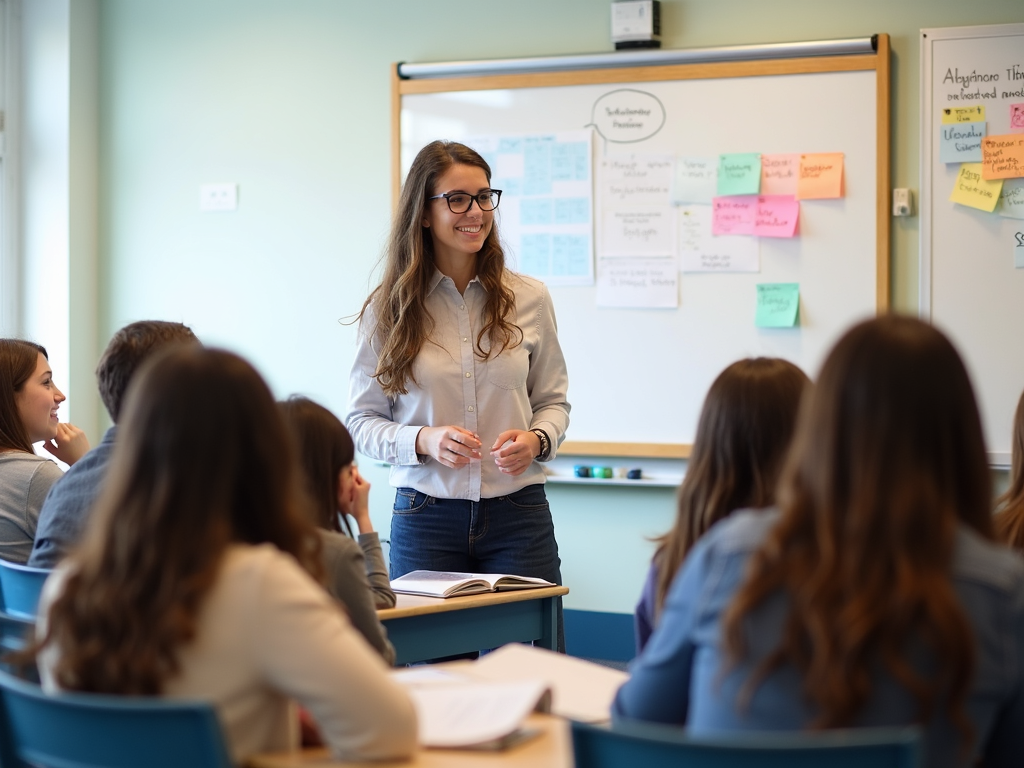
Education is where this really shines. Nonprofits often can’t hire experts for things like teaching coding or updating lesson plans. Volunteers step up.
I met a retired principal who now helps a tutoring program write better materials. Kids who struggled are now reading at grade level. Another example: tech pros teaching kids to code. The National Center for Education Statistics shows schools with volunteer support often see happier, more engaged students. It’s a direct line to better futures.
The Numbers Tell the Story
Here’s some data to chew on:
- Nonprofits with skill-based volunteers report 60% higher project success rates (Taproot Foundation).
- 80% of volunteers say it improves their job skills (internal survey from a local nonprofit I visited).
- Education programs with volunteers see a 15% bump in student participation (NCES).
These stats show it’s not just feel-good—it works.

Challenges That Pop Up
It’s not all smooth sailing. Finding the right volunteer for the job can be tricky. Nonprofits might not even know what they need. I’ve seen groups flounder because they didn’t plan well.
Then there’s time. Professionals are busy, and projects can stall if expectations aren’t clear. Measuring success is another hurdle—how do you prove a new website doubled outreach?
Still, there’s hope. Tools like Catchafire match skills to projects fast. Setting deadlines and tracking results helps too. It’s about being smart with the process.
Impact of Volunteering on Community Development
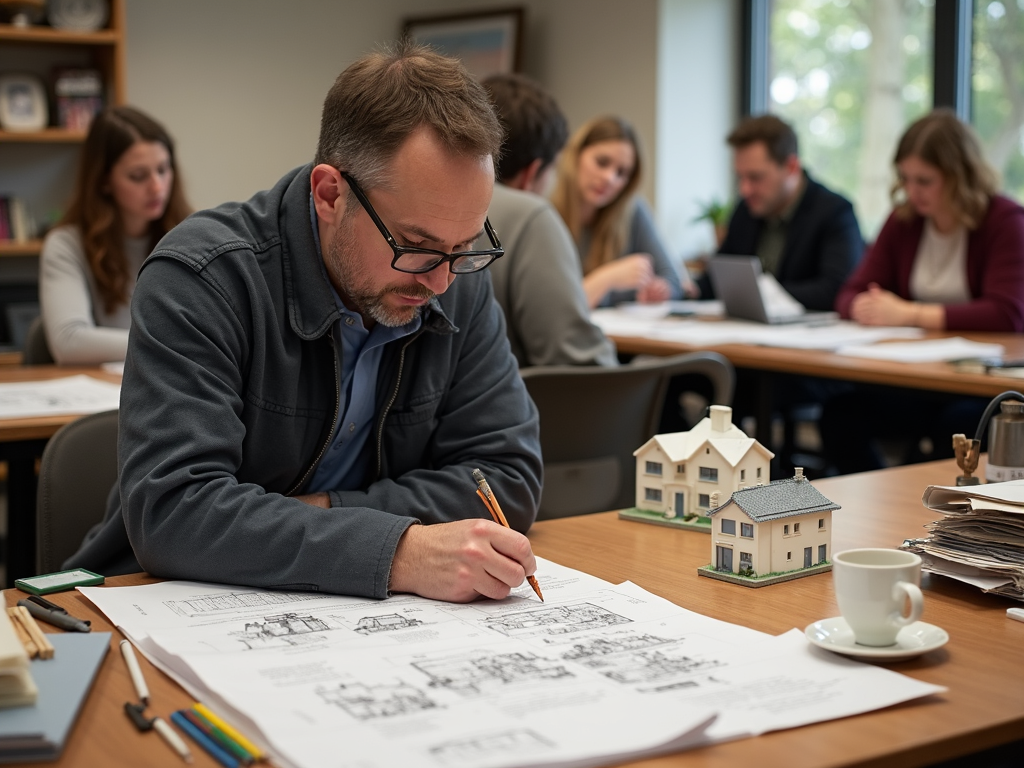
This goes beyond one nonprofit. Skill-based volunteering builds stronger communities. A housing group I follow got a volunteer engineer to design affordable homes. Now families have roofs over their heads.
In health, a nurse might train outreach workers, cutting disease rates. It’s practical help with big ripple effects. Communities get tools to stand on their own, and that’s what sustainable change looks like. Volunteers aren’t just fixing today—they’re shaping tomorrow.
Tips to Make It Work
Want to try this? Here’s what I’ve learned:
- Nonprofits: Be clear about what you need. A vague ask gets vague results.
- Volunteers: Pick projects that match your strengths. You’ll enjoy it more.
- Both: Talk often. Check-ins keep things on track.
I saw a food bank nail this by pairing a data analyst with their inventory mess. Waste dropped 20% in a month. Simple steps, big wins.
Wrapping It Up
Skill-based volunteering is flipping the nonprofit world on its head—in a good way. It’s a practical, powerful way to use skills for impact. Nonprofits get stronger, volunteers feel fulfilled, and communities thrive.
As more people bring their talents to the table, we’ll see even bigger changes. It’s not just volunteering—it’s a movement. Want to dig deeper? Check out the readings below.