Exploring the World Through Volunteer Abroad Programs
Discover the transformative power of Volunteer Abroad Programs. Learn how international volunteering combines cultural immersion, skill-building, and meaningful impact. From teaching English to conservation efforts, explore opportunities to volunteer abroad and learn a language while making a difference.
5 min read
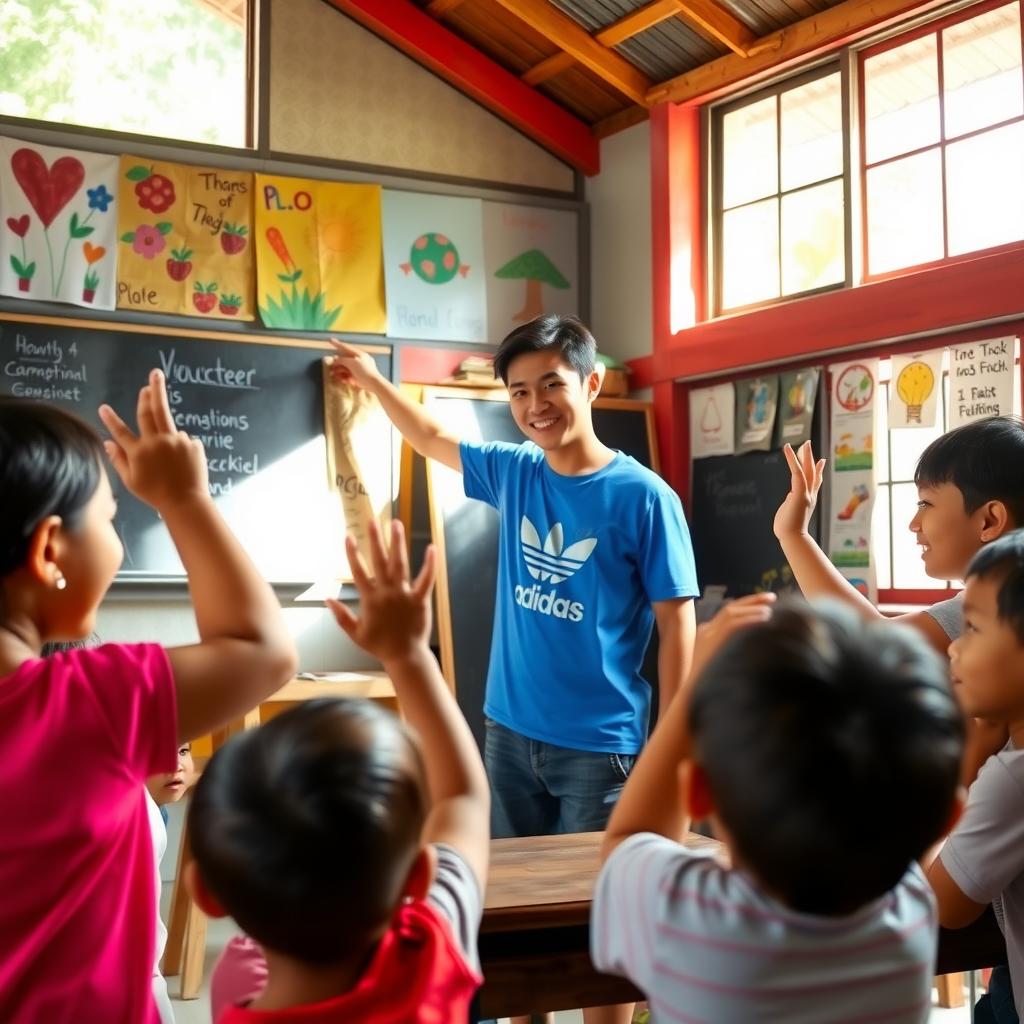
A Life-Changing Journey Awaits
Volunteer Abroad Programs offer a unique way to explore the world while giving back. These programs connect you with communities, cultures, and causes across the globe. Whether you're teaching children in a rural village or protecting endangered wildlife, international volunteering creates memories and skills that last a lifetime. This article dives into why these programs matter, how to choose the right one, and what to expect from the experience.
Why Volunteer Abroad?
Volunteering abroad isn’t just about helping others—it’s about personal growth. You step out of your comfort zone, immerse yourself in new cultures, and build skills like adaptability and communication. For many, it’s a chance to volunteer abroad and learn a language, picking up Spanish in Costa Rica or Swahili in Tanzania through daily interactions. The experience shapes your worldview, often making you more empathetic and resourceful.
Beyond personal benefits, your work directly supports communities. Teaching English in Thailand, for example, can open doors for local students. Conservation projects in Madagascar protect ecosystems for future generations. Every small action counts, and the ripple effect is profound.

Types of Volunteer Abroad Programs
The variety of programs is vast, catering to different interests and skills. Here’s a breakdown of popular options:
| Program Type | Description | Skills Gained |
|---|---|---|
| Education | Teach English, math, or vocational skills in schools or community centers. | Teaching, communication, patience |
| Conservation | Protect wildlife, plant trees, or restore ecosystems in places like the Amazon or African savannas. | Environmental knowledge, teamwork |
| Healthcare | Assist in clinics or educate communities on hygiene and nutrition. | Medical skills, empathy, problem-solving |
| Community Development | Build infrastructure like schools or water systems in underserved areas. | Construction, leadership, cultural awareness |
Each program offers a chance to make a tangible impact. For example, I once met a volunteer in Guatemala who helped build a community center. She described the joy of seeing families gather there for the first time—a moment that made every sweaty day of work worthwhile.
How to Choose the Right Program
With so many options, picking a program can feel overwhelming. Start by asking yourself these questions:
- What are my passions? If you love animals, conservation projects might be your fit. If you enjoy teaching, education programs are ideal.
- What skills do I want to gain? Programs like teaching English abroad often double as a chance to volunteer abroad and learn a language.
- How much time can I commit? Short-term programs (1-4 weeks) suit busy schedules, while long-term projects (3-12 months) offer deeper immersion.
- What’s my budget? Some programs cover accommodation and meals, but others require fundraising or personal funds.
Research organizations thoroughly. Reputable ones, like Projects Abroad or Volunteer World, provide clear details on costs, safety, and impact. Read reviews from past volunteers to gauge authenticity. Avoid programs that prioritize profit over purpose—look for those with transparent community benefits.
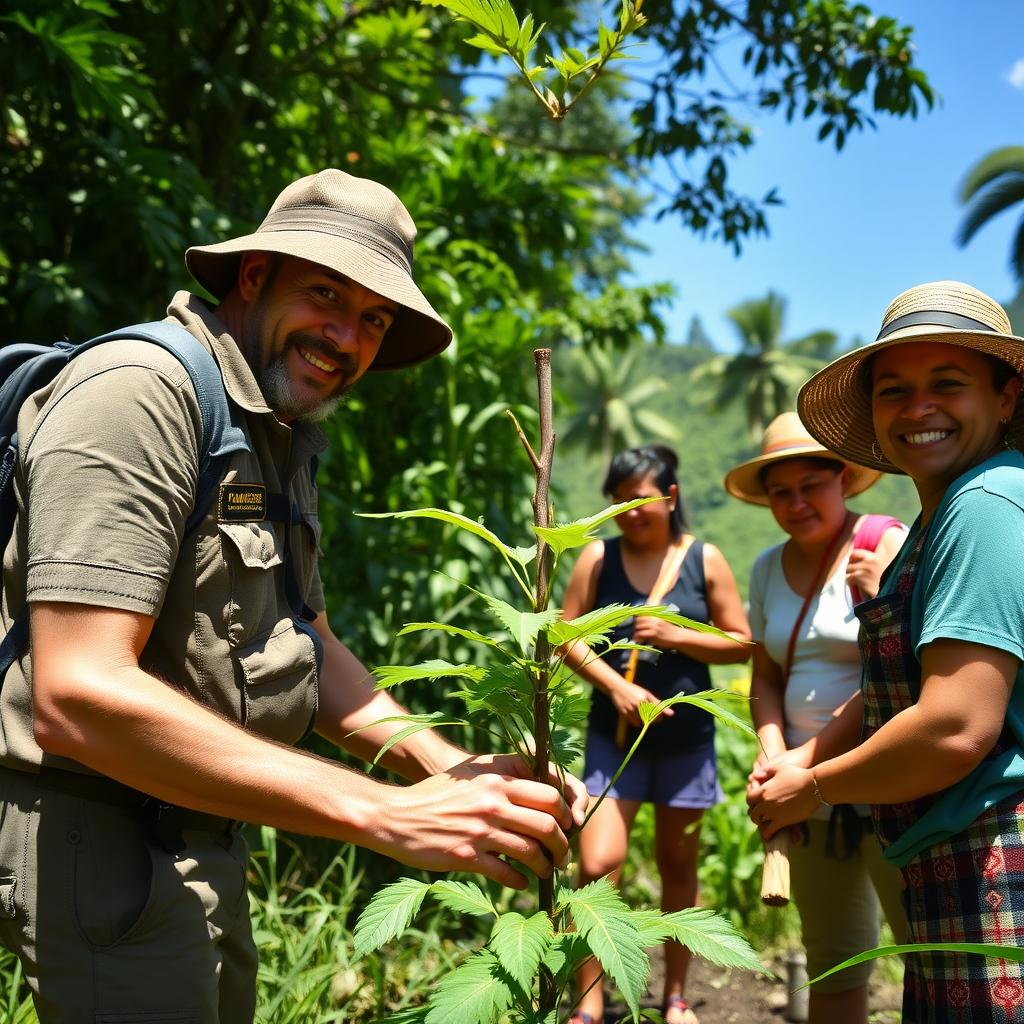
Preparing for Your Volunteer Journey
Preparation is key to a successful experience. First, research your destination’s culture, climate, and customs. For instance, modest clothing is essential in conservative regions like rural India. Learn basic phrases in the local language—it shows respect and eases communication.
Health and safety are critical. Check if vaccinations or visas are required. The CDC’s travel health page is a great resource for country-specific advice. Pack light but smart—bring durable clothing, a first-aid kit, and a reusable water bottle.
Mentally, prepare for challenges. Homesickness, language barriers, and cultural differences can be tough. I recall a friend who volunteered in Kenya and struggled with the slower pace of life. She learned to embrace it, finding joy in small, daily connections with locals.
What to Expect on the Ground
Your first days might feel like a whirlwind. You’ll likely live with a host family or in shared volunteer housing, which fosters cultural exchange. Days often blend structured work (like teaching or building) with downtime to explore or bond with locals. Expect basic accommodations—think simple meals and limited internet.
The real magic happens in the unexpected moments. A volunteer I met in Peru shared how a local family invited her to a traditional dance festival. These experiences deepen your connection to the community and make the hard days worth it. Be open, flexible, and ready to learn.
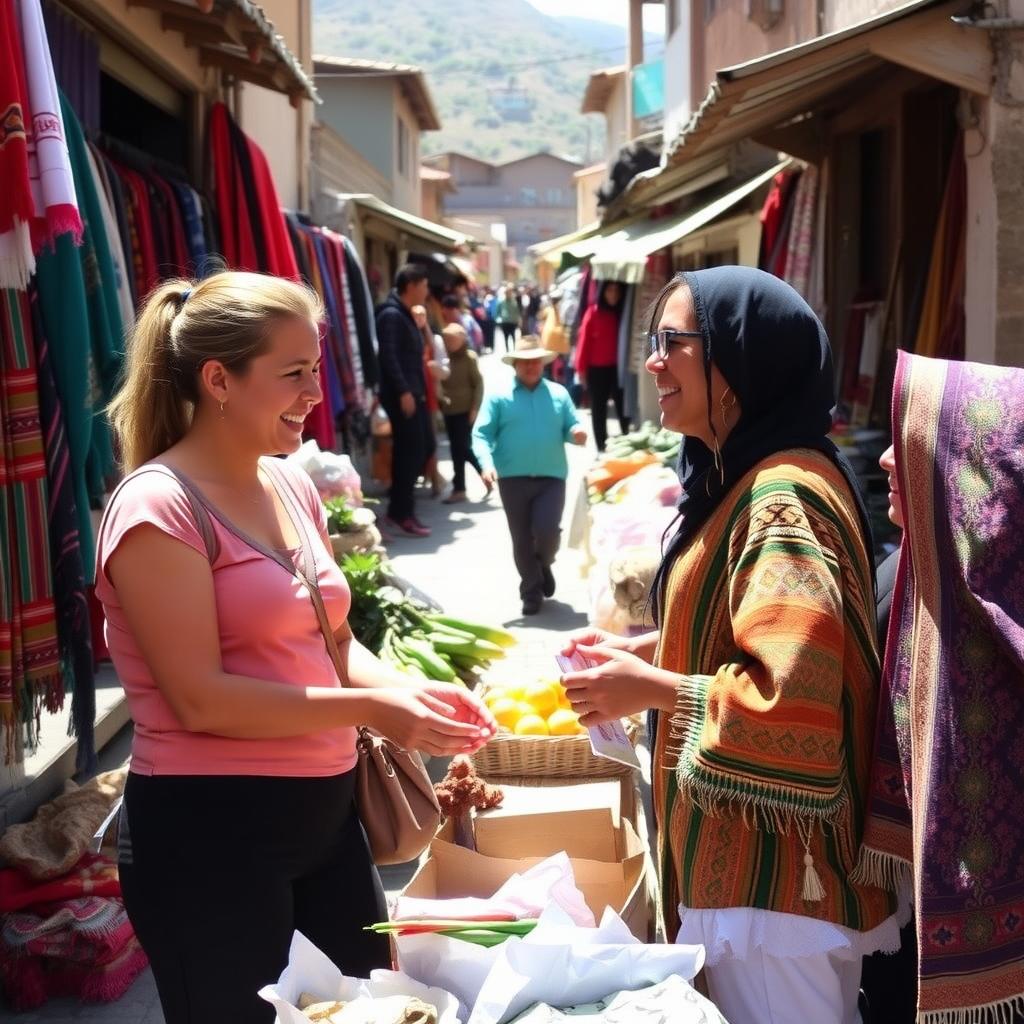
Benefits Beyond the Trip
International volunteering leaves a lasting impact. You’ll return with new skills, like problem-solving or fluency in a new language. Many volunteers find career clarity—some even pivot to fields like international development or education. Personally, volunteering in Thailand taught me resilience and the value of listening, skills I use daily.
You’ll also carry stories and friendships that shape you. The connections you make—with locals, fellow volunteers, or even yourself—become treasures. Plus, your work leaves a legacy, whether it’s a cleaner beach or a child reading their first book.
Challenges to Anticipate
Volunteering abroad isn’t all rosy. Culture shock can hit hard, especially if you’re far from home. Language barriers might frustrate you, even if you’re trying to volunteer abroad and learn a language. Some programs may feel disorganized, and you might question your impact. Stay patient and communicate openly with program coordinators.
Ethical concerns are real too. Avoid programs that exploit communities, like orphanage tourism, which can harm vulnerable children. The Better Volunteering website offers tips on choosing ethical programs. Always prioritize initiatives that empower locals rather than create dependency.
Making the Most of Your Experience
To maximize your time, set realistic goals. You won’t solve world hunger in two weeks, but you can teach a child to read or plant a tree. Document your journey through a journal or photos (with permission from locals). Reflect on what you’re learning—it helps process the experience.
Stay connected after you leave. Many volunteers support their host communities through fundraising or advocacy. Share your story to inspire others, but be mindful of how you portray the communities you served. Focus on their strengths, not just their needs.
Final Thoughts
Volunteer Abroad Programs offer a rare chance to grow, connect, and contribute. They challenge you to step beyond the familiar, embrace new perspectives, and make a difference. Whether you’re teaching, building, or conserving, the experience will change you as much as it changes the world. Ready to take the leap? Research, prepare, and dive into the adventure of international volunteering.