Volunteerism and Community Action: Making a Difference
Discover how volunteerism and community action can transform lives and societies. Learn practical tips for effective advocacy and explore volunteer advocacy initiatives for social change in this comprehensive guide.
4 min read
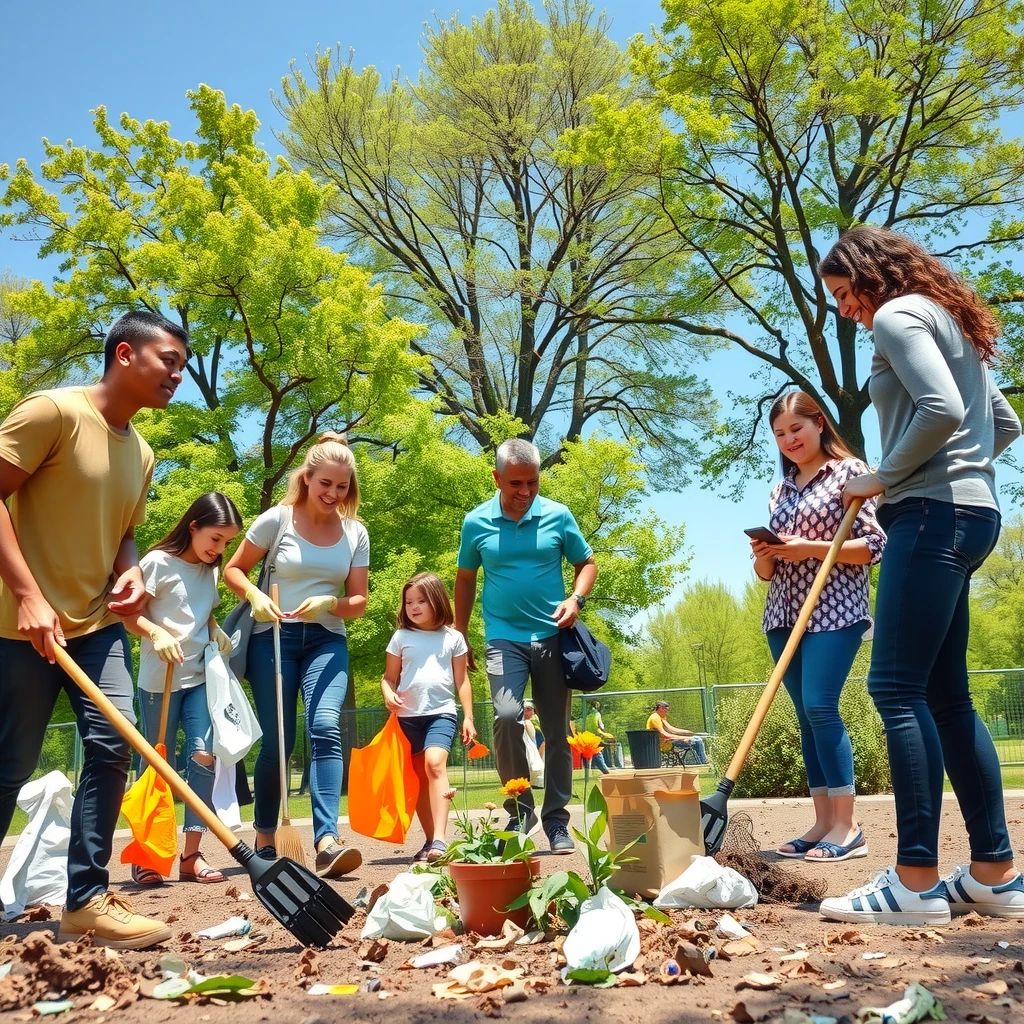
In a world full of challenges, volunteerism and community action stand out as powerful ways to create positive change. This article explores how everyday people can make a real impact through volunteering and advocacy, offering insights and tips to get started.
Why Volunteerism Matters
Volunteerism is more than just giving time. It builds stronger communities and helps solve local problems. When people join forces in community action, they address issues like poverty, education gaps, and environmental concerns. I've seen this firsthand in my own neighborhood, where a small group of volunteers turned a rundown park into a vibrant gathering spot.
Studies show that volunteering boosts personal well-being too. For example, research from the National Institutes of Health links regular volunteering to better mental and physical health, including lower stress levels and increased life satisfaction.

Getting involved in volunteerism opens doors to new friendships and skills. You might learn leadership while organizing events or gain empathy by helping those in need. Community action empowers individuals to voice concerns and push for improvements.
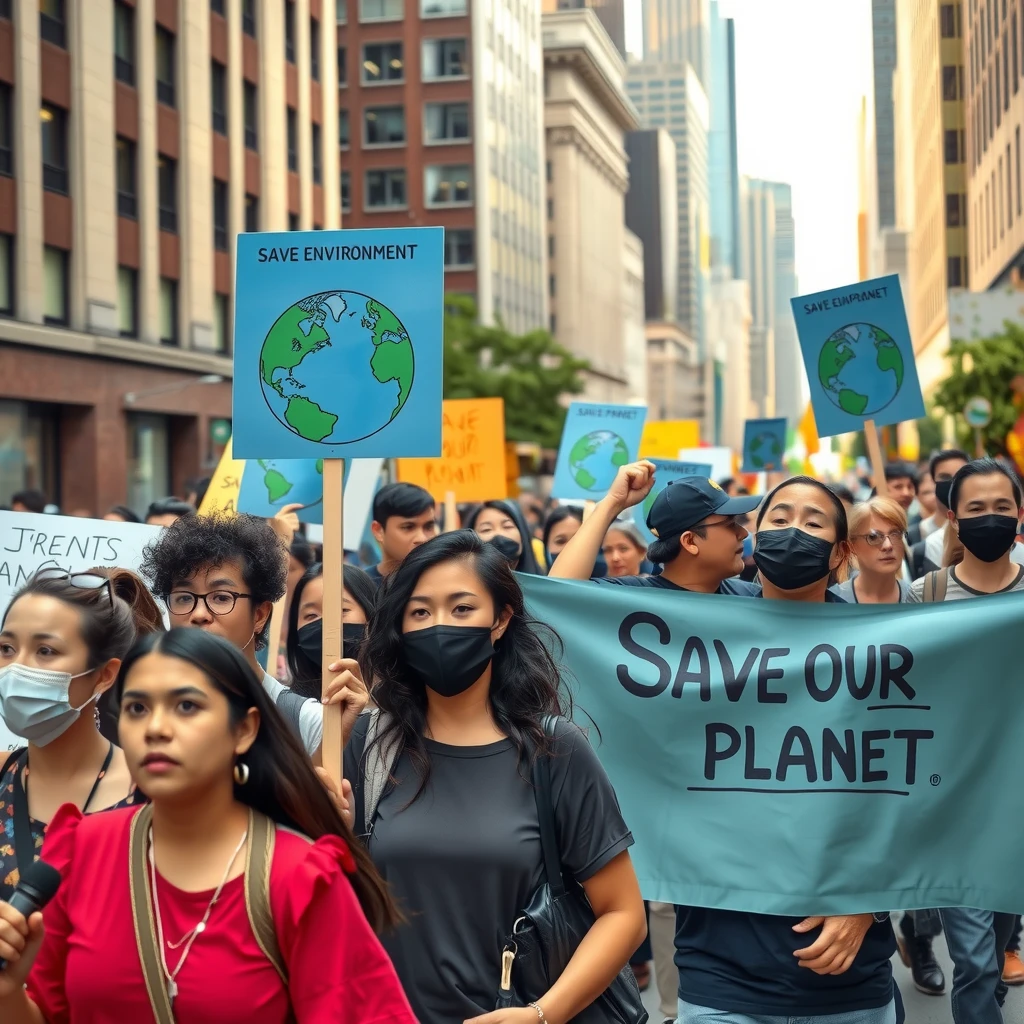
One key aspect is advocacy. Advocacy means speaking up for causes you care about. It turns volunteer efforts into broader social change. For instance, volunteers often advocate for policy shifts in areas like healthcare or education.
Benefits of Getting Involved
The rewards of volunteerism go beyond helping others. Volunteers often report feeling more connected to their communities. According to the U.S. Department of State's Young African Leaders Initiative, volunteering combats loneliness and builds social networks.
On a personal level, I've volunteered at local food drives, and it taught me gratitude and resilience. Physically, staying active through community projects can improve health. Mentally, the sense of purpose reduces anxiety.
Here's a quick list of benefits: - Health Improvements: Lower risk of depression and better physical function. - Skill Development: Gain experience in teamwork, communication, and problem-solving. - Networking: Meet like-minded people and potential mentors. - Fulfillment: Experience the joy of making a tangible difference.
| Benefit | Description |
|---|---|
| Personal Growth | Builds confidence and new skills through hands-on experiences. |
| Community Impact | Directly helps solve local issues like hunger or pollution. |
| Social Connections | Fosters friendships and a sense of belonging. |
| Career Boost | Adds valuable resume entries and references. |
How to Start Your Volunteer Journey
Starting with volunteerism is easier than you think. Look for local opportunities through apps or community centers. Choose causes that match your passions, like animal welfare or youth mentoring.
Join existing groups to ease in. Many organizations offer flexible schedules, so you can volunteer a few hours a week. Remember, every small action counts in community action.
Share your story to inspire others. When I first volunteered, I was nervous, but the welcoming atmosphere made it rewarding. Start small, and build from there.
Tips for Effective Advocacy
Effective advocacy amplifies volunteer efforts. Here are some practical tips for effective advocacy: 1. Research Thoroughly: Understand the issue deeply before speaking out. 2. Build Alliances: Partner with others who share your goals. 3. Communicate Clearly: Use simple messages to rally support. 4. Use Social Media: Spread awareness online to reach more people. 5. Follow Up: Track progress and adjust strategies as needed.
These tips come from real-world experience and align with advice in this 10-step advocacy plan from the National Council for the Social Studies.
Volunteer advocacy initiatives for social change often begin at the grassroots level. For example, community groups lobby for better public services. Advocacy isn't just protests; it includes writing letters to officials or educating neighbors.
In my experience, combining advocacy with volunteering creates lasting impact. One initiative I joined focused on affordable housing, where volunteers collected signatures and met with lawmakers.

Volunteer Advocacy Initiatives for Social Change
Around the world, volunteer advocacy initiatives drive progress. Groups like environmental clubs push for cleaner policies. In education, volunteers advocate for equal access.
A great resource is this guide to community engagement initiatives from Pepperdine University, which outlines strategies for effective action.
These initiatives show how volunteers can influence laws and norms. By participating, you contribute to a fairer society.
Challenges and How to Overcome Them
Volunteering isn't always easy. Time constraints and burnout are common. To avoid this, set boundaries and choose flexible roles.
Diversity in groups strengthens efforts. Include voices from all backgrounds for inclusive advocacy.
From my perspective, persistence pays off. Even small wins, like a new community garden, motivate continued action.
Wrapping It Up
Volunteerism and community action: making a difference starts with one step. Whether through direct help or advocacy, your involvement matters. Embrace the journey for personal growth and societal good.
For more inspiration, check out these recommended readings.