Why Civic Engagement is Vital for Students: Building Skills, Empathy, and Future Leaders
Discover why civic engagement is vital for students. Learn how service learning experiences in education, volunteer work, and community projects boost academic success, personal growth, empathy, and real-world skills for lifelong impact.
4 min read
In today's fast-changing world, why civic engagement is vital for students goes far beyond textbooks and tests. It helps young people develop real skills, build empathy, and prepare to lead their communities. Through service learning experiences in education and simple volunteer efforts, students gain confidence and make a lasting difference. This guide shares practical insights, real stories, and easy steps to get started.
Civic engagement means taking part in your community—whether voting, joining a project, or helping neighbors. For students, it often starts small but grows into powerful habits. Schools that weave these activities into daily life see big changes in their students. The benefits touch every part of life, from better grades to stronger friendships.
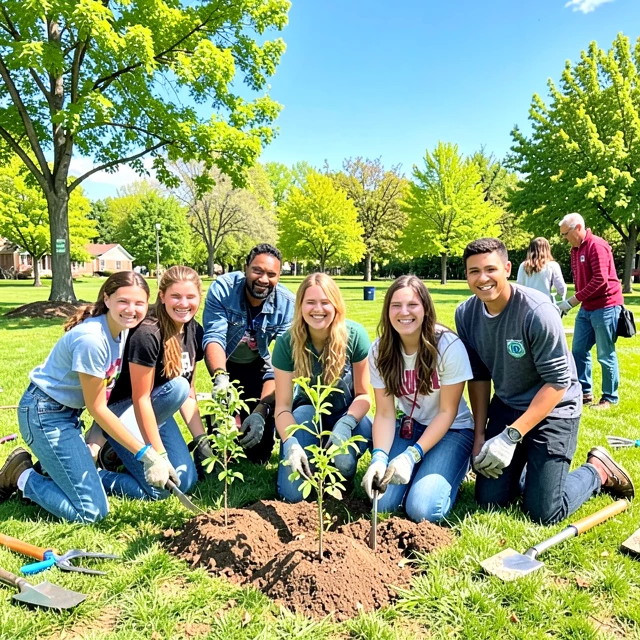
Research backs this up strongly. According to experts at Tufts University's CIRCLE, youth who join civic activities enjoy higher academic performance and better social-emotional health. They also build networks that open doors to jobs later on. These are not just nice ideas—they are proven outcomes that help students thrive.
What Exactly Is Civic Engagement for Students?
Civic engagement is any action that improves your community or country. For students, this includes school clubs, local cleanups, or even writing letters to leaders. It is not about politics alone. It is about caring and acting.
Many students start with volunteer work at food banks or animal shelters. Others dive into service learning, which ties classroom lessons to real community needs. Both paths lead to the same powerful results.
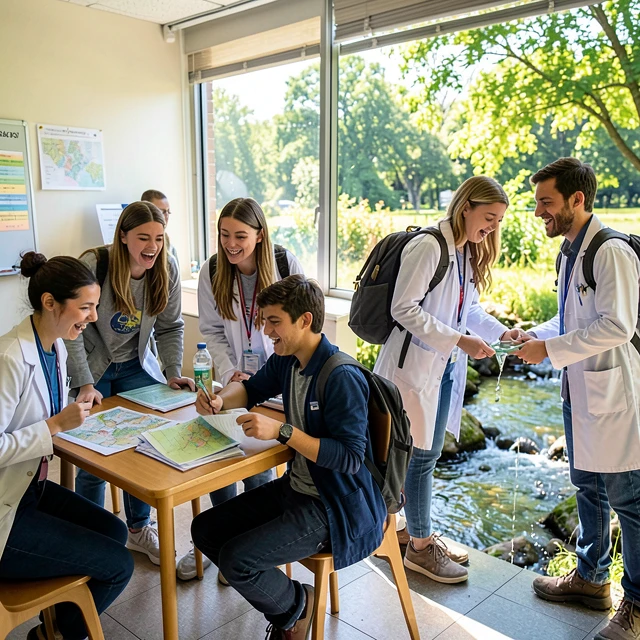
Service learning experiences in education stand out because they combine study with service. A history class might research local history and then interview elders. A science class could test water quality in a nearby stream and share findings with city officials. These projects make learning stick.
Academic Benefits That Last a Lifetime
Why civic engagement is vital for students shows up clearly in schoolwork. Students who volunteer or join service learning often earn higher grades and stay more motivated.
A large Chicago study of over 4,000 students found that specific civic learning opportunities increased commitment to participation and improved overall school success. Discussing issues with parents and joining extracurriculars added even more power.
Here is a quick list of academic wins: - Better critical thinking from real problems - Stronger writing and speaking skills - Higher test scores in social studies - More focus because learning feels meaningful - Improved attendance and fewer dropouts
These gains come because students see how their lessons apply to life. Instead of memorizing facts, they solve actual issues. That shift turns passive learners into active thinkers.
Personal Growth and Building Empathy
Civic engagement shapes character in ways grades never can. Students learn to understand different viewpoints and feel real compassion.
When you volunteer at a shelter, you meet people from every background. That experience builds empathy fast. Research from the University of Michigan Ginsberg Center shows civic work reduces isolation, lowers stress, and boosts overall well-being.
Students often say they feel more confident after leading a project. Shy teens become strong speakers. Quiet kids discover their voice matters.
I once worked with a group of high schoolers who started a recycling drive. At first, they felt overwhelmed. Six months later, they ran the whole program and presented it to the city council. Their pride and growth were unmistakable. That is the magic of getting involved.
The Power of Volunteer and Service Learning
Volunteer work and service learning work hand in hand. Volunteer activities give immediate impact. Service learning adds reflection so lessons last.
The National Youth Leadership Council highlights how service learning improves personal development, social skills, and academic knowledge all at once. Students see themselves as change-makers.
Boise State University research adds that these experiences build leadership, communication, and career-ready skills. Employers love seeing this on resumes.
Here are practical ways students benefit from volunteering: - Gain real-world experience that books cannot teach - Develop time management by balancing school and service - Build networks with mentors and community leaders - Feel a strong sense of purpose and belonging - Create a resume that stands out to colleges and jobs
Real Challenges and How to Overcome Them
Not every student finds it easy to start. Time pressure, lack of transportation, or unsure parents can hold people back.
The good news? Schools and communities offer support. Many districts now include service learning in the curriculum. Online platforms connect students to virtual volunteer roles. Parents often join once they see the benefits.
Start small. One hour a month can spark big change. Talk to teachers or counselors—they usually know local options.
Easy Steps to Get Involved Today
Ready to begin? Here is a simple action plan:
- Talk to your school advisor about service learning opportunities.
- Search local volunteer sites like food banks or parks departments.
- Join or start a club focused on issues you care about.
- Keep a short journal to reflect on what you learn.
- Share your story with friends to grow the movement.
These steps turn interest into habit. Before long, civic engagement becomes part of who you are.
Authoritative sources confirm these steps work. The Brookings Institution notes that high-quality civic programs in schools increase participation and help close equity gaps. Every student deserves this chance.
Why It All Matters in the End
Why civic engagement is vital for students comes down to one truth: engaged students become engaged adults. They vote, lead, solve problems, and strengthen democracy. They also live happier, healthier lives.
Service learning experiences in education and regular volunteer work plant seeds that grow for decades. Students gain skills, empathy, and purpose that no test can measure.
The world needs young people who care enough to act. Start now, and you will shape not only your future but the future of everyone around you.