Cultural Differences: What to Expect When Volunteering Abroad
Discover the cultural differences you might encounter when volunteering abroad and how to navigate them for a rewarding experience.
3 min read
Overview
Volunteering abroad is an exciting adventure that can change your life. However, cultural differences can catch you off guard if you’re not prepared. This article dives into what to expect and how to handle these differences while making a positive impact.
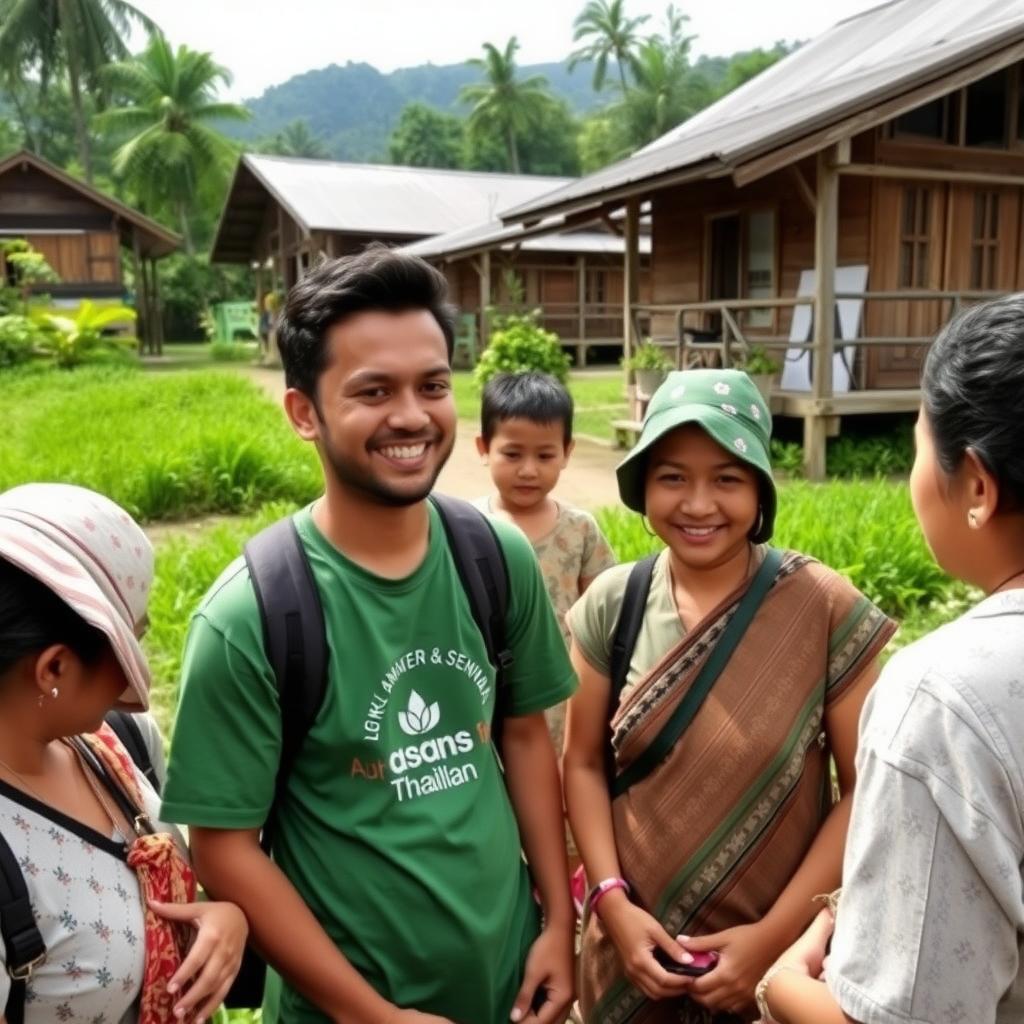
When you volunteer abroad, you step into a world that might feel completely different from your own. I learned this firsthand when I volunteered in Thailand. The Thai idea of 'face'—avoiding direct criticism to save someone’s dignity—was new to me. Back home, we’re more direct, but there, it’s about keeping harmony. It took time to adjust, but it taught me patience and respect.

Language is another big hurdle when you volunteer abroad and learn a new language. In Thailand, I struggled to pick up basic phrases. It was frustrating when I couldn’t communicate simple things, but the reward came when I could finally thank a local in their own words. That small connection made my work feel more meaningful.
Studies back this up. International Volunteer HQ found that 75% of volunteers who learned a new language while abroad had a better experience. It’s not just about words—it’s about building trust with the people you’re helping.
Cultural norms vary widely, and they shape how you’ll interact. Here’s a quick look at some differences you might face:
| Country | Cultural Norm |
|---|---|
| Thailand | Avoid direct criticism |
| Japan | Bowing shows respect |
| Brazil | Physical touch is common |
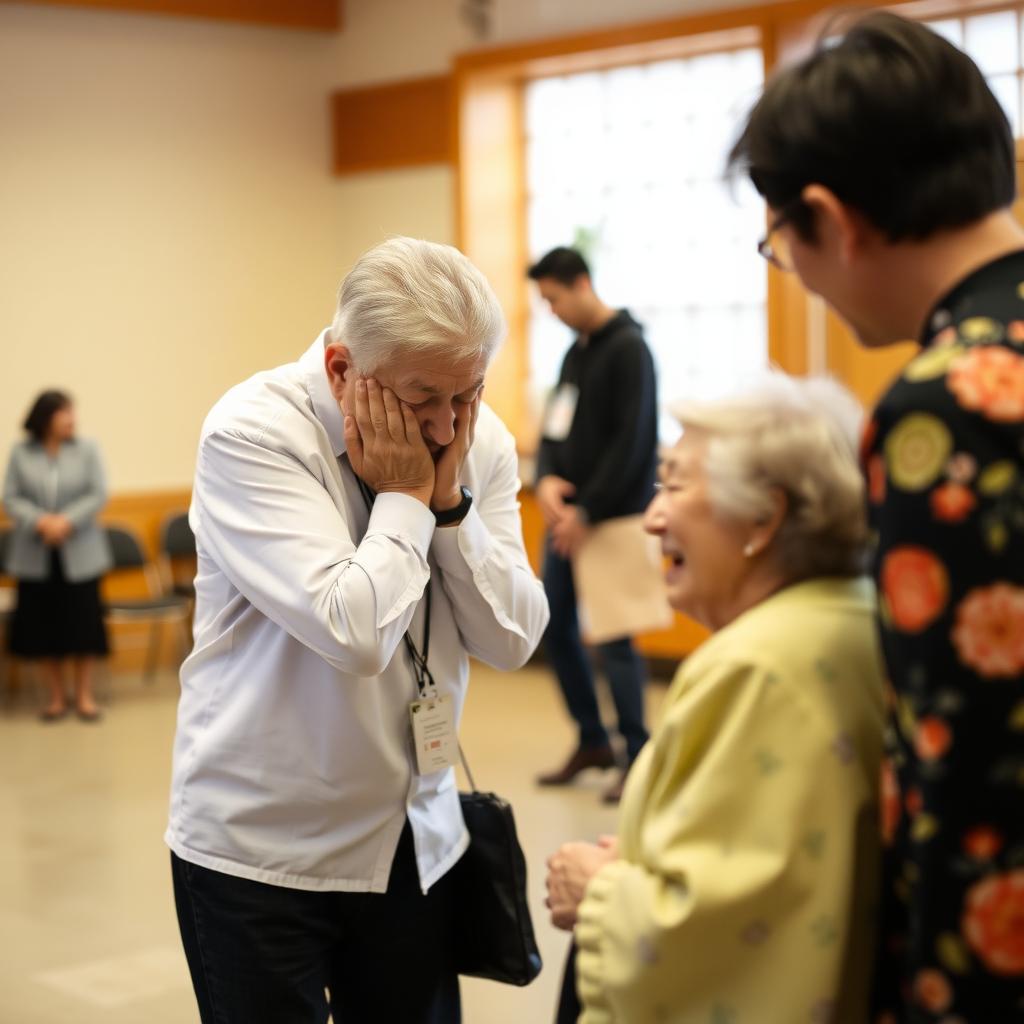
These differences can trip you up. In some places, avoiding eye contact is polite, while in others, it shows confidence. I once made the mistake of staring too long in India, not knowing it could seem rude. A local gently corrected me, and I was grateful for the lesson.
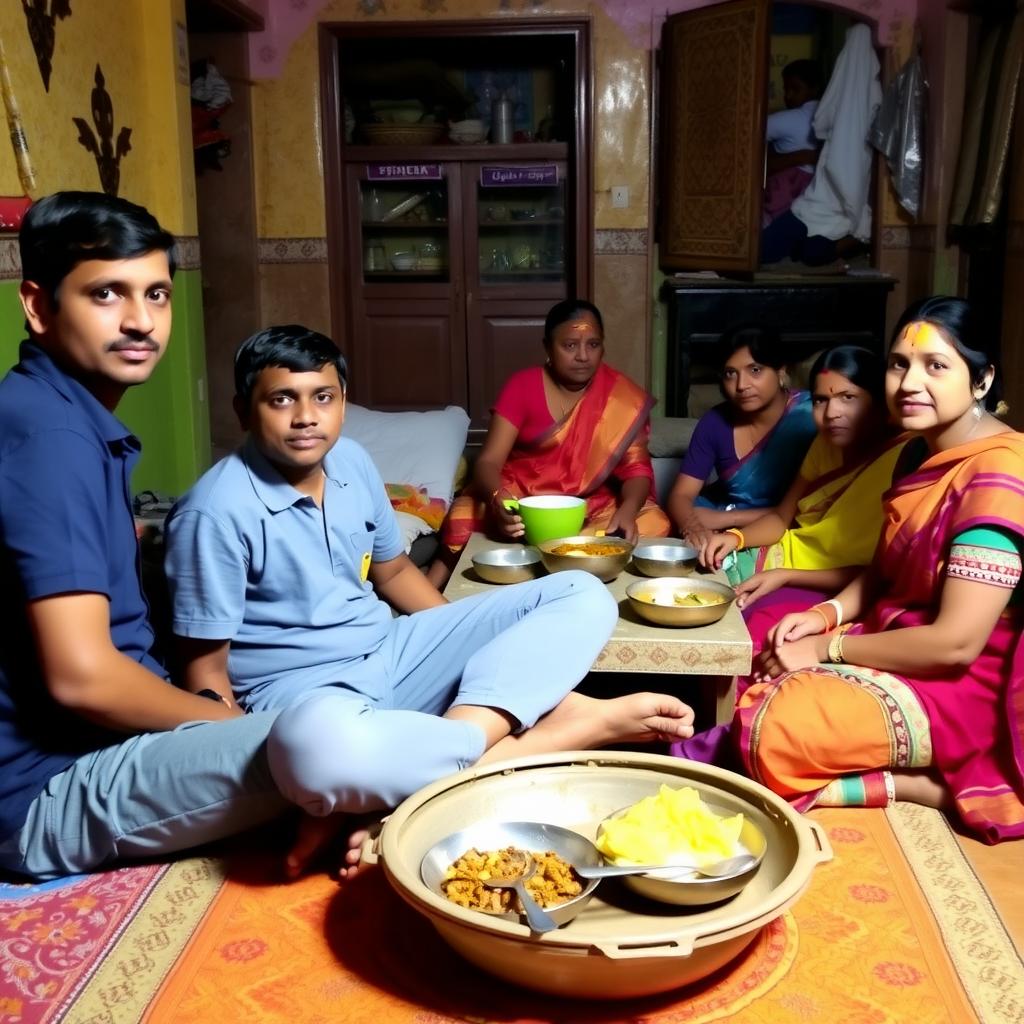
Another time in India, I was invited to a family’s home for dinner. They served me rice with their hands, which surprised me. Later, I learned it’s a sign of warmth and hospitality. Moments like these show how cultural differences can turn into beautiful memories if you stay open-minded.
So, how do you navigate this? Research helps. Before you go, read about the local customs. For example, knowing that punctuality matters more in Japan than in Brazil can save you stress. Be ready to adapt—flexibility is your best tool.
Experts agree this matters. Cultural anthropologist Edward T. Hall once said, 'Culture is communication, and communication is culture.' Understanding this link can make or break your international volunteering experience.
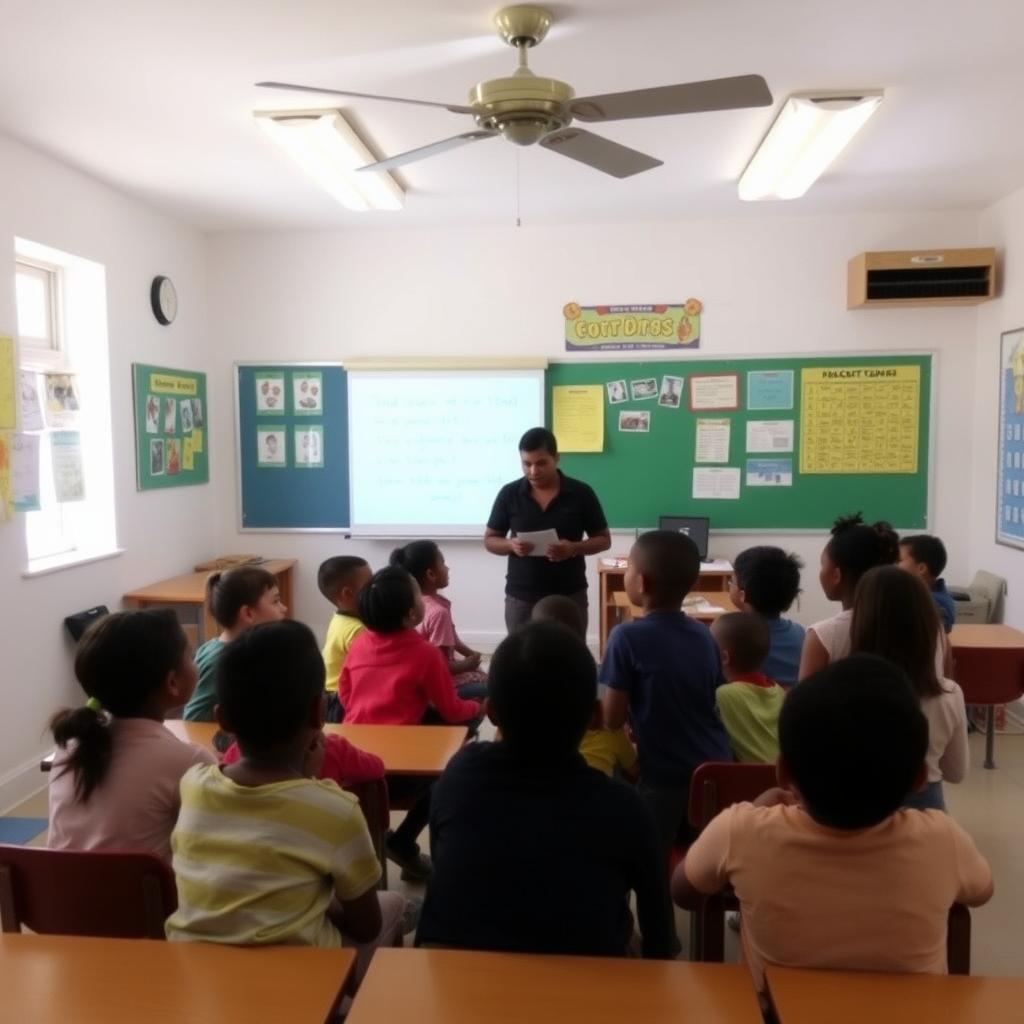
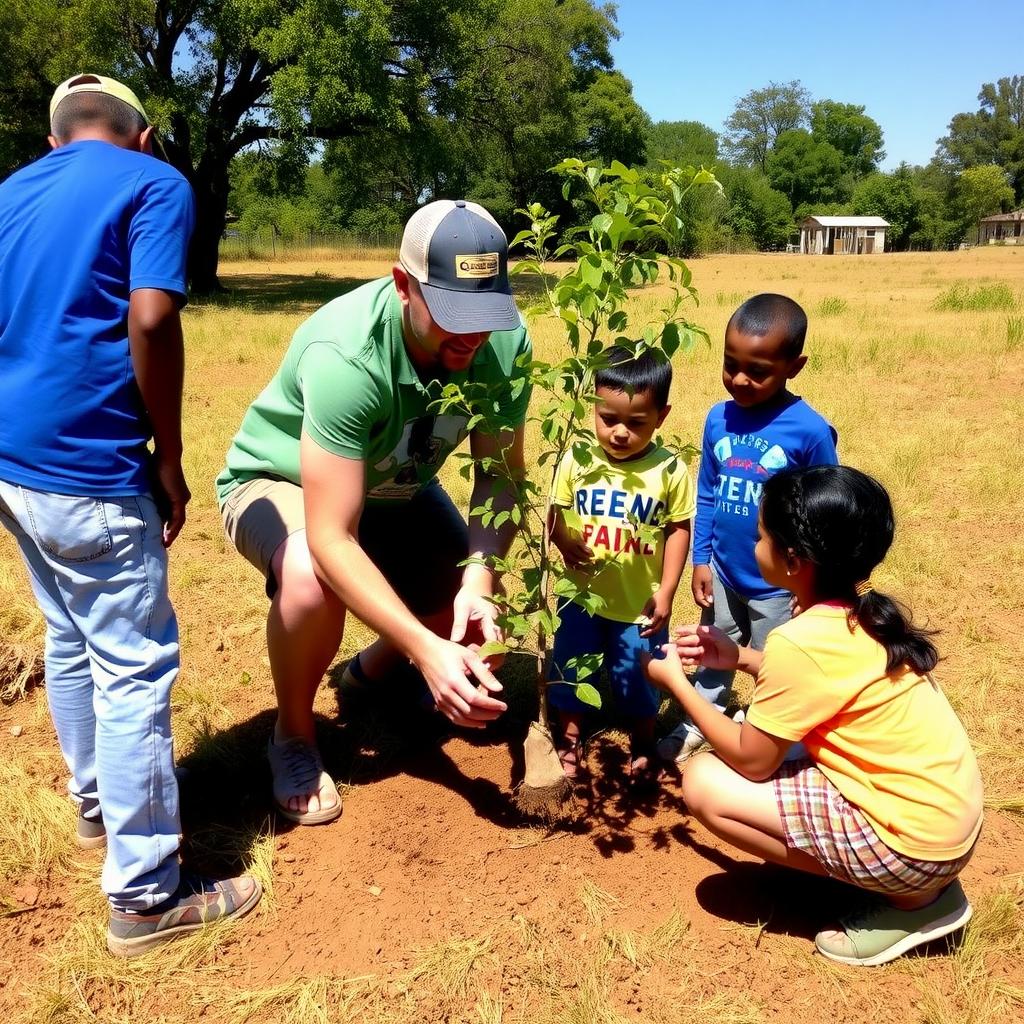
The challenges are real, but the rewards are worth it. Volunteering abroad lets you grow personally while helping others. You might teach kids English, build homes, or plant trees—all while soaking in a new way of life.
Here are some practical tips to get started: - Research the local culture ahead of time - Learn basic phrases in the local language - Keep an open mind about new customs - Expect some culture shock—it’s normal - Stay safe by following local advice
Cultural sensitivity is a must. It’s about respecting differences, even when they feel strange. When I volunteered, I had to check my own habits—like speaking loudly in quiet spaces—and adjust to fit in.
This isn’t just my opinion. The Cultural Intelligence Center found that 90% of top executives say cultural sensitivity boosts success in global work. It’s a skill that pays off, whether you’re volunteering or not.
Want to build that skill? Try these steps: - Study the culture before you leave - Watch and listen to how locals act - Ask questions if you’re unsure - Accept feedback without getting defensive - Think about your own cultural habits
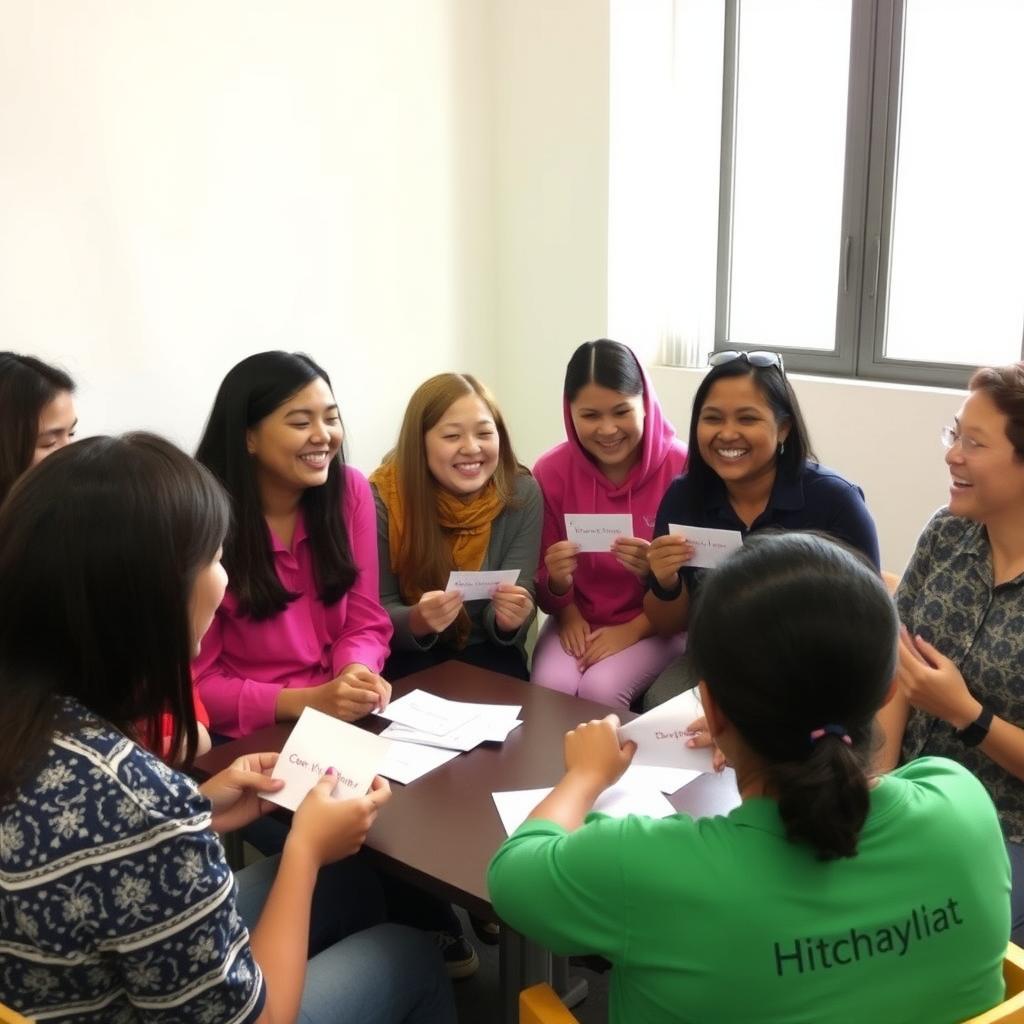
One volunteer I met put it perfectly: 'Volunteering abroad opened my eyes to a new world. It was tough, but it changed me for the better.' That’s the power of stepping outside your comfort zone.
Your impact goes both ways. You help the community—maybe by improving schools or health care—and they teach you resilience and gratitude. The United Nations says volunteering abroad even supports their Sustainable Development Goals, like reducing poverty and boosting education.
Thinking about international volunteering? Do your homework, embrace the differences, and jump in. It might just be the adventure you’ve been waiting for.
Summary
Volunteering abroad is a life-changing journey, but cultural differences can be tricky. With preparation, respect, and an open heart, you can turn challenges into opportunities. Get ready for an experience that shapes you and the world around you.